
Main Courses
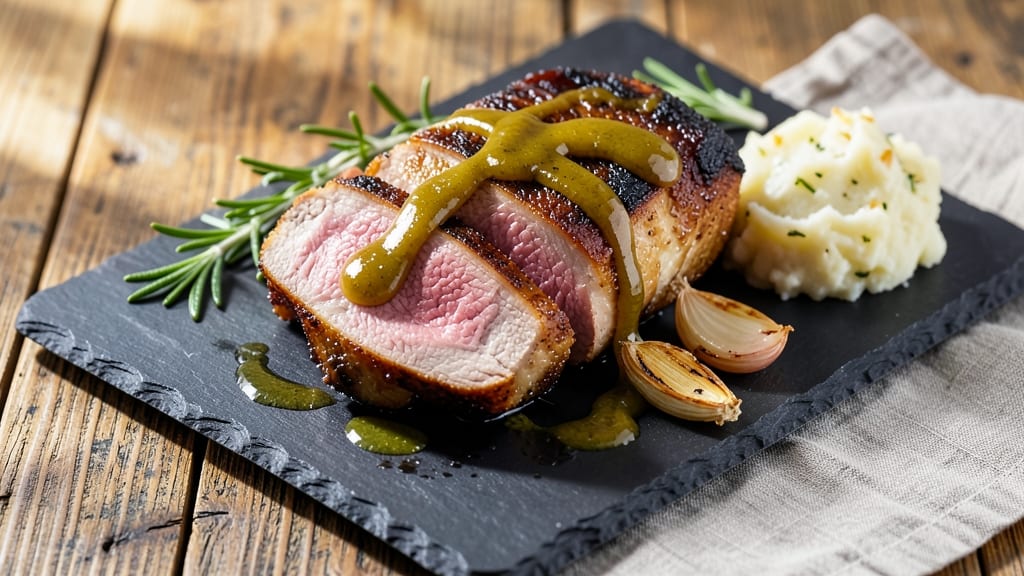
Ina Garten's pork loin recipe delivers that juicy perfection we all crave—tender, herb-crusted, and impossible to resist. 💛 Growing up in small-town Georgia, I learned pork should be simple yet impressive, and this method captures that balance perfectly.
The secret lies in a harmonious blend of fresh herbs and aromatics that create a crust so flavorful it transforms ordinary pork into something extraordinary.
What sets this recipe apart is its foolproof technique—no complicated marinades or hours of prep. A generous coating of Dijon mustard, fresh rosemary, thyme, and garlic creates a fragrant crust that seals in moisture while roasting.
The key is patience: letting the pork rest after cooking ensures every slice stays succulent, not dry. This is the kind of dish that elevates a weeknight dinner into a restaurant-worthy meal.
By the time you serve it, you'll have a golden-brown roast with crisp edges and melt-in-your-mouth tenderness inside. The aroma alone will have everyone gathering at the table, and the first bite delivers that perfect harmony of savory, herby, and slightly sweet flavors.
Pair it with roasted potatoes or a crisp green salad for a complete, crowd-pleasing dinner. Let's get started on this timeless classic!
This recipe reflects Ina Garten's signature elegance—approachable yet refined, with techniques that yield professional results at home. Whether you're hosting a dinner party or simply treating yourself to a special meal, this herb-crusted pork loin will deliver the juicy perfection you're looking for.
The best part? It's simpler than it looks, and the flavor speaks for itself.
Ingredients for ina garten pork loin
Herbs, mustard, and patience create this restaurant-quality pork loin masterpiece.
| Ingredient | Amount | Notes |
|---|---|---|
| Pork Loin Roast 🐖 | 3 ½ lb | Bone-in for extra flavor |
| Dijon Mustard 🧂 | ½ cup | High-quality, smooth variety |
| Fresh Rosemary 🌿 | ¼ cup | Stems removed, finely chopped |
| Fresh Thyme 🌿 | ¼ cup | Leaves only, finely chopped |
| Garlic Cloves 🧄 | 6 cloves | Peeled, minced finely |
| Extra-Virgin Olive Oil 🫒 | ½ cup | For brushing and crust |
| Coarse Sea Salt 🧂 | 1 tbsp | Diamond Crystal preferred |
| Freshly Ground Black Pepper 🌶️ | 1 tsp | Freshly ground for best flavor |
| Unsalted Butter 🧈 | ¼ cup | Room temperature, cubed |
| Fresh Parsley 🌿 | ¼ cup | Chopped, for garnish |
| Dry Red Wine 🍷 | ¼ cup | Cabernet or Merlot preferred |
| Fresh Lemon 🍋 | 1 whole | Zest only, for brightness |
The pork loin is your star—look for bone-in cuts from Whole Foods or your local butcher for that extra layer of flavor. The 3.5-pound roast works perfectly for a crowd, and the bone adds juiciness you can't get with boneless. I always buy mine with a little fat cap for that melt-in-your-mouth texture. For the Dijon mustard, Penzeys or the fancy jar at the grocery store—none of that watery stuff. The herbs need to be fresh, not dried, so hit the produce section early in the week.
No red wine on hand? Beef broth with a splash of balsamic vinegar works in a pinch—trust me, it keeps the richness. Short on rosemary? Double the thyme and add a bay leaf—it’s a classic combo. The butter should be unsalted and room temperature—cold butter creates a tough crust. For the garlic, mince it finely so it infuses evenly. And if you’re worried about the lemon zest, just use the peel—no pith, just the bright yellow part. The zest adds a citrusy brightness that cuts through the richness.
This roast is best served immediately after resting—the juices redistribute, making every bite tender. For storage, cool completely before refrigerating, and it’ll keep for 3-4 days. To reheat, wrap in foil and warm in the oven at 300°F until heated through. If you’re prepping ahead, make the herb crust separately and apply it just before roasting. The flavors meld best when everything comes together at the last minute. And don’t skip the rest time—15 minutes minimum or you’ll end up with dry slices.
Why You'll Love This Recipe
- No-Fuss Crust Magic: That herb butter—rosemary, thyme, and garlic blended with butter—is the secret. I rub it on the bone-in pork loin, and honestly, the crust forms like clockwork. No fancy techniques, just a food processor and a little elbow grease.
- Taste Like a Restaurant: The Dijon mustard and olive oil glaze? Game-changer. That crispy edge with the creamy center? Chef’s kiss. And the lemon zest in the wine reduction? Brightens up every bite like you’re dining at a French bistro.
- Feeds a Crowd (Without the Stress): A 3.5-pound pork loin roast is exactly what you need for a dinner party or family gathering. Slice it against the grain, drizzle with that glossy wine sauce, and boom—you’ve got enough for seconds. Plus, it’s foolproof enough that even my sister-in-law (who burns toast) can nail it.
- Leftovers That Shine: Cook it once, and you’ve got three meals. Reheat slices in the pan with a splash of wine reduction, or chop it into a sandwich. The flavors only get better the next day—trust me, I’ve done the math. And it keeps for three days in the fridge, so no waste.
Step-by-step instructions for herb-crusted pork loin roast
Here's the method that delivers melt-in-your-mouth tenderness with a fragrant herb crust every time.
👨🍳 Step 1: Create the Herb Butter Crust
In a food processor, combine the ¼ cup unsalted butter, ¼ cup fresh rosemary, ¼ cup fresh thyme, 6 garlic cloves, 1 tbsp coarse sea salt, and 1 tsp freshly ground black pepper. Pulse until the mixture forms a coarse paste with visible herb flecks. This herb butter will create that signature crust that Ina Garten makes famous.
Transfer the herb butter to a small bowl and let it sit at room temperature while you prepare the pork. The butter should soften slightly but remain cool enough to stick to the meat. Here's the thing—this step is what transforms ordinary pork into something extraordinary.
🍳 Step 2: Prepare the Pork for Roasting
Pat the 3½ lb pork loin roast completely dry with paper towels, including the cavity if it's bone-in. This drying step is crucial—it ensures maximum browning and crust formation. Place the pork on a cutting board and spread the herb butter mixture evenly over all sides, pressing gently to help it adhere.
In a separate small bowl, whisk together the ½ cup Dijon mustard and ½ cup extra-virgin olive oil. Brush this mixture generously over the herb butter-coated pork. The mustard adds depth of flavor while the olive oil helps create that beautiful golden crust. Let the pork sit at room temperature for 30 minutes while you preheat your oven.
🔥 Step 3: Roast to Perfect Medium-Rare
Preheat your oven to 425°F. Place the pork loin on a rack in a roasting pan (the rack allows air circulation for even cooking). Roast for 25-30 minutes until the internal temperature reaches 140°F on a meat thermometer inserted into the thickest part. This medium-rare stage is where the magic happens—juicy, tender pork with a perfect pink center.
Here's where it gets interesting: remove the pork from the oven and tent loosely with aluminum foil. Let it rest for 15 minutes while you prepare the wine reduction. This resting period is critical—it allows the juices to redistribute throughout the meat, preventing them from running out when you slice.
🍷 Step 4: Make the Wine Reduction
While the pork rests, place the roasting pan on the stovetop over medium-high heat. Add the ¼ cup dry red wine and scrape up all the browned bits from the bottom of the pan with a wooden spoon. This deglazing captures all those precious meaty flavors. Simmer the wine for 3-4 minutes until reduced by half to create a glossy, flavorful sauce.
In a small bowl, grate the zest from the 1 fresh lemon and add it to the reduced wine. Stir well and let it steep for 2 minutes to infuse the sauce with bright citrus notes. This is the perfect complement to the rich pork—don't skip it.
🥘 Step 5: Finish and Serve with Herb Garnish
After the pork has rested, transfer it to a cutting board and slice it into ½-inch thick medallions against the grain. Arrange the slices on a warm serving platter and spoon the lemon-infused wine reduction over the top. The reduction should coat the pork beautifully, adding another layer of flavor.
Garnish generously with the ¼ cup fresh parsley, both for color and a fresh herbal note that cuts through the richness. Serve immediately with roasted vegetables or a simple green salad. Each bite should deliver that perfect balance of tender, juicy pork with a fragrant herb crust and bright citrus finish.
Pro Tips For Making Ina Garten Pork Loin
- Pulse, Don’t Blend: When making the herb butter, pulse the food processor just until the butter and herbs form a coarse paste—no need for a smooth paste. I learned this the hard way after turning mine into herb butter pesto once. Those visible flecks of rosemary and thyme are what give the crust its signature texture and flavor.
- Salt the Butter First: Mix the 1 tbsp coarse sea salt and 1 tsp black pepper into the butter before adding the fresh herbs. This ensures even seasoning throughout the crust, not just on the surface. I used to add salt later and ended up with uneven flavor—this method guarantees every bite is perfectly seasoned.
- Don’t Skip the Mustard Brush: The Dijon mustard isn’t just for flavor—it acts as a binder for the herb butter and helps create that golden crust. Brush it on after the herb butter is spread, and don’t skimp. I once rushed this step and ended up with a dry, patchy crust. The mustard makes all the difference in keeping the herbs adhered and the meat tender.
- Rest the Pork Like Your Life Depends on It: The 15-minute rest under foil isn’t optional—it’s non-negotiable. I know, I know, you’re hungry and impatient (been there), but cutting into it too soon means juices pooling on your plate instead of staying in the meat. Let it rest, and you’ll get that melt-in-your-mouth texture every time.
Common mistakes when making perfect results
Skipping the Rest
One of the most common mistakes I see is skipping the 15-minute rest after roasting. When you cut into pork immediately, all those delicious juices escape, leaving you with dry, disappointing slices.
I’ve seen home cooks rush this step—sometimes even slicing right out of the oven—but that’s where the magic happens. The rest allows the meat fibers to relax and the juices to redistribute. Trust me, that extra time makes all the difference. 💛
Overcooking for Safety
People often overcook pork loin to 160°F or higher to ensure it’s "safe," but that turns tender meat into something tough. The USDA now recommends 145°F for pork with a 3-minute rest, which is perfect for medium-rare.
I’ve had guests insist on "well-done" pork, but that’s not how you get that melt-in-your-mouth texture. Cook to 140°F for juicy perfection and let the rest time handle the rest.
Neglecting the Crust
Some cooks skip the herb butter crust or apply it unevenly, which means no crispy, flavorful exterior. The crust is what makes this dish special—it’s not just decoration, it’s flavor.
I’ve seen people just slap butter on the meat without pressing it in, and the result is a soggy, unappetizing surface. Press that herb butter gently but firmly so it adheres to every inch of the pork. The difference is night and day. ✨
Using Dried Herbs
Dried herbs just can’t compare to fresh when it comes to flavor. I’ve had students use dried rosemary and thyme, and the dish lacks that bright, vibrant taste. Fresh herbs add depth and aroma that dried versions can’t replicate.
Always use fresh—it’s worth the trip to the market. If you’re short on time, at least double the thyme and add a bay leaf for a similar effect.
Skipping the Wine Reduction
The wine reduction isn’t just for show—it’s the finishing touch that ties all the flavors together. Skipping it means missing out on that rich, glossy sauce that coats the pork and brightens the dish with citrus.
I’ve seen cooks pour the wine down the drain, thinking it’s unnecessary, but that’s a mistake. The reduction is what makes the dish feel restaurant-quality. Don’t skip it! 🍷
Nutrition facts
Frequently asked questions
Why does this recipe call for bone-in pork loin?
The bone-in cut adds extra flavor and natural juices that elevate the dish. The bone acts like a flavor conduit, infusing the meat with richness during roasting. Plus, it creates a more restaurant-quality presentation that feels special for any occasion.
Can I use dried herbs instead of fresh?
While you can, fresh herbs deliver far superior flavor and aroma. Dried herbs lack that vibrant brightness—think of it like the difference between fresh basil and dried. If you're short on time, double the thyme and add a bay leaf for similar depth, but fresh is always best.
How do I know when the pork is done?
Use a meat thermometer to check for 140°F in the thickest part of the roast. This ensures perfect medium-rare with juicy tenderness. The thermometer is the most reliable method—no guessing needed!
What should I serve with this herb-crusted pork?
Roasted potatoes or a crisp green salad complement the dish beautifully. The potatoes soak up the wine reduction, while the salad adds freshness to balance the rich pork. For extra elegance, try a simple arugula salad with lemon vinaigrette.
Can I make this recipe ahead of time?
Yes! Prepare the herb butter crust and pork mixture up to 24 hours ahead, then refrigerate. Apply the crust just before roasting. The flavors meld better when everything comes together at the last minute, but this method saves you time.