
Main Courses
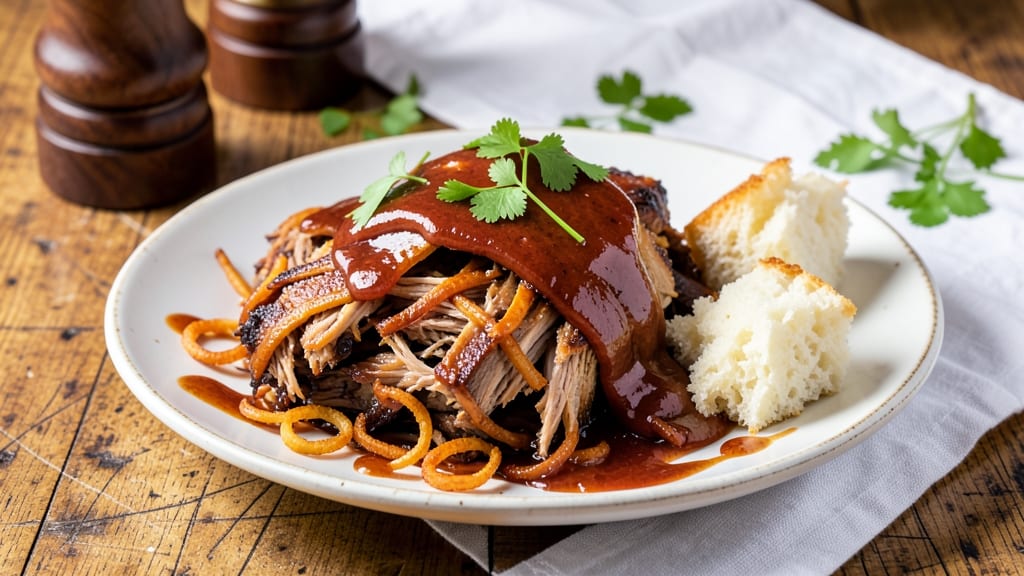
This crockpot pulled pork recipe with Dr Pepper delivers restaurant-quality sweet-spicy perfection that falls apart at the touch of a fork. I created it after years of experimenting with unconventional marinades, and the soda's caramel notes transform tough pork shoulder into melt-in-your-mouth tenderness.
The slow cooker does all the work while developing deep, complex flavors that'll have everyone asking for seconds.
The secret lies in balancing Dr Pepper's sweetness with smoky spices and a touch of heat, creating a sauce that's both bold and approachable. You'll start with a simple rub of brown sugar, paprika, and garlic powder before adding the soda as your cooking liquid.
This combination tenderizes the meat while infusing it with that signature sweet-spicy profile that makes this recipe stand out from traditional BBQ versions.
By the time you're ready to serve, you'll have perfectly shredded pork that's juicy, flavorful, and ready to be piled high on buns or served over rice. The sauce clings to every bite, delivering that perfect balance of sweet, smoky, and slightly tangy notes that make this dish irresistible.
It's the kind of meal that transforms a casual gathering into a memorable feast without requiring hours in the kitchen.
Pair with classic sides like creamy coleslaw and buttery cornbread for a complete meal that's perfect for game day, family dinners, or feeding a crowd. The leftovers reheat beautifully too, so you'll have delicious pulled pork ready for sandwiches all week long. Let's get started on this crowd-pleasing masterpiece.
Ingredients for crockpot pulled pork recipe dr pepper
Six ingredients transform tough pork into melt-in-your-mouth perfection with Dr Pepper's signature caramel sweetness.
| Ingredient | Amount | Notes |
|---|---|---|
| Pork Shoulder 🍖 | 4 lb | Bone-in for maximum flavor |
| Dr Pepper 🥤 | 1 ½ cups | Regular or zero sugar version |
| Brown Sugar 🍯 | ½ cup | Packed firmly for sweetness |
| Smoked Paprika 🌶️ | 2 tbsp | For deep smoky flavor |
| Garlic Powder 🧄 | 1 tbsp | Freshly ground preferred |
| Onion Powder 🧅 | 1 tbsp | Adds savory depth |
| Ground Black Pepper 🌶️ | 1 tsp | Freshly cracked for heat |
| Apple Cider Vinegar 🍎 | 2 tbsp | Brightens the sauce |
| Ketchup 🍅 | ½ cup | For tangy balance |
| Yellow Onion 🧅 | 1 whole | Sliced for aromatics |
| Garlic Cloves 🧄 | 4 cloves | Minced for extra punch |
| Salt 🧂 | 1 ½ tsp | Kosher or sea salt |
| Worcestershire Sauce 🍶 | 2 tbsp | For umami depth |
| Chili Powder 🔥 | 1 tsp | Adjust for heat preference |
The pork shoulder is the star—bone-in for maximum flavor and texture. Grab the largest cut you can find at Costco or your local butcher shop, as they often have better prices and quality. Look for good marbling, which means little flecks of fat throughout the meat—this keeps it juicy during cooking. If you can't find bone-in, bone-out works too, but it'll be slightly less flavorful. The Dr Pepper? Regular or zero sugar both work—just avoid diet versions with artificial sweeteners, as they can make the sauce taste off. I always buy a 2-liter bottle for this recipe, and it's perfect for making extra sauce to freeze for later.
No Dr Pepper? Coca-Cola or root beer are decent substitutes, but they won't give you that exact caramel sweetness. Running low on brown sugar? White sugar plus a pinch of molasses gets you close. The apple cider vinegar might sound odd, but it's what balances the sweetness and makes the sauce sing. Bragg or Texas Pete are my go-tos, but any good-quality vinegar works. For the spices, Penzeys or bulk bins at Whole Foods are great for freshness, but the regular grocery store stuff is fine too. Just make sure your smoked paprika isn't ancient—it should smell rich and smoky, not dusty.
This recipe reheats like a dream—honestly, it's even better the next day once the flavors meld. Store leftovers in the fridge for up to 5 days or freeze for 3 months. I like to portion mine into ziplock bags with a little extra sauce to keep it moist. For serving, just shred the pork and mix it with the sauce. The sauce thickens as it cools, so you can always add a splash of Dr Pepper or water to loosen it up. Make a double batch—you'll want leftovers for sandwiches all week.
Why You'll Love This Recipe
- Sweet-Spicy Magic: That Dr Pepper isn’t just a gimmick—it’s the secret weapon. The caramel notes from the brown sugar and the smoky kick from the paprika blend into something dangerously addictive. Honestly, I’ve caught myself licking the spoon when I taste the sauce.
- Tailgate or Tuesday: This pulls double duty whether you’re feeding a crowd at a game or just craving leftovers for lunch. Serve it on buns for sliders, pile it on sandwiches, or toss it into nachos—it’s that versatile. (Yes, even on a Tuesday night.)
- Budget Stretch: A pork shoulder costs less than half the price of pre-sliced pork, and the Dr Pepper adds depth without breaking the bank. Plus, the leftovers? They’re so good, you’ll eat them all week without getting tired of it. My wallet and my freezer thank me every time.
Step-by-step instructions for crockpot Dr Pepper pulled pork
This method guarantees tender, fall-apart pork with a rich, balanced sauce that's sweet, tangy, and just spicy enough.
Prep the Pork Shoulder for Maximum Flavor
Remove the pork shoulder from the refrigerator and let it sit at room temperature for 30 minutes. This ensures even cooking throughout. While it warms, pat the surface dry with paper towels—this helps the seasoning stick and promotes better browning later.
In a small bowl, mix together the 2 tablespoons smoked paprika, 1 tablespoon garlic powder, 1 tablespoon onion powder, 1 teaspoon ground black pepper, 1.5 teaspoons salt, and 1 teaspoon chili powder. Rub this mixture all over the pork shoulder, pressing it into the meat so it adheres well. The spices should form a visible coating—this is what creates that deep, smoky flavor we're after.
Next, slice the whole yellow onion in half and peel it. Place the onion halves cut-side down directly on the crockpot liner or insert. This creates a flavorful base for the pork as it cooks. The onion will caramelize slightly, adding sweetness to the sauce.
Layer the Sauce Ingredients Strategically
Place the seasoned pork shoulder fat-side up on top of the onion halves in the crockpot. The fat will render down during cooking, basting the meat and creating rich, flavorful drippings. Pour the 1.5 cups Dr Pepper evenly around the pork—this is the secret ingredient that tenderizes the meat and adds that perfect sweet-tangy balance.
Add the 0.5 cup brown sugar (packed firmly), 0.5 cup ketchup, 2 tablespoons apple cider vinegar, and 2 tablespoons Worcestershire sauce to the crockpot. The brown sugar will caramelize slightly, adding depth, while the vinegar and Worcestershire sauce bring tangy and umami notes that complement the sweetness.
Minced 4 cloves garlic into the sauce mixture, stirring gently to distribute. The garlic will infuse the sauce with aromatic depth as it cooks. Avoid over-stirring at this point—we want the flavors to meld gradually during the cooking process.
Cook Low and Slow for Maximum Tenderness
Cover the crockpot and cook on Low heat for 8 hours or High heat for 5-6 hours. The low and slow method is crucial here—it breaks down the connective tissue in the pork shoulder, resulting in meat that practically falls apart at the touch. Don't be tempted to rush this step; patience pays off with incredibly tender pork.
After 4 hours of cooking, check the pork with a fork or meat thermometer. You're looking for it to be fork-tender but not fully shredded yet. If it's not quite there, continue cooking for another 2-3 hours. The internal temperature should reach 200-205°F—this is when the collagen fully converts to gelatin, creating that signature pulled pork texture.
Here's the thing—don't open the lid during cooking. Every time you lift that lid, you're releasing heat and moisture, which can extend your cook time and potentially dry out the meat. Trust the process and let it cook undisturbed until you're ready to shred.
Shred and Finish the Sauce
Once the pork is fork-tender, remove it from the crockpot and transfer to a cutting board. Using two forks, shred the pork against the grain into 2-inch thick pieces. The meat should pull apart easily with minimal resistance—this is your cue that it's perfectly cooked. Reserve the cooking juices in the crockpot for now.
Return the shredded pork to the crockpot and stir gently to combine with the sauce. Let it sit for 5 minutes to absorb some of those delicious flavors. If the sauce seems too thin at this point, you can reduce it slightly by cooking on High heat for 5-10 minutes, uncovered, until it thickens to your desired consistency.
Taste and adjust the seasoning if needed. You might want to add a pinch more salt or a splash of apple cider vinegar to balance the sweetness. The sauce should be rich, slightly sticky, and perfectly balanced between sweet, tangy, and spicy notes. Serve immediately over buns with your favorite toppings like coleslaw or pickles for the ultimate pulled pork sandwich experience.
Pro Tips For Making Crockpot Pulled Pork Recipe Dr Pepper
- SEAR THE PORK FIRST: I learned this the hard way—skipping the sear makes the sauce cling like wallpaper instead of caramelizing into flavor. Hit the pork shoulder with a hot pan for 3-4 minutes per side before dumping it in the crockpot. The Maillard reaction kicks in, and that’s when the Dr Pepper stops tasting like soda and starts tasting like magic.
- USE FULL-SUGAR DR PEPPER: Diet or zero-calorie Dr Pepper? Skip it. The sugar in regular soda isn’t just for sweetness—it’s the glue that helps the sauce thicken and cling to the pork. If you’re set on cutting sugar, at least add an extra ¼ cup of brown sugar to compensate. Trust me, your pulled pork will notice the difference.
- CHECK DONENESS WITH TWO TOOLS: The crockpot’s low-and-slow method is forgiving, but don’t rely on time alone. Pull the pork when it shreds easily with two forks and the internal temp hits 203°F. I used to pull it at 195°F, and the meat was always slightly chewy—like overcooked chicken, but worse. Patience here saves you from dry, stringy pork.
- SAVE THE SODA FOR LATER: Don’t dump the entire can of Dr Pepper in at once. Start with 1 cup to deglaze the crockpot, then add the rest halfway through cooking. This keeps the sauce from turning into a thin, syrupy mess. (Yes, even if you’re lazy like me—just pour it in a measuring cup first.) The last splash at the end adds brightness without drowning the flavors.
Creative variations of these flavors
Sweet Heat Variations
Want to kick up the heat? Swap the 1 tsp chili powder for 1 tbsp cayenne pepper—trust me, it packs a punch while keeping the sweetness intact. For a smoky twist, add ½ tsp chipotle powder to the rub.
I once accidentally doubled the cayenne and still had seconds—just be warned, it's not for the faint of heart. 🌶️
Spiced Rum Twist
Replace the 1.5 cups Dr Pepper with 1 cup Dr Pepper + ½ cup spiced rum for a grown-up version. The rum caramelizes beautifully in the crockpot, adding depth without overpowering the sweetness.
Just be sure to cook on Low heat for the full 8 hours to let the alcohol fully cook off—safety first!
Asian-Inspired Fusion
Swap the Worcestershire sauce for 2 tbsp soy sauce and add 1 tbsp ginger to the rub. Use 1 cup Dr Pepper + ½ cup ginger beer for the liquid.
This fusion brings umami and zesty notes that pair surprisingly well with the caramelized sweetness. Serve on steamed buns with pickled veggies for a Boston-China twist. 🍶
Breakfast Pulled Pork
Turn this into breakfast hash by cooking the pork with 1 tsp cinnamon in the rub and adding 1 cup apple cider instead of Dr Pepper. Shred the pork and mix with scrambled eggs, diced potatoes, and crispy bacon.
The sweet-spicy notes make it perfect for brunch—just don't tell my Nonna I'm serving pork for breakfast. 🍳
Smoky Maple Version
Replace the brown sugar with ½ cup maple syrup and add ½ tsp cinnamon to the rub. Use 1 cup Dr Pepper + ½ cup apple juice for the liquid.
This version has a deeper, caramelized maple flavor that's perfect for fall gatherings. The sauce thickens beautifully, making it ideal for glazing roasted veggies on the side. 🍁
Slow-Cooker Chili Hybrid
Add 1 can (15 oz) black beans and 1 can (15 oz) diced tomatoes to the crockpot with the pork. Use 1 cup Dr Pepper + 1 cup beef broth for the liquid. Cook on Low for 6 hours, then stir in the beans and tomatoes.
Shred the pork and mix everything together for a hearty chili with tender pulled pork—great for game day or cold nights. 🏈
Nutrition facts
Frequently asked questions
Why does Dr Pepper work so well in pulled pork?
The soda's caramel sweetness tenderizes the meat while adding depth that brown sugar alone can't match. The acidity in Dr Pepper also helps break down proteins, creating that signature melt-in-your-mouth texture. Plus, it balances the smoky spices beautifully without overpowering them.
Can I use a different soda instead of Dr Pepper?
Yes! Coca-Cola or root beer work well as substitutes, though they won't give the exact caramel notes. For a non-soda option, try apple cider or even a mix of beef broth and a splash of molasses. The key is balancing sweetness with acidity—just avoid diet sodas with artificial sweeteners.
How do I know when the pork is fully cooked?
The meat should reach an internal temperature of 200-205°F and pull apart easily with two forks. If it's not quite there after 8 hours on Low, cook another 1-2 hours. Pro tip: The juices should run clear when pierced—this is your perfect cue.
What's the best way to reheat leftovers?
Store leftovers in an airtight container with some sauce, then reheat in the microwave for 2-3 minutes or on the stovetop with a splash of water until warmed through. For sandwiches, reheat in a skillet with a little butter for extra crispiness. The sauce thickens when cold, so add a splash of Dr Pepper or water to loosen it.
Can I make this in an Instant Pot instead?
Use the same ingredients but cook on High pressure for 60 minutes, then natural release for 10 minutes. The pressure cooker speeds up the process while keeping the meat tender. Just be sure to shred immediately after cooking to prevent over-tenderizing.