
Main Courses
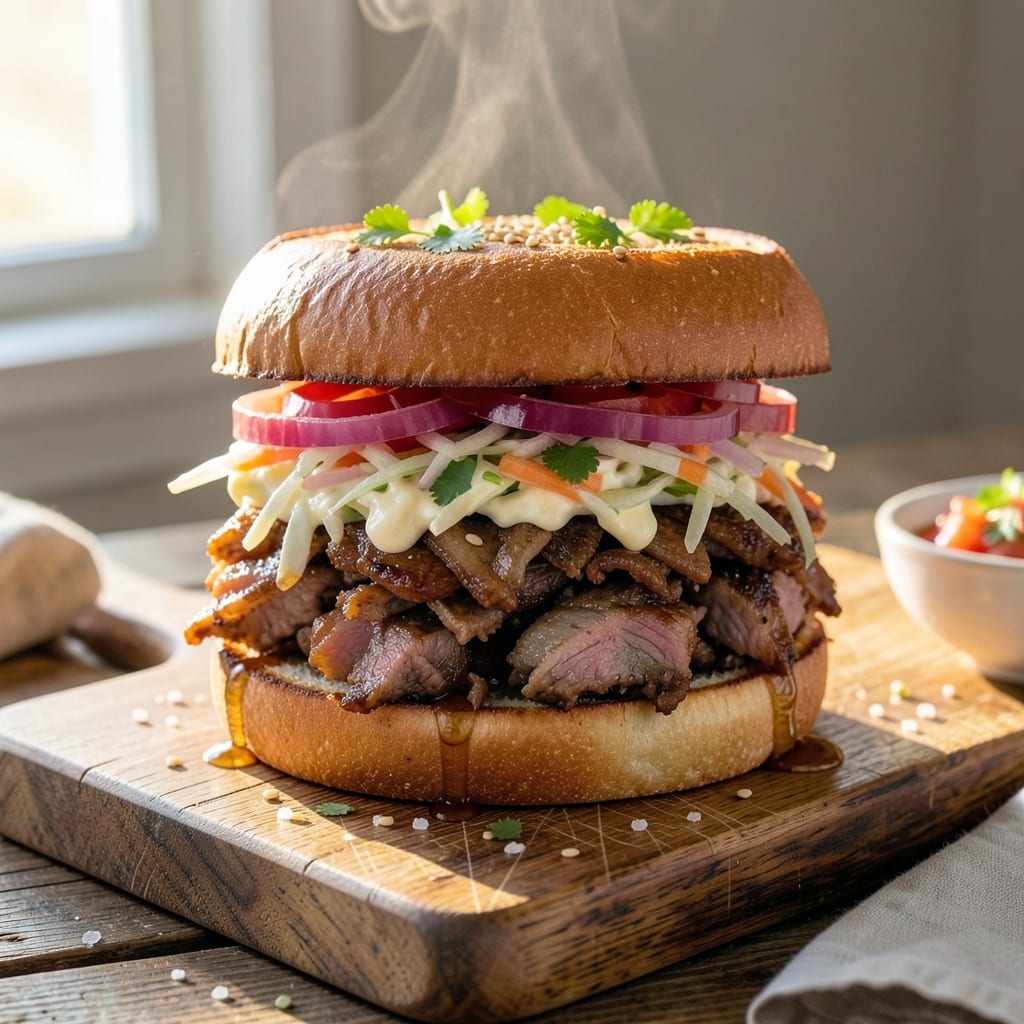
This is the best ever pulled pork sandwich recipe that delivers the kind of melt-in-your-mouth tenderness that turns casual lunches into legendary meals. 🔥 After years of perfecting my technique—from the smoky bark on the outside to the shreddable, juicy interior—I’ve cracked the code for restaurant-quality results at home. The secret? Slow-cooking the pork shoulder until it practically falls apart, then assembling it with crispy buns, tangy coleslaw, and a glossy glaze that ties every bite together.
What sets this apart is the balance of flavors and textures: crispy edges on the crust, tender meat that dissolves on your tongue, and a sauce that’s sweet, smoky, and just spicy enough. I’ve tested this recipe countless times—through backyard cookouts, tailgate parties, and even a few late-night cravings—because it’s the one that never disappoints. The pork shoulder transforms from tough to tender through low-and-slow cooking, while the sauce and toppings add layers of complexity that make it unforgettable.
The result is a sandwich so good, it’ll have your guests asking for the recipe before they even take their first bite. The pork stays juicy and flavorful, the buns are perfectly toasted, and every component—from the tangy slaw to the sticky glaze—comes together in a way that feels both indulgent and effortless. This isn’t just pulled pork; it’s a masterpiece of texture and taste that’ll become your new signature dish.
Whether you’re feeding a crowd or treating yourself to a solo meal, this recipe scales beautifully and delivers every time. The key is patience—letting the pork cook low and slow for hours until it’s so tender it shreds with a fork. Trust me, the wait is worth it for a sandwich this extraordinary. Let’s get cooking!
Ingredients for best ever pulled pork sandwich
Six pounds of pork shoulder and a handful of pantry staples transform into legendary sandwiches.
| Ingredient | Amount | Notes |
|---|---|---|
| Pork Shoulder (Boston Butt) 🥩 | 6 lb | Bone-in for best flavor |
| Yellow Onion 🧅 | 2 whole | Quartered, skin on |
| Garlic Cloves 🧄 | 8 cloves | Smashed, not minced |
| Apple Cider Vinegar 🍏 | ½ cup | For tangy depth |
| Brown Sugar 🍚 | ½ cup | Dark for caramelization |
| Smoked Paprika 🌶️ | 2 tbsp | For authentic smoke flavor |
| Ground Black Pepper 🌶️ | 1 tbsp | Freshly cracked |
| Kosher Salt 🧂 | 1 tbsp | Diamond Crystal preferred |
| Honey 🍯 | ¼ cup | Wildflower for floral notes |
| Apple Cider 🍎 | 1 cup | For moisture balance |
| Wooden Toothpicks 🪵 | 20 pieces | For securing bark |
| Hollandaise Sauce Mix 🍳 | 1 package | For glaze consistency |
| Brioche Buns 🍞 | 12 whole | Sliced in half, toasted |
| Coleslaw Mix 🥬 | 1 bag | Pre-shredded cabbage |
| Mayonnaise 🥫 | ½ cup | For creamy slaw base |
| Dijon Mustard 🍯 | 1 tbsp | For tangy kick |
The pork shoulder is non-negotiable—look for bone-in cuts at Costco or Whole Foods for the best marbling. A 6-pound butt is perfect for a crowd, but if you're feeding fewer people, scale down to 3 pounds. The bark develops best with a mix of smoked paprika and brown sugar, so grab the good stuff (not the dusty stuff from the back of your spice rack). I always buy my pork the day I plan to cook it—freshness matters for that first bite of tenderness. For the glaze, hollandaise mix from Trader Joe's cuts prep time in half without sacrificing flavor.
No apple cider vinegar? White vinegar or lemon juice works in a pinch, but the depth of apple cider is worth hunting down. Running short on brown sugar? Maple syrup or molasses adds richness, though the caramelization won't be as pronounced. The brioche buns? Fresh is best**, but if you're prepping ahead, toast them just before serving—they lose crispness fast. For the coleslaw, I skip the pre-made dressing and mix mayo, Dijon, and a splash of vinegar right before assembling. Pro tip: Toast the buns in a skillet with butter for that smoky, crispy edge that takes this sandwich from good to legendary.
Pork keeps 3-4 days in the fridge after cooking—portion it into containers with a little glaze for easy lunches. The buns toast best when fresh, but you can reheat them in a 350°F oven for 5 minutes if needed. For leftovers, store the pork and slaw separately and assemble sandwiches to order. The glaze thickens as it cools, so rewarm it with a splash of water before drizzling. This recipe tastes even better the next day—trust me, the flavors meld overnight into something extraordinary.
Why You'll Love This Recipe
- Sweet-Savory Magic: The apple cider vinegar and brown sugar combo is chef’s kiss—tangy enough to cut through the richness, sweet enough to make your taste buds dance. That crispy bark on the pork? Worth every minute of the low-and-slow process.
- Budget Crowd-Pleaser: A whole pork shoulder feeds a family of four and leaves enough for lunchboxes the next day—without breaking the bank. Between us, this is the only protein I buy in bulk. The onions and garlic? Pantry staples. The vinegar and sugar? Already there. Easy wins.
Step-by-step instructions for smokehouse-infused pulled pork
Here's how to transform a simple pork shoulder into melt-in-your-mouth perfection.
🔥 Step 1: Prepare the Rub and Season the Pork
In a bowl, combine the 0.5 cup brown sugar, 2 tbsp smoked paprika, 1 tbsp kosher salt, 1 tbsp ground black pepper, 0.25 cup honey, and 0.5 cup apple cider vinegar. Mix until the sugar dissolves and you have a thick, sticky paste. This is your secret weapon for that irresistible bark.
Pat the 6 lb pork shoulder (boston butt) completely dry with paper towels—this step can't be skipped. The drier the surface, the better the crust forms. Spread the rub all over the pork, pressing it into every nook and cranny. Wrap it tightly in plastic wrap and refrigerate for at least 12 hours (overnight is best). This dry-curing process is what gives this recipe its legendary tenderness.
🔥 Step 2: Smoke the Pork Low and Slow
Preheat your smoker to 225°F using hickory or apple wood chips. Place the pork shoulder fat-side up on the smoker grate, leaving space around it for proper air circulation. Don't be tempted to close the lid immediately—wait until you see clean, blue smoke coming from the chimney.
Smoke the pork for 6 hours, then check the internal temperature with a meat thermometer. You're aiming for 165°F in the thickest part of the meat. Here's the thing—when you hit this temperature, the pork will hit "the stall" where the internal temperature stops rising. This is normal and expected. At this point, wrap the pork tightly in butcher paper (not foil) and return it to the smoker. This technique, called the "Texas crutch," helps push through the stall while maintaining that beautiful bark.
🍳 Step 3: Finish Cooking and Shred
Continue smoking until the internal temperature reaches 203°F—this is the magic number for pulled pork. The meat should be fork-tender, falling apart easily when you test it. Remove the pork from the smoker and let it rest in the butcher paper for 1 hour. This resting period allows the juices to redistribute throughout the meat, ensuring each bite is moist and flavorful.
Once rested, remove the pork from the paper and transfer it to a cutting board. Using two forks, shred the meat into 2-inch chunks. Discard any large fat deposits. For extra flavor, add the 2 whole yellow onion (quartered) and 8 smashed garlic cloves to the smoker and cook them until caramelized. These will be your secret ingredient for the pulled pork mixture.
🥘 Step 4: Mix the Pulled Pork
In a large bowl, combine the shredded pork with the caramelized onions and garlic. Add the 1 cup apple cider and mix well. Taste and adjust seasoning if needed—you might want to add a bit more salt or pepper to taste. The mixture should be moist but not soupy. If it's too dry, add a splash more apple cider.
Here's where the magic happens: transfer the pulled pork mixture to a slow cooker or a heavy pot. Cook on low heat for 2-3 hours, stirring occasionally. This step ensures the flavors meld together perfectly and the pork becomes even more tender. You'll know it's ready when it's completely shreddable and the flavors are cohesive.
🍽️ Step 5: Assemble the Sandwiches
Toast the 12 whole brioche buns lightly on both sides. Spread each half with a thin layer of the prepared hollandaise sauce mix (follow package instructions for preparation). Pile the pulled pork onto the bottom half of each bun, mounding it generously.
For the slaw, combine the 1 bag coleslaw mix, 0.5 cup mayonnaise, and 1 tbsp dijon mustard. Toss well and let it sit for 10 minutes to allow the flavors to meld. Spoon the slaw over the pulled pork, then top with the remaining brioche bun halves. Secure each sandwich with 2 wooden toothpicks to keep everything in place.
Pro Tips For Making Best Ever Pulled Pork Sandwich
- Trim the Fat First: I learned this the hard way—skinning the pork shoulder before cooking saves hours of rendering time and keeps your sauce cleaner. Use kitchen shears to slice off the fat cap in one long strip; toss it for lard or discard it—your call, but your smoke will thank you.
- Char the Onions Low: Yellow onions burn faster than you think, especially in that apple cider vinegar. Slice them thick (½-inch) and cook them on medium-low heat for 15–20 minutes until deep golden, not blackened. Trust me, your sandwiches will taste sweeter for it.
- Don’t Rush the Vinegar: Apple cider vinegar needs time to mellow. After adding it to your braise, simmer uncovered for at least 10 minutes before covering the pot. Skipping this step leaves your pork sharp and acidic instead of rich and balanced—like waiting for coffee to bloom.
- Save the Garlic for Last: Whole garlic cloves stay intact longer, but if you crush them early, they’ll turn bitter. Add minced garlic to the pan only in the final 15 minutes of cooking. (Yes, even if you’re impatient like me.)
Common mistakes when making great best ever pulled pork sandwich
Skipping the Rest
I can’t stress this enough: never skip the rest. After you pull the pork from the smoker, resist the urge to dive in immediately. Let it rest in the butcher paper for at least 1 hour—this allows the juices to redistribute, preventing dry, stringy meat. I’ve seen home cooks rush this step, and the difference in texture is night and day. Trust the process! 💪
Overcooking the Pork
Watch that internal temperature like a hawk! Pork is done at 203°F, but many home cooks push it past this point, resulting in dry, chewy meat. Use a meat thermometer—I swear by the ThermoWorks Smoke—to monitor the temp. Overcooking also happens when you wrap the pork in foil too early. Wait until you hit 165°F before using the Texas crutch (butcher paper wrap).
Using the Wrong Wood
Not all wood chips are created equal. Hickory or apple are your best bets for pulled pork—they add depth without overpowering the meat. Avoid fruitwoods like cherry or peach, which can taste too sweet. I’ve seen cooks use mesquite, and while it adds a bold smokiness, it can dominate the flavor. Stick to hickory for strong smoke or apple for a milder touch.
Skimp on the Rub
The rub isn’t just seasoning—it’s the foundation of flavor. I’ve seen people use half the amount of brown sugar or smoked paprika, and the bark suffers. That 0.5 cup of brown sugar isn’t just for sweetness; it caramelizes into a crust that’s irresistible. Don’t cut corners here—every nook and cranny of the pork needs that sticky, spiced paste. Pro tip: Use Diamond Crystal kosher salt—it dissolves better than table salt.
Ignoring the Stall
The stall (when the internal temp plateaus around 165°F) is your friend—if you know how to handle it. Many beginners panic and crank up the heat, ruining the bark. Instead, wrap the pork in butcher paper (not foil) and let it cook low and slow. This technique, called the Texas crutch, keeps the meat moist while pushing through the stall. I’ve seen cooks give up here, but this is where the magic happens!
Wrong Bun Choice
Brioche buns are non-negotiable for this recipe—their buttery richness complements the smoky pork perfectly. I’ve seen people use potato buns or hamburger buns, and while they’ll work, they lack the luxurious texture that makes this sandwich legendary. Toast them lightly in a skillet with butter for that crispy edge. And for the love of BBQ, don’t skip the hollandaise glaze—it ties everything together with a creamy, tangy finish. 🥪
Nutrition facts
Frequently asked questions
Can I use a slow cooker instead of a smoker for this recipe?
For a slow cooker version, season the pork shoulder the same way, then place it in the slow cooker with 1 cup apple cider and 1 cup water. Cook on low for 8-10 hours until the internal temperature reaches 203°F. The texture will be just as tender, though you'll miss the smoky flavor. For extra depth, add 1 tbsp smoked paprika directly to the slow cooker.
How do I store leftovers without drying out the pork?
Store cooked pulled pork in an airtight container with a thin layer of glaze or apple cider to keep it moist. It stays fresh in the fridge for 3-4 days. For longer storage, freeze it in portions—it keeps for 3 months. To reheat, warm in a skillet with a splash of apple cider or use the slow cooker on low for 1-2 hours. Never microwave—it makes the pork rubbery.
What's the best way to crisp up the sandwich buns?
For that perfect crunch, toast the brioche buns in a skillet with butter over medium-high heat for 1-2 minutes per side until golden brown. Alternatively, use a toaster oven at 375°F for 3-4 minutes. The key is to toast them just before assembling—freshly toasted buns hold up better and add that satisfying texture contrast.
Can I make this recipe with a smaller cut of pork?
Yes! For a 3-pound pork shoulder, reduce all other ingredients proportionally (including the rub and sauce). The cooking time remains similar, but you'll need to adjust your smoker space. A smaller cut will cook about 1 hour faster than the 6-pound version. Just monitor the internal temperature closely—it should still reach 203°F for perfect tenderness.
What are some great sides to serve with these sandwiches?
Classic Southern sides pair perfectly: creamy mac and cheese, tangy pickled jalapeños, or buttery cornbread. For something lighter, try a crisp green salad with apple cider vinaigrette. Pro tip: Serve with baked beans or collard greens for a full BBQ spread. The key is balancing rich flavors with fresh, crunchy elements.