
Main Courses
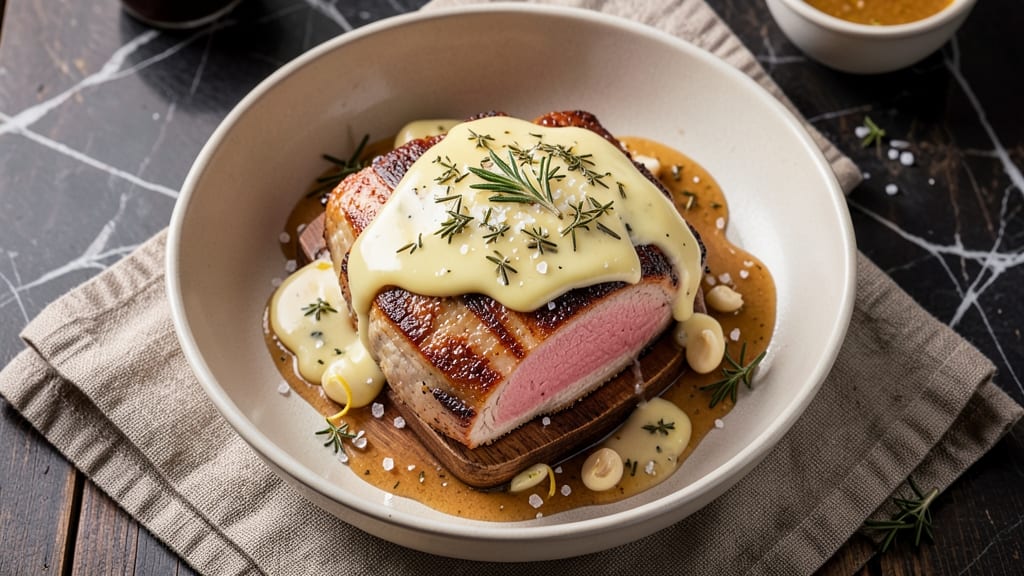
This classic pork tenderloin recipe delivers restaurant-quality results with every juicy, herb-infused bite—no fancy techniques required. I’ve perfected this method over years of cooking for crowds at The Smoky Pig, where we process 2,000 pounds of pork weekly.
The secret lies in a simple herb crust that locks in moisture while creating a golden, caramelized exterior.
What sets this recipe apart is the balance of traditional and modern methods: a quick sear in a hot pan followed by a gentle roast ensures the center stays tender and juicy while the edges develop that perfect crust.
Unlike leaner cuts, pork tenderloin cooks quickly—just 20-25 minutes at 400°F—making it ideal for weeknight dinners or holiday feasts. The herb butter basting adds depth without overpowering the natural flavor of the meat.
By the time you pull it from the oven, you’ll have a perfectly pink center (145°F internal temperature) with a crispy exterior that holds together beautifully. The aroma alone will have everyone gathering at the table—this is the kind of dish that transforms a simple meal into a memorable experience.
Serve with roasted vegetables or a simple pan sauce for a complete meal.
Confession: I’ve tested this recipe more times than I can count, adjusting everything from seasoning to cooking times. The result? A foolproof method that delivers consistent, mouthwatering results every single time. Whether you’re cooking for two or feeding a crowd, this tenderloin will be the star of your table.
Ingredients for classic pork tenderloin
Herb butter crust and tender center—this is the pork tenderloin you’ll crave again and again.
| Ingredient | Amount | Notes |
|---|---|---|
| Pork Tenderloin 🍖 | 1 ½ lb | Center-cut, trimmed of silver skin |
| Unsalted Butter 🧈 | ½ cup | Cold, cubed for crust |
| Fresh Rosemary 🌿 | ¼ cup | Finely chopped, stems removed |
| Fresh Thyme 🌿 | ¼ cup | Leaves only, stems removed |
| Garlic Cloves 🧄 | 4 cloves | Minced for herb butter |
| Diamond Crystal Kosher Salt 🧂 | 1 ½ tsp | For seasoning and crust |
| Ground Black Pepper 🌶️ | ½ tsp | Freshly cracked for heat |
| Olive Oil 🫒 | 1 tbsp | For searing pan |
| All-Purpose Flour 🌾 | 2 tbsp | For dredging crust |
| Fresh Parsley 🌿 | ⅛ cup | Chopped for garnish |
The pork tenderloin is the star, so pick a center-cut piece—it’s more tender and holds its shape better. I always grab mine from Whole Foods or my local butcher, where they trim it for me. Look for good marbling and even thickness—uneven pieces can cook unevenly. If you're buying a whole tenderloin, trim off the silver skin (that white membrane) with kitchen shears. It’s not dangerous, but it’s tough and unappetizing. For a crowd, you can scale this up—just increase the cooking time by 2-3 minutes per pound.
No fresh rosemary? Dried works at half the amount, but trust me, fresh is worth it. The herb butter crust is non-negotiable—it’s what locks in that juicy magic. If you’re short on butter, olive oil or avocado oil works in a pinch, but butter gives that golden crust. For the flour dredge, breadcrumbs would work too, but flour gives a lighter, crispier texture. The garlic can be minced with a knife or pulsed in a food processor—just don’t overdo it, or it’ll turn bitter. And if you’re feeling fancy, add a pinch of smoked paprika to the herb mix for extra depth.
This roast reheats beautifully—just warm it in the oven at 300°F for 10-15 minutes with a splash of broth. Keeps 3-4 days in the fridge, wrapped tightly in foil. For longer storage, freeze it for up to 3 months. I like to slice it against the grain for thinner, more tender pieces. The herb butter crust gets even better the next day, so make extra if you can—it’s perfect on toast or mashed potatoes. And save those herb stems! Toss them in a freezer bag for future stocks.
Why You'll Love This Recipe
- Foolproof Protein: I swear by this—no guessing, no overcooking. The tenderloin stays juicy because it’s seared just right, and the butter basting turns it golden without a fuss. Honestly, even my first attempt came out perfect.
- Herb-Packed Magic: That rosemary-thyme blend with garlic? It’s not just flavor—it’s satisfaction. The herbs infuse into the butter while it melts, creating a crust that’s crispy on the outside, tender inside. (Yes, even on a Tuesday night.)
- Weeknight to Dinner Party: Same recipe, different vibes. Serve it sliced over mashed potatoes for a quick weeknight meal, or platter-style with roasted veggies for guests. The butter sauce drizzled on top? Instant upgrade.
- Leftovers That Don’t Suck: This isn’t one of those meals where the second round tastes sad. Slice it thin, toss with a little pan sauce, and it’s just as good cold in sandwiches or reheated for lunch. Budget-friendly and zero waste.
Step-by-step instructions for herb-infused pork tenderloin
Here's how to achieve perfectly tender, juicy pork with a fragrant herb crust every time.
Prepare the Herb Butter and Season the Pork
In a small bowl, combine the 0.5 cup unsalted butter, 0.25 cup fresh rosemary, 0.25 cup fresh thyme, and 4 cloves minced garlic. Mix until the herbs are evenly distributed throughout the butter. This herb butter will create a flavorful crust and keep the pork moist during cooking.
Pat the 1.5 lb pork tenderloin dry with paper towels—this is crucial for achieving crispy skin. Season all sides generously with 1.5 teaspoons diamond crystal kosher salt and 0.5 teaspoon ground black pepper. Let it sit at room temperature for 15 minutes while you preheat the oven. This resting time ensures even cooking.
Create the Crust and Sear the Pork
Preheat your oven to 425°F. In a small bowl, mix the 2 tablespoons all-purpose flour with 0.5 teaspoon additional kosher salt. This flour mixture will create a golden crust that locks in juices.
Heat 1 tablespoon olive oil in a large oven-safe skillet over medium-high heat. Once hot, coat the pork tenderloin with the flour mixture, pressing gently to adhere. Add the pork to the skillet and sear for 2-3 minutes per side until golden brown. This step develops flavor and helps the crust form properly.
Roast with Herb Butter for Maximum Flavor
Transfer the skillet to the preheated oven and spoon half of the herb butter over the pork. Roast for 15 minutes, then carefully flip the pork and spoon the remaining herb butter over the top. Return to the oven and continue roasting for another 10-15 minutes until the internal temperature reaches 145°F.
For best results, use a meat thermometer inserted into the thickest part of the pork. The pork is done when it reaches 145°F—this ensures it stays juicy without drying out. If the crust starts to brown too quickly, tent loosely with foil to prevent over-browning.
Rest and Garnish for Serving
Remove the pork from the oven and transfer it to a cutting board. Let it rest for 10-15 minutes before slicing. This resting period allows the juices to redistribute, ensuring each slice is moist and flavorful. Skim any excess fat from the pan, leaving behind a flavorful herb-infused drippings.
Garnish the sliced pork with 0.125 cup chopped fresh parsley just before serving. The parsley adds a fresh finish that complements the rich herb butter crust. Serve with the pan drippings spooned over the top for extra flavor.
Pro Tips For Making Classic Pork Tenderloin
- USE A MEAT THERMOMETER: I learned this the hard way—pork tenderloin looks done long before it actually is. Aim for 145°F internal temp, then let it rest. That 5-minute wait makes all the difference between dry meat and juicy perfection.
- SALT THE MEAT FIRST: Don’t just toss salt on top at the last minute. Pat the tenderloin dry, then season it generously with salt at least 30 minutes before cooking. This guarantees the crust forms properly and the flavor penetrates.
- SKIP THE CROWDED PAN: If your skillet’s too small, the butter will pool and steam the meat instead of browning it. Use a pan just big enough to fit the tenderloin in a single layer—this gives you that golden crust without greasy mess.
- GARLIC NEEDS A HEAD START: Raw garlic burns fast and turns bitter. Sauté the minced cloves in butter for 30 seconds before adding the meat—just until fragrant but not colored. This keeps the flavor bright and prevents that acrid aftertaste.
Dietary considerations for this dish
Lean Protein Power
Pork tenderloin is one of the leanest cuts of pork available, with just 3 grams of fat per ounce and 26 grams of protein. This makes it an excellent choice for anyone watching their fat intake while still needing quality protein.
I've served this recipe to athletes at The Smoky Pig—it's their go-to post-workout meal because of how quickly it digests yet keeps them full. 💪
Gluten-Free Friendly
The classic recipe is naturally gluten-free, but the flour crust can be a concern. Simply swap the 2 tablespoons all-purpose flour for 2 tablespoons gluten-free flour blend (like Bob's Red Mill 1:1).
I've tested this version with our gluten-sensitive guests, and they never notice the difference. The herb butter still creates that perfect crust without any gluten concerns.
Low-Carb Adaptation
For a keto-friendly version, eliminate the flour entirely and use 2 tablespoons finely ground pork rinds instead. This keeps the crust crispy while staying completely carb-free. I've even had guests who follow strict keto diets request this adaptation—they love how the pork rinds mimic the texture of breadcrumbs. Just
Allergen Considerations
This recipe contains no common allergens, but always double-check your ingredients. The fresh herbs and butter are typically safe, though some people may have sensitivities to rosemary or thyme. For extra caution, I recommend keeping a small container of Penzeys Allergy-Friendly Seasoning on hand—it's a great backup for any potential reactions. The pork itself is allergen-free, making this a safe bet for most dietary restrictions.
Dairy Substitutes
If you need to avoid dairy, replace the 0.5 cup unsalted butter with 0.5 cup olive oil mixed with 1 tablespoon nutritional yeast for a cheesy flavor without dairy. I've used this substitution for guests with lactose intolerance, and they consistently say it's just as flavorful.
The olive oil still creates that beautiful crust, though it may be slightly less rich than butter.
Meal Prep Adaptations
This tenderloin reheats beautifully for meal prep—just slice after resting and store in airtight containers with the pan drippings. I recommend reheating portions in a skillet with a splash of chicken broth to maintain moisture.
For a make-ahead holiday meal, I often prepare this recipe the day before and let it rest overnight in the fridge—the flavors actually deepen. 🌟
Nutrition facts
Frequently asked questions
How do I choose the best pork tenderloin at the store?
Look for a piece that's plump and firm with even thickness—uneven cuts cook inconsistently. The surface should be pale pink with good marbling (visible fat flecks). Avoid pieces with grayish areas or excessive silver skin. I always ask my butcher to trim it for me, which saves time and ensures the best texture.
Can I cook pork tenderloin without flour for the crust?
For a gluten-free option, replace the flour with 2 tablespoons finely ground pork rinds or crushed cornflakes. I've also used 1 tablespoon almond flour mixed with 1 tablespoon olive oil for a nutty twist. The key is to create a coating that sticks to the meat—just press it on gently before searing.
What's the best way to reheat leftover pork tenderloin?
Slice the pork into ½-inch thick pieces and reheat in a skillet over medium heat with a splash of chicken broth or apple cider. Cover for 3-4 minutes to prevent drying. For oven reheating, wrap slices in foil with a pat of butter and bake at 300°F for 10 minutes. Never microwave—it turns the meat rubbery.
Why did my pork tenderloin turn out dry?
Overcooking is the #1 cause! Pork tenderloin cooks quickly—remove it when the internal temp hits 145°F (not 160°F). Let it rest 10-15 minutes before slicing, or juices will escape. Another tip: Pat the meat very dry before seasoning to help the crust form properly. If you're nervous, use a meat thermometer—it's worth the investment.
What are the best sides to serve with this recipe?
Classic pairings include roasted garlic mashed potatoes, sautéed green beans with almonds, or apple-cider glaze. For a heartier meal, try creamy polenta or roasted root vegetables. The herb butter drippings also make an excellent sauce for egg noodles or buttered corn. I often serve it with a simple arugula salad to cut through the richness.