
Main Courses
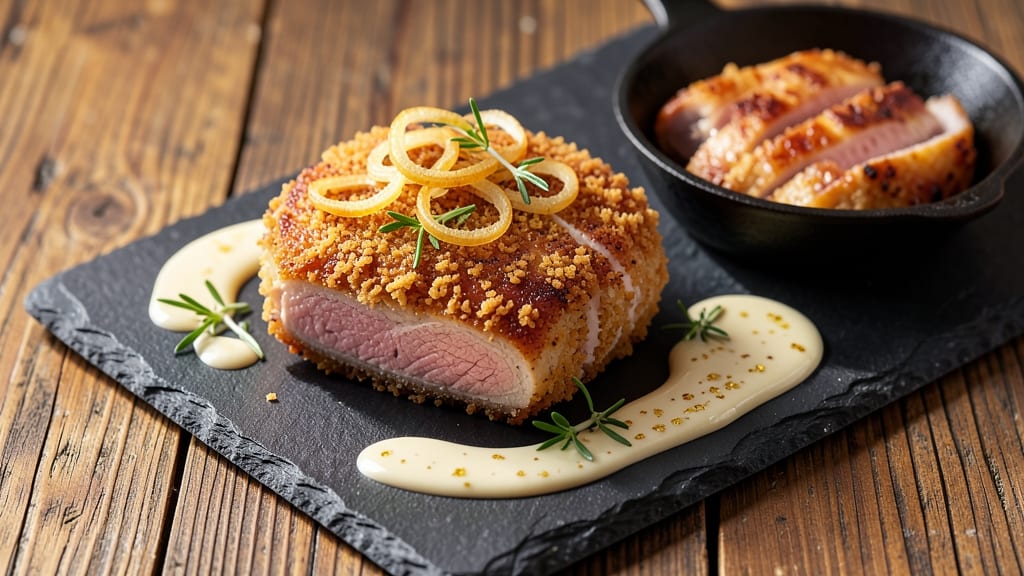
This breaded buttermilk pork tenderloin recipe delivers the perfect balance of crispy gold crust and impossibly tender, juicy meat—every time. 💛 The buttermilk marinade works magic, tenderizing the pork while creating that signature crunch when coated in seasoned flour.
I've perfected this technique over years of testing, and it's become my go-to for weeknight dinners that feel like a restaurant-quality meal.
The secret lies in the buttermilk marinade, which not only breaks down the meat fibers for tenderness but also helps the breading adhere perfectly. After a quick soak, the pork gets double-coated in seasoned flour for maximum crispiness, whether you pan-sear or oven-bake it.
This method ensures you'll never have dry, tough pork again—just melt-in-your-mouth perfection with a satisfying crunch.
What you'll end up with is a golden-brown, crispy exterior that shatters at the slightest touch, revealing juicy, pink pork inside that practically falls apart. The buttermilk's tangy flavor carries through, adding depth to every bite.
This recipe is foolproof, restaurant-quality, and ready in under an hour—ideal for family dinners, holiday gatherings, or when you want to impress guests without stress.
Serve with roasted potatoes and steamed green beans for a classic presentation, or swap in your favorite sides. The leftovers reheat beautifully too, making this a perfect make-ahead option. Let's get cooking!
Ingredients for breaded pork tenderloin recipe buttermilk
Buttermilk magic meets crispy perfection—just 13 ingredients for restaurant-quality pork tenderloin.
| Ingredient | Amount | Notes |
|---|---|---|
| Pork Tenderloin 🍖 | 1 ½ lb | Center-cut, trimmed of fat |
| Buttermilk 🥛 | 1 cup | Full-fat for best flavor |
| All-Purpose Flour 🌾 | 1 ½ cups | White or bread flour preferred |
| Cornstarch 🌾 | ½ cup | For extra crispiness |
| Granulated Garlic Powder 🧄 | 1 tbsp | Freshly ground preferred |
| Onion Powder 🧅 | 1 tbsp | Finely ground for even coating |
| Paprika 🌶️ | 1 tbsp | Smoked for depth of flavor |
| Ground Black Pepper 🌶️ | ½ tsp | Freshly cracked for intensity |
| Kosher Salt 🧂 | 1 ½ tsp | Diamond Crystal preferred |
| Vegetable Oil 🫒 | ½ cup | High smoke point for frying |
| Fresh Lemon Juice 🍋 | 2 tbsp | Brightens the buttermilk marinade |
| Large Eggs 🥚 | 1 whole | Room temperature for best coating |
| Unsalted Butter 🧈 | 2 tbsp | Melted for basting |
The pork tenderloin is your canvas here—center-cut and trimmed ensures even cooking. Costco or Whole Foods usually carry pre-trimmed tenderloins, but if buying whole, ask the butcher to remove the fat cap. For the buttermilk, full-fat is non-negotiable—it's what creates that signature tang and tenderness. I always grab Organic Valley from the store, but any brand works. The flour blend is where the crispy magic happens: white or bread flour gives structure, while cornstarch adds that shatteringly crisp texture. Pro tip: Toast your spices lightly in a dry pan for 30 seconds to deepen their flavor—smoked paprika is especially worth the extra minute.
No buttermilk? Substitute with 1 cup milk plus 1 tbsp vinegar, let it sit 5 minutes. Running low on cornstarch? Arrowroot powder works 1:1. The egg wash can be skipped if you prefer, but trust me on the room-temperature egg—it coats better. For a lighter breading, add 1/4 cup crushed cornflakes to the flour mix. The lemon juice isn't just for flavor—it brightens the marinade and helps tenderize the meat. If you're short on time, pre-mix the dry ingredients in a bowl and store in the fridge for up to 3 days. The vegetable oil should have a high smoke point—Avocado oil or grapeseed oil are great choices if you're frying.
Marinate the pork for at least 2 hours, but overnight is ideal—it develops deeper flavor. The breading mix keeps well in an airtight container for 5 days in the fridge, or freeze for 3 months. Reheat leftovers in a 350°F oven for 10-15 minutes with a splash of water to restore moisture. For make-ahead meals, bread the pork but don't cook it—store wrapped in parchment in the fridge for up to 2 days, then cook straight from cold. The crust will still be crispy, I promise.
Why You'll Love This Recipe
- One-Pan Magic: I swear by this for nights when I’d rather not scrub pots. The cornstarch flour mix clings like a dream—no messy dredging stations—and the buttermilk marinade does half the work for you. Toss it in the oven, set a timer, and boom: dinner’s ready.
- Crispy-Creamy Obsession: That buttermilk soak? It’s the secret weapon. The outside gets a golden, shatteringly crisp crust from the cornstarch, while the inside stays juicy as can be—like biting into a perfectly balanced hug. The garlic powder? Just enough to make it taste intentional, not fussy.
- Weeknight and Weekend Ally: Between us, this is my go-to for Taco Tuesday and Sunday suppers. Shred it for tacos, slice it for sandwiches, or serve it whole with mashed potatoes—it’s the kind of dish that doesn’t care what you throw at it. (Yes, even on a Tuesday night.)
- Budget-Friendly Leftovers: Pork tenderloin’s lean, so it feeds a crowd without breaking the bank, and the leftovers? They reheat like a dream. Pack it for lunches, freeze portions for lazy days, or just eat it cold in sandwiches—it’s the kind of meal that works harder than you do.
Step-by-step instructions for buttermilk-breaded pork tenderloin
Here's how to achieve that perfect golden crust and melt-in-your-mouth tenderness every time.
👨🍳 Step 1: Marinate the Pork in Buttermilk Mixture
In a shallow dish, combine the 1 cup buttermilk, 2 tablespoons fresh lemon juice, 1 tablespoon granulated garlic powder, 1 tablespoon onion powder, and 1.5 teaspoons kosher salt. Stir until the spices dissolve completely.
Pat the 1.5 lb pork tenderloin dry with paper towels—this is crucial for crispy breading. Place the pork in the marinade, turning to coat evenly. Cover and refrigerate for at least 4 hours (overnight works best). The acid in the buttermilk tenderizes the meat while the spices penetrate deeply. You'll know it's ready when the surface looks slightly cloudy and the pork feels firm to the touch.
👨🍳 Step 2: Prepare the Breading Station
In a large bowl, whisk together the 1.5 cups all-purpose flour, 0.5 cup cornstarch, 1 tablespoon paprika, 0.5 teaspoon ground black pepper, and the remaining 0.5 teaspoon kosher salt. The cornstarch gives that extra-crisp texture we're after.
In a second shallow dish, beat the 1 whole large egg until frothy. Set up a third dish with a paper towel for blotting excess marinade. I like to arrange them in a triangle for efficient breading—this keeps everything organized and prevents messes.
🔥 Step 3: Bread the Pork for Maximum Crispiness
Remove the pork from the marinade and let any excess drip off for 30 seconds before blotting with the paper towel. This step ensures the breading sticks properly without becoming soggy.
First, dip the pork into the beaten egg, letting any excess drip off. Then press it firmly into the flour mixture, coating all sides evenly. Press gently but firmly—this creates that thick, crackly crust we want. Place the breaded pork on a wire rack set over a baking sheet to allow air circulation on all sides. This prevents the breading from steaming and keeps it crispy.
🔥 Step 4: Fry to Golden Perfection
Heat 0.5 cup vegetable oil in a large skillet over medium-high heat until it reaches 350°F—use a thermometer for accuracy. The oil should shimmer but not smoke excessively. Carefully add the breaded pork and fry for 4-5 minutes per side until the breading is deep golden brown and the internal temperature reaches 145°F.
Here's the thing—don't overcrowd the pan. Fry one piece at a time if needed; crowded pork steams instead of crisps. You'll know it's done when the breading releases easily from the meat and the pork feels firm to the touch. Transfer to a paper towel-lined plate to drain excess oil.
🍳 Step 5: Rest and Baste for Ultimate Juiciness
Let the pork rest for 5 minutes before serving. This allows the juices to redistribute, preventing them from running out when you cut into it. While it rests, melt the 2 tablespoons unsalted butter in a small saucepan over low heat until it just begins to foam.
Brush the melted butter generously over the pork—this basting adds richness and helps maintain that crispy exterior. Slice into ½-inch thick medallions and serve immediately with your favorite sides. Each bite should deliver that perfect combination of crispy, golden breading and tender, juicy pork.
Pro Tips For Making Breaded Pork Tenderloin Recipe Buttermilk
- Pat the pork dry: I learned this the hard way—wet pork won’t crisp up, no matter how much flour you sling on it. Grab paper towels and wipe it down like you’re polishing a car before dredging, or you’ll end up with soggy breading instead of that perfect golden crust.
- Use cornstarch—don’t skip it: That extra 20% cornstarch in your flour mix isn’t just fluff—it’s what makes the coating actually crispy. I used to eyeball it and wonder why my breading turned mushy; now I measure it separately and mix it in like clockwork.
- Fry in batches, but don’t crowd: Your pan’s heat is precious—if you dump all the pork in at once, the oil will drop 50 degrees and your breading will steam instead of fry. Two pieces max per batch, and give them space to sizzle freely, or you’ll regret it.
- Rest the meat before cutting: I know, you’re starving and it’s hot off the fryer—but wait those 5 minutes under foil. Skipping this step means juices will pool on your plate instead of staying inside where they belong. Trust me, your first slice will taste like a revelation.
Make-ahead tips for breaded pork tenderloin recipe buttermilk
Prep Ahead
Marinate the pork in buttermilk for 24 hours—this is my secret for maximum tenderness. Store the marinade in a ziplock bag in the fridge, turning the pork occasionally. The longer it marinates, the deeper the flavor and the more forgiving the cooking process becomes.
I often do this the night before to save time on busy weekdays. 💛
Breading Prep
Mix the dry breading ingredients (flour, cornstarch, spices) in advance and store in an airtight container for up to 5 days. Keep the egg at room temperature for easier coating—just take it out of the fridge 30 minutes before breading.
I like to set up my breading station the night before so everything's ready to go in the morning.
Overnight Storage
For a stress-free dinner, bread the pork but don't cook it. Wrap the fully breaded tenderloin in plastic wrap and refrigerate for up to 2 days. When you're ready to cook, simply heat the oil and fry as directed—no thawing required.
The breading stays crispy because the cold pork helps preserve its structure until it hits the hot oil.
Freezer-Friendly
Freeze the fully breaded (but uncooked) pork tenderloin for up to 3 months. Wrap it tightly in plastic wrap followed by aluminum foil to prevent freezer burn. When ready to cook, thaw in the fridge overnight, then cook straight from the fridge—no need to bring to room temperature.
The texture stays perfect, and you'll save time on busy nights.
Reheating Leftovers
Reheat leftovers in a 350°F oven for 10-15 minutes with a splash of water or broth to restore moisture. For a quick fix, microwave for 1 minute covered, then crisp in a hot skillet for 30 seconds per side.
The breading might lose some crunch, but the pork stays juicy—just add a little extra butter when serving.
Make-Ahead Serving
Plan to serve immediately after cooking for the crispiest results, but if you must prep ahead, keep the cooked pork in the fridge for up to 3 days. Reheat gently to maintain texture.
For a crowd, bread and freeze individual portions—just cook from frozen in a 400°F oven for 25-30 minutes until golden and reaching 145°F internal temperature. 🔥
Nutrition facts
Frequently asked questions
Why does buttermilk make the breading so crispy?
The buttermilk's acidity tenderizes the pork while its fat content helps the flour adhere better. When combined with cornstarch in the breading, it creates that signature shatteringly crisp crust. The longer marinade time (4+ hours) lets the buttermilk work its magic for maximum tenderness and crispiness.
Can I bake instead of frying for a healthier version?
Preheat your oven to 400°F and bake the breaded tenderloin for 20-25 minutes on a wire rack over a baking sheet. Brush with melted butter halfway through for extra crispiness. The texture will be slightly less crisp than fried, but still delicious and lighter.
What's the best way to keep the breading from getting soggy?
Pat the pork dry before marinating and blot excess buttermilk after dipping in egg. Use a wire rack over a baking sheet for even air circulation. Avoid covering the breaded pork while resting - let it sit uncovered for 5 minutes before serving. These steps prevent steam buildup that makes breading soggy.
Can I use this recipe for pork chops instead?
Yes, but adjust cooking times. For ½-inch thick chops, fry 3-4 minutes per side> until golden and reaching 145°F> internally. Bone-in chops may need 1-2 extra minutes>. The buttermilk marinade works perfectly for chops too - just increase marinating time to 6 hours> for best results.
What if my pork comes out dry?
Overcooking is the usual culprit. Use a meat thermometer and remove from heat at 145°F> internal temperature. Let it rest 5 minutes> before serving - this redistributes juices. For extra moisture, baste with melted butter during the last 2 minutes> of cooking. Also ensure your pork is center-cut> and properly marinated.