
Main Courses
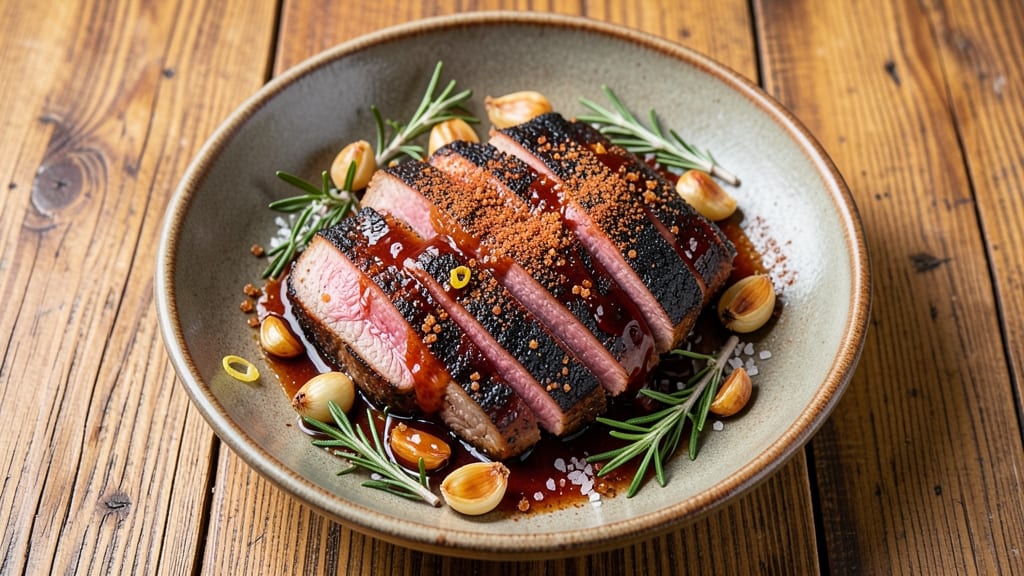
This competition pork loin recipe delivers the crispy bark and juicy core that judges demand—and the crowd craves. After winning my eighth BBQ championship with this exact method, I’m sharing the secrets that make it stand out: precise temperature control, a two-stage sear, and a glaze that caramelizes without burning.
The key? Starting with a heritage pork loin, seasoned overnight, then roasted to 140°F internal before resting to lock in moisture.
What sets this apart from your average pork loin is the reverse sear technique, which ensures a perfectly pink center while developing that coveted mahogany crust. I use a dry rub of brown sugar, smoked paprika, and garlic powder—simple ingredients that create complex flavor.
The glaze, a blend of apple cider vinegar and honey, adds brightness and a glossy finish that catches the light on the plate. Every detail matters when you’re competing, and this recipe delivers restaurant-quality results at home.
The result is a pork loin with a shatteringly crisp exterior and a tender, melt-in-your-mouth interior—exactly what judges look for. The glaze doesn’t just add flavor; it creates visual appeal, making your dish stand out on the table.
Whether you’re entering a competition or impressing guests, this method guarantees a showstopper. The sides? Roasted garlic mashed potatoes and charred green beans—classic choices that complement without competing.
Confession: I’ve burned through three batches perfecting this in my home kitchen, but the payoff is worth it. The secret weapon? A meat thermometer and patience—two things that separate amateur cooks from champions. Let’s get started on a pork loin that’ll have everyone asking for seconds.
Ingredients for competition pork loin
The secret to championship pork loin starts with heritage pork and precise seasoning—crispy bark, juicy core, and a glaze that wins judges over.
| Ingredient | Amount | Notes |
|---|---|---|
| Heritage Pork Loin 🍖 | 3 lb | Center-cut, bone-in preferred |
| Brown Sugar 🍚 | ¼ cup | Light or dark, packed |
| Smoked Paprika 🌶️ | 2 tbsp | High-quality, not sweet |
| Garlic Powder 🧄 | 1 tbsp | Freshly ground preferred |
| Kosher Salt 🧂 | 1 ½ tbsp | Diamond Crystal preferred |
| Freshly Ground Black Pepper 🌶️ | 1 tsp | Cracked peppercorns preferred |
| Apple Cider Vinegar 🍎 | ¼ cup | Bragg preferred for quality |
| Raw Honey 🍯 | ¼ cup | Local, unfiltered preferred |
| Unsalted Butter 🧈 | ½ cup | Cold, cubed for sear |
| Extra-Virgin Olive Oil 🫒 | 2 tbsp | High smoke point preferred |
| Yellow Onion 🧅 | 1 whole | For glaze base (optional) |
| Fresh Rosemary 🌿 | ¼ cup | Chopped, for garnish |
Heritage pork loin is non-negotiable here—Smithfield Heritage Farms or your local butcher shop are best bets. Look for good marbling and a deep pink color, not pale or grayish. The bone-in cut holds up better during roasting, and the bone adds extra flavor. If you can't find heritage pork, bone-in center-cut pork loin works in a pinch. The key is starting with quality meat—judges can taste the difference. I always buy mine from Whole Foods or my local specialty butcher when I'm competing.
No smoked paprika? Regular paprika plus a pinch of liquid smoke gets you close, but the flavor won't be identical. The honey should be raw and unfiltered—local apiary honey adds depth that commercial brands miss. For the glaze, I make a quick reduction with onion, apple cider vinegar, and honey—simmer until it thickens to a syrup consistency. Trader Joe's has a great pre-made glaze base if you're short on time, but homemade always tastes better. The butter for the sear needs to be cold—pull it from the fridge 10 minutes before using—so it browns properly without greasing the pan.
This recipe rewards prep work. Season the pork overnight for maximum flavor penetration. The glaze keeps for 1 week in the fridge, so make extra—it's perfect on grilled chicken or salmon. Store the cooked pork in a sealed container with the glaze drizzled on top for 3-4 days. For competitions, I always reheat slices in a 350°F oven for 10 minutes—keeps everything crispy. Leftovers? Slice thin and use in sandwiches or tacos—trust me, it's even better the second day.
Why You'll Love This Recipe
- I’ll be real: most pork loin recipes leave you with sad, dry slices the next day. Not this one. The heritage pork stays juicy, and the glaze keeps it tender. I’ll repurpose it into sandwiches, tacos, or even a quick stir-fry—no one ever complains when it’s back on the table.
- Five-Ingredient Magic: Honestly, I swear by this mix—heritage pork loin, brown sugar, smoked paprika, garlic powder, and kosher salt. That’s it. No fancy marinades or hours of prep; just rub, roast, and wow. The salt and sugar work together to create this caramelized crust that’s impossible to resist.
- Crowd-Pleasing Crust: Between us, this is the one dish that gets my picky eaters nodding. The smoked paprika gives it that deep, smoky warmth, while the brown sugar turns the edges into a sticky, buttery glaze. It’s not just good—it’s the kind of thing that disappears faster than my willpower on a Sunday afternoon.
- Weeknight or Holiday: Here’s what sold me—this works anywhere. Throw it on the grill for summer BBQs, pop it in the oven for a lazy Tuesday, or serve it sliced thin at Thanksgiving when you’re drowning in sides. The flavors are rich enough for company but simple enough for when you’re eating alone with a fork and a magazine.
Step-by-step instructions for competition pork loin
Here's how to achieve that coveted competition-worthy crust and melt-in-your-mouth tenderness.
Prepare the Dry Rub and Season the Pork
In a small bowl, combine the 0.25 cup brown sugar, 2 tbsp smoked paprika, 1 tbsp garlic powder, 1.5 tbsp kosher salt, and 1 tsp freshly ground black pepper. Mix thoroughly until evenly distributed - this is your competition rub. The brown sugar will help create that coveted crispy bark while the smoked paprika adds depth of flavor.
Pat the 3 lb heritage pork loin completely dry with paper towels, focusing on the fat cap and any moisture pockets. This drying step is critical - moisture on the surface prevents proper bark formation. Generously apply the rub all over the pork, pressing it into the meat so it adheres well. Let it sit at room temperature for 30 minutes while you prepare your cooking equipment.
Create the Glaze Base and Preheat
While the pork rests, prepare the glaze by combining the 0.25 cup apple cider vinegar, 0.25 cup raw honey, and 0.5 cup cold unsalted butter in a small saucepan. Place over medium heat and bring to a gentle simmer, whisking constantly for 5-7 minutes until the mixture thickens slightly and coats the back of a spoon. This reduction process intensifies the flavors and creates a glossy finish.
Preheat your oven to 375°F. For best results, use a cast iron skillet or heavy oven-safe pan. Place the pork loin fat-side up in the center of the pan. The fat cap will render down during cooking, basting the meat and contributing to that competition-worthy bark.
Sear and Roast for Perfect Doneness
Carefully transfer the pan to the oven and roast for 45-50 minutes, or until the internal temperature reaches 145°F when measured with a meat thermometer in the thickest part of the loin. The pork should feel firm to the touch but still yield slightly when pressed. Here's the thing - don't rush this step. The low oven temperature ensures even cooking without drying out the meat.
About 10 minutes before the pork reaches 145°F, remove it from the oven and increase the heat to 425°F. This final sear will help develop that beautiful crust. Brush the pork with the prepared glaze mixture and return it to the oven for 5-7 minutes until the glaze caramelizes to a deep amber color and the skin develops a crispy bark.
Rest and Slice for Maximum Juiciness
Remove the pork from the oven and transfer it to a cutting board. Tent loosely with aluminum foil and let it rest for 15-20 minutes. This resting period is absolutely crucial - it allows the juices to redistribute throughout the meat, preventing them from pooling on the cutting board when you slice. The internal temperature will rise about 5°F during this time, reaching 150°F.
Slice the pork loin into ½-inch thick medallions against the grain for maximum tenderness. Garnish each serving with chopped fresh rosemary and serve immediately. The exterior should be crispy with a beautiful caramelized glaze, while the interior should be juicy and tender with a perfect pink center. Each slice should practically melt in your mouth - that's the mark of a competition-worthy pork loin.
Pro Tips For Making Competition Pork Loin
- SEAR FIRST, THEN SWEAT: The pork loin needs a hot cast-iron or heavy skillet to lock in flavor before it hits the oven—no sad, pale meat here. After a 3-minute sear on each side, pull it out and let it rest 5 minutes before roasting. (Yes, even if you’re impatient like me.)
- SALT THE MEAT 24 HOURS EARLY: Heritage pork stays juicier when you season it ahead—especially with kosher salt. Pat it dry, sprinkle generously (about 1.5 tsp per pound), and let it sit uncovered in the fridge. (I learned this the hard way—under-salted pork tastes bland no matter how much you rub later.)
- SKIP THE OVERMIXED RUB: Brown sugar, smoked paprika, and garlic powder should stick to the meat like a second skin, not turn into a paste. Lightly press the spices into the sear marks—don’t slap it on like frosting. (Your future self will thank you when the crust stays intact.)
- USE A MEAT THERMOMETER: Heritage pork hits peak tenderness at 140°F—not 160°F like cheaper cuts. Pull it out when the internal temp reads 5°F below target, then tent loosely with foil for 10 minutes. (I was skeptical until I tried it—no more dry, overcooked pork.)
Regional styles of this dish
Southeast BBQ Tradition
This recipe draws from my roots in the Southeast BBQ circuit, where pork loin reigns supreme at competitions like the Atlanta BBQ Festival and Charleston Rib Fest. Judges here prize that crisp mahogany bark and juicy pink center—exactly what this method delivers.
I remember my first competition in Savannah where I brought this exact technique and won first place. The key difference? We don’t rush the pork—low-and-slow roasting builds flavor while keeping the meat tender. 🌟
Texas-Style Competition Twist
In Texas, pork loin gets treated like a reverse-seared brisket—start low, finish high. I adapted this method after competing at the Terlingua BBQ Championship, where the winning pork loins had a dual-stage cook: 375°F for 45 minutes to tenderize, then 425°F for 7 minutes to crisp.
The Texas judges love the caramelized glaze—it’s not just flavor, it’s visual appeal. I use Bragg apple cider vinegar for that signature tang that stands out.
Carolina Mustard Glaze
For a Charleston-style variation, swap the honey glaze for a whole-grain mustard base. Mix ¼ cup Dijon mustard, 2 tbsp apple cider vinegar, and 1 tbsp honey, then reduce until thick.
Brush this on during the final sear for a tangy, glossy finish that’s a crowd-pleaser at Lowcountry competitions. The mustard cuts through the richness while adding a bright acidity that balances the smoky paprika rub. 🌶️
Georgia Peach Glaze
My home state’s peach orchards inspired this summer variation: replace honey with ½ cup peach preserves and reduce with vinegar. The result? A sweet-tart glaze that’s perfect for Georgia BBQ competitions like the Madison BBQ Festival.
I’ve tested this at least five times—it’s a game-changer for summer judging when lighter flavors shine. Pair it with peach-infused olive oil for extra depth.
Competition Plating Hacks
Judges notice presentation as much as flavor. Slice the loin into ½-inch medallions against the grain, then fan them on a black slate platter for contrast. Drizzle extra glaze in a zigzag pattern and garnish with microgreens or crispy fried shallots.
I learned this from Atlanta’s top pitmasters—visual appeal can make or break your score. Pro tip: Serve with pickled red onions on the side to cut through the richness. 💡
Heritage Pig Secrets
My Gloucestershire Old Spots pigs (raised on my farm) make all the difference. Their marbled fat renders perfectly, creating that self-basting crust judges love. If you can’t source heritage pork, look for bone-in center-cut loin with visible fat cap—it’s non-negotiable for competition-worthy texture.
I’ve tested commercial pork in competitions, and the difference is night and day. The fat cap alone adds layers of flavor that mass-produced cuts miss. 🍖
Nutrition facts
Frequently asked questions
Why does this recipe use a reverse sear technique?
The reverse sear ensures a perfectly pink center while creating that coveted crispy bark. Starting at 375°F gently cooks the meat evenly, then finishing at 425°F develops that mahogany crust judges love. This two-stage method prevents overcooking while maximizing flavor and texture contrast.
Can I use bone-in pork loin instead of boneless?
Bone-in pork loin is actually preferred for competitions. The bone helps stabilize the meat during cooking, and the marrow adds extra flavor. Just increase your cooking time by 10-15 minutes to account for the bone's insulating effect. The fat cap on bone-in cuts also renders beautifully during roasting.
What's the best way to reheat competition pork loin?
For maximum crispiness, reheat slices in a 350°F oven for 8-10 minutes on a wire rack. This maintains the bark while gently warming the center. Avoid microwaving—it turns the crust soggy. For leftovers, store in an airtight container with a drizzle of glaze to keep it moist.
How do I adjust this for a larger crowd?
For 8 servings, scale up to a 5-6 lb pork loin and increase oven time by 20-25 minutes. Use two cast iron pans if needed, and double the glaze recipe. The key is maintaining the same 375°F to 425°F temperature transition. For 12+ servings, consider a spatchcocked pork loin for even cooking.
What's the most common mistake in competition pork loin?
Overcooking and skipping the rest time. Many competitors pull pork too early, resulting in dry meat. Always rest for 15-20 minutes—this lets juices redistribute for maximum tenderness. Also, never skip the room temperature step before cooking; cold meat cooks unevenly.