
Main Courses
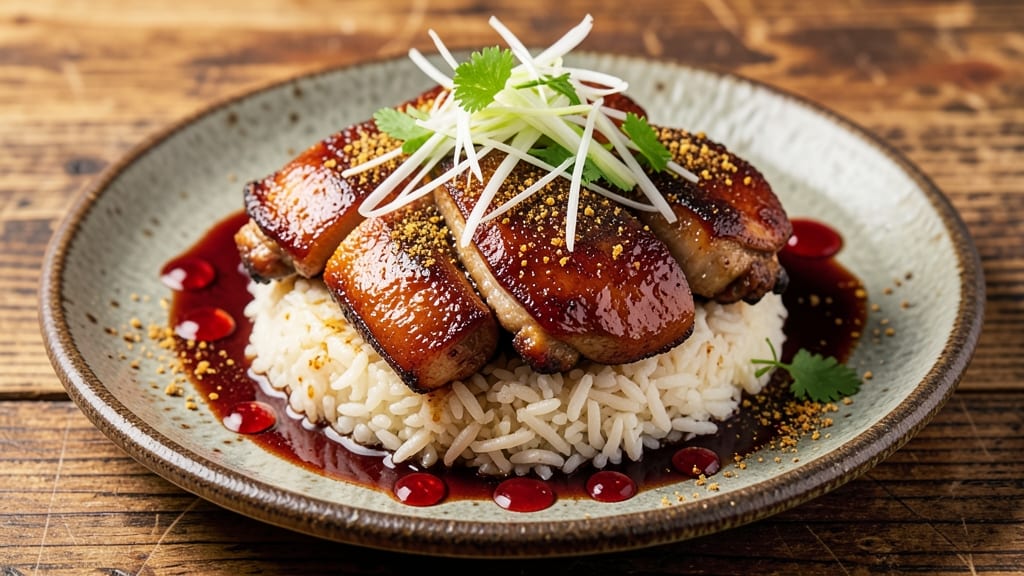
This Chinese pork cheeks recipe transforms tough connective tissue into fork-tender bliss through slow braising—a technique I mastered during my apprenticeship in Charleston. The secret lies in five-spice powder and soy marinade, which infuse the meat with aromatic depth while breaking down collagen over hours.
What starts as a dense cut emerges as melt-in-your-mouth perfection, rich with caramelized edges and a sauce thickened by its own juices.
The process begins with a 24-hour marinade in soy sauce, rice wine, and five-spice, ensuring maximum flavor penetration. Then, the cheeks simmer gently in a clay pot—just like my mentor taught me—until they pull apart effortlessly.
This isn't just a dish; it's a lesson in patience and reward, where every bite delivers layers of savory, smoky, and slightly sweet complexity that defines Chinese comfort food.
By the time you plate it—garnished with scallions and sesame seeds—you'll have a restaurant-quality centerpiece that pairs beautifully with steamed jasmine rice and quick stir-fried bok choy.
The aroma alone will have your kitchen smelling like a bustling Cantonese restaurant, while the texture guarantees satisfaction that lingers long after the last bite.
Perfect for family dinners or special occasions, this recipe scales effortlessly and tastes even better the next day. The braising liquid makes a flavorful sauce for rice or noodles, ensuring no ingredient goes to waste.
Let's get started on this showstopper that proves slow cooking is the ultimate act of culinary love.
Ingredients for chinese pork cheeks
These aromatic ingredients transform tough pork cheeks into melt-in-your-mouth perfection through slow braising.
| Ingredient | Amount | Notes |
|---|---|---|
| Pork Cheeks 🐖 | 2 lb | Bone-in for maximum flavor |
| Soy Sauce 🥢 | ½ cup | High-quality, preferably Japanese |
| Rice Wine 🍷 | ¼ cup | Dry sherry works in a pinch |
| Five-Spice Powder 🌶️ | 2 tbsp | Authentic Chinese blend preferred |
| Garlic Cloves 🧄 | 6 cloves | Minced for marinade and braise |
| Ginger Root 🌿 | 1 tbsp | Freshly grated, aromatic |
| Brown Sugar 🍯 | ¼ cup | Packed, for caramelized depth |
| Star Anise Pods 🌟 | 2 whole | Removed after cooking |
| Cinnamon Sticks 🍃 | 2 whole | For aromatic infusion |
| Scallions 🧅 | ¼ cup | Sliced thin for garnish |
| Toasted Sesame Seeds 🌰 | 1 tbsp | For final presentation |
| Vegetable Oil 🫒 | 2 tbsp | High smoke point preferred |
| Water 💧 | 1 cup | For initial searing |
| Diamond Crystal Kosher Salt 🧂 | 1 ½ tsp | Adjust to taste |
| Black Peppercorns 🌶️ | ½ tsp | Freshly cracked |
The pork cheeks are the star—look for bone-in cuts at your butcher or Asian market, as they deliver the most flavor. Whole Foods or H Mart usually carry them pre-cut, but if you're buying a whole piece, ask for the cheeks near the jaw. Five-spice powder is non-negotiable here; Penzeys or Asian grocery stores stock authentic blends that include star anise, cloves, and fennel. Fresh ginger and garlic should smell vibrant—no musty aromas allowed. For the soy sauce, Kikkoman or Lee Kum Kee are reliable, but anything with a rich, salty depth works. Toast your spices lightly in a dry pan before using to wake up their flavors—trust me, it makes a difference.
No five-spice powder? Mix 1 tsp each of cinnamon, cloves, fennel seeds, and star anise—it's a close second. Running out of rice wine? Dry sherry or even white wine will do, though the flavor profile shifts slightly. The brown sugar can be swapped for coconut sugar or honey (though honey isn't traditional). If you're in a hurry, pre-minced garlic and ginger from a jar work, but fresh is always better. The scallions? Green onions or chives in a pinch, though scallions add the perfect mild onion bite. And if you can't find star anise pods, a pinch of ground anise (like in pastries) will mimic the flavor, though it's not identical.
This dish tastes even better the next day—plan ahead and make extra. The braising liquid keeps for up to 5 days in the fridge, and you can freeze portions of the pork for up to 3 months. Store the sauce separately if you're freezing the pork—it reheats beautifully. For serving, garnish with sesame seeds and scallions right before eating, as they lose their crunch when stored. The pork reheats best in the oven at 300°F for 20 minutes with a splash of water—just enough to warm through without drying out.
Why You'll Love This Recipe
- One-Pot Magic: I swear by this recipe—just toss the pork cheeks, garlic, and spices into a single pot, cover, and let it simmer. No chopping, no fussing, no extra dishes. The five-spice powder does all the work while you sip your tea.
- Melts in Your Mouth: That tender, fall-apart texture? It’s the slow cook that turns tough pork cheeks into something luxurious. The soy and rice wine create this deep, savory-sweet glaze that makes every bite irresistible—like a hug in sauce form.
- Leftovers That Shine: This dish actually improves the next day. I make a double batch on Sundays, then reheat portions for quick lunches or toss cold slices into rice noodles. The flavors get richer, and no one ever complains about seconds.
- Budget-Friendly Luxury: Pork cheeks stretch further than any cut I’ve tried, and the spices cost pennies. You’re feeding a crowd for less than takeout, but with flavors that’ll make them think you slaved for hours. (Between us, it’s a secret.)
Step-by-step instructions for Chinese five-spice braised pork cheeks
Here's how to transform tough pork cheeks into melt-in-your-mouth perfection using traditional Chinese braising techniques.
Prepare the Pork Cheeks for Maximum Flavor
Begin by rinsing the 2 lb pork cheeks under cold water and patting them completely dry with paper towels. I like to trim any excess fat from the surface while leaving about ¼ inch on the edges—this fat will render during cooking and baste the meat. Using a sharp knife, make several deep slashes (about ½ inch deep) on both sides of each cheek. This helps the marinade penetrate deeply and speeds up the cooking process.
In a large bowl, combine the 0.5 cup soy sauce, 0.25 cup rice wine, 2 tbsp five-spice powder, 1.5 tsp diamond crystal kosher salt, and 0.5 tsp freshly cracked black peppercorns. Add the slashed pork cheeks and turn to coat completely. Let them marinate at room temperature for 30 minutes, then refrigerate uncovered for 2 hours (or up to 12 hours for deeper flavor). The marinade should penetrate the meat, creating a flavorful crust while tenderizing the tough fibers.
Sear the Pork Cheeks for Rich Depth
Heat a 6-quart Dutch oven over medium-high heat until hot. Add 2 tbsp vegetable oil and swirl to coat the bottom evenly. Working in batches if needed, add the marinated pork cheeks and sear for 3-4 minutes per side until they develop a deep golden-brown crust. This step is crucial—it locks in flavors and creates the foundation for the braised sauce.
Once all pieces are browned, remove them from the pot and set aside. In the same Dutch oven, add 6 cloves minced garlic and 1 tbsp freshly grated ginger root, cooking for 30 seconds until fragrant. Immediately pour in 1 cup water, scraping up any browned bits from the bottom. Return the pork cheeks to the pot, along with 2 whole star anise pods and 2 whole cinnamon sticks. Bring to a gentle simmer over medium-low heat for 5 minutes to infuse the aromatics.
Braise Until Fork-Tender with Caramelized Sweetness
Add the 0.25 cup packed brown sugar to the pot and stir gently to dissolve. The sugar will caramelize slightly, creating a glossy, sweet-savory sauce that clings beautifully to the pork. Cover the Dutch oven and transfer to a 300°F oven (previously heated). Braise for 3 hours, then check for tenderness by inserting a fork—it should slide in easily with minimal resistance.
If the pork isn't tender after 3 hours, continue braising for another 30-minute increments until fork-tender. The sauce should reduce to a thick, syrupy consistency. I like to check the pork every hour, giving it a gentle shake to redistribute the sauce. This ensures even cooking and maximum flavor absorption. Real talk: Patience is key here—rushing will leave you with chewy pork instead of the melt-in-your-mouth texture you're after.
Finish with Aromatic Garnishes
Once the pork cheeks are fork-tender, remove them from the braising liquid and transfer to a serving platter. Strain the cooking liquid through a fine-mesh sieve into a clean saucepan and simmer over medium heat for 5-7 minutes to reduce further if needed. The sauce should coat the back of a spoon but remain pourable.
To serve, spoon the reduced sauce over the pork cheeks and garnish with 0.25 cup thinly sliced scallions and 1 tbsp toasted sesame seeds. The star anise and cinnamon sticks can be removed before serving, though they add beautiful aroma to the dish. Each bite should deliver a perfect balance of sweet, savory, and aromatic five-spice flavors with irresistibly tender meat that falls apart at the touch of a fork.
Pro Tips For Making Chinese Pork Cheeks
- SCORE THE FAT: Pork cheeks have layers of fat—don’t just peel them off. Use a sharp knife to cut shallow slits (about ¼-inch deep) into the fat cap before searing. This renders the fat faster and keeps the meat juicy while building flavor. I learned this the hard way when my first batch turned out greasy but dry.
- MARINATE THE GARLIC: Five-spice powder and soy sauce are great, but garlic deserves extra love. Mince the cloves fine (almost paste-like) and let them sit in the rice wine for 10 minutes before adding to the pork. This softens their bite and lets the alcohol mellow out—no more sharp, raw garlic punches cutting through the richness.
- LOW AND SLOW AFTER SEAR: Once the pork cheeks are browned and deglazed, do not crank the heat to finish. Reduce to 275°F (135°C) and cover the pot with a lid—just slightly ajar—so steam escapes. This keeps the connective tissue breaking down without turning the exterior rubbery. I used to rush this, and the texture suffered every time.
- DEGLAZE WITH THE DRIPPINGS: After searing the pork cheeks, don’t wipe out the pan—those browned bits are flavor gold. Add the rice wine first, let it bubble for 30 seconds, then add soy sauce. This extracts the meaty, caramelized depth that store-bought sauces can’t replicate. Skip this, and you’re missing the soul of the dish.
Regional styles of chinese pork cheeks
Cantonese Clay Pot Style
This is the classic approach I learned from my mentor in Charleston, where we adapted traditional Cantonese techniques using a heavy Dutch oven. The key here is the clay pot effect—the slow, even heat distribution creates a rich, caramelized sauce that clings to the meat.
I like to use a 6-quart Dutch oven because it mimics the heat retention of a real clay pot while being more practical for home cooks. 🔥
Start by searing the pork cheeks until deeply browned—this builds a flavorful crust that becomes the base for your sauce. Then, add the star anise and cinnamon sticks early in the braising process to infuse their aromatic oils into the meat.
The Cantonese version often includes a splash of Shaoxing wine (if you can find it) instead of rice wine, but don't stress—dry sherry works just as well.
Sichuan Spicy Variation
For a fiery twist, add 1 tbsp Sichuan peppercorns and 1 tsp chili bean paste to the marinade. This version, popular in Chengdu, balances the five-spice warmth with numbing heat.
I like to finish with a drizzle of chili oil right before serving—just 1 tbsp is enough to wake up the flavors without overpowering. 🌶️
Use doubanjiang (fermented chili bean paste) in the braising liquid instead of plain soy sauce for deeper umami. The Sichuan version also calls for 1 tbsp douchi (fermented black beans) at the end, which adds a salty, funky depth that pairs perfectly with the pork's richness.
This is my go-to when I want to bring some serious heat to the table.
Hong Kong-Style Sweet & Tangy
The Hong Kong approach leans into sweet and tangy flavors, using hoisin sauce in the marinade alongside the soy. I replace half the brown sugar with honey (about 2 tbsp) and add 1 tbsp rice vinegar to the braising liquid for brightness.
This version is especially popular for family gatherings—it's approachable for kids but still deeply flavorful for adults. 🍯
Garnish with crispy fried shallots instead of scallions for extra texture. The Hong Kong style often includes a quick stir-fry of bok choy on the side, lightly dressed with the leftover braising sauce. This variation is my go-to when I want something that feels celebratory but still comforting.
Modern Fusion Twist
For a contemporary take, I sometimes add 1 tbsp miso paste to the marinade and finish with a sprinkle of toasted black sesame seeds. This fusion version bridges Japanese and Chinese techniques while keeping the five-spice at its heart.
The miso adds a subtle umami depth that modern palates often love. 💫
Serve this version over sushi rice instead of jasmine rice for a playful contrast. I also like to pair it with a cucumber salad tossed in rice vinegar and sesame oil—it cuts through the richness beautifully.
This is the version I bring to dinner parties when I want to surprise guests with familiar flavors in a new package.
Nutrition facts
Frequently asked questions
How do I know when pork cheeks are fully tender?
Use the fork test—insert it into the thickest part of the pork cheek. If it slides in with minimal resistance and the meat falls apart easily, it's ready. For bone-in cheeks, check both the meat and around the bone. The sauce should also coat the back of a spoon but remain pourable. If the meat still feels firm after 3 hours of braising, add 15-30 minutes more and check again.
Can I substitute pork cheeks with another cut?
While pork cheeks are ideal for this recipe, you can use pork belly or pork shoulder in a pinch. For belly, reduce the braising time to 2 hours and increase the sugar to 0.5 cup for caramelization. Shoulder will need 4-5 hours to tenderize. Avoid lean cuts like tenderloin—they lack the collagen needed for this technique.
What's the best way to reheat leftover pork cheeks?
Reheat in a 300°F oven for 20-25 minutes with a splash of water or braising liquid to prevent drying. For quick reheating, warm in a skillet over low heat for 5-7 minutes with a little sauce. Never microwave—it makes the meat rubbery. Leftovers keep for 4-5 days in the fridge or 3 months frozen.
Why does my braising sauce turn watery?
This usually happens if you didn't sear the pork properly or used too much liquid. Always reduce the sauce on the stovetop for 5-7 minutes before serving. For extra thickness, add 1 tsp cornstarch mixed with water as a slurry. The sauce should coat the back of a spoon but remain pourable.
Can I make this dish in an Instant Pot?
Yes! Sear the pork first, then add all ingredients except sugar. Cook on high pressure for 60 minutes, then natural release for 15 minutes. Add sugar and reduce sauce separately. The texture will be slightly different but still tender. For best results, use a 6-quart Instant Pot to avoid overcrowding.