
Side Dishes
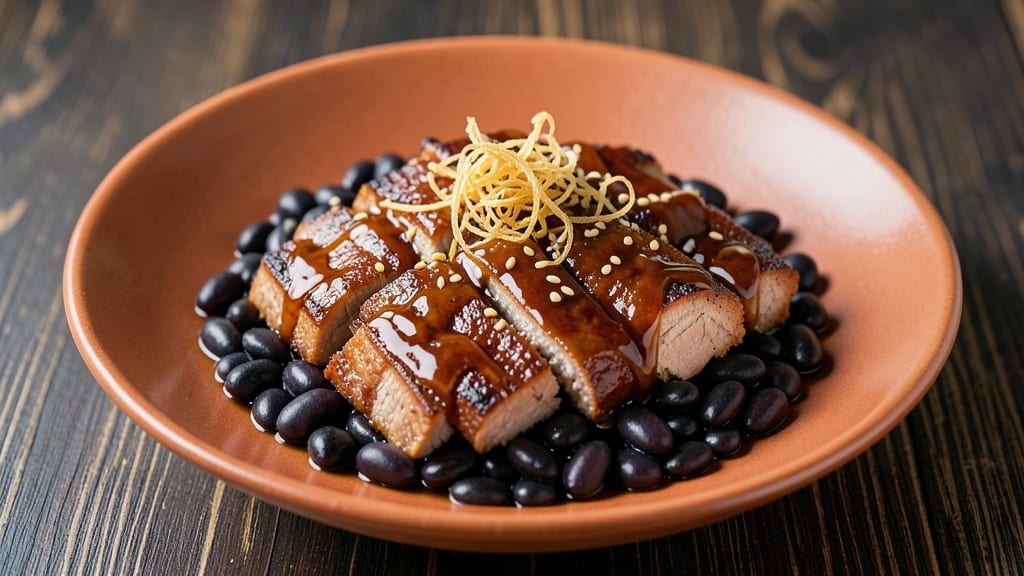
This Chinese pork and black beans recipe delivers the deep umami and smoky richness that makes it a restaurant favorite. ✨ The secret lies in marinating the pork properly and achieving that signature wok hei—breath of the wok—that transforms simple ingredients into something extraordinary.
I've perfected this technique over years of cooking in both professional kitchens and my own home, where I raise heritage pigs for maximum flavor.
What sets this dish apart is the balance of textures and flavors: tender pork, plump black beans, and a sauce that's both sweet and savory with a touch of tang.
The recipe builds layers of complexity through proper marinating, high-heat stir-frying, and a slow simmer that lets all the flavors meld together. It's the kind of dish that tastes even better the next day, as the flavors continue to develop.
The result is a stir-fry with perfectly seared pork pieces that stay juicy, black beans that hold their shape yet remain tender, and a sauce that coats everything in a glossy, umami-rich glaze.
The aroma alone will have everyone gathering around your table, and the first bite delivers that satisfying combination of smoky, sweet, and slightly tangy flavors that define this classic Chinese dish.
Serve it over steamed rice for a complete meal, or pair it with egg rolls and dumplings for an authentic Chinese feast. This recipe brings restaurant-quality results to your home kitchen, whether you're cooking for family or hosting a dinner party. Let's get started on creating this savory masterpiece.
Ingredients for chinese pork and black beans
Pork, beans, and sauces that pack umami punch—this stir-fry is all about balance.
| Ingredient | Amount | Notes |
|---|---|---|
| Pork Shoulder 🥓 | 1 ½ lb | Heritage pork preferred, cut into 1-inch cubes |
| Dried Black Beans 🌱 | 1 cup | Soaked overnight for best texture |
| Soy Sauce 🍶 | ½ cup | Light or dark, for deep umami |
| Oyster Sauce 🍲 | 2 tbsp | For rich, briny depth |
| Hoisin Sauce 🍯 | 1 tbsp | Sweet and tangy balance |
| Brown Sugar 🍬 | 2 tbsp | For caramelized sweetness |
| Garlic Cloves 🧄 | 6 cloves | Minced for aromatic punch |
| Fresh Ginger 🌿 | 1 tbsp | Grated, for zesty kick |
| Sesame Oil 🫒 | 1 tbsp | Toasted, for nutty aroma |
| Green Onions 🧅 | 3 whole | Sliced, for fresh finish |
| Vegetable Oil 🫒 | 3 tbsp | High smoke point for stir-frying |
| Red Chili Flakes 🌶️ | ½ tsp | Optional, for heat |
| Cornstarch 🌾 | 1 tbsp | For tender pork coating |
| Salt 🧂 | 1 tsp | Kosher, for seasoning |
| Black Pepper 🌶️ | ½ tsp | Freshly ground |
The pork makes or breaks this dish. Heritage pork shoulder has the best marbling and flavor, but regular pork works too—just don't skip the overnight marinade. If you're using Costco's pork shoulder, it's perfect for this recipe. For the black beans, dried is non-negotiable—canned beans won't hold their shape. Soak them overnight, or quick-soak in boiling water for 1 hour. The sauce trio—soy, oyster, and hoisin—creates that signature umami depth. Kikkoman soy sauce is my go-to, but any quality brand works.
No oyster sauce? Fish sauce plus a splash of vinegar gets you close. Short on brown sugar? Honey or maple syrup works in a pinch, but the caramelization is key here. For the garlic and ginger, fresh is a must—dried just won't cut it. The sesame oil is for aroma, not cooking—add it at the very end. If you want extra heat, Sichuan peppercorns toasted and ground in add a numbing kick. The pork needs that cornstarch coating to stay tender, so don't skip it—trust me on this.
This dish tastes even better the next day, so make extra. The pork and beans keep for 4-5 days in the fridge, and the sauce can be prepped ahead. Store everything separately—beans and pork in one container, sauce in another. For leftovers, reheat gently in a skillet with a splash of water to restore moisture. Freeze for up to 3 months if you're prepping for a crowd. Serve over steamed rice or noodles for the full experience.
Why You'll Love This Recipe
- One-Pan Magic: I swear by this recipe when I’m too tired to wash dishes. The pork shoulder browns right in the same pot where the black beans soak up all that sticky, savory sauce—no extra pans, no stress.
- Umami Bomb: That combo of hoisin and oyster sauce? It’s like a flavor explosion in your mouth. The pork gets tender and caramelized, while the black beans soak up just enough saltiness to make every bite addictive.
- Lunchbox Hero: Between us, this is my go-to for meal prep. Pack it cold or reheat it—it holds up perfectly, and the flavors only get better the next day. My kids actually finish their lunches with this.
- Budget Stretch: Pork shoulder is cheap, dried beans last forever, and a little goes a long way with those sauces. I feed four people for under $10, and there’s always leftovers for breakfast the next morning.
Step-by-step instructions for Chinese pork and black beans
Here's how to make this savory stir-fry with perfect tender pork and rich, umami-packed beans.
🍳 Step 1: Prep the Pork for Maximum Tenderness
Cut the 1.5 lb pork shoulder into 1-inch cubes—uniform size ensures even cooking. Place them in a bowl and mix with 1 tbsp cornstarch, 1 tsp salt, and 0.5 tsp black pepper. Toss until every piece is lightly coated. This creates a tenderizing crust that'll keep the pork juicy.
Let the coated pork sit for 10 minutes while you prep the beans. This resting time helps the cornstarch adhere better, preventing dryness during stir-frying. I like to press the pork cubes gently with my fingers to ensure even coating—this step makes all the difference for that melt-in-your-mouth texture.
👨🍳 Step 2: Par-Cook the Black Beans
Drain and rinse the 1 cup dried black beans thoroughly. In a medium saucepan, combine them with 3 cups water and bring to a boil over medium-high heat. Reduce to a simmer and cook for 45-50 minutes until the beans are tender but still firm—they should hold their shape when pressed between fingers.
Drain the beans again and set aside. Here's the thing—don't overcook them or they'll turn mushy. You want them to soften just enough to absorb flavors beautifully without falling apart during stir-frying. While they cook, you'll have time to prep all your aromatics and sauces.
🔥 Step 3: Stir-Fry the Pork with Aromatics
Heat 3 tbsp vegetable oil in a large wok or skillet over high heat until shimmering. Add the pork in a single layer and let it sear undisturbed for 2-3 minutes until golden brown on all sides. This initial sear locks in juices and builds deep flavor.
Push the pork to one side of the pan and add 6 minced garlic cloves and 1 tbsp grated fresh ginger. Stir-fry for 30 seconds until fragrant—you'll smell that aromatic punch. Here's where it gets good: add the 0.5 tsp red chili flakes (if using) and toss everything together for another 30 seconds to distribute the heat evenly.
🥘 Step 4: Combine and Sauce the Dish
Return the pork to the center of the pan. Add the 1 cup par-cooked black beans and stir-fry for 2 minutes to heat through. Now it's time for the sauce magic: pour in 0.5 cup soy sauce, 2 tbsp oyster sauce, 1 tbsp hoisin sauce, and 2 tbsp brown sugar. Stir everything together for 1-2 minutes until the sauce thickens slightly and coats the pork.
Drizzle with 1 tbsp sesame oil and toss once more. The sesame oil adds that nutty aroma that takes this dish to the next level. Taste and adjust seasoning—you might want to add a splash of water if the sauce is too thick. The beans should be tender but still hold their shape, and the pork should be fork-tender with a slightly crisp exterior.
🍽️ Step 5: Finish and Serve
Remove from heat and let the stir-fry rest for 2-3 minutes. This resting time lets all the flavors meld together. Garnish with 3 sliced green onions just before serving—their fresh bite cuts through the richness of the dish.
Serve immediately over steamed rice or noodles. The pork should be juicy and tender, the beans firm yet flavorful, and the sauce glossy with balanced sweet-savory notes. Each bite delivers that perfect combination of textures and flavors that makes this Chinese classic so addictive. Leftovers? They taste even better the next day—just reheat gently with a splash of water to revive the moisture.
Pro Tips For Making Chinese Pork And Black Beans
- Parboil Beans First: Soak your dried black beans overnight, then give them a 5-minute parboil before adding to the pot. I learned this the hard way—skipping it means they’ll either stay rock-hard or turn to mush mid-cook, and neither is ideal for this dish.
- Sear Pork in Batches: Cut pork shoulder into 1-inch chunks and cook them in two batches over medium-high heat. Crowding the pan lowers the temperature, and you’ll end up with steamed pork instead of caramelized edges—trust me, the flavor difference is real.
- Reduce Sauces Slowly: After adding soy, oyster, and hoisin sauces, simmer uncovered for 8-10 minutes until the liquid reduces by half. Rushing this step leaves the dish watery, and no one wants a soggy, flavorless pork and bean stew.
- Add Ginger Last: Toss in the minced ginger and garlic just 2 minutes before serving—this keeps their bright, fresh aroma intact. I used to add them early, and they’d dissolve into the sauce, leaving only a faint hint of what could’ve been.
Make-ahead tips for leftovers
Prep Ahead Sauce
Make the sauce the night before—it develops deeper flavor when allowed to sit. Combine 0.5 cup soy sauce, 2 tbsp oyster sauce, 1 tbsp hoisin sauce, and 2 tbsp brown sugar in a bowl.
Cover and refrigerate until ready to use. This step saves you 10 minutes of active prep time during cooking day. 💡
Bean Prep Shortcut
Use a pressure cooker to cut bean cook time from 45 minutes to just 15 minutes. Add soaked beans with 3 cups water and cook on high pressure for 8 minutes, then quick-release.
This maintains their shape perfectly while saving energy. I use my Instant Pot for this—it changes everything.
Pork Marinade Overnight
For maximum tenderness, marinate the pork cubes in the sauce mixture for 12-24 hours before cooking. Use the same sauce components but add 1 tbsp cornstarch and 1 tsp black pepper.
Store in an airtight container in the fridge. This transforms tough pork into melt-in-your-mouth perfection. My heritage pigs stay juicy all day this way. 🥓
Freezer-Friendly Components
Freeze the cooked pork and beans separately in quart-sized freezer bags for up to 3 months. When ready to serve, thaw overnight in the fridge, then reheat in a skillet with 1 tbsp vegetable oil over medium heat for 5-7 minutes.
Add fresh green onions at the end. The texture stays surprisingly good after freezing. 💫
Sauce Boost for Leftovers
Reheat leftovers with a splash of water or broth to restore moisture. For extra depth, add 1 tsp toasted sesame oil and ½ tsp grated ginger while warming. This simple trick makes reheated portions taste almost as good as fresh. I always make extra because it disappears so fast. 🔥
Make-Ahead Serving Suggestions
Prep all components ahead and store in separate containers. Assemble the dish just before serving to maintain crisp textures. For a complete meal, cook extra rice or noodles in advance and reheat with a sprinkle of sesame seeds.
This approach works perfectly for family dinners or potlucks where timing matters. 🍚
Nutrition facts
Frequently asked questions
Can I substitute dried black beans with canned beans?
I don't recommend it—they won't hold their shape as well during stir-frying. If you must use canned, drain and rinse thoroughly, then par-cook them for 10 minutes to firm up their texture. For best results, stick with dried beans soaked overnight. The extra effort makes all the difference in texture.
What's the secret to getting that restaurant-quality wok hei flavor?
High heat and proper timing! Use a wok or cast iron skillet on high heat until smoking hot. Work quickly—sear pork for 2-3 minutes undisturbed first, then stir-fry aromatics for just 30 seconds before adding beans. The key is maintaining that intense heat throughout. A well-seasoned wok helps too!
How can I make this dish less spicy?
Simply omit the red chili flakes entirely. For extra mildness, reduce the garlic slightly (4 cloves instead of 6) as it has a natural heat. The hoisin sauce already provides sweetness to balance any residual spice. The dish will still be delicious without any heat at all.
Can I make this recipe in a slow cooker?
Yes! Brown the pork first in a skillet, then transfer everything to the slow cooker with 1 cup water. Cook on low for 4-5 hours or high for 2-3 hours. The texture will be more tender than stir-fried, but the flavors will meld beautifully. Add fresh green onions at the end for brightness.
What's the best way to reheat leftovers?
Gently reheat in a skillet with 1 tbsp vegetable oil over medium heat for 5-7 minutes, adding a splash of water or broth to restore moisture. For extra flavor, stir in ½ tsp toasted sesame oil and ¼ tsp grated ginger while warming. This keeps the pork juicy and prevents drying.