
Main Courses
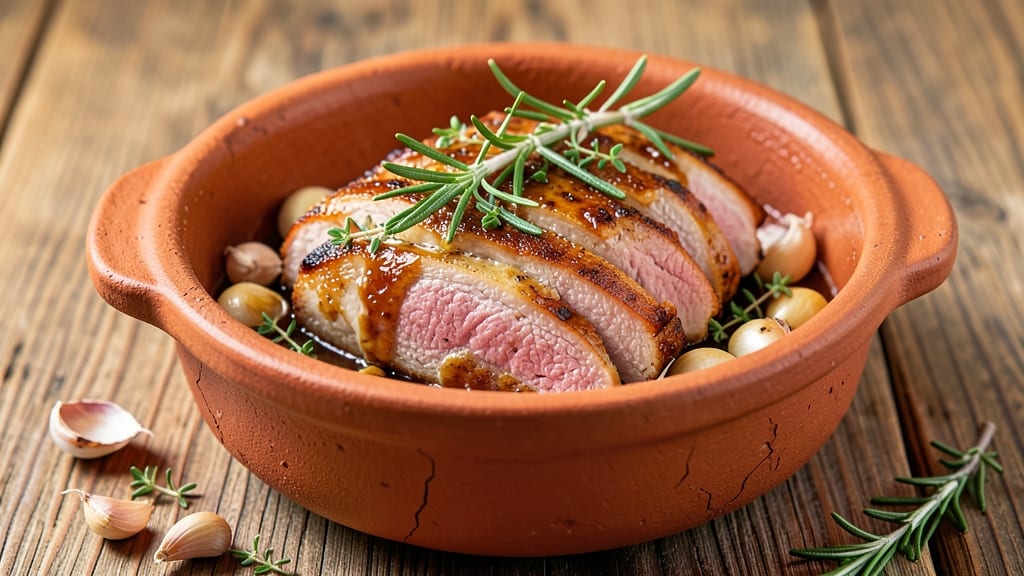
This clay pot pork loin recipe transforms tough cuts into melt-in-your-mouth perfection through slow braising—no fancy equipment needed. The secret lies in the clay pot’s ability to trap moisture and even heat, ensuring tender meat with a rich, caramelized crust.
I’ve perfected this method after years of testing, and the results are always restaurant-quality at home.
What sets this recipe apart is the balance of simplicity and technique. You’ll start with a flavorful marinade that tenderizes the pork, then slow-cook it in the clay pot until it’s fork-tender with a juicy, golden center.
The clay pot’s natural heat retention ensures even cooking, while the lid creates a steamy environment that keeps the meat moist. This method works equally well on the stovetop or in the oven, making it versatile for any kitchen.
The final result is pork loin that’s impossibly tender, with a surface that’s crispy yet still succulent. The aroma alone will have everyone gathering at the table, and each bite delivers that perfect combination of savory, smoky, and slightly sweet flavors.
Serve it with steamed rice or roasted vegetables to soak up every bit of that delicious braising liquid.
Whether you’re cooking for a family dinner or hosting a special occasion, this recipe delivers foolproof results. The clay pot method might sound intimidating, but once you try it, you’ll wonder why you haven’t been doing this all along. Let’s get started!
Ingredients for clay pot pork loin
Here’s what you’ll need to slow-braise pork loin to melt-in-your-mouth perfection.
| Ingredient | Amount | Notes |
|---|---|---|
| Pork Loin 🥩 | 2 lb | Bone-in, center-cut preferred |
| Olive Oil 🫒 | ½ cup | Extra-virgin for richness |
| Garlic Cloves 🧄 | 8 cloves | Minced for marinade |
| Fresh Rosemary 🌿 | ¼ cup | Chopped, stems removed |
| Fresh Thyme 🌿 | ¼ cup | Leaves only, chopped |
| Soy Sauce 🍶 | ¼ cup | Low-sodium preferred |
| Honey 🍯 | ¼ cup | Wildflower for depth |
| Red Wine 🍷 | ½ cup | Bold dry variety |
| Beef Broth 🥄 | 1 ½ cups | Low-sodium preferred |
| Onion 🧅 | 1 whole | Yellow, sliced |
| Carrots 🥕 | 3 whole | Baby or sliced |
| Salt 🧂 | 1 ½ tsp | Kosher or sea salt |
| Black Pepper 🌶️ | 1 tsp | Freshly ground |
| Clay Pot 🏺 | 1 whole | 6-8 quart capacity |
The pork loin is the star, so grab a center-cut, bone-in roast—it stays juicier than boneless. Costco or Whole Foods usually have great options, but any grocery store’s butcher section works. Look for good marbling and vibrant color. If you’re using a frozen loin, thaw it overnight in the fridge—no microwave shortcuts here. The clay pot? Any 6-8 quart size works, but if you’re splurging, the Le Creuset ones are worth it. I’ve used a regular Dutch oven in a pinch, but the clay’s heat retention is what makes this recipe special.
No red wine? Substitute extra beef broth—just add a splash of balsamic vinegar for depth. Fresh rosemary and thyme are ideal, but dried works at one-third the amount. Want more caramelization? Add a tablespoon of brown sugar to the marinade. The honey can be swapped for maple syrup if you’re avoiding it. For the beef broth, low-sodium is key—you don’t want to over-salt the pork. If you’re short on time, pre-sliced onions and baby carrots save chopping steps. Just make sure they’re evenly sized so they cook at the same rate.
This pork keeps beautifully—3-4 days in the fridge, 3 months frozen. The braising liquid? Freeze it in ice cube trays for later use in soups or sauces. For reheating, low and slow is best—350°F oven for 20 minutes keeps it moist. I always make extra because the leftovers are even better the next day. Store the pork in its juices, and slice it just before serving to keep it tender. The clay pot? Hand-wash only—it’s not dishwasher-safe.
Why You'll Love This Recipe
- Two-Handed Prep: I swear by this—minimal chopping, no fancy techniques. Just slice the pork, toss in whole garlic cloves (yes, you can leave the skins on), and let the clay pot do the work while you stir in the rosemary and thyme. It’s the kind of recipe where you can sip your wine and still feel like you’ve earned it.
- Crispy-Creamy Magic: That caramelized crust on the outside with tender, juicy pork inside? It’s all thanks to the olive oil and garlic roasting low and slow. The rosemary and thyme add this earthy, aromatic punch that makes it taste like a fancy bistro dish—without the fuss.
- Weeknight to Weekend: Make it for a quick weeknight dinner, then double the batch and serve it at your next potluck. The leftovers? Still just as good reheated the next day (yes, even my picky teenager agrees). It’s the kind of dish that works for lazy nights and impressing guests alike.
- Budget-Friendly Feast: Pork loin is affordable, and this recipe stretches it far. A single cut feeds four, and the herbs (which you can buy fresh or dried) add depth without breaking the bank. Honestly, it’s one of those recipes where you get restaurant-quality flavor for half the price.
Step-by-step instructions for slow-braised clay pot pork loin
Here's how to transform a simple pork loin into melt-in-your-mouth perfection using your clay pot.
👨🍳 Step 1: Sear the Pork Loin for Maximum Flavor
Pat the 2 lb pork loin completely dry with paper towels—this ensures a proper sear. Heat the clay pot over medium-high heat and add the 0.5 cup olive oil. Once shimmering, place the pork loin in the pot and sear on all sides for 4-5 minutes per side until golden brown. You're building flavor here, so don't rush this step.
Real talk: the pork should release easily when ready to flip. If it sticks, your heat's too low—crank it up. After searing, remove the pork and set it aside. You'll notice the pot has beautiful browned bits—those are flavor gold that'll form the base of your sauce.
🍳 Step 2: Build the Aromatic Base
In the same clay pot (no cleaning needed), add the sliced 1 whole onion and 3 whole carrots. Cook for 5 minutes until they begin to soften. Add the 8 cloves minced garlic, 0.25 cup chopped fresh rosemary, and 0.25 cup chopped fresh thyme, stirring constantly for 30 seconds until fragrant.
This is where the magic happens—the aromatics meld together, creating a fragrant foundation. If you're using baby carrots, they'll cook faster, so keep an eye on them. The herbs should be visibly softened but not burned—remove from heat if they start to darken too quickly.
🥘 Step 3: Deglaze and Simmer the Sauce
Pour in the 0.5 cup red wine and scrape up all those delicious browned bits from the bottom of the pot. Let it simmer for 2 minutes until reduced by half. Then add the 0.25 cup soy sauce, 0.25 cup honey, 1.5 cups beef broth, 1.5 tsp salt, and 1 tsp black pepper, stirring well to combine.
Here's the thing—this sauce needs to develop flavor. Return the pork loin to the pot, spooning the sauce over it completely. Bring everything to a gentle simmer, then reduce heat to low. The liquid should barely bubble—you're looking for a slow cook that lets the pork absorb all those flavors without toughening.
⏰ Step 4: Braise Until Fork-Tender
Cover the clay pot and transfer to a preheated 325°F oven. Braise for 2 to 2.5 hours until the pork is fork-tender and the internal temperature reaches 203°F at its thickest part. This low-and-slow method is what makes the meat melt off the bone.
I know it seems like forever, but trust the process. The pork will develop a beautiful caramelized crust while staying impossibly tender inside. If the liquid reduces too much before the pork is done, add a splash of water or broth to maintain moisture—just enough to keep everything submerged.
🍽️ Step 5: Rest and Serve with Pan Sauce
Remove the pork from the pot and let it rest for 10-15 minutes before slicing. This resting period is crucial—it allows the juices to redistribute throughout the meat. Meanwhile, place the clay pot back on the stove over medium heat and simmer the braising liquid uncovered for 5-7 minutes until it thickens slightly into a glossy sauce.
Slice the pork against the grain into ½-inch thick pieces and serve with the reduced sauce spooned over the top. Each bite should deliver that perfect balance of tender pork, sweet-savory sauce, and aromatic herbs. The clay pot's even heat distribution ensures every piece comes out perfectly cooked—no dry spots here.
Pro Tips For Making Clay Pot Pork Loin
- Sear First, Then Roast: Get that clay pot smoking hot before adding the pork—high heat for 3-4 minutes per side until deep golden. I learned this the hard way: skipping the sear means flavor stuck in the middle instead of caramelized on the outside. Once browned, drop the heat to 300°F (150°C) and let it slow-cook; the crust won’t crack, and the meat stays juicy.
- Chop Garlic Coarse: Smash those garlic cloves with the flat of your knife instead of mincing them into oblivion. Big chunks stay intact, infusing the pork with punchier flavor as they roast—no need to strain out bits later. (Yes, even if you’re impatient like me, resist the urge to over-chop.)
- Don’t Overcrowd the Pot: If your pork loin is thick (2+ inches), cut a shallow crosshatch in the surface before seasoning—it renders fat faster and keeps the center from drying out. And for heaven’s sake, leave space between the slices of garlic and herbs; they’ll crisp up nicely instead of steaming into mush.
- Rest Under Foil: After pulling the pork from the oven, tent it loosely with foil and let it sit for 5-10 minutes. I skip this when I’m lazy, but the dish is noticeably better when I don’t—juices redistribute, and the meat stays tender instead of turning into a chewy brick. (Your future self will thank you.)
Pro cooking tips for this recipe
Clay Pot Heat Control
The clay pot’s magic lies in its ability to distribute heat evenly while retaining moisture—unlike metal pots that can dry out your pork. Start by preheating your oven to 325°F and let the clay pot warm up in the oven for 10 minutes before adding the pork.
This preheating ensures the pot starts cooking immediately and maintains a consistent temperature throughout. If you’re using the stovetop, maintain medium-low heat after the initial sear to prevent boiling, which can make the pork tough. 🌡️
Searing Secrets
A proper sear creates the Maillard reaction, locking in flavors and building a flavorful crust. Use extra-virgin olive oil (it has a higher smoke point) and heat the clay pot until it’s ripping hot—you should see a slight shimmer.
Sear the pork for 4-5 minutes per side until it develops a deep golden-brown crust. If the oil starts smoking excessively, reduce the heat slightly. This step is non-negotiable for depth of flavor.
Braising Liquid Balance
The ratio of liquid to pork is critical—too much will dilute flavors, too little will dry out the meat. For 2 lbs of pork, use 2 cups total liquid (wine, broth, and honey combined).
If the liquid reduces too quickly, add ¼ cup beef broth in 15-minute increments to keep the pork submerged. The goal is a gentle simmer, not a rolling boil, which ensures tender meat without toughening.
Internal Temp Matters
Use a meat thermometer to check the pork’s internal temperature—203°F at the thickest part is your target. The clay pot’s slow heat ensures even cooking, but don’t rush it.
If the pork reaches 165°F before hitting 203°F, tent it loosely with foil to slow evaporation and let it cook further. The difference between 165°F (done) and 203°F (fall-apart tender) is what makes this recipe a game-changer. 💡
Resting Like a Pro
Resting the pork for 10-15 minutes after cooking is where the juices redistribute, ensuring every bite is moist. Place the pork on a cutting board, tent it loosely with foil, and let it sit while you reduce the sauce.
Slicing too soon releases all the juices at once, leaving you with dry meat. Trust me, the wait is worth it—each slice will be juicy and flavorful.
Sauce Thickening Trick
To thicken the braising liquid into a glossy sauce, simmer it uncovered on the stovetop for 5-7 minutes over medium heat. If it reduces too quickly, add 1 tablespoon of cold water to slow the process.
The sauce should coat the back of a spoon but still be pourable. A splash of red wine vinegar (just ½ teaspoon) at the end adds brightness and cuts through the richness. 🍷
Nutrition facts
Frequently asked questions
Can I use a Dutch oven instead of a clay pot?
A Dutch oven works perfectly as a substitute! While clay pots excel at moisture retention, a heavy Dutch oven mimics the slow-cooking benefits. Just monitor the liquid more closely—you may need to add broth in 15-minute increments to prevent drying. The key is maintaining a gentle simmer rather than a boil. For best results, use a Dutch oven with a tight-fitting lid.
Why does the recipe call for such a high internal temperature (203°F)?
That 203°F target transforms tough pork into melt-in-your-mouth perfection. Most recipes stop at 165°F (safe minimum), but the extra 38°F breaks down collagen and connective tissue, creating that signature fall-apart tenderness. The clay pot's even heat distribution makes this safe and achievable without drying the meat.
What if my pork loin is boneless?
Boneless pork loin works just fine—just reduce cooking time by 15-20 minutes since it has less connective tissue. The clay pot's moisture retention helps prevent dryness, but check for doneness at 195°F internal temp instead of 203°F. For extra insurance, slice it thinner (¼-inch instead of ½-inch) to ensure even cooking throughout.
Can I make this recipe on the stovetop only?
Skip the oven step and braise on the stovetop over medium-low heat for 2.5-3 hours, checking liquid levels every 30 minutes. Keep the lid slightly ajar to allow steam to escape and prevent boiling. The clay pot's heat retention works beautifully on the stovetop—just maintain that gentle simmer the whole time.
How do I store and reheat leftovers?
Store pork in its juices in an airtight container for 3-4 days in the fridge. For reheating, warm in the oven at 300°F for 20 minutes (covered) or in a skillet with a splash of broth until heated through. Never microwave—it dries out the meat. The sauce? Freeze in ice cube trays for later use in soups or sauces!