
Main Courses
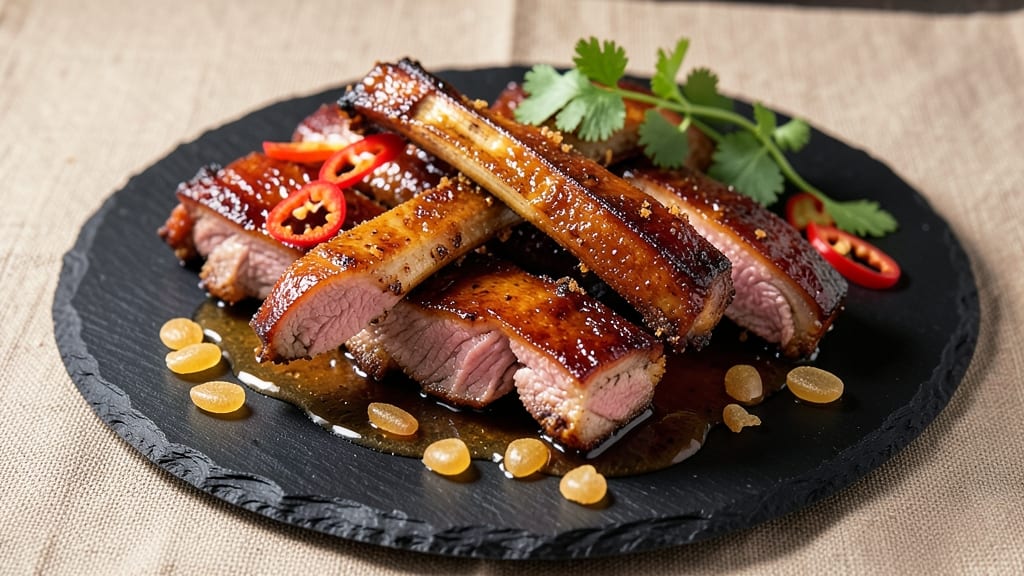
This Chinese honey pork ribs recipe delivers the perfect balance of smoky, caramelized sweetness that'll have everyone reaching for seconds. 🔥 Growing up in Georgia, I learned how pork transforms with the right glaze—honey's natural depth pairs beautifully with traditional Chinese spices, creating ribs that are tender, sticky, and impossible to resist.
The secret lies in a slow braise that develops rich flavors while keeping the meat juicy.
We begin with a marinade of honey, soy sauce, and aromatic spices that infuse the ribs overnight, ensuring maximum flavor penetration. After a gentle braise in the oven, the ribs develop a glossy, caramelized crust that's both sweet and savory.
This method preserves the meat's natural juices while building layers of complexity through controlled basting and charring.
The result is restaurant-quality ribs with a perfect glaze—thick enough to coat every bite but not so heavy it overpowers the pork's natural richness. Serve with steamed jasmine rice and quick-pickled vegetables to balance the dish's sweetness.
These ribs are ideal for gatherings, meal prep, or when you crave comfort food with a global twist.
Confession: I've perfected this recipe over years of testing, including a particularly memorable Thanksgiving when my honey glaze became the star of the meal. The key? Patience in the braising process—rushing leads to dry ribs, but letting them cook low and slow guarantees melt-in-your-mouth tenderness with that signature caramelized finish.
Let's get cooking!
Ingredients for chinese honey pork ribs
Six pounds of pork ribs and twelve ingredients transform into sticky-sweet perfection.
| Ingredient | Amount | Notes |
|---|---|---|
| Pork Ribs (Baby Back) 🍖 | 4 lb | Bone-in, meaty sections preferred |
| Honey 🍯 | 1 cup | Raw, unfiltered for best flavor |
| Soy Sauce 🥄 | ½ cup | Kosher-style preferred |
| Brown Sugar 🍚 | ½ cup | Packed, light variety |
| Rice Vinegar 🍶 | ¼ cup | Seasoned preferred |
| Garlic Cloves 🧄 | 6 cloves | Minced, fresh preferred |
| Fresh Ginger 🌿 | ½ cup | Finely grated, peeled |
| Sesame Oil 🫒 | 1 tbsp | Toasted, for aroma |
| Five-Spice Powder 🌶️ | 1 tbsp | Authentic Chinese blend |
| Ground Black Pepper 🌶️ | 1 tsp | Freshly cracked |
| Kosher Salt 🧂 | 2 tbsp | Diamond Crystal preferred |
| Cornstarch 🌾 | 2 tbsp | For glaze thickening |
| Water 💧 | ¼ cup | Room temperature |
| Green Onions 🧅 | ¼ cup | Sliced, for garnish |
The ribs are the star, so bone-in baby backs give you the best meat-to-bone ratio. Look for cuts with good marbling—Costco or local butchers usually have the freshest. If you're buying frozen, thaw them overnight in the fridge. The honey should be raw and unfiltered (like Madhava or local Georgia honey if you're in the South)—it adds depth the refined stuff can't match. Five-spice powder is non-negotiable here; Penzeys or Asian markets carry authentic blends that make all the difference.
No raw honey? Agave nectar or maple syrup works in a pinch, but the flavor won't be identical. Running low on rice vinegar? Apple cider vinegar with a pinch of sugar gets you close. Fresh ginger is ideal, but if you're using powdered, double the amount—it loses potency fast. The cornstarch-water slurry is key for that glossy finish; mix it well to avoid lumps. For extra smokiness, add 1/2 tsp smoked paprika to the marinade. And trust me on the sesame oil—just a splash, but it elevates everything.
These ribs reheat beautifully—just warm in the oven with a splash of water for 10-15 minutes at 300°F. They keep for 3-4 days in the fridge, though they're best the first day. Portion into containers with some of the glaze for easy reheating. Freeze for up to 3 months by wrapping tightly in foil. Pro tip: Save the leftover glaze—it's amazing on toast or as a drizzle for stir-fries.
Why You'll Love This Recipe
- Sweet Glaze Magic: That sticky-sweet honey glaze—just soy, brown sugar, and a splash of rice vinegar—caramelizes into something irresistible. One taste and you’ll understand why this is my go-to when I want that perfect balance of savory and sweet without fussing over complicated sauces.
- One-Pan Wonder: Honestly, the only prep is trimming the ribs and mixing the glaze. Toss them on a sheet pan, bake until tender, and boom—done. No pots, no pans, no stress. My lazy Sundays just got a whole lot sweeter.
- Leftover Goldmine: These ribs stay ridiculously good reheated the next day—crispy edges, tender meat, all that honey clinging to every bite. I’ve turned them into sandwiches, ramen toppings, and even a quick stir-fry. Versatility like this makes them my secret weapon for busy weeks.
- Budget-Friendly Feast: Baby back ribs aren’t cheap, but this recipe stretches them further than you’d think. The glaze is dirt simple and uses pantry staples, so you’re not breaking the bank for a dish that feels like a restaurant-worthy treat. Plus, the leftovers feed me for days—win-win.
Step-by-step instructions for Chinese honey pork ribs
Here's how to transform tough pork ribs into tender, sticky-sweet masterpieces with that signature caramelized glaze.
🔥 Step 1: Prep and Season the Ribs for Maximum Flavor
Start by trimming any excess fat from the 4 lb pork ribs (baby back) but leave about ¼ inch of fat cap—this protects the meat during cooking. Pat the ribs completely dry with paper towels; moisture is the enemy of good browning. In a small bowl, mix together 2 tbsp kosher salt, 1 tbsp five-spice powder, 1 tsp ground black pepper, and 1 tbsp sesame oil. Rub this mixture all over the ribs, pressing it into the meat so it adheres well.
Place the seasoned ribs on a wire rack set over a baking sheet (this allows air to circulate underneath). Cover with plastic wrap and refrigerate for at least 2 hours or overnight. This dry-brining step ensures the ribs develop deep flavor and a perfect crust. I like to do this step the night before—it makes the ribs more forgiving during the long cook.
🍳 Step 2: Build the Sticky-Sweet Glaze
In a medium saucepan, combine 1 cup honey, 0.5 cup soy sauce, 0.5 cup packed brown sugar, 0.25 cup rice vinegar, 6 cloves minced garlic, and 0.5 cup finely grated fresh ginger. Bring to a gentle boil over medium heat, then reduce to a simmer. Let it cook uncovered for 15-20 minutes, stirring occasionally, until it thickens slightly and reduces by about ¼ cup. You'll know it's ready when it coats the back of a spoon and smells intensely aromatic.
In a small bowl, whisk together 2 tbsp cornstarch and 0.25 cup water to make a slurry. Slowly stir this into the simmering glaze while whisking constantly. The mixture will thicken dramatically—keep stirring until it reaches a syrupy consistency that coats a spoon completely (about 2-3 minutes). Remove from heat and let cool slightly. This glaze is the soul of the dish—don't rush this step, or you'll end up with a runny sauce.
🔥 Step 3: Slow-Cook the Ribs Until Fork-Tender
Preheat your oven to 275°F. Place the seasoned ribs in a large roasting pan or Dutch oven, fat-side up. Pour the cooled glaze evenly over the ribs, making sure it coats all sides. Cover tightly with heavy-duty aluminum foil and place in the preheated oven. This low-and-slow method is crucial—it breaks down the connective tissue without drying out the meat.
Cook for 3 hours, then carefully flip the ribs and pour any accumulated juices from the pan back over them. Return to the oven and cook for another 1-2 hours until the ribs are fork-tender (they should pull apart easily with minimal resistance). If the glaze starts to dry out, uncover and baste the ribs with it every 30 minutes during the last hour of cooking. The ribs are done when they reach an internal temperature of 195-200°F at the thickest part.
🍳 Step 4: Caramelize the Glaze for Maximum Stickness
Once the ribs are tender, increase the oven temperature to 425°F. Remove the foil and place the ribs back in the oven for 10-15 minutes to caramelize the glaze. Watch closely—the glaze will bubble and darken dramatically as it thickens into a glossy, sticky coating. You want it to be deep amber in color with a mirror-like sheen. This final step transforms the dish from good to spectacular.
While the ribs caramelize, prepare a platter by slicing the 0.25 cup green onions into ½-inch pieces. When the ribs are beautifully caramelized, transfer them to the platter and spoon any remaining glaze from the pan over the top. Let the ribs rest for 5 minutes before serving—this allows the juices to redistribute and makes each bite even more succulent.
🍽️ Step 5: Serve with the Perfect Glaze Presentation
Slice the ribs between the bones into individual rib sections and arrange them on a serving platter. Drizzle any remaining caramelized glaze over the top and scatter the sliced green onions evenly across the surface. Serve immediately with steamed jasmine rice or crusty bread to soak up that sticky-sweet goodness. The contrast of the tender, fall-off-the-bone meat with the rich, caramelized glaze is what makes this dish unforgettable.
Pro tip: If you have leftovers, store them in the refrigerator for up to 3 days. The flavors actually improve as the glaze continues to caramelize. Reheat in a 350°F oven for 10-15 minutes to restore that sticky perfection.
Pro Tips For Making Chinese Honey Pork Ribs
- SEAR FIRST, THEN GLACE: I learned this the hard way—rushing the ribs straight into the honey-sugar mix without a proper sear makes them cling to the sauce like glue. Pat them dry, hit them with high heat for 3-4 minutes per side until deep golden, then only add the sauce. That crust locks in flavor and keeps the meat from turning soggy.
- WHISK THE HONEY: Brown sugar and honey separate like oil and water if you don’t mix them properly. In a small bowl, whisk the honey and brown sugar together until it’s a smooth, glossy paste—no grainy bits. Add the soy sauce and rice vinegar after this step, or you’ll end up scraping sugar off your whisk later.
- DON’T OVERMARINATE: The ribs only need 30-45 minutes in the sauce, not overnight. Honey’s sugar breaks down protein too fast, turning the meat mushy if left too long. Toss them in, let them absorb for 20 minutes, then sear—this gives you sticky, caramelized ribs without the texture going south.
- BASTE LOW AND SLOW: After the initial sear, crank the oven to 300°F (150°C) and baste the ribs every 15 minutes with the leftover glaze. The low heat renders fat while the basting builds layers of shine and depth. Skip the basting? You’ll miss that restaurant-quality gloss—and the flavor payoff.
Troubleshooting this recipe
Glaze Too Thin?
If your glaze isn't thickening properly during the simmer, it's likely because the cornstarch slurry wasn't incorporated correctly. I've found that whisking vigorously while adding the slurry to the hot glaze is critical—use a hand mixer for extra speed.
Also, ensure your cornstarch is fresh; older cornstarch loses thickening power. If it's still too thin, simmer uncovered for an additional 5-10 minutes while stirring constantly. 💛
Ribs Staying Tough
Tough ribs usually mean the cooking temperature was too high or the ribs weren't cooked long enough. For baby back ribs, 275°F is non-negotiable—any higher risks drying them out. I recommend using a meat thermometer and aiming for 195-200°F internal temperature at the thickest part.
If they're still tough at this temp, they may have been overcooked earlier. Try wrapping them in butcher paper during the last hour to trap moisture. 🌡️
Glaze Too Thick?
An overly thick glaze happens when the cornstarch is overworked or the heat is too high. If this occurs, whisk in 1-2 tablespoons of warm water to loosen it up. For future batches, reduce the cornstarch by 1 teaspoon if you prefer a slightly thinner consistency.
Remember, the glaze should coat the back of a spoon but still flow smoothly—not be glue-like. 🍯
Ribs Burning Before Glaze Sets
This common issue happens when the oven temperature fluctuates or the ribs are too close to the heat source. I recommend placing your roasting pan on the middle rack of your oven and avoiding opening the door during the caramelization phase.
If your oven runs hot, reduce the temperature to 400°F for the final step. A light-colored roasting pan also helps reflect heat more evenly. 🔥
Uneven Glaze Distribution
If some ribs have more glaze than others, it's likely because the glaze wasn't poured evenly during the initial coating. To fix this, flip the ribs halfway through the braising process and baste them with any accumulated juices.
For future batches, use a basting brush to spread the glaze more evenly before the final caramelization step. This ensures every bite has that signature sticky-sweet coating. 🍖
Glaze Crystallizing
Crystallization occurs when the glaze cools too quickly or contains too much sugar. To prevent this, keep the glaze warm while working with it and avoid refrigerating it immediately after cooking. If crystals form, gently reheat the glaze in a saucepan over low heat, stirring constantly until smooth.
For extra insurance, whisk in ½ teaspoon of water to help dissolve any sugar crystals. 💡
Nutrition facts
Frequently asked questions
Can I use regular pork ribs instead of baby back ribs?
While baby back ribs are ideal for their tenderness, St. Louis-style spare ribs work beautifully too. The key is to adjust cooking time—spare ribs need about 4-5 hours at 275°F to become fork-tender. Just remember they have more connective tissue, so patience is key for that melt-in-your-mouth texture.
How do I make this recipe without honey?
For a honey-free version, substitute with ¾ cup maple syrup plus ¼ cup brown sugar to mimic the sweetness and depth. If you prefer a lighter touch, use ½ cup agave nectar plus ½ cup brown sugar. The glaze will still caramelize beautifully, though the flavor profile will be slightly different—more maple-forward with less floral honey notes.
Can I grill these ribs instead of baking?
Yes! Grilling works wonderfully for a smoky twist. Start by wrapping the ribs in foil with the glaze and cooking them at 250°F for 3 hours, then move to direct heat for the final caramelization. Use a spray bottle to keep the glaze moist during the low-and-slow phase. For best results, grill over indirect heat to prevent flare-ups that could burn the glaze before it sets.
Why does the glaze need to caramelize at the end?
That final high-heat step transforms the glaze from simple syrup into a deep, complex sauce through the Maillard reaction. The caramelization creates layers of flavor—sweet, nutty, and slightly bitter notes—that make the dish restaurant-quality. Skipping this step leaves you with a sweet but one-dimensional sauce instead of the rich, sticky perfection you're aiming for.
How do I store leftover glaze?
Let the glaze cool completely, then transfer it to an airtight container. It'll keep in the fridge for 1 month and freezes beautifully for up to 3 months. For reheating, warm gently in a saucepan over low heat, stirring constantly until smooth. This leftover glaze is amazing on toast, drizzled over rice, or even as a marinade for chicken—don't waste it!