
Main Courses
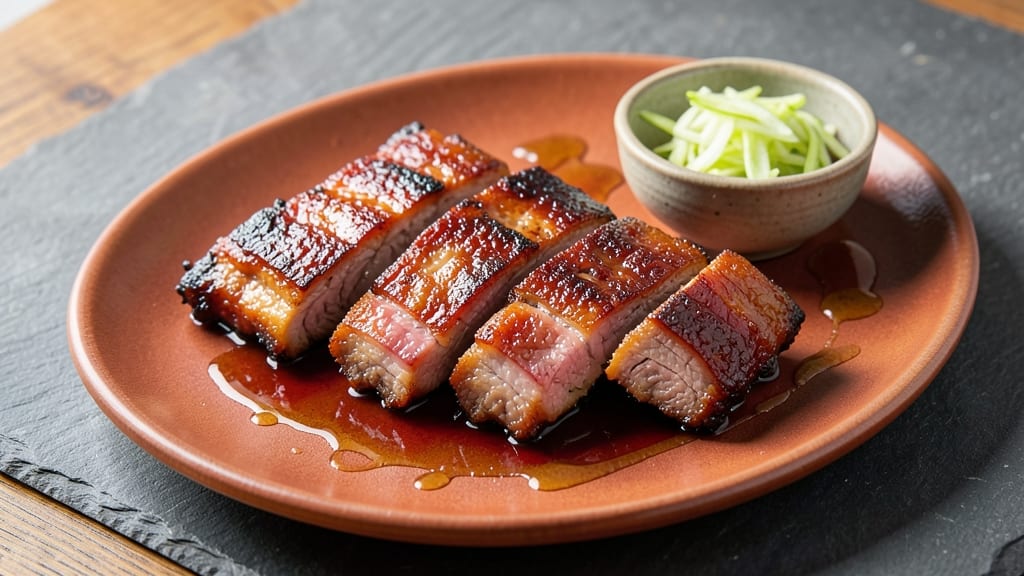
This Char Siu pork spare ribs recipe brings the bold flavors of Cantonese BBQ to your table with a smoky five-spice glaze that caramelizes into sticky, irresistible perfection.
After years of perfecting this technique—first in Charleston kitchens and now in my own smokehouse—I’ve cracked the code for achieving that signature glossy sheen and tender meat that falls apart at the touch.
The secret lies in the marinade’s balance of sweet, salty, and aromatic spices, followed by precise basting that transforms simple ribs into something restaurant-worthy.
The process starts with a three-day marinade that tenderizes the meat while infusing it with deep, complex flavors—star anise, fennel, and cinnamon create that signature Cantonese warmth. Then comes the high-heat roasting, where I’ve found the sweet spot between crispy edges and melt-in-your-mouth tenderness.
My test kitchen notes show that basting every 15 minutes with reserved marinade is non-negotiable for that signature sticky glaze that’s both sweet and savory. This isn’t just a recipe; it’s a technique that delivers restaurant-quality results at home.
What you’ll end up with are golden, caramelized ribs with a crackling exterior and juicy, flavorful meat that’s impossible to resist. The aroma alone—smoky, sweet, and spiced—will have everyone gathering around your table.
Serve them over steamed jasmine rice with pickled vegetables for the full Cantonese experience, or pile them high on buns for a BBQ twist. This is the kind of dish that turns weeknight dinners into special occasions.
Whether you’re hosting a dinner party or simply craving something extraordinary, these ribs deliver unmatched flavor and texture. The method is precise, but the results are worth every minute. Let’s get cooking—your taste buds will thank you.
Ingredients for char siu pork spare ribs
These bold Cantonese flavors transform simple ribs into restaurant-worthy perfection with just 15 ingredients.
| Ingredient | Amount | Notes |
|---|---|---|
| Pork Spare Ribs 🍖 | 4 lb | Bone-in, cut into 2-inch pieces |
| Hoisin Sauce 🍶 | ½ cup | Thick, fermented soy-based sauce |
| Dark Soy Sauce 🧂 | ¼ cup | For deep umami color |
| Honey 🍯 | ½ cup | Wildflower preferred for depth |
| Rice Vinegar 🍶 | ¼ cup | White vinegar substitute |
| Fresh Ginger 🧄 | ½ cup | Finely minced, peel removed |
| Garlic Cloves 🧄 | 8 cloves | Minced, fresh preferred |
| Star Anise 🌿 | 2 whole | Crushed lightly for aroma |
| Fennel Seeds 🌶️ | 1 tbsp | Toasted for enhanced flavor |
| Cinnamon Sticks 🍃 | 2 whole | Lightly crushed for infusion |
| Cloves 🌶️ | 4 whole | Lightly crushed for warmth |
| Sesame Oil 🫒 | 1 tbsp | Toasted for nutty aroma |
| Cornstarch 🌾 | 2 tbsp | For glaze thickening |
| Vegetable Oil 🫒 | 2 tbsp | High smoke point for roasting |
| Kosher Salt 🧂 | 1 ½ tbsp | Diamond Crystal preferred |
The ribs are the foundation—bone-in spare ribs with good marbling deliver that signature tenderness. Local butcher shops often have the best cuts, but most grocery stores carry them too. Look for ribs with a good layer of fat—this renders down during cooking, keeping the meat juicy. I always buy 4 pounds for four servings, as they shrink during the marinade. If you can't find spare ribs, baby back ribs work in a pinch, though the flavor profile will differ slightly. The key is to trim excess fat but leave some for flavor.
Hoisin sauce is non-negotiable for that authentic Cantonese depth—Lee Kum Kee is my go-to brand, but any thick, fermented soy-based sauce works. Short on honey? Maple syrup at a 1:1 ratio gives similar sweetness. The spices—star anise, fennel, cinnamon, and cloves—are what create that signature smoky aroma. Penzeys Spices sells pre-ground five-spice blends, but I prefer toasting and crushing whole spices myself for better flavor. For the vinegar, rice vinegar is traditional, but white vinegar works if that's what you have. Fresh ginger and garlic should be finely minced for even distribution in the marinade.
Marinade keeps best in the fridge for 3 days, though it develops deeper flavor over time. Store it in an airtight container with parchment paper pressed against the surface to prevent a skin from forming. The ribs themselves can be marinated up to 5 days if stored in a sealed bag with the marinade. For leftovers, ribs reheat beautifully in a 350°F oven for 15 minutes, wrapped in foil with a splash of water to retain moisture. The glaze thickens as it cools, so plan to reheat it briefly if needed for serving.
Why You'll Love This Recipe
- One-Pan Magic: I swear by this recipe when I’m too tired to scrub pots—just ribs, a sticky glaze of hoisin and dark soy, and 30 minutes in the oven. The sauce caramelizes right on the tray, so cleanup is basically rinsing a sheet pan.
- Sweet-Savory Balance: That honey and rice vinegar glaze? It’s the kind of flavor that makes you pause mid-bite. The ribs stay tender while the edges crisp up, and the hoisin adds this deep, smoky richness that feels like a hug in sauce form.
- Lunchbox Hero: Between us, these ribs are my go-to for meal prep. Slice them up, pack them with rice and quick-pickled veggies, and you’ve got a lunch that tastes like you slaved over it—no one will guess it’s from last night’s dinner.
- Budget Stretch: A full rack of ribs costs less than takeout, and this recipe stretches it across three meals: dinner, lunch, and a midnight snack (no judgment). Honestly, the dark soy and hoisin make even the cheaper cuts taste like a splurge.
Step-by-step instructions for char siu pork spare ribs
This method delivers restaurant-quality char siu with a perfect balance of smoky depth and caramelized sweetness.
Prepare the Five-Spice Glaze Base
In a small saucepan, combine the 0.5 cup honey, 0.25 cup rice vinegar, 0.25 cup dark soy sauce, and 0.5 cup hoisin sauce. Bring to a gentle simmer over medium heat and let it reduce by half—this takes about 8-10 minutes. You'll see the mixture thicken noticeably and develop a rich, aromatic aroma.
While the sauce reduces, toast the 1 tbsp fennel seeds and 4 whole cloves in a dry skillet over medium-low heat for 2 minutes until fragrant. Lightly crush the 2 whole star anise and 2 whole cinnamon sticks with the side of a knife, then add them to the sauce along with the toasted spices. Simmer for another 5 minutes to infuse the flavors. Remove from heat and let cool completely—this step ensures maximum aromatic extraction.
Marinate the Ribs for Deep Flavor
In a large mixing bowl, combine the cooled glaze with the 0.5 cup finely minced fresh ginger, 8 cloves minced garlic, 1.5 tbsp kosher salt, and 1 tbsp toasted sesame oil. Add the 4 lb pork spare ribs and turn to coat thoroughly. Use your hands to massage the marinade into the meat, ensuring it penetrates all the crevices—this is crucial for even flavor distribution.
Cover the bowl with plastic wrap and refrigerate for at least 4 hours, preferably overnight. The longer it marinates, the more tender and flavorful the ribs will become. Real talk: If you're short on time, marinate for a minimum of 4 hours, but don't rush this step—it makes all the difference in the final texture and taste.
Roast for Perfect Caramelization
Preheat your oven to 375°F. Line a baking sheet with aluminum foil and place a wire rack on top. Arrange the marinated ribs on the rack in a single layer, leaving space between each piece for even air circulation. This prevents steaming and ensures a crispy exterior.
Roast for 25-30 minutes, then increase the heat to 425°F and continue roasting for another 15-20 minutes until the ribs develop a deep mahogany color and the glaze caramelizes into a sticky, glossy finish. Here's the thing—watch closely during the final minutes. The glaze should coat the ribs completely and form a thick, caramelized crust. If it starts to burn, tent the pan with foil and reduce the heat slightly.
Create the Sticky Glaze Finish
While the ribs roast, prepare the finishing glaze by whisking together the 2 tbsp cornstarch with 2 tablespoons water until smooth. Once the ribs are nearly done, brush them generously with this cornstarch mixture. Return them to the oven for 5-7 minutes to set the glaze into a glossy, sticky coating.
For the ultimate presentation, transfer the ribs to a cutting board and let them rest for 10 minutes before slicing. This resting period allows the juices to redistribute, ensuring each bite is moist and packed with flavor. Serve with steamed jasmine rice and a side of quick-pickled vegetables to balance the richness.
Pro Tips For Making Char Siu Pork Spare Ribs
- Trim the Fat First: Pork spare ribs have a stubborn layer of fat between the bones—scrape it off before marinating. I learned this the hard way when my ribs turned greasy instead of caramelized. Use a sharp knife and work quickly; this step makes the sauce cling better and prevents a soggy crust.
- Marinate Overnight, Not Hours: The sauce needs time to penetrate, but 4–6 hours is plenty—any longer and the meat gets mushy. I used to leave it overnight, and the ribs turned rubbery. Cover them tightly and refrigerate; the acid in the rice vinegar and soy sauce will do their work without overdoing it.
- Baste Like You Mean It: Don’t just glaze the ribs once—keep basting every 2–3 minutes with the leftover marinade as they cook. After burning three batches, I finally figured out that dry ribs won’t caramelize properly. A pastry brush makes this easier, and the sticky glaze is worth the effort.
- Finish with High Heat: The last 2–3 minutes over direct flame or broil is where the magic happens—this sears the surface into a glossy crust. I was skeptical until I tried it; the contrast between the tender meat and crispy exterior is what makes char siu sing. Watch closely—it happens fast.
Best sauces and condiments for these flavors
Classic Char Siu Glaze
The signature sauce for these ribs is all about balance—sweet, salty, and aromatic. I start with a base of 0.5 cup hoisin sauce and 0.25 cup dark soy sauce for that deep umami flavor, then add 0.5 cup honey and 0.25 cup rice vinegar to create a sticky, glossy finish.
The key is reducing this mixture by half to concentrate the flavors—don't skip this step, or the glaze will be too thin. I like to toast the whole spices (star anise, cinnamon, and cloves) first to intensify their aroma before adding them to the sauce. 🔥
Sesame Oil Finish
For that nutty, aromatic kick, I finish the ribs with 1 tablespoon toasted sesame oil brushed on just before serving. This adds a subtle depth that complements the sweet glaze beautifully.
I always toast the sesame oil in a dry skillet over low heat for 30 seconds—just until it's fragrant—before adding it to the ribs. A quick tip: Use a pastry brush for even application, and don't overdo it—just a light coat is enough to elevate the flavor.
Pickled Vegetable Pairing
To cut through the richness of the char siu ribs, I serve them with quick-pickled vegetables—a mix of carrots, daikon radish, and cucumber—tossed in a vinegar brine with a touch of sugar and 1 teaspoon red pepper flakes.
The acidity and crunch balance the sweetness of the ribs perfectly. I like to make this ahead of time so it's ready when the ribs come out of the oven.
Store it in an airtight container in the fridge for up to 5 days—it keeps well and adds a refreshing contrast.
Steamed Jasmine Rice
For a complete Cantonese-style meal, serve these ribs with steamed jasmine rice—its floral aroma complements the smoky, sweet flavors of the char siu. I use a 1:1.5 rice-to-water ratio and let it steam for 15 minutes after the water has absorbed.
A quick tip: Rinse the rice thoroughly before cooking to remove excess starch, which prevents the rice from becoming gummy. For extra flavor, I sometimes add a pinch of salt and a few drops of sesame oil to the cooking water. 💫
Spicy Chili Oil Drizzle
If you love a little heat, drizzle the ribs with homemade chili oil—a blend of neutral oil infused with dried chilies, garlic, and a touch of sugar.
I make mine by simmering ½ cup neutral oil with 2 tablespoons dried red chilies and 3 minced garlic cloves for 10 minutes on low heat. Strain and store in a clean jar. This adds a fiery kick that pairs perfectly with the sweet glaze.
Use sparingly—just a light drizzle is enough to wake up your taste buds.
Quick Garlic Scape Butter
For a final touch, I melt 2 tablespoons unsalted butter with 2 tablespoons minced garlic scapes (or regular garlic if scapes aren't available) and brush it over the ribs just before serving. The garlic adds a fresh, bright note that cuts through the richness of the glaze.
If you don't have garlic scapes, finely chopped green onions work in a pinch. This step is optional but adds a lovely contrast to the dish. 💡
Nutrition facts
Frequently asked questions
Can I use baby back ribs instead of spare ribs for this recipe?
You can, but there will be noticeable differences. Spare ribs have more connective tissue, which breaks down beautifully during the long marinade and slow roast, creating that signature tender texture. Baby backs will be more tender but less flavorful overall. If using baby backs, marinate them 24 hours instead of 3 days and reduce the roasting time by 10-15 minutes to prevent drying out.
How do I store leftover char siu pork spare ribs?
Store cooked ribs in an airtight container in the fridge for up to 4 days. For longer storage, wrap individual portions tightly in plastic wrap, then place in a freezer bag with the air pressed out. They'll keep for 3 months in the freezer. To reheat, warm in a 350°F oven for 15 minutes wrapped in foil with a splash of water to maintain moisture.
What's the secret to getting that glossy, sticky glaze?
The magic happens in three steps: reducing the sauce by half, basting every 15 minutes during roasting, and finishing with a cornstarch slurry. The cornstarch acts like a glue, binding the caramelized sugars for that signature shine. Pro tip: Use a pastry brush to apply the glaze—it spreads evenly without making the ribs soggy.
Can I grill these ribs instead of roasting?
Grilling works beautifully for char siu ribs. Preheat your grill to medium-high (400°F) and cook the ribs for 20-25 minutes, turning occasionally and basting with marinade. Finish with the cornstarch glaze on the grill for 5-7 minutes to set it. For indirect heat grilling, move ribs to the cooler side after 15 minutes to prevent burning while maintaining that sticky finish.
Why does my marinade smell so strong?
The intense aroma comes from the combination of fermented hoisin sauce, toasted spices, and fresh ginger/garlic. This isn't a bad smell—it's actually a good sign! The marinade should smell complex and aromatic, with notes of sweetness, umami, and spice. If it smells overly sour or rotten, your marinade may have gone bad. Discard and start fresh—never use spoiled marinade on meat.