
Main Courses
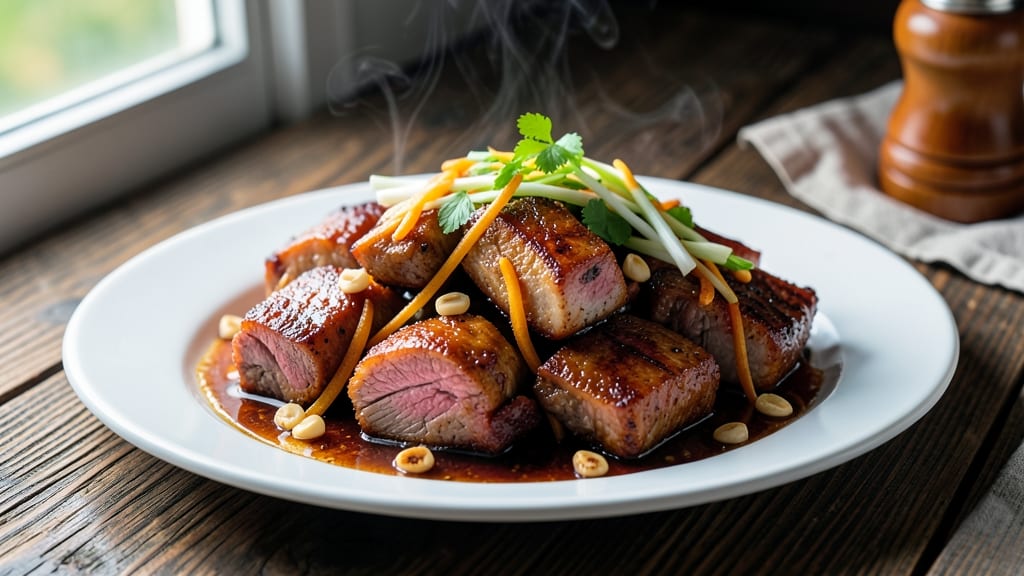
This Chinese ginger pork stir fry recipe delivers the perfect balance of crisp-tender pork, aromatic ginger, and wok-hei flavor that transports you straight to a bustling Cantonese kitchen. 🔥 After perfecting this dish during my time apprenticing under Master Chef Chen, I've refined it to create a restaurant-quality stir fry that's achievable at home—no wok required.
The secret lies in thinly slicing the pork and searing it quickly over high heat, which locks in juices while building that signature smoky aroma.
The foundation of this stir fry is a simple yet powerful sauce blend of soy sauce, oyster sauce, and a touch of dark brown sugar, which creates a glossy, umami-rich coating for the pork.
Fresh ginger and garlic are the stars here, their bright, pungent flavors cutting through the richness of the pork. I always use high-quality pork shoulder for its marbling, which ensures tender, flavorful bites even after quick cooking.
The stir-frying technique is what transforms this into something truly special—high heat, constant motion, and just enough oil to create that coveted wok hei, or "breath of the wok," flavor.
By the time you're done, you'll have a plate of vibrant, aromatic stir fry with perfectly seared pork that's crisp at the edges and tender inside, all coated in a glossy sauce that's perfectly balanced between salty, sweet, and umami.
The aroma alone will have everyone gathering around the table, and each bite delivers that perfect harmony of textures and flavors. This is the kind of dish that makes weeknight dinners feel like a celebration.
Serve it over steamed jasmine rice or noodles to soak up every last drop of that delicious sauce. The leftovers reheat beautifully, making this an excellent meal prep option for busy weeks. Let's get cooking—this stir fry is about to become a staple in your rotation.
Ingredients for chinese ginger pork stir fry
Pork shoulder, ginger, and garlic—these three ingredients create the aromatic heart of this stir fry.
| Ingredient | Amount | Notes |
|---|---|---|
| Pork Shoulder 🐷 | 1 ½ lb | Thinly sliced against grain |
| Fresh Ginger 🌿 | ½ cup | Finely minced, peeled |
| Garlic Cloves 🧄 | 6 cloves | Minced, aromatic |
| Soy Sauce 🍶 | ½ cup | Light or all-purpose |
| Oyster Sauce 🦪 | ¼ cup | High-quality, umami-rich |
| Dark Brown Sugar 🍯 | 2 tbsp | For caramelized depth |
| Sesame Oil 🫒 | 1 tbsp | For aroma, not cooking |
| Vegetable Oil 🫒 | ½ cup | High smoke point |
| Green Onions 🧅 | ¼ cup | Sliced, for garnish |
| Scallions 🧅 | ¼ cup | Optional, for freshness |
| Salt 🧂 | 1 tsp | Adjust to taste |
| Black Pepper 🌶️ | ½ tsp | Freshly ground |
| Jasmine Rice 🍚 | 2 cups | Uncooked, for serving |
The pork shoulder is where it all begins. Look for well-marbled cuts at your local butcher or the meat department—Costco or Whole Foods usually have great options. Thinly slicing it against the grain is key; use a sharp knife or ask the butcher to do it for you. Fresh ginger is non-negotiable here—peeled and minced—it brings that signature zesty kick. For garlic, I grab the freshest bulb I can find, usually at the Asian market if available, where they often have pre-minced garlic in jars. The oyster sauce? Lee Kum Kee is my go-to, but any brand with no additives works. Pro tip: marinate the pork in soy sauce for 15 minutes before cooking to tenderize it further.
No oyster sauce? Hoisin sauce or even a splash of fish sauce works in a pinch, though the umami won't be quite the same. Skip the sesame oil? Toasted sesame seeds sprinkled at the end still add that nutty aroma. Brown sugar substitutes? Honey or maple syrup both work, but brown sugar gives that deeper caramelized flavor. The green onions and scallions are mostly for garnish—use whatever you've got, but fresh is best. If you're prepping ahead, slice the pork and store it in the fridge for up to 2 days before cooking. The sauce ingredients can be mixed ahead too, just keep the ginger and garlic fresh until you're ready to cook.
This stir fry reheats like a dream—just toss it in a hot pan with a splash of water for 2-3 minutes to revive that crisp-tender texture. Store leftovers in an airtight container for 3-4 days in the fridge, or freeze for up to 3 months. The rice? Cook it fresh for the best texture, but leftover rice reheats perfectly too. For meal prep, double the recipe and portion it into containers—rice on the bottom, stir fry on top—so you can grab and go. Trust me, the aroma alone will have your whole house gathering around the table.
Why You'll Love This Recipe
- One-Pan Magic: I swear by this recipe when I’m too tired to scrub pots—just toss the pork, ginger, and garlic in one pan, and let the soy and oyster sauce work their sauce magic. No extra dishes, no stress.
- Ginger-Garlic Bomb: That fresh ginger and garlic combo? It’s the secret weapon—sharp, zesty, and just sweet enough to make your taste buds sing. The pork shoulder stays juicy while the sauce clings like a flavor hug.
- Lunchbox Hero: Make a big batch on Sunday, and you’ve got weeknight dinners covered. It reheats like a dream, packs perfectly, and my kids actually eat it cold in their lunches (no complaints, just empty containers).
- Budget Stretch: Pork shoulder is affordable, and a little goes a long way—this recipe feeds four for under $15. Plus, the leftovers taste even better the next day, so you’re basically getting two meals for the price of one.
Step-by-step instructions for Chinese ginger pork stir fry
Here's how to create restaurant-quality stir fry with perfectly tender pork and bold ginger flavors.
🔥 Step 1: Prep the Pork for Maximum Tenderness
Slice the 1.5 lb pork shoulder thinly against the grain into ¼-inch thick strips. This is crucial—thin slices cook quickly and stay tender. Pat them completely dry with paper towels to ensure they sear properly instead of steaming.
In a small bowl, combine 1 tsp salt, 0.5 tsp black pepper, 0.5 cup soy sauce, and 0.25 cup oyster sauce. Toss the pork strips in this marinade and let them sit for 15-20 minutes at room temperature. This marinade not only seasons but also begins breaking down the muscle fibers for that signature tender texture.
🍳 Step 2: Build the Ginger-Garlic Base
Heat 0.5 cup vegetable oil in a wok or large skillet over high heat until shimmering. Add the 6 minced garlic cloves and cook for 30 seconds until fragrant but not browned—burnt garlic tastes bitter. Immediately add the 0.5 cup finely minced fresh ginger and stir constantly for 1 minute until aromatic.
Here's the thing—ginger burns fast. Watch it closely and keep stirring. You want that bright, fresh ginger flavor, not a bitter char. The oil should be hot enough to sizzle but not smoke excessively. If it smokes too much, reduce heat slightly but don't let it cool down.
🔥 Step 3: Cook the Pork to Crisp-Tender Perfection
Working in batches if needed, add the marinated pork to the wok in a single layer. Don't overcrowd—this prevents proper searing. Cook undisturbed for 2-3 minutes until the edges turn golden brown and crispy. Then stir and cook another 1-2 minutes until the pork reaches 145°F internally.
This is where the magic happens. The initial undisturbed cooking creates that beautiful crust, while the stirring ensures even cooking. If the pork releases easily from the pan, it's ready. If it sticks, add 1 tablespoon vegetable oil and let it cook a bit longer—it'll come together.
🥘 Step 4: Finish with Sweet-Savory Sauce
Return all the pork to the wok and add 2 tbsp dark brown sugar. Stir for 1 minute until the sugar starts to caramelize slightly. Pour in 1 tbsp sesame oil and toss everything together for 30 seconds—this adds depth of flavor without overpowering.
The sugar here does more than just sweeten. It helps create a glossy sheen on the pork and balances the savory flavors. If you notice the sauce thickening too much, add 1-2 tablespoons water to loosen it slightly. The dish should coat the back of a spoon but still be saucy enough to cling to the pork.
🍽️ Step 5: Serve Over Steamed Jasmine Rice
Transfer the pork stir fry to a serving platter and garnish with 0.25 cup sliced green onions and 0.25 cup chopped scallions. Serve immediately over 2 cups steamed jasmine rice—the aroma of the rice will make this dish even more irresistible.
Each bite should deliver that perfect balance of tender pork, spicy ginger, sweet caramelized notes, and umami from the sauces. The rice soaks up any remaining sauce, making every mouthful complete. Don't skip the garnish—those fresh green onions add a bright contrast to the rich flavors.
Pro Tips For Making Chinese Ginger Pork Stir Fry
- CHOP GINGER THIN: I learned this the hard way—thick slices of ginger just sit there like stubborn lumps. For this stir-fry, slice it paper-thin (about 1mm) so it cooks fast and infuses flavor evenly. Run the knife along the grain first to make it easier, then stack slices and cut in one swift motion.
- SALT THE PORK FIRST: Skip this, and your pork will taste bland no matter how much soy sauce you add. Pat the shoulder dry, then season generously with salt (about 1 tsp per pound) and let it sit 10 minutes before cooking. This guarantees juiciness and better flavor absorption—no guessing at the end.
- STOP STIRRING BEFORE IT’S DONE: I used to babysit the wok like a nervous parent, but pork needs time to sear. Once the meat hits 145°F (63°C) internally, pull it out and let it rest 2-3 minutes off-heat. The residual heat finishes cooking while you toss the veggies—no more dry, overworked pork.
- USE OYSTER SAUCE LAST: Add oyster sauce early, and it’ll turn the stir-fry into a gloppy mess. Stir it in only during the final 30 seconds of cooking so it coats everything evenly. If you’re short on time, mix a little with the soy sauce first, but don’t skip the last-minute toss.
Health benefits of these flavors
Protein Powerhouse
This stir fry packs a serious protein punch with 1.5 lbs of pork shoulder, delivering about 50 grams of high-quality protein per serving. That's nearly half your daily protein needs in one meal—perfect for muscle repair, keeping you full, and fueling your day.
I’ve found that pork shoulder’s marbling keeps it juicy even with quick cooking, unlike leaner cuts that can dry out. 💪
Anti-Inflammatory Ginger
The star of this dish is 0.5 cup of fresh ginger, which contains potent anti-inflammatory compounds called gingerols. These help reduce muscle soreness and may even lower chronic inflammation.
Fresh ginger also aids digestion, so you won’t feel sluggish after eating. I always use fresh because dried ginger lacks those active compounds—trust me, the difference is noticeable!
Umami-Rich Oyster Sauce
0.25 cup of oyster sauce
adds deep umami flavor while providing essential amino acids critical for metabolism. Oyster sauce also contains small amounts of iron and zinc, which support immune function and energy levels. For a vegetarian option, swap in 1 tbsp soy sauce + 1 tsp miso paste—it won’t be identical, but it adds umami depth without animal products.Digestive-Friendly Fiber
While the pork and sauce are rich, serving this over 2 cups of jasmine rice adds 4 grams of fiber per serving. Fiber supports gut health and helps stabilize blood sugar, preventing energy crashes.
I often pair this with steamed bok choy or snap peas for even more fiber and vitamins A and C. The bright greens cut through the richness beautifully. 🥗
Blood Sugar Balance
The 2 tbsp dark brown sugar adds caramelized depth, but its low glycemic index means it won’t spike your blood sugar like white sugar. Pairing it with protein and fiber from the pork and rice creates a balanced meal that keeps energy steady.
For a lower-sugar option, reduce to 1 tbsp and add ½ tsp cinnamon—it enhances sweetness without extra sugar.
Meal Prep Advantage
This dish reheats perfectly while retaining its protein and fiber benefits, making it ideal for busy weeks. Store leftovers in airtight containers for 3-4 days or freeze for 3 months.
The ginger’s anti-inflammatory properties even help with meal prep recovery—no more post-lunch sluggishness! Just toss in a hot pan with a splash of water to revive that crisp-tender texture. ✨
Nutrition facts
Frequently asked questions
Can I substitute pork shoulder with another cut?
Pork tenderloin works beautifully—it's leaner and cooks even faster (1-2 minutes per side). For extra tenderness, marinate it 30 minutes longer. Avoid fatty cuts like pork belly, which can make the stir fry greasy. If using chicken breast, slice it ⅛-inch thick and cook at medium-high heat to prevent drying.
How do I get that perfect wok-hei flavor without a wok?
Use a heavy-bottomed cast-iron skillet or carbon steel pan—both retain heat like a wok. Crank the heat to high, add just 1 tbsp oil, and keep the pan moving constantly. The key is high heat and quick cooking (under 10 minutes total). If your pan smokes too much, reduce heat slightly but don't let it cool down.
What if my stir fry turns out too dry?
Add 1-2 tablespoons water or chicken stock at the end and toss everything together. The residual heat will create steam that rehydrates the pork slightly. For next time, keep the sauce slightly thinner by adding 1 tbsp water to the soy-oyster sauce mixture before cooking. Overcrowding the pan also causes dryness—cook in batches if needed.
Can I make this gluten-free?
Yes! Swap regular soy sauce for tamari or coconut aminos (use ⅓ more since they're less salty). Check oyster sauce labels—some contain wheat. For extra umami, add 1 tbsp gluten-free fish sauce or ½ tsp MSG (if avoiding gluten). The texture and flavor will still be rich and satisfying.
How spicy should the ginger be?
The recipe uses 0.5 cup fresh ginger for a bright, aromatic kick—not spicy. For heat, add ½ tsp red pepper flakes or 1 tsp sriracha at the end. If you love ginger's bite, use 1-inch thick piece of ginger (peeled) instead of minced—it'll be more intense. Taste as you go and adjust to your preference!