
Main Courses
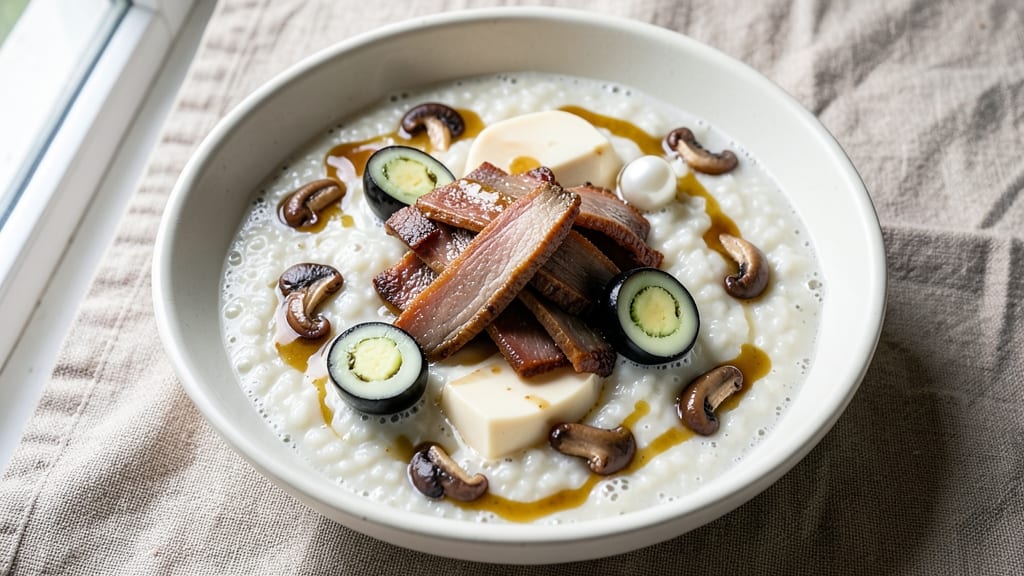
This century egg pork porridge delivers the comforting warmth of a traditional Chinese home meal, where each spoonful balances rich umami with delicate silken tofu. The secret lies in slow-cooked pork that melts into the broth, paired with century eggs that add their signature creamy, briny depth.
I first discovered this dish during a culinary exchange in Shanghai, where it became a staple in my repertoire for its ability to transform simple ingredients into something deeply satisfying.
The foundation of this dish is a silky porridge base—cooked low and slow until each grain dissolves into a velvety texture that clings to the spoon.
Thinly sliced pork, marinated in soy and rice wine, infuses the broth with layers of savory flavor, while century eggs provide that signature contrast of creamy yolk and firm white. The dish comes together in stages, allowing each component to develop its own character before harmonizing in the final bowl.
What makes this porridge truly special is its versatility—it can be a light lunch or a hearty dinner, depending on how you customize it. Add a spoonful of chili oil for heat, crispy shallots for texture, or fresh cilantro for brightness.
The result is a dish that feels both nostalgic and refined, perfect for sharing or savoring alone. Let's bring this comforting classic to your table.
This recipe balances tradition with approachability, ensuring you can achieve restaurant-quality results at home. The key is patience—letting the pork render slowly and the porridge develop its signature silkiness. Whether you're introducing someone to Chinese comfort food or simply craving a bowl of warmth, this porridge delivers every time.
Ingredients for century egg pork porridge
Four ingredients transform into a comforting bowl of umami and silkiness.
| Ingredient | Amount | Notes |
|---|---|---|
| Century Eggs 🥚 | 4 whole | High-quality, firm white preferred |
| Pork Shoulder 🥩 | 1 lb | Thinly sliced, fat cap included |
| Silken Tofu 🧈 | 1 block | Soft, unpressed tofu |
| Jasmine Rice 🌾 | ½ cup | Uncooked, short-grain preferred |
| Dried Shiitake Mushrooms 🍄 | 4 whole | Rehydrated, stems removed |
| Light Soy Sauce 🥄 | ¼ cup | For pork marinade |
| Rice Wine 🍶 | 2 tbsp | Shaoxing wine preferred |
| Sesame Oil 🫒 | 1 tbsp | Toasted for aroma |
| Dried Red Dates 🍇 | 4 whole | Pitted, chopped |
| Dried Goji Berries 🍓 | 1 tbsp | Plump, chopped |
| Green Onions 🧅 | 3 whole | Thinly sliced, white and green parts |
| Chili Oil 🌶️ | 1 tbsp | For serving, optional |
| Salt 🧂 | 1 tsp | Adjust to taste |
| White Pepper 🌶️ | ½ tsp | Freshly ground |
Century eggs are the star here—look for ones with a firm white and creamy yolk. Asian grocery stores usually carry them, or check the refrigerated section. If you can't find them, substitute with quail eggs marinated in soy sauce for 24 hours, though the texture won't be identical. The pork shoulder should have visible fat—this renders into flavor during cooking. Costco or local butchers often have good cuts. For the silken tofu, Hodo or Nasoya brands are my go-to, but any soft tofu works. Avoid firm tofu—it won't dissolve properly into the porridge.
No century eggs? Try preserved eggs from a Chinese market—they're similar but less common. For the pork, if you can't find shoulder, pork belly works too, but trim most of the fat first. The shiitake mushrooms should be rehydrated in hot water for 20 minutes before using. Dried goji berries can be swapped with raisins if needed, though they add a unique sweetness. The rice wine is non-negotiable—substitute with dry sherry in a pinch. For extra richness, add a splash of coconut milk to the porridge base, though traditionalists might frown.
The porridge keeps well for 3 days in the fridge—it actually tastes better the next day as flavors meld. Reheat gently with a splash of water. The century eggs and silken tofu can be prepped ahead and stored separately. Portion into containers for easy lunches. For serving, keep the chili oil and green onions on the side so everyone can adjust to taste. The leftovers freeze beautifully for up to 3 months—just thaw overnight in the fridge before reheating.
Why You'll Love This Recipe
- No-Chop Nightmare: I swear by this when I’m too tired to dice anything. The pork shoulder gets slow-cooked until it’s fall-apart tender—no small cuts, no fussy prep—and the century eggs just slide out of their shells whole. Honestly, the only knife work is slicing the shiitakes, and even that’s optional if you use pre-soaked ones.
- Umami Bomb: That first spoonful of porridge? The century eggs bring this deep, briny richness that cuts through the pork’s richness, while the shiitakes add an earthy depth. Between us, the silken tofu soaks up all the broth like a little flavor sponge—creamy, not mushy, and every bite feels like a hug for your taste buds.
- Leftovers Win: This recipe actually improves the next day. The flavors meld even more, and the rice turns into that perfect, sticky consistency. I’ll make a big batch on Sunday, and by Wednesday, it’s still my go-to—just reheat with a splash of water, and boom, instant dinner. (Yes, even on a Tuesday night.)
- Budget Powerhouse: Pork shoulder is cheap, dried shiitakes stretch forever, and century eggs last weeks in the fridge. I’ve fed four people for under $15 with this, and it’s still the kind of meal that makes everyone pause mid-bite. Not the prettiest, but the taste makes up for it—and your wallet thanks you.
Step-by-step instructions for century egg pork porridge
Here's how to create a luxurious bowl of century egg pork porridge with rich broth and tender silken tofu.
Prepare the Pork and Aromatics
In a large pot, combine the 1 lb pork shoulder with 0.25 cup light soy sauce, 2 tbsp rice wine, 1 tsp salt, and 0.5 tsp white pepper. Let it marinate for 15 minutes while you prepare the rest. This marinade will infuse the pork with deep umami flavor and tenderize it beautifully.
Meanwhile, rehydrate the 4 whole dried shiitake mushrooms by soaking them in hot water for 20 minutes. Drain and chop them finely. Chop the 4 whole dried red dates and 1 tbsp dried goji berries into small pieces. Thinly slice the 3 whole green onions. These aromatics will form the flavor base of your porridge.
Build the Umami-Rich Broth
In the same pot with the marinated pork, add 4 cups water (enough to cover the pork) and bring to a boil over medium-high heat. Once boiling, reduce to low heat and simmer for 45 minutes, partially covered, until the pork is fork-tender. This slow cooking extracts all the collagen from the pork, creating a silky broth.
Remove the pork and shred it using two forks. Return the shredded pork to the broth along with the rehydrated shiitake mushrooms, chopped red dates, goji berries, and 0.5 cup jasmine rice. Simmer uncovered for another 20 minutes until the rice is tender and the broth has thickened slightly. The rice should be just barely al dente—it will finish cooking in the steam.
Incorporate the Silken Tofu and Century Eggs
Gently fold in the 1 block silken tofu, cut into small cubes, and the 4 whole century eggs, halved lengthwise. The silken tofu will melt into the broth, creating a velvety texture, while the century eggs add their signature creamy, slightly alkaline center. Let the porridge simmer for 5 more minutes—just enough to warm through without breaking down the tofu.
Here's the thing—don't overcook the century eggs. They should be warm but still hold their shape. If you notice the white starting to separate too much, remove the pot from heat immediately. The contrast between the creamy egg centers and the rich broth is what makes this dish special.
Finish and Serve
Remove the pot from heat and let the porridge rest for 2 minutes. This resting period allows all the flavors to meld together. Drizzle with 1 tbsp sesame oil and 1 tbsp chili oil (if using), then sprinkle with the sliced green onions. The chili oil adds a subtle heat that balances the richness, while the sesame oil enhances the nutty aroma.
Serve immediately in deep bowls, making sure each portion gets a generous helping of both the tender pork and creamy century eggs. The porridge should be thick but still spoonable, with a glossy sheen from the broth. Each bite should deliver a perfect harmony of textures—creamy tofu, tender pork, and the distinctive century egg yolk. Enjoy while warm for the ultimate comfort food experience.
Pro Tips For Making Century Egg Pork Porridge
- Pork Shoulder: Slice Thin, Then Soak: I learned this the hard way—thinly sliced pork shoulder cooks faster and blends into the porridge better, but it still needs a quick soak in warm water (about 10 minutes) to tenderize before cooking. Skip this, and you’ll end up with chewy chunks that fight the rice texture.
- Century Eggs: Crack, Not Chop: Sounds weird, but it works: gently crack the century eggs open with a spoon instead of chopping them. The jelly stays intact, giving you those perfect, bite-sized bursts of flavor in every spoonful. Chopping turns them into mush that disappears into the porridge too fast.
- Shiitake: Rehydrate Right: Dried shiitake mushrooms soak up water like sponges—drop them in hot (not boiling) water for 15 minutes, then slice before adding to the porridge. Cold water soaking makes them rubbery, and if you slice them dry, they’ll turn to sawdust instead of adding chewy texture.
- Silken Tofu: Cube and Warm: Cut the silken tofu into 1-inch cubes and gently warm them in the porridge after the pork is fully cooked. This keeps them silky instead of absorbing too much liquid and turning to glue. Add them too early, and they’ll fall apart into a sad, watery mess.
Creative variations of these flavors
Spicy Sichuan Twist
Transform this classic porridge into a fiery Sichuan masterpiece by adding 1 tbsp Sichuan peppercorns toasted in a dry pan until fragrant, then crushed into the pork marinade.
Stir in 1 tbsp doubanjiang (fermented chili bean paste) after the pork has simmered for 30 minutes, along with 1 tsp sugar to balance the heat. Top with crispy fried shallots and a drizzle of chili oil for that signature numbing-spicy kick.
I first tried this version in Chengdu, where the locals swear by it for cold winter days. 🌶️
Vegetarian Adaptation
Skip the pork entirely and use 8 oz rehydrated king oyster mushrooms sliced thinly to mimic meaty texture. Marinate them in 2 tbsp soy sauce, 1 tbsp rice wine, and 1 tsp sesame oil for 15 minutes.
Add them to the broth with the shiitake mushrooms and simmer until tender. For extra protein, stir in ½ cup cooked lentils or crumbled tofu at the end. This version keeps all the comforting flavors while making it plant-based. 🌱
Sweet and Savory Fusion
Add a touch of sweetness by incorporating 3 tbsp lotus seed paste (available at Asian markets) into the porridge base while simmering the rice.
For texture, top with crispy fried red bean paste—just heat ½ cup red bean paste in a pan with 1 tsp oil until golden and crunchy. This fusion style reminds me of the desserts I'd see in Shanghai teahouses, where sweet and savory coexist beautifully. 🍡
Modern Korean-Inspired
Give this porridge a Korean twist by adding 1 tbsp gochujang (Korean chili paste) to the pork marinade and stirring in ½ cup kimchi during the final 5 minutes of cooking. Finish with a sprinkle of toasted sesame seeds and a drizzle of sesame oil.
The tangy, spicy kimchi cuts through the richness, creating a perfect balance. This version is inspired by my time in Seoul, where I fell in love with how Korean cuisine reinterprets classic dishes. 🥢
Herbal Infusion
Elevate the porridge with a fragrant herbal note by adding 1-inch fresh ginger, 2 star anise pods, and 2 slices of fresh turmeric to the broth while simmering the pork. Strain these out before adding the rice.
For garnish, use thinly sliced scallions and a sprinkle of toasted cumin seeds. This herbal version feels like a spa treatment in a bowl—perfect for when you want something comforting yet vibrant. ✨
Nutrition facts
Frequently asked questions
Can I substitute regular eggs for century eggs in this recipe?
While you can use regular eggs, they won't provide the same unique texture and flavor. For the closest substitute, marinate quail eggs in soy sauce for 24 hours before using, but expect a milder taste. The signature creamy yolk and slightly alkaline flavor of century eggs is what makes this dish special.
How do I know when the pork is tender enough for the porridge?
The pork should shred easily with two forks after 45 minutes of simmering. If it's still slightly resistant, let it cook another 10 minutes. Overcooking can make it dry, so aim for fork-tender rather than falling-apart texture.
Why does my porridge turn out too thick or too thin?
Porridge consistency depends on water-to-rice ratio and simmering time. For thicker porridge, reduce the water by ½ cup or simmer uncovered longer. For thinner, add ¼ cup hot water at a time. The ideal texture should coat the spoon lightly but still be spoonable.
Can I make this porridge in an Instant Pot?
Yes! Use the "High Pressure" setting for 20 minutes after adding all ingredients. Quick-release the pressure and let it sit for 5 minutes before opening. The Instant Pot version cooks faster but may need extra broth to reach the same silky texture. Adjust seasoning after cooking since pressure cooking can intensify flavors.
What's the best way to store and reheat leftovers?
Store in an airtight container for up to 3 days in the fridge. Reheat gently on low heat with a splash of water to restore creaminess. For freezing, portion into containers and freeze for up to 3 months. Thaw overnight in the fridge before reheating. The flavors actually improve after resting!