
Main Courses
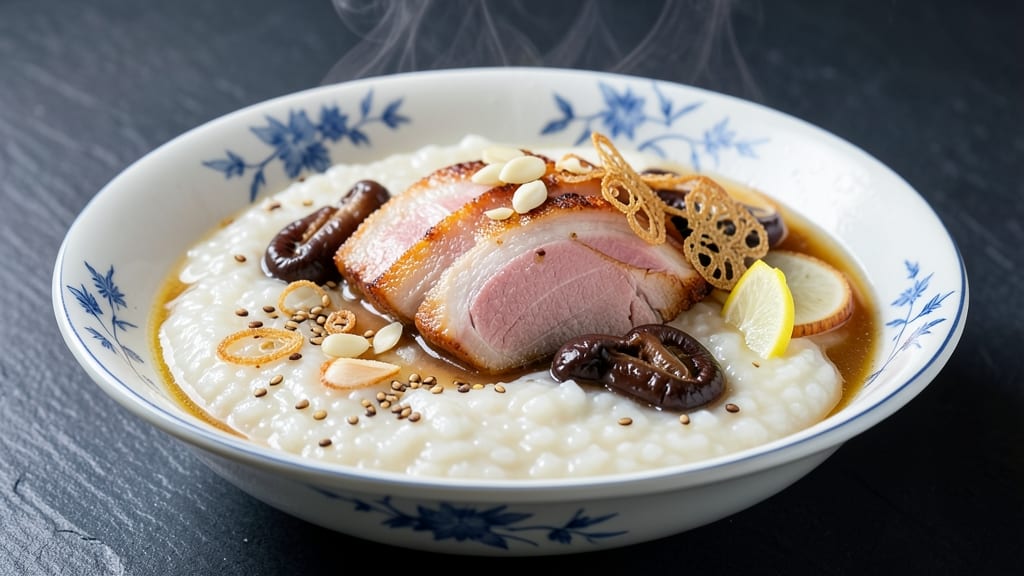
This Chinese pork congee recipe transforms humble ingredients into a silky, healing porridge that's been comforting Chinese families for centuries. 💫 The secret lies in slow-simmering pork and rice until they dissolve into a velvety broth, creating a dish that's both nourishing and deeply satisfying.
As someone who's spent years working with pork, I can tell you this recipe captures that perfect balance of tender meat and creamy texture.
The beauty of pork congee is its versatility—it's equally comforting as a light meal or a restorative dish after illness. I've perfected this version using pork shoulder for maximum flavor and jasmine rice for that authentic aroma.
The slow cooking process (about 2 hours) breaks down the pork into tender shreds while transforming the rice into a luxurious porridge.
What makes this recipe special is the way traditional ingredients come together: the fragrant broth, the tender pork, and the fresh garnishes like scallions and cilantro. Each component plays its part in creating a dish that's both simple and deeply flavorful.
The result is a bowl that's as comforting as it is delicious—perfect for any occasion.
Whether you're making it for a family gathering or a quiet weeknight dinner, this pork congee delivers restaurant-quality results at home. The key is patience and attention to detail, which I'll walk you through step by step. Let's get started on creating this timeless classic.
Ingredients for chinese pork congee
Pork shoulder, jasmine rice, and dried shiitakes—these humble staples create the velvety core of authentic Chinese congee.
| Ingredient | Amount | Notes |
|---|---|---|
| Pork Shoulder 🥩 | 1 ½ lb | Bone-in for richer flavor |
| Jasmine Rice 🍚 | 1 cup | Uncooked, long-grain preferred |
| Water 💧 | 8 cups | Filtered for best taste |
| Dried Shiitake Mushrooms 🍄 | 4 whole | Rehydrated for umami depth |
| Fresh Ginger 🧄 | 2 tbsp | Minced, peeled, aromatic |
| Garlic Cloves 🧄 | 6 cloves | Peeled, smashed for infusion |
| Dried Scallions 🧅 | 2 tbsp | Or 4 tbsp fresh chopped |
| Soy Sauce 🍶 | 2 tbsp | Light or all-purpose |
| Sesame Oil 🫒 | 1 tbsp | Toasted, for finishing |
| White Peppercorns 🌶️ | ½ tsp | Freshly ground, subtle heat |
| Cilantro 🌿 | ¼ cup | Fresh, chopped, for garnish |
| Green Onions 🧅 | 4 whole | Thinly sliced, bright finish |
| Salt 🧂 | 1 ½ tsp | Adjust to taste |
The pork shoulder is non-negotiable here—bone-in cuts from Whole Foods or your butcher deliver that deep, gelatinous richness. Look for well-marbled meat with a vibrant pink hue; Costco often has perfect cuts for this. If you must use boneless, add an extra 1/4 cup water to compensate for lost moisture. The jasmine rice should be freshly milled (check the package date)—older rice loses its delicate floral aroma. For shiitakes, Asian markets carry the best dried varieties; rehydrate them in the broth for maximum umami extraction.
No dried shiitakes? Mushroom powder at half a teaspoon works in a pinch, though fresh shiitakes (sautéed first) are ideal. Fresh ginger and garlic can be swapped for powdered, but reduce to 1/3 the amount—fresh delivers that bright, zesty punch. The soy sauce matters too: Kikkoman is reliable, but light soy has less salt. For extra richness, add 1/2 cup coconut milk at the end. The cilantro and green onions are purely for garnish—skip them if you're serving congee to someone who dislikes strong herbs.
This congee tastes even better the next day—reheat gently on low heat with a splash of water. Store leftovers in the fridge for 4 days or freeze for 3 months in airtight containers. For meal prep, double the batch and portion into individual jars. The broth thickens as it cools, so add 1/4 cup hot water when reheating. The pork shreds beautifully when cooled, making it perfect for quick lunches. Garnish just before serving to keep those fresh herbs vibrant.
Why You'll Love This Recipe
- One-Pot Magic: I swear by this recipe because it’s literally one pot—no chopping boards, no extra pans, just pork shoulder simmering with jasmine rice until it turns into this velvety porridge. The shiitake mushrooms soak up the broth while you prep, so by the time you’re done, dinner’s already cooking.
- Umami Bomb: That dried shiitake and ginger combo? Chef’s kiss. The mushrooms add this deep, earthy richness while the ginger keeps it bright—no fancy sauces needed. Honestly, the first time I tasted it, I thought, “Why haven’t I been doing this forever?”
- Weeknight & Sick Day: Between us, this is my go-to when I’m exhausted or someone’s under the weather. It’s light enough to eat when you’re not hungry but hearty enough to fill you up—plus, the leftovers reheat like a dream. (Yes, even on a Tuesday night.)
- Budget-Friendly Powerhouse: Pork shoulder stretches for days, and jasmine rice is cheap but luxurious. A few dried mushrooms and ginger bulk it up without breaking the bank. I’ve fed a family of four for under $10 with this—no takeout needed.
Step-by-step instructions for Chinese pork congee
Here's how to create a velvety, comforting bowl of pork congee with tender pork and aromatic mushrooms.
🔥 Step 1: Parboil the Pork Shoulder for Tender Shreds
Place the 1.5 lb pork shoulder in a large stockpot and cover with 8 cups of water. Bring to a boil over medium-high heat, then reduce to a gentle simmer. Skim off any foam that rises to the surface during the first 10 minutes—this ensures a clear broth.
Simmer uncovered for 45-60 minutes until the pork is fork-tender and pulls apart easily. Here's the thing—don't rush this step. The pork needs time to break down into silky strands. When you can pierce it with a fork without resistance, it's ready. Drain the pork, reserving 2 cups of the cooking liquid for later use, then let it cool slightly before shredding with two forks.
👨🍳 Step 2: Rehydrate and Prepare the Dried Shiitake Mushrooms
While the pork cooks, place the 4 whole dried shiitake mushrooms in a heatproof bowl and cover with hot water. Let them soak for 20 minutes until pliable. Discard the soaking water and finely chop the rehydrated mushrooms—they'll add deep umami flavor to your congee.
In the same pot, heat 1 tablespoon sesame oil over medium heat. Add the minced fresh ginger and 6 smashed garlic cloves, stirring for 30 seconds until fragrant. Add the chopped mushrooms and cook for 3 minutes until they release their moisture and darken slightly. This step builds the aromatic base of your congee.
🍳 Step 3: Simmer the Jasmine Rice into Congee
Return the shredded pork to the pot along with the reserved 2 cups pork cooking liquid. Add the 1 cup jasmine rice, 2 tablespoons soy sauce, and 1.5 teaspoons salt. Stir once to combine, then add 6 cups fresh water—enough to cover everything by about 1 inch. Bring to a boil over high heat, then immediately reduce to the lowest possible simmer.
Here's where patience pays off: cover the pot and simmer for 1 hour to 1 hour 15 minutes, stirring occasionally to prevent sticking. You're aiming for a creamy, porridge-like consistency—thicker than oatmeal but still spoonable. If it gets too thick, add ½ cup hot water at a time. The rice should break down completely, creating that signature silky texture.
🥘 Step 4: Finish with Aromatics and Garnishes
Once the congee reaches your desired consistency, stir in the 2 tablespoons dried scallions and 0.5 teaspoon freshly ground white peppercorns. Taste and adjust the seasoning—you might need a touch more soy sauce or salt depending on your pork's saltiness. Remove from heat and let it sit covered for 5 minutes to thicken slightly.
Ladle the congee into bowls and finish with 1 tablespoon toasted sesame oil swirled into each serving. Garnish with 0.25 cup chopped cilantro and 4 thinly sliced green onions. The contrast of textures and temperatures—warm, creamy congee with bright, fresh garnishes—is what makes this dish so comforting. Serve immediately with extra soy sauce or chili oil on the side.
Pro Tips For Making Chinese Pork Congee
- PARBOIL PORK FIRST: Skip the raw pork-in-congee shortcut—parboil the shoulder for 15 minutes before shredding. It renders fat faster and dissolves into the broth like silk, not greasy chunks. (Yes, even if you’re impatient like me, this makes the texture buttery-smooth.)
- SOAK MUSHROOMS 30 MINUTES: Toss dried shiitakes in hot water for half an hour before using. They’ll plump up and release their umami into the soaking liquid—save that water to add depth to your congee. I learned this the hard way after making bland congee with neglected mushrooms.
- LOW AND SLOW WINS: After the initial simmer, drop heat to the lowest setting possible. Congee needs 2–3 hours of gentle bubbling, not a quick boil. Rush it, and you’ll end up with gluey rice instead of a creamy, melt-in-your-mouth bowl.
- GINGER SLICES, NOT GRATES: Thinly slice the ginger instead of grating it—this keeps the texture clean and lets the aroma infuse without bitterness. Toss in the last 10 minutes of cooking so it doesn’t turn to mush. (Your future self will thank you.)
Make-ahead tips for this chinese pork congee
Meal Prep Strategy
Double the recipe and store portions in airtight glass containers with tight-fitting lids. I swear by Pyrex glass jars because they distribute heat evenly when reheating. Divide into quart-sized portions—this gives you perfect single-serving bowls.
Label each container with the date to track freshness. The congee actually tastes better the next day as flavors meld! 💫
Freezer-Friendly Tips
For long-term storage, freeze congee in silicone molds or flat freezer bags. Leave 1-inch headspace for expansion. Thaw overnight in the fridge, then reheat gently on the stovetop with ¼ cup hot water per portion.
I've found that freezing works best when the congee is at room temperature before going into the freezer—this prevents ice crystals.
Reheating Perfection
Never microwave congee—it turns gummy. Instead, transfer portions to a saucepan with 2 tablespoons water per serving. Heat over low-medium heat while stirring constantly until steaming.
If it looks too thick, add another splash of water. The goal is to restore that silky, creamy texture without breaking the pork strands. 🔥
Garnish Freshness
Keep garnishes separate until serving. Store chopped cilantro and green onions in airtight containers with a paper towel to absorb moisture. Toast sesame seeds separately in a dry pan for 1-2 minutes until fragrant, then store in a jar.
Fresh ginger and garlic can be pre-minced and frozen in ice cube trays for convenience. Just pop out what you need when ready to cook.
Make-Ahead Menu
Plan your week around congee! Make a big batch on Sunday and portion for breakfasts, lunches, or light dinners. Pair with pickled vegetables or steamed dumplings for complete meals.
I often prep three days' worth on Sunday and freeze the rest. The slow-cooked pork keeps beautifully, making this an ideal high-protein, low-effort meal solution for busy weeks.
Nutrition facts
Frequently asked questions
Can I use chicken or beef instead of pork?
While pork is traditional, you can absolutely substitute chicken thighs (bone-in for best results) or beef chuck roast. The key is using fatty, flavorful cuts that break down well during long cooking. Chicken will cook faster (about 30 minutes less), while beef requires an extra 30-45 minutes to tenderize properly. Adjust seasoning slightly—beef benefits from a pinch of star anise or cinnamon to complement its richness.
Why does my congee turn out too thick or too thin?
Thickness depends on rice-to-liquid ratio and cooking time. For a creamy texture, use 1 cup rice to 7 cups liquid (total). If too thick, add ½ cup hot water at a time while stirring. Too thin? Simmer uncovered for 10-15 extra minutes—the moisture will evaporate. Pro tip: Stir occasionally to prevent sticking, which can make the congee gummy.
What's the best way to make this dish more flavorful?
Elevate your congee with these pro techniques:
- Brown the pork shoulder first in a hot pot for 5 minutes before boiling to develop deep Maillard flavors.
- Add 1-inch fresh ginger slices to the initial pork broth for infusion.
- Finish with 1 tsp fish sauce or a splash of Shaoxing wine for complexity.
- For umami depth, include 1 dried red date and 1 piece of rock sugar in the broth.
Is this congee suitable for sick days or recovery?
This recipe is a traditional Chinese remedy for illness. The soft texture and easily digestible proteins make it perfect for recovery. For extra healing benefits, add 1 tsp goji berries (soaked in warm water) or ½ cup winter melon (peeled and diced) to the broth. The ginger and garlic also have natural anti-inflammatory properties. Serve warm with a side of steamed jasmine rice for complete nourishment.
Can I make this in an Instant Pot or pressure cooker?
Yes, but with adjustments:
- Parboil pork separately (same method).
- Sauté aromatics in the Instant Pot.
- Add all ingredients (including rice) and pressure cook on high for 20 minutes.
- Natural release for 10 minutes, then quick release. The texture will be slightly different—more oatmeal-like than traditional congee. For authenticity, finish with 15 minutes of stovetop simmering to develop that signature silkiness.