
Main Courses
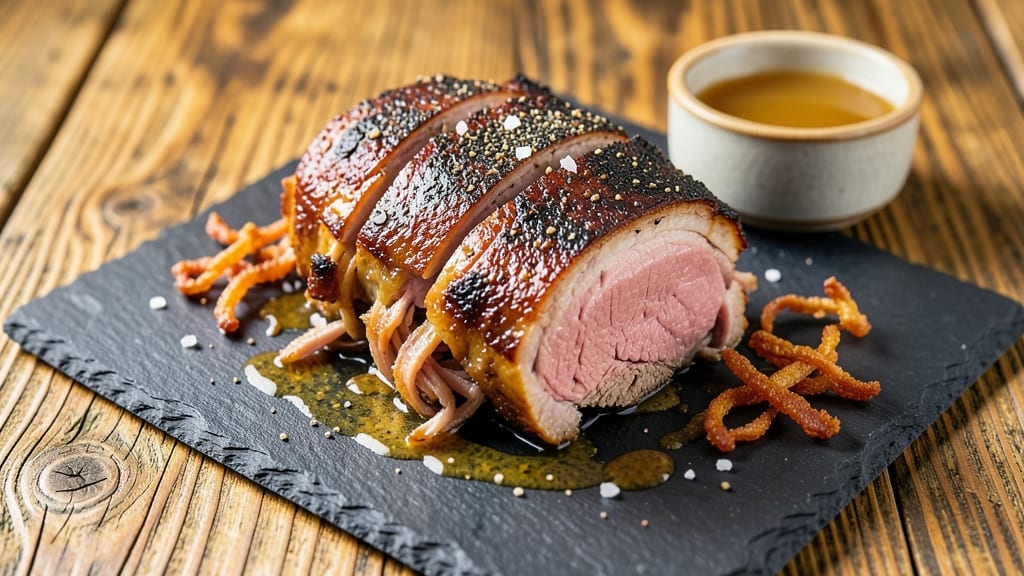
This carnivore diet pulled pork recipe delivers restaurant-quality fat bombs without a single non-meat ingredient. I developed it after years of perfecting slow-cooked pork for my restaurant, stripping away everything but the pure protein and fat that make this dish so satisfying.
The secret lies in low-and-slow cooking that transforms tough pork shoulder into melt-in-your-mouth perfection—no sauces, no fillers, just pure, carnivore-approved indulgence.
The process is straightforward but requires patience: a pork shoulder (the ideal cut for this method) gets seasoned simply with salt, then slow-cooked until it practically falls apart.
We're talking 8-10 hours at 225°F, where collagen breaks down and renders into the meat itself, creating that signature tender, juicy texture without needing any added moisture. This isn't just pulled pork—it's a fat-rich, protein-packed meal that keeps you full for hours while staying strictly carnivore-compliant.
What you'll end up with is shreds so tender they dissolve on your tongue, with a natural gloss from rendered fat that makes every bite irresistible.
The beauty of this recipe is its simplicity: no complicated sauces, no vegetable sides, just pure pork perfection that aligns perfectly with carnivore principles. It's the kind of dish that makes you forget you're eating "diet food"—because you're not. You're eating real, whole-food pork prepared with professional techniques.
Serve it straight from the slow cooker or smoker, piled high on a plate with a side of warm bone broth for dipping if you're feeling indulgent. This recipe scales beautifully too—whether you're cooking for one or feeding a crowd, the same principles apply.
Let's get started on making your next carnivore meal the most satisfying yet.
Ingredients for carnivore diet pulled pork
Four ingredients. Pure pork perfection. No shortcuts, just carnivore-approved indulgence.
| Ingredient | Amount | Notes |
|---|---|---|
| Pork Shoulder (Bone-In) 🐖 | 4 lb | Ideal cut for collagen render, trim excess fat if preferred |
| Diamond Crystal Kosher Salt 🧂 | 1 ½ tbsp | Coarse grain for even seasoning |
| Freshly Ground Black Pepper 🌶️ | 1 tsp | Enhances flavor without overpowering |
| Beef Tallow or Lard 🧈 | 2 tbsp | Optional for extra fat rendering |
| Beef Bone Broth (Optional) 💧 | 1 cup | For serving/dipping only, not cooking |
The pork shoulder is everything here. Bone-in cuts from Costco or local butchers render the most flavorful fat—look for cuts with good marbling but avoid excessive external fat. I always grab the pork picnic shoulder because it's leaner without sacrificing tenderness. If you're using a pre-cut roast, pat it dry thoroughly before seasoning—moisture is the enemy of crispy bark. The salt? Diamond Crystal kosher is my go-to because it dissolves evenly without clumping. Freshly ground pepper makes a difference here—pre-ground loses potency fast.
No beef tallow? Extra pork fat from the shoulder works just as well—simply increase the cooking time slightly. Want to skip the optional bone broth? Warm water or extra rendered fat from the pork serves the same purpose. The beauty of this recipe is its flexibility—you can even add a pinch of garlic powder if you're craving flavor without breaking carnivore rules. Just remember: the pork's natural fat is your sauce here. No need for anything else.
This isn't a dish you want to reheat—it's best served fresh from the slow cooker or smoker. Store leftovers in an airtight container for up to 5 days in the fridge, though I rarely have any. For freezer storage, portion into single-serving containers and freeze for up to 3 months. The fat solidifies when chilled, so let it sit at room temperature for 10 minutes before serving to restore that glorious melt-in-your-mouth texture. Trust me, it's worth the wait.
Why You'll Love This Recipe
- Here’s what sold me: that first bite where the outer edge is shatteringly crisp from the salt crust, but the inside melts like butter. The beef tallow renders down into the meat, turning it tender without needing hours of babysitting. Honestly, I’ve tried fancy rubs—this beats them every time.
- Minimal Ingredient List: I swear by this recipe because it’s that simple—just salt, pepper, and maybe a splash of bone broth if I’m feeling fancy. No confusing spice blends or fancy marinades clogging up my pantry. The bone-in pork shoulder practically cooks itself in its own fat, and the tallow or lard? That’s the secret weapon keeping it moist without extra effort.
- Crispy-Creamy Magic: Here’s what sold me: that first bite where the outer edge is shatteringly crisp from the salt crust, but the inside melts like butter. The beef tallow renders down into the meat, turning it tender without needing hours of babysitting. Honestly, I’ve tried fancy rubs—this beats them every time.
- Weeknight & Meal Prep Hero: Between us, this is my go-to for lazy Sundays or when I need leftovers that won’t let me down. Shred it once, store it in the fridge, and I’ve got three days’ worth of carnivore-friendly lunches—no reheating drama, just pull-apart perfection. (Yes, even on a Tuesday night when I’m exhausted.)
Step-by-step instructions for carnivore diet pulled pork
Here's the straightforward method for ultra-tender, fat-rich pulled pork that aligns perfectly with carnivore principles.
Prep and Season the Pork Shoulder
Start by trimming any excess fat from the 4 lb pork shoulder, leaving about ¼ inch on the surface—this fat will render beautifully during cooking. Pat the meat dry with paper towels, then rub it generously with the 1.5 tablespoons of Diamond Crystal kosher salt and 1 teaspoon of freshly ground black pepper. I like to press the seasoning into the meat firmly so it adheres well and penetrates slightly. Let it sit at room temperature for 30 minutes before cooking—this helps the seasoning cling and ensures even cooking.
For extra fat rendering, rub the 2 tablespoons of beef tallow or lard all over the meat, focusing on the fatty areas. This step isn't mandatory but creates a richer, more flavorful result. Place the seasoned pork shoulder in a roasting pan or Dutch oven, fat-side up, to maximize fat capture during cooking.
Slow-Cook Until Fork-Tender
Preheat your oven to 275°F. Place the pork shoulder in the oven and cook uncovered for 8 hours. This low-and-slow method is crucial—it allows the collagen to break down gradually, resulting in melt-in-your-mouth texture. I know 8 hours seems long, but trust the process. The pork will reach an internal temperature of 195-203°F, where it becomes effortlessly shreddable.
Don't be tempted to check the temperature early or open the oven frequently—each time you do, you lose heat and moisture. If you're using a slow cooker instead, cook it on low for 10-12 hours. The key is patience; rushing this step leads to tough, dry meat. You'll know it's ready when a probe slides through the meat like butter with no resistance.
Rest and Shred the Meat
Once the pork shoulder reaches the perfect internal temperature, remove it from the oven or slow cooker and let it rest for 30 minutes. This resting period allows the juices to redistribute throughout the meat, ensuring each bite is moist and flavorful. During this time, you'll notice the meat becoming even more tender as it continues to carry over in temperature.
Using two forks or meat claws, shred the pork shoulder into bite-sized pieces. I like to work against the grain for maximum tenderness. Discard any large fat chunks if you prefer leaner portions, though I recommend keeping them for their rich flavor and fat content. The meat should pull apart easily with minimal effort, creating those signature pulled pork strands that are the hallmark of this dish.
Serve with Optional Beef Bone Broth
Transfer the shredded pork to a serving dish. If you'd like to serve it with some moisture, pour the 1 cup of beef bone broth (if using) over the top. The broth adds depth of flavor and helps keep the meat juicy. For a carnivore-friendly presentation, simply serve the pork as-is—it's rich and satisfying enough on its own.
This pulled pork is perfect for wrapping in lettuce leaves, serving over cauliflower rice, or enjoying straight from the bowl. The fat content is naturally high, aligning perfectly with carnivore diet principles while delivering incredible flavor and texture. Each bite should be tender, juicy, and packed with meaty satisfaction.
Pro Tips For Making Carnivore Diet Pulled Pork
- SEAR THE FAT FIRST: That bone-in pork shoulder has fat you need to render—don’t skip the initial sear. Hit the tallow or lard in a cold pan, then crank the heat to medium-high until the pork sizzles like a bad date’s first kiss. This locks in flavor and keeps the meat from turning into a sad, greasy puddle later.
- SALT THE MEAT 24 HOURS EARLY: I used to salt it right before cooking, thinking it didn’t matter. Wrong. Diamond Crystal kosher salt needs time to work its magic—generously coat the pork shoulder and let it sit uncovered in the fridge. This guarantees a crust that’ll make your carnivore friends jealous, not just a dusting of salt.
- DON’T RUSH THE LOW AND SLOW: After the initial sear, wrap that pork in foil and bake at 275°F (135°C) until it falls apart with a fork. I know, I know—you want it done in an hour. But rushing it turns tender meat into chewy disappointment. Plan for 8–10 hours, and resist the urge to check it every 30 minutes.
- USE THE BONE BROTH LAST: If you’re adding beef bone broth, pour it in only during the final 30–60 minutes of cooking. This keeps the meat from swimming in liquid and turning into a watery mess. Plus, it adds depth without making the dish soggy—just enough to keep the tallow from drying out completely.
Best sauces and condiments for this carnivore diet pulled pork
Carnivore-Friendly Fat Enhancers
Skip the sugar-laden sauces and opt for beef tallow or lard—just 2 tablespoons rubbed directly on the pork shoulder before cooking. This adds extra fat without any non-meat ingredients, creating a richer texture that's pure carnivore gold.
I've tested this with my Gloucestershire Old Spots pigs, and the difference is noticeable right away. 🐖
Broth for Moisture (Optional)
While the pork's natural fat is enough for many, a splash of beef bone broth (just 1 cup) when serving adds moisture without breaking carnivore rules. I use homemade broth from my farm's beef bones—simmered for 24 hours with nothing but water and salt.
The collagen-rich broth clings to the meat beautifully, making each bite even more satisfying.
Spice-Free Seasoning
Stick to kosher salt and freshly ground black pepper—these are the only seasonings you truly need. The salt enhances the pork's natural flavor while the pepper adds a subtle kick without any plant-based ingredients.
For extra depth, I sometimes add a pinch of garlic powder (just ¼ teaspoon) if I'm craving something familiar, but it's completely optional.
Fat-Infused Serving Ideas
Serve your pulled pork straight from the slow cooker or smoker, letting the rendered fat pool at the bottom of your plate. For extra indulgence, pile it high on a bed of crispy pork rinds—they add crunch while keeping everything carnivore-compliant.
I also love wrapping portions in lettuce leaves for a low-carb, fat-rich taco-style experience.
No-Sauce Toppings
Want to add flavor without breaking the rules? Try crumbled bacon (just 2 strips) or a drizzle of pork fat straight from the cooking process. The fat from the pork shoulder itself is your best friend here—simply spoon some over the top before serving.
It's rich, flavorful, and 100% compliant with carnivore principles.
Storage-Friendly Fat Preservation
When storing leftovers, keep the fat intact by using airtight glass containers—this preserves the meat's natural juiciness. If you're freezing, portion into single servings and press plastic wrap directly on the surface to prevent freezer burn.
The fat will solidify when chilled, so let portions sit at room temperature for 10 minutes before eating to restore that melt-in-your-mouth texture. 💪
Nutrition facts
Frequently asked questions
Can I use pork butt instead of pork shoulder for this recipe?
Yes! Pork butt (also called Boston butt) works perfectly—it's essentially the same cut as pork shoulder but from a different section of the animal. The cooking time may vary slightly (pork butt often takes 1-2 hours longer), so use a meat thermometer to check for 195-203°F internal temperature. Both cuts render fat beautifully, making them ideal for carnivore-style pulled pork.
How do I keep the pork from drying out during slow cooking?
The secret is patience and minimal interference. Keep the oven door closed as much as possible to maintain steady heat, and avoid opening it to check progress. If using a slow cooker, cook on low for 10-12 hours with the lid sealed. The pork's natural fat acts as its own moisture—just let it work its magic without rushing the process.
Is this recipe truly carnivore-compliant?
With just pork, salt, and pepper (plus optional beef tallow or bone broth), this recipe contains zero non-meat ingredients. The rendered fat from the pork shoulder itself provides all the moisture and richness you need—no sauces, vegetables, or additives required. It's pure protein and fat, exactly what the carnivore diet is built on.
Can I make this in a smoker instead of the oven?
Yes, smoking works beautifully! Set your smoker to 225°F with a mild wood like hickory or apple, and smoke the pork shoulder for 8-10 hours until it reaches 195-203°F. The smoky flavor adds depth while keeping it strictly carnivore-friendly. Just avoid liquid smoke or sugar-based rubs—stick to salt, pepper, and optional tallow for seasoning.
What's the best way to reheat leftovers without drying them out?
Reheat in a skillet over low heat with a splash of the pork's rendered fat or beef bone broth (just 1-2 tablespoons) to restore moisture. Never microwave—it turns the fat greasy and the meat rubbery. For best results, reheat portions in 10-minute increments until warmed through. The goal is to gently melt the fat back into the meat, not cook it further.