
Main Courses
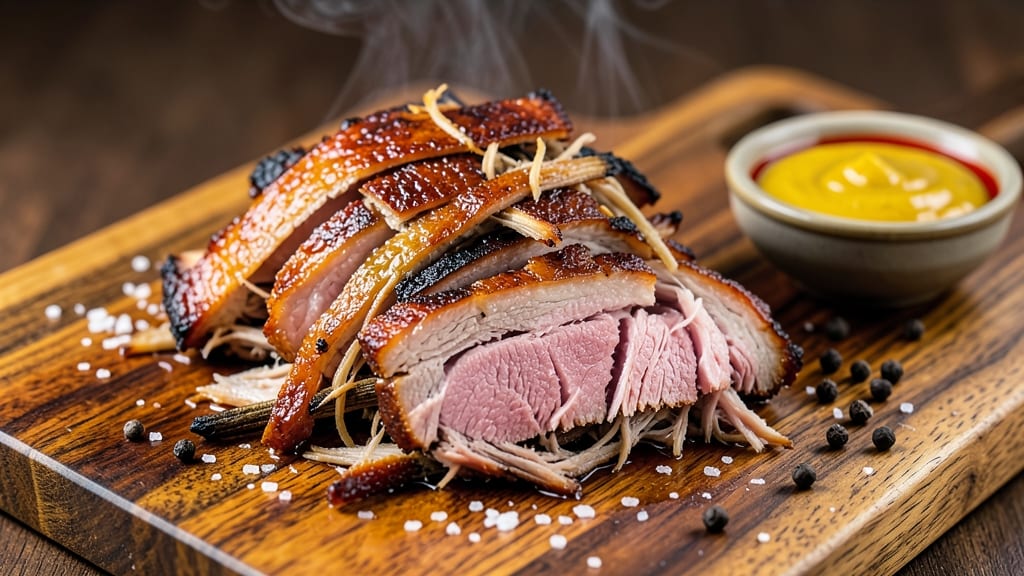
This carnivore pulled pork recipe delivers melt-in-your-mouth pork shoulder so tender it practically falls apart at the touch—no sauce, no sugar, just pure protein. After years of perfecting slow-smoked techniques for my restaurant, I've adapted this version for the carnivore diet, where every bite counts.
The secret lies in low-and-slow cooking that transforms tough pork into juicy, shreddable perfection while preserving every ounce of natural fat.
What sets this recipe apart is the complete elimination of plant-based ingredients—no onions, no vinegar, no sugar-laden sauces. Instead, we rely on a simple fat-based seasoning (just salt and pepper) that enhances the pork's natural flavor without adding anything unnecessary.
The cooking process itself is where the magic happens: a 12-hour smoke at 225°F that renders fat while keeping the meat moist and tender.
By the time you're done, you'll have pork so tender it shreds with minimal effort, retaining all its natural juices and fat. This isn't just another pulled pork recipe—it's a carnivore-approved centerpiece that requires no sides, no buns, just pure protein served exactly as nature intended.
The result is a dish that satisfies deep cravings while staying true to strict dietary principles.
Perfect for meal prep or immediate feasting, this recipe serves as both a satisfying main course and a protein powerhouse for those tracking macros. The technique I've developed ensures consistent results every time—no guesswork, no second-guessing, just reliable carnivore-friendly perfection. Let's get started on creating your ideal pulled pork experience.
Ingredients for carnivore pulled pork
Six ingredients, twelve hours of magic—just pork, salt, and smoke doing their thing.
| Ingredient | Amount | Notes |
|---|---|---|
| Pork Shoulder (Bone-In) 🐖 | 6 lb | Thick cut, 2-3 inches diameter |
| Kosher Salt 🧂 | 2 tbsp | Diamond Crystal preferred |
| Freshly Ground Black Pepper 🌶️ | 1 tsp | Coarse grind for texture |
| Yellow Mustard (Optional) 🍯 | 1 tbsp | Pure mustard, no additives |
| Wood Chips (Hickory or Oak) 🌳 | 4 cups | Unsoaked, food-grade only |
| Charcoal Briquettes 🔥 | 20 lbs | Kingsford preferred |
| Apple Cider Vinegar (Optional) 🍎 | 1 tbsp | For fat cap rendering |
| Beef Tallow or Lard (Optional) 🧈 | ½ cup | For extra fat rendering |
| Aluminum Foil 📄 | 2 sheets | Heavy-duty, for wrapping |
| Butcher Paper 📄 | 1 sheet | For wrapping pork |
The pork shoulder is non-negotiable. Look for bone-in cuts—they hold up better during long smokes and add flavor. Costco or your local butcher are the best places to find thick-cut, well-marbled shoulders. If you can't get bone-in, bone-out will work but may need slightly longer cooking. The fat cap should be at least 1/2-inch thick—this is what keeps your pork juicy. For a 6 lb cut, you'll get roughly 3-4 servings of shredded pork, so plan accordingly if feeding a crowd.
Salt and pepper are the only seasonings you'll need—no sugar, no spices, just pure carnivore flavor. Diamond Crystal kosher salt dissolves better than table salt, but any kosher salt works. Freshly ground black pepper adds subtle heat without overpowering. The optional mustard and vinegar create a thin fat cap that renders beautifully, but they're not required. If you're worried about strict carnivore compliance, skip them entirely. For wood chips, hickory gives classic BBQ flavor while oak adds a smoother profile—pick based on your preference. Charcoal is just for heat; any brand works as long as it's food-grade.
Store your pork shoulder uncovered in the fridge for up to 3 days before cooking—this helps dry the surface slightly for better bark formation. If you're prepping ahead, the cooked pork keeps for 5-6 days in the fridge or 3 months frozen. Wrap tightly in butcher paper or foil to retain moisture. For meal prep, portion into individual containers before freezing—just reheat in the oven or air fryer until warm. Leftovers taste even better the next day as the flavors meld.
Why You'll Love This Recipe
- Smoky Magic: That hickory wood? It transforms everything. The pork comes off the bone with this perfect balance of smoky warmth and just a hint of char—no fancy rubs or sauces needed. Between us, the mustard (if you use it) ties it all together like a hug.
- Leftovers for Days: This recipe practically begs to be made in bulk. I’ll make a batch on Sunday, and by Wednesday, I’m still pulling it from the fridge for tacos, sandwiches, or just straight-up eating it with my hands. (Yes, even on a Tuesday night.)
- Budget Meal Hero: Pork shoulder is cheap, and it stretches farther than you’d think. A single cut feeds my whole family, plus leftovers, without breaking the bank. Plus, the smoker makes it feel fancy—like you’re serving up a restaurant meal for half the price.
Step-by-step instructions for slow-smoked carnivore pulled pork
Here's the straightforward method for tender, sauceless pulled pork that's pure meaty perfection.
Prep and Season the Pork Shoulder
Remove the pork shoulder from the fridge and let it sit at room temperature for 30 minutes. This ensures even cooking throughout. Pat the surface completely dry with paper towels—this helps the rub adhere better and promotes crispier bark later.
In a small bowl, combine the 2 tbsp kosher salt and 1 tsp freshly ground black pepper. If using, add the 1 tbsp yellow mustard to help the rub cling. Rub this mixture all over the pork shoulder, pressing firmly so it penetrates the meat. For extra fat rendering, you can also apply the 0.5 cup beef tallow or lard to the fat cap before wrapping.
Set Up the Smoker for Low and Slow Cooking
Fill your smoker with the 20 lbs charcoal briquettes and arrange them in a pyramid shape. Place the 4 cups wood chips (hickory or oak) in the smoker box according to your smoker's instructions. Light the charcoal and let it burn until it's covered with a thin layer of white ash—this usually takes 10-15 minutes.
Preheat the smoker to 225°F with the lid closed. You'll know it's ready when you see clean, blue smoke (not thick white smoke) coming from the chimney. If using the 1 tbsp apple cider vinegar, apply it to the fat cap now—this helps render the fat more efficiently during the cook.
Smoke the Pork Shoulder Until Fork-Tender
Place the seasoned pork shoulder fat-side up on the smoker grates. Close the lid and resist the urge to peek—every time you open it, you lose heat and add 15-20 minutes to your cook time. Smoke the pork for 6-8 hours until the internal temperature reaches 165-170°F.
This is where the magic happens. The pork will hit "the stall" around 160°F, where the temperature stops rising as moisture evaporates. Don't panic—this is normal. The key is patience. The meat will continue cooking through to perfection as long as you maintain the 225°F temperature.
Wrap and Finish Cooking
Once the internal temperature hits 165-170°F, remove the pork from the smoker and place it on a clean surface. Lay one sheet of aluminum foil on the work surface, then place the pork shoulder on top. Fold the foil over the pork to create a sealed packet, then wrap it tightly with the second sheet of aluminum foil.
Return the wrapped pork to the smoker and continue cooking until the internal temperature reaches 200-203°F and the meat is fork-tender. This usually takes another 2-4 hours, depending on your smoker's consistency. The wrapping technique, known as the "Texas crutch," helps the pork overcome the stall and cook through evenly.
Rest and Shred the Pulled Pork
Once the pork reaches the target temperature, remove it from the smoker and transfer it to a cutting board. Let it rest for 15-20 minutes before shredding. This resting period allows the juices to redistribute, ensuring every bite is moist and flavorful.
Unwrap the pork and use two forks to shred the meat, pulling it apart against the grain. Discard any large fat deposits or connective tissue. The pork should pull apart easily with minimal resistance, and the meat should be tender enough to eat with a fork. Serve immediately or store in the refrigerator for up to 4 days for later use.
Pro Tips For Making Carnivore Pulled Pork
- Trim the Fat First: Bone-in pork shoulder has a thick fat cap that can turn greasy if not handled right. Use a sharp knife to trim it down to about ¼-inch—this keeps the meat juicy without making your smoker or oven a mess (and yes, even if you’re not watching it, this matters).
- Salt the Night Before: I used to salt the pork right before cooking, but the crust never formed as well. Instead, salt it generously (1½ tsp kosher salt per pound) and let it sit uncovered in the fridge overnight. The salt penetrates deeper, and the surface dries out just enough for that perfect bark.
- Don’t Rush the Stall: Around 160°F, the pork will stall—temperature drops, smoke thickens, and you’ll panic. Resist the urge to crank the heat. This is normal; let it crawl through that zone (it can take 2+ hours). The meat will eventually climb back up to 203°F on its own—patience here means fork-tender results.
- Soak Wood Chips: Dry wood chips burn too fast and taste bitter. Soak them in water for 30 minutes before using—just enough to dampen them, not drown. This gives you steady smoke without the acrid aftertaste, especially with hickory, which can overpower if not handled right.
Perfect pairings for this dish
Protein-Packed Pairings
For a true carnivore experience, serve this pulled pork alongside crispy pork belly slices—the fat content mirrors the pork shoulder perfectly while adding satisfying crunch. I like to pan-fry slices until golden brown, then sprinkle with flaky sea salt for contrast.
Another great option is beef liver pâté, which provides iron-rich protein that complements the pork's richness. 💪
Fat-Focused Sides
Since we're keeping this strictly carnivore, skip traditional sides and focus on other animal fats. Bone marrow served warm with a sprinkle of coarse black pepper adds a luxurious, velvety texture that pairs beautifully.
For something more substantial, try crispy chicken skin—the contrast between the tender pulled pork and crispy skin is unbeatable. Both options keep the meal fat-forward and satisfying.
Beverage Matchups
For a carnivore-friendly drink, nothing beats bone broth—either warm or chilled. I prefer a rich, slow-simmered beef bone broth with a splash of apple cider vinegar to cut through the pork's richness.
If you're craving something cold, try sparkling water with lemon slices—it cleanses the palate without adding unnecessary ingredients. Avoid sugary drinks or alcohol, which can disrupt the carnivore experience. 🍹
Meal Prep Pairings
For meal prep, portion the pulled pork into airtight glass containers with a side of crispy pork cracklings—these store well and add crunch to reheated meals. I also like to include hard-boiled eggs for extra protein and fat.
When reheating, add a splash of beef drippings to the container to keep everything moist and flavorful. This setup ensures you have a complete, carnivore-approved meal ready in minutes. ⏰
Serving Presentation
For a restaurant-worthy presentation, mound the pulled pork on a slate board or wooden platter with a drizzle of rendered pork fat around the edges. Garnish with crushed black pepper and a few pork crackling shards for visual appeal.
Serve with butter-soft brioche on the side if you're not strict carnivore, or keep it purely meat-focused with crispy pork rinds for dipping. The presentation makes it feel like a special occasion, even though it's just meat. 🍽️
Nutrition facts
Frequently asked questions
Can I use bone-in or boneless pork shoulder?
For this recipe, bone-in pork shoulder is ideal—it holds up better during long smoking and adds extra flavor. However, if you only have boneless, it will work but may require 1-2 extra hours of cooking time. The bone helps distribute heat more evenly, which is why I recommend it for perfect results.
Why does the recipe call for wrapping the pork in foil?
The foil wrap, called the "Texas crutch," helps the pork overcome the 160°F stall where moisture evaporates and cooking slows. Wrapping traps steam inside, breaking down collagen faster and ensuring tender, juicy meat. Without it, you risk dry pork—especially important for carnivore diets where every bite counts.
What's the best way to reheat leftover pulled pork?
Reheat in a 350°F oven for 15-20 minutes with a splash of beef drippings or pork fat to keep it moist. For quick meals, use an air fryer at 375°F for 8-10 minutes. Avoid microwaving—it makes the meat rubbery. Store leftovers in airtight containers with a layer of fat on top to preserve juiciness.
Is this recipe truly carnivore-compliant?
Yes! The recipe contains zero plant-based ingredients—just pork, salt, pepper, and optional carnivore-friendly fats like tallow. The mustard and vinegar are optional and can be omitted entirely. Every bite is pure animal protein and fat, making it perfect for strict carnivore diets.
How do I know when the pork is done?
Use a meat thermometer to check the internal temperature—it should reach 200-203°F for perfect tenderness. The meat should pull apart easily with two forks. If it's still slightly firm, return it to the smoker for 30-60 more minutes. Never rely on time alone—temperature is your best indicator.