
Main Courses
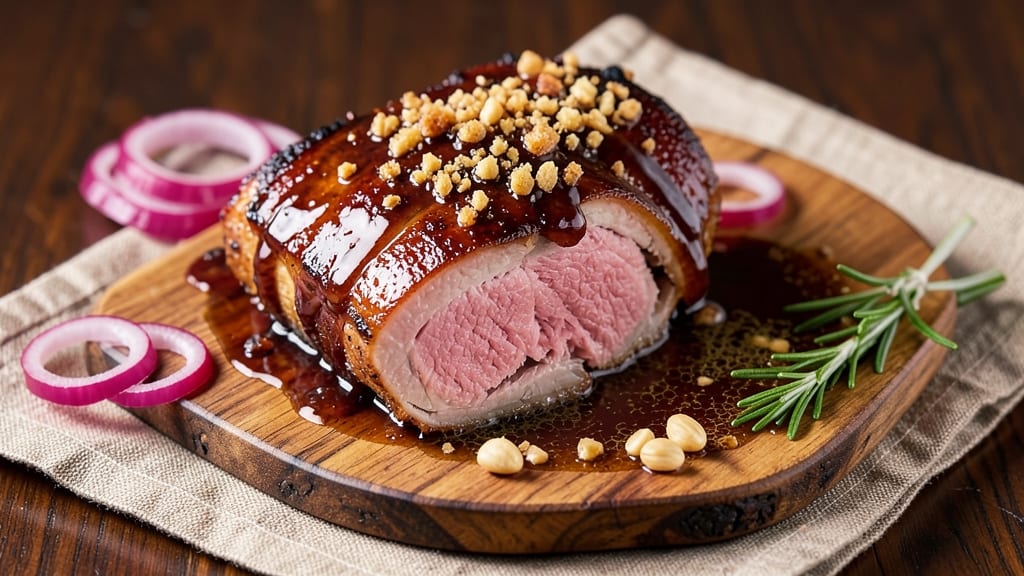
This Boston pork shoulder recipe delivers the kind of shatter-tender meat that turns every meal into a celebration. 🔥 After years of perfecting my technique—including the crucial marinade and slow-braising process—I can confidently say this is the recipe that will make your pork shoulder the star of the table.
The secret lies in balancing sweet molasses with savory herbs like rosemary and thyme, creating a bark that's both flavorful and irresistible.
What sets this method apart is the foolproof approach to achieving melt-in-your-mouth texture without drying out the meat. We start with a dry rub that forms a flavorful crust, then slow-cook at a precise 225°F for hours until the internal temperature reaches 195°F—that's when you know it's perfect.
The result? Juicy, succulent pork that practically falls apart at the touch of a fork, with a rich, caramelized exterior that's worth every minute of waiting.
The beauty of this recipe is its versatility—serve it sliced thin for sandwiches, pulled for tacos, or as the centerpiece of a Sunday feast. The deep, smoky-sweet flavors pair beautifully with classic sides like creamy mashed potatoes, buttery cornbread, or a crisp green salad.
This isn't just pork; it's a restaurant-quality experience you can recreate at home, guaranteed to impress even the most discerning eaters.
Whether you're feeding a crowd or treating yourself to a special meal, this pork shoulder delivers consistent, show-stopping results every time. The key is patience and precision, but the reward—a perfectly cooked, flavor-packed centerpiece—is worth every effort. Let's get started on creating something truly unforgettable.
Ingredients for boston pork shoulder
Eight ingredients transform ordinary pork shoulder into melt-in-your-mouth perfection—no shortcuts, just restaurant-quality results.
| Ingredient | Amount | Notes |
|---|---|---|
| Pork Shoulder (Boston Butt) 🍖 | 6 lb | Bone-in, skin-on preferred |
| Unsalted Butter 🧈 | ½ cup | Cold, cubed for rub |
| Molasses 🍯 | ¼ cup | Dark, not blackstrap |
| Brown Sugar 🍚 | ½ cup | Packed, light brown preferred |
| Smoked Paprika 🌶️ | 2 tbsp | High-quality for smoky depth |
| Dried Rosemary 🌿 | 1 tbsp | Finely chopped, fresh if available |
| Dried Thyme 🌿 | 1 tbsp | Leaves only, not stems |
| Garlic Powder 🧄 | 2 tsp | Freshly ground preferred |
| Onion Powder 🧅 | 2 tsp | Not onion salt |
| Kosher Salt 🧂 | 2 tbsp | Diamond Crystal preferred |
| Black Pepper 🌶️ | 1 tbsp | Freshly cracked |
| Fresh Ginger 🌿 | ½ cup | Finely grated, peeled |
| Apple Cider Vinegar 🍎 | ¼ cup | For tenderizing marinade |
| Beef Broth 🍲 | 2 cups | Low-sodium, homemade preferred |
| Yellow Onion 🧅 | 1 whole | Large, sliced for braising |
The pork shoulder is non-negotiable here—bone-in, skin-on from the butcher section delivers the best flavor and texture. Costco or your local butcher shop are your best bets for a quality cut; look for good marbling and ask for the bone-in version if pre-cut isn't available. The ginger should be bright yellow, firm, and free of soft spots—the kind you'd find in the produce section at Whole Foods or a well-stocked grocery store. For the molasses, Annie's or Goya brands are reliable, but any dark molasses will work. The butter matters too—Plugrá or Land O'Lakes unsalted work perfectly for the rub.
No fresh ginger? Substitute with 1 tbsp ground ginger, but fresh gives that bright, zesty kick. Running short on beef broth? Chicken broth plus 1 tsp soy sauce works in a pinch, though the flavor will be slightly different. The apple cider vinegar is crucial for tenderizing—Bragg is my go-to, but any raw, unfiltered vinegar will do. For the dry rub, if you can't find smoked paprika, regular paprika plus 1/2 tsp liquid smoke gets you close. The key is balancing sweet (molasses, brown sugar) with savory (paprika, thyme) for that perfect bark. And trust me on the cold butter cubes—they melt into the rub beautifully during the braise.
This pork shoulder keeps 4 days in the fridge once fully cooked, though it tastes even better the next day as the flavors meld. For leftovers, store in an airtight container with some of the braising liquid to keep it moist. Freezes beautifully for up to 3 months—portion into meal-sized containers for easy reheating. The best part? The braising liquid reduces into a rich, caramelized sauce perfect for basting or serving over mashed potatoes. Double the recipe if you're feeding a crowd—it reheats just as well.
Why You'll Love This Recipe
- One-Pan Magic: I swear by this recipe because it’s basically hands-off after the initial rub. You mix the molasses, brown sugar, and smoked paprika into butter, slather it on the pork, and let the oven do the rest. No flipping, no fuss—just melt-in-your-mouth results.
- Sweet-Smoky Obsession: That molasses-butter glaze? It’s where this dish gets its soul. The smoky paprika lingers, the brown sugar caramelizes into a sticky crust, and the butter keeps it tender inside. Honestly, the first time I pulled it out of the oven, I nearly licked the pan.
- Leftover Goldmine: This pork shoulder is made for leftovers—it shreds like a dream for tacos, sandwiches, or even breakfast hash the next day. I’ll be real: I often cook it just to have it on hand for lazy mornings. (Yes, even on a Tuesday.)
- Budget Hero: A whole pork shoulder feeds a crowd for pennies per serving. You’re getting rich, flavorful meat that’s way more impressive than takeout, and the ingredients? Molasses and brown sugar are pantry staples. My wallet thanks me every time.
Step-by-step instructions for slow-braised Boston pork shoulder
Here's the method that transforms tough pork into melt-in-your-mouth perfection.
👨🍳 Step 1: Create the Dry Rub and Tenderize the Meat
In a medium bowl, combine the 0.5 cup unsalted butter (cold and cubed), 0.25 cup molasses, 0.5 cup brown sugar, 2 tbsp smoked paprika, 1 tbsp dried rosemary, 1 tbsp dried thyme, 2 tsp garlic powder, 2 tsp onion powder, 2 tbsp kosher salt, and 1 tbsp black pepper. Mix until the butter is fully coated and forms a thick paste.
Peel and finely grate the 0.5 cup fresh ginger and add it to the rub mixture. The ginger's sharp aroma will infuse the meat beautifully. Spread this mixture all over the 6 lb pork shoulder, pressing it firmly into every crevice. This ensures maximum flavor penetration and creates that coveted dark, caramelized bark during cooking.
Place the rubbed pork shoulder on a plate, cover with plastic wrap, and refrigerate for at least 12 hours (or up to 24 hours). This resting period allows the rub to penetrate deeply and the meat to relax, which prevents it from shrinking dramatically during cooking. Real talk: Don't skip this step—it makes all the difference in texture and flavor.
🔥 Step 2: Slow-Braise Until Fork-Tender
Preheat your oven to 300°F. Remove the pork from the fridge and let it sit at room temperature for 30 minutes before cooking. This ensures even heat distribution throughout the meat.
Heat a large Dutch oven or heavy pot over medium heat. Add the sliced 1 whole yellow onion and cook for 5 minutes until softened. Remove the onions and set aside. In the same pot, add the 0.25 cup apple cider vinegar and scrape up any browned bits from the bottom—this adds incredible depth of flavor to your braising liquid.
Return the onions to the pot and add 2 cups beef broth. Place the pork shoulder fat-side up in the pot, then pour the vinegar-broth mixture over it until the meat is mostly submerged. Bring to a simmer over medium-high heat, then immediately reduce to low heat. Cover tightly with a lid and transfer to the preheated oven.
⏰ Step 3: Monitor and Rest for Maximum Juiciness
Braise the pork shoulder for 6-7 hours until it reaches an internal temperature of 195-203°F and is fork-tender with no resistance. Here's the thing—your oven might run hot or cold, so start checking with a meat thermometer after 5 hours. The pork should pull apart easily when you test it with tongs.
Once done, remove the pork from the pot and transfer it to a cutting board. Tent loosely with foil and let it rest for 30-45 minutes. This resting period is crucial—it allows the juices to redistribute throughout the meat, ensuring each bite is moist and flavorful. If you skip this, you'll end up with dry, stringy pork.
🍽️ Step 4: Shred and Serve with Braising Liquid
After resting, use two forks to shred the pork shoulder against the grain. The meat should be so tender it practically falls apart. Return the shredded pork to the braising liquid in the pot and warm through over low heat for 5-10 minutes. This step infuses the pork with even more flavor from the rich, caramelized fond at the bottom of the pot.
Serve immediately with the braising liquid spooned over the top. Each bite should deliver a perfect balance of sweet molasses, smoky paprika, and tender pork that practically melts in your mouth. The braising liquid makes an excellent sauce for dipping or drizzling over mashed potatoes, cornbread, or buttery noodles. Store leftovers in the refrigerator for up to 4 days or freeze for up to 3 months.
Pro Tips For Making Boston Pork Shoulder
- CRANK THE HEAT FIRST: Sear the pork shoulder in a screaming-hot pan or oven—400°F for 15 minutes—before adding the molasses mix. I learned this the hard way: skipping the high-heat start means the molasses burns before the crust forms, and you end up with sticky, bitter glaze instead of caramelized perfection.
- TRIM THE FAT, NOT THE FLAVOR: Leave a thin layer of fat on the pork shoulder—about ¼-inch—it renders into crispy, golden edges. I used to trim it all off, thinking it was "healthier," but the fat is what makes the crust crisp and the meat juicy. Save the extra fat for basting or frying potatoes later.
- DON’T SKIP THE FOIL REST: After roasting, tent the pork with foil and let it rest for 20 minutes before slicing. I know, it’s tempting to cut into it right away, but rushing this step means dry, stringy meat. The fat redistributes back into the muscle fibers—trust the process.
- UPGRADE WITH A SPLASH OF VINEGAR: Add 1 tablespoon of apple cider vinegar to the molasses-brown sugar mix before brushing it on. It cuts through the sweetness slightly, balances the smokiness, and makes the glaze stick better. Sounds weird, but it works—my grandmother swore by this, and she was right.
Storing and reheating your leftovers
Fridge Storage Secrets
Let your pork shoulder cool completely before storing—about 2 hours at room temperature max. I always transfer it to an airtight glass container (like Pyrex) with 1 cup of braising liquid to keep it moist.
Store in the fridge for up to 4 days, but honestly? The flavor gets even better after the first night as the spices meld. 💫
Pro tip: Divide leftovers into 2-cup portions for easy reheating. The braising liquid reduces into a rich sauce that's perfect for drizzling over mashed potatoes or cornbread. Just make sure the container is sealed tightly to prevent that dreaded fridge odor transfer.
Freezer Magic
Freezing pork shoulder is a game-changer for busy weeks. Portion into quart-sized freezer bags (I use Stasher bags for leak-proof storage) with ½ cup braising liquid per pound of meat. Freeze flat for up to 3 months—this saves space and thaws faster than bulky containers.
When you're ready to eat, thaw overnight in the fridge. The meat stays juicy because the braising liquid acts like a natural insulator. I've had pork shoulder that came straight from the freezer to the oven with amazing results—just add 15-20 minutes to your cook time.
Reheating Perfection
For fridge leftovers, reheat in a skillet over medium-low heat with 2 tbsp fresh braising liquid until reaching 165°F internally. The key is low heat—high heat makes the meat dry. I like to shred it again after reheating to restore that tender texture. 🔥
For frozen pork shoulder, thaw completely first. Then, braise it again in a pot with ½ cup fresh beef broth and 1 tbsp apple cider vinegar for 1-2 hours at 300°F until it reaches 195°F. The second braise rebuilds that perfect bark and moisture balance.
Microwave Shortcut
When you're in a hurry, use the microwave for individual servings. Place pork in a microwave-safe dish with 2 tbsp braising liquid, cover loosely with a paper towel, and heat on 50% power for 3-4 minutes, stirring once. This prevents drying while warming through evenly.
For best results, I recommend using the microwave only for small portions—it's not ideal for large batches. The texture won't be quite as tender as oven-braised, but it's a lifesaver when you need a quick meal. Always check the internal temperature reaches 165°F before serving.
Nutrition facts
Frequently asked questions about Boston pork shoulder
Why does the recipe call for bone-in pork shoulder?
The bone adds incredible flavor to the braising liquid while keeping the meat juicier during the long cook. It also helps stabilize the cut, preventing it from shrinking as dramatically as boneless pork. The bone-in version creates a richer sauce that's perfect for serving over sides or using in sandwiches.
Can I substitute brown sugar with white sugar?
You can, but the molasses and smoked paprika will create a different flavor profile. Brown sugar adds subtle caramel notes that enhance the overall depth. For a 1:1 substitution, use ½ cup white sugar plus 1 tbsp molasses to maintain sweetness balance.
How do I know when the pork shoulder is fully cooked?
Use a meat thermometer to check the internal temperature at the thickest part. It should reach 195-203°F—this is when the collagen breaks down completely, creating that signature tender texture. The meat should also pull apart easily with tongs or a fork.
What's the best way to use the braising liquid?
Strain and reduce it to make a rich gravy for mashed potatoes, or use it as-is for dipping. For extra depth, whisk in 1 tbsp cornstarch mixed with 2 tbsp water and simmer until thickened. The liquid makes an amazing sauce for tacos, sandwiches, or even as a base for rice dishes.
Can I cook this in a slow cooker instead of the oven?
Brown the pork in a skillet first, then transfer to your slow cooker with the onions and braising liquid. Cook on low for 8-10 hours or high for 5-6 hours. The texture will be slightly different but still delicious. Just add 1 cup extra broth since slow cookers evaporate more liquid.