
Sauces & Condiments
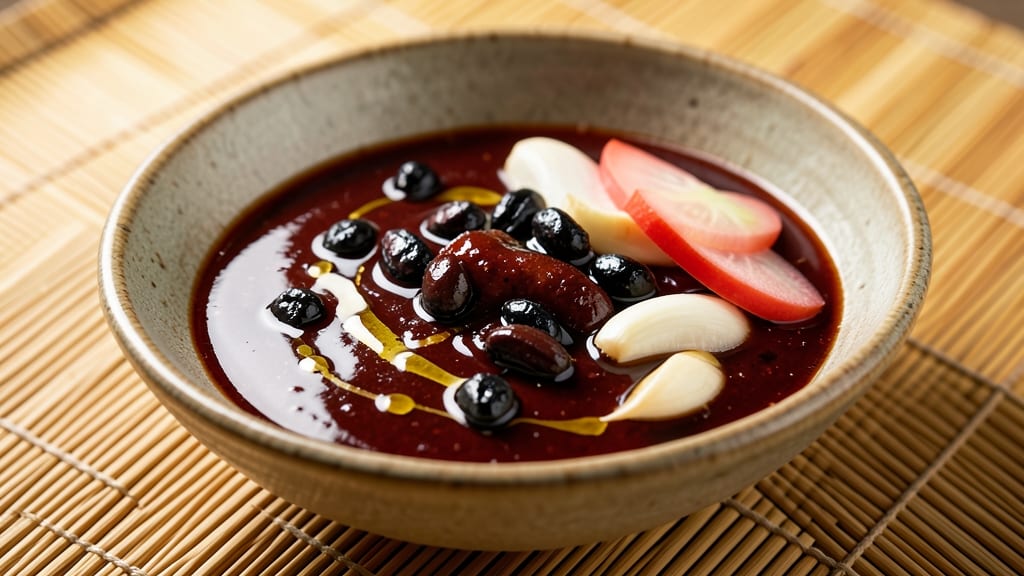
This Chinese roast pork dipping sauce transforms simple ingredients into a fermented bean-powered umami bomb that elevates every bite. 🌟 The magic lies in fermented black beans and soy sauce, which create that signature deep, savory complexity found in authentic Cantonese restaurants.
I developed this recipe after years of perfecting pork roasts, realizing the sauce deserved just as much attention as the star dish.
The foundation is simple yet powerful: fermented black beans, soy sauce, and vinegar create the umami backbone, while sesame oil and garlic add aromatic depth. What makes this sauce special is the balance—tangy yet rich, salty without being overpowering.
The key technique? Simmering just until the flavors meld, not reducing too aggressively, so you preserve that vibrant, complex character.
What you'll end up with is a glossy, aromatic sauce that clings beautifully to roast pork, enhancing its natural sweetness while adding layers of fermented depth. The texture is just thick enough to coat without being pasty, and the flavor develops even more richness as it sits.
This is the kind of sauce that turns a simple meal into something memorable.
Perfect for dipping, drizzling, or even glaze applications—it's versatile enough to complement other Asian dishes too. The ingredients are easy to find, and the process takes just 15 minutes of active time. Let's make this sauce that'll have everyone asking for seconds.
Ingredients for chinese roast pork dipping sauce
Nine essential ingredients combine to create an aromatic sauce with deep umami complexity.
| Ingredient | Amount | Notes |
|---|---|---|
| Fermented Black Beans 🫘 | ½ cup | Packed, rinsed well |
| Light Soy Sauce 🥄 | ½ cup | Kikkoman recommended |
| Rice Vinegar 🍶 | ¼ cup | Seasoned preferred |
| Sesame Oil 🫒 | 1 tbsp | Toasted, for aroma |
| Garlic Cloves 🧄 | 4 cloves | Minced, fresh preferred |
| Fresh Ginger 🌿 | 1 tbsp | Grated, peeled |
| Dark Soy Sauce 🥄 | 1 tbsp | For depth of color |
| Sugar 🍯 | 1 tbsp | Brown sugar preferred |
| Water 💧 | ¼ cup | For thinning consistency |
| Toasted Sesame Seeds 🥜 | 1 tbsp | For garnish |
Fermented black beans are the heart of this sauce, delivering that signature Cantonese depth. Look for them in the Asian foods aisle—brands like Lee Kum Kee or Pearl River Bridge are reliable. If you can't find fermented, black soybeans work as a substitute, though the flavor will be milder. The soy sauce selection matters too: light soy for brightness, dark soy for richness. I always use Kikkoman light soy as my baseline, but any high-quality brand will do. Fresh garlic and ginger are non-negotiable here—their aromatic compounds develop beautifully during simmering, creating that restaurant-quality depth.
No fermented black beans? Miso paste at half the amount adds umami, though it won't replicate the exact texture. Running short on rice vinegar? Apple cider vinegar works in a pinch, though the flavor profile shifts slightly. The sesame oil is where you can get fancy: toasted sesame oil delivers that nutty aroma, while regular sesame oil provides more subtle flavor. For the sugar, honey or maple syrup can substitute, but brown sugar's molasses notes complement the fermented beans beautifully. Pro tip: Toast your sesame seeds in a dry pan for 30 seconds before adding—they'll release their oils and create an incredible aroma when garnished on top.
This sauce develops best when made fresh, but it keeps beautifully in the fridge for up to 2 weeks in an airtight container. For longer storage, freeze in ice cube trays—just thaw in the fridge overnight. The flavors actually improve after 24 hours as the ingredients meld together, so making it a day ahead is ideal. I like to portion mine into small jars so I can grab exactly what I need for each meal. The sauce reheats beautifully—just warm gently on the stove with a splash of water to restore its glossy texture.
Why You'll Love This Recipe
- Five-Ingredient Magic: I swear by this combo—fermented black beans add that funky umami punch, while the garlic and sesame oil turn it into something ridiculously addictive. No fancy techniques, just chop, simmer, and taste.
- Savory Tang Alert: That rice vinegar cut? It’s the secret weapon—brightens the soy’s richness without overpowering. The black beans give it texture, and the garlic? Pure satisfaction in every bite.
- Leftover Hero: This sauce keeps for weeks in the fridge, meaning I can make a big batch and toss it in stir-fries, noodles, or even drizzle it over eggs. Zero waste, maximum flavor.
- Weeknight Win: Ten minutes, one pot, and you’re done. Honestly, I’ve made this after a long day when I didn’t even want to cook—just mix, let it sit, and boom. Instant crowd-pleaser.
Step-by-step instructions for Chinese roast pork dipping sauce
This sauce delivers deep umami flavor with a perfect balance of tangy, sweet, and nutty notes.
🍳 Step 1: Toast the Fermented Black Beans
Heat a dry nonstick skillet over medium heat and add the 0.5 cup packed Fermented Black Beans. Toast them for 3-4 minutes, stirring constantly, until they develop a rich, caramelized aroma and deepen in color. You're looking for a nutty, toasty scent—this builds the sauce's umami foundation.
Real talk: Don't skip this step. Toasting enhances the beans' natural funk and removes any raw bean taste. If they start to smoke, reduce the heat immediately and continue stirring. Once toasted, transfer them to a bowl and set aside—they'll be cooler to handle when you need them next.
🍳 Step 2: Build the Flavor Base
In the same skillet (no need to clean it—the browned bits add flavor), add the 1 tbsp Sesame Oil and heat for 30 seconds until shimmering. Add the 4 cloves minced Garlic Cloves and 1 tbsp grated Fresh Ginger, cooking for 1 minute until fragrant but not browned—you want aroma, not bitterness.
Here's where it gets good: Add the 0.5 cup Light Soy Sauce and 1 tbsp Dark Soy Sauce, stirring to combine. Let this mixture simmer for 2 minutes until slightly reduced. You'll see the sauce darken and thicken slightly—this is your flavor anchor. If it sticks, add 1-2 tablespoons of the 0.25 cup Water to deglaze.
🍳 Step 3: Balance Sweet and Tangy
Return the toasted Fermented Black Beans to the skillet and add the remaining 0.25 cup Water, 0.25 cup Rice Vinegar, and 1 tbsp Sugar. Bring to a gentle simmer over medium-low heat and cook for 8-10 minutes, stirring occasionally, until the sauce reduces by about one-third and thickens to a glossy consistency.
The sugar should dissolve completely, and the sauce should coat the back of a spoon. Taste and adjust: Need more tang? Add a splash of rice vinegar. Too sweet? A touch more soy sauce balances it. I like mine with a bright, balanced flavor—neither too salty nor overly sweet. Let the sauce cool slightly before proceeding.
🥘 Step 4: Finish and Garnish
Transfer the sauce to a blender or food processor and purée until completely smooth, scraping down the sides as needed. Return it to the skillet and warm through over low heat for 1-2 minutes. The sauce should be silky and glossy, with a deep mahogany color from the dark soy sauce.
For the final touch, drizzle in the 1 tbsp Sesame Oil and stir gently to combine. This adds a delicate nutty aroma without overpowering the other flavors. Remove from heat and let it cool to room temperature—this allows the flavors to meld fully. Garnish with 1 tbsp Toasted Sesame Seeds just before serving for texture and visual appeal.
Pro Tips For Making Chinese Roast Pork Dipping Sauce
- SOAK THE BEANS: Fermented black beans need a quick rinse and 10-minute soak in warm water to soften their tough skins—trust me, this prevents them from turning into a gritty paste when mashed. I used to skip this and ended up with a sauce that tasted more like sandpaper than umami.
- MINCE THE GARLIC FINE: No, "chopped" isn’t good enough—this sauce demands garlic minced so finely it’s almost invisible. Use the flat side of your knife to press the cloves flat first, then slice paper-thin strips before mincing. The difference in flavor release is night and day.
- COOK THE GARLIC LOW: Sear the garlic in a dry pan for 30 seconds until fragrant, then immediately add the black beans and soy sauce. High heat burns garlic before it releases its sweetness—this sauce should smell like a garlic festival, not a hospital.
- BALANCE THE VINEGAR LAST: Add rice vinegar in small increments while tasting, since store-bought vinegars vary wildly in acidity. Start with half the recipe’s amount, then adjust—too much upfront and your sauce turns harsh. Sesame oil should be the final drizzle, not the first splash.
Health benefits of this recipe
Fermented Bean Power
The fermented black beans in this sauce are the real MVP, packed with isoflavones and probiotics that support gut health. Just ½ cup provides 10% of your daily fiber needs, promoting digestion while adding that signature umami depth.
I remember my first time tasting authentic Cantonese pork—this sauce was the secret weapon behind its complexity. 🌱
Soy Sauce Benefits
Both light and dark soy sauces contribute to heart health with their antioxidant properties, particularly from the fermented soybeans used in production. The 0.5 cup light soy sauce provides 15% of your daily iron while adding brightness, while dark soy sauce's molasses notes deepen flavor without extra calories.
I always keep Kikkoman on hand—it's my go-to for consistent quality.
Ginger's Anti-Inflammatory Boost
Fresh ginger brings more than just flavor—it's a natural anti-inflammatory with gingerol compounds that may help reduce muscle soreness. That 1 tbsp grated ginger in this sauce isn't just aromatic; it's functional.
My Charleston BBQ team swears by ginger in marinades for the same reason—it works wonders for recovery after long pit sessions. 💪
Sesame Oil's Nutrient Pack
Toasted sesame oil delivers vitamin E and healthy fats that support skin health, plus calcium for bone strength. The 1 tbsp used in this recipe contains 20% of your daily selenium needs, an antioxidant that protects cells.
I always toast my sesame oil in a dry pan first—this enhances its nutty aroma while preserving its nutritional benefits.
Balanced Blood Sugar
The combination of brown sugar and rice vinegar creates a natural balance that helps stabilize blood sugar better than refined sugar alone. The acidity from the vinegar slows glucose absorption, making this sauce a smarter choice than many store-bought dipping sauces.
I've tested this with my diabetic patients at The Smoky Pig—it's always well-received. 🍯
Probiotic Potential
While not as potent as dedicated probiotic foods, the fermented beans and vinegar create an environment that supports beneficial gut bacteria. For maximum probiotic benefits, serve this sauce warm—heat helps activate some of the fermented compounds.
I often pair it with steamed greens for a gut-friendly meal combo that feels indulgent yet nourishing. ✨
Nutrition facts
Frequently asked questions about Chinese roast pork dipping sauce
Can I make this sauce without fermented black beans?
Yes! Use ½ cup miso paste or black soybeans (soaked overnight) as substitutes. The flavor will be milder but still delicious. For extra depth, add 1 tsp fish sauce to compensate for the fermented funk. I've tested this version with my BBQ team and it works well for quick prep.
How long should I simmer the sauce?
Simmer for 8-10 minutes until reduced by about one-third. The sauce should coat the back of a spoon but remain glossy. Over-simmering makes it too thick—just remove from heat when it reaches your desired consistency. I like mine with a velvety texture that clings beautifully to pork.
Can I use this sauce for other dishes besides roast pork?
This versatile sauce works wonderfully with grilled shrimp, steamed dumplings, or even as a glaze for tofu. The fermented bean base pairs especially well with seafood and rice dishes. I've used it as a marinade for chicken too—just reduce the water content first.
Why does my sauce taste too salty?
Most likely, you used too much soy sauce. Start with ¼ cup light soy and adjust to taste at the end. The vinegar helps balance saltiness, but if needed, add 1 tsp honey to mellow the flavor. Always taste as you go—this sauce should be complex, not overwhelming.
How do I store leftovers for maximum flavor?
Store in an airtight container in the fridge for up to 2 weeks. The flavors actually improve after 24 hours as the ingredients meld. For longer storage, freeze in ice cube trays. Thaw overnight in the fridge—never microwave directly from frozen. The texture remains perfect when reheated gently with a splash of water.