
Main Courses
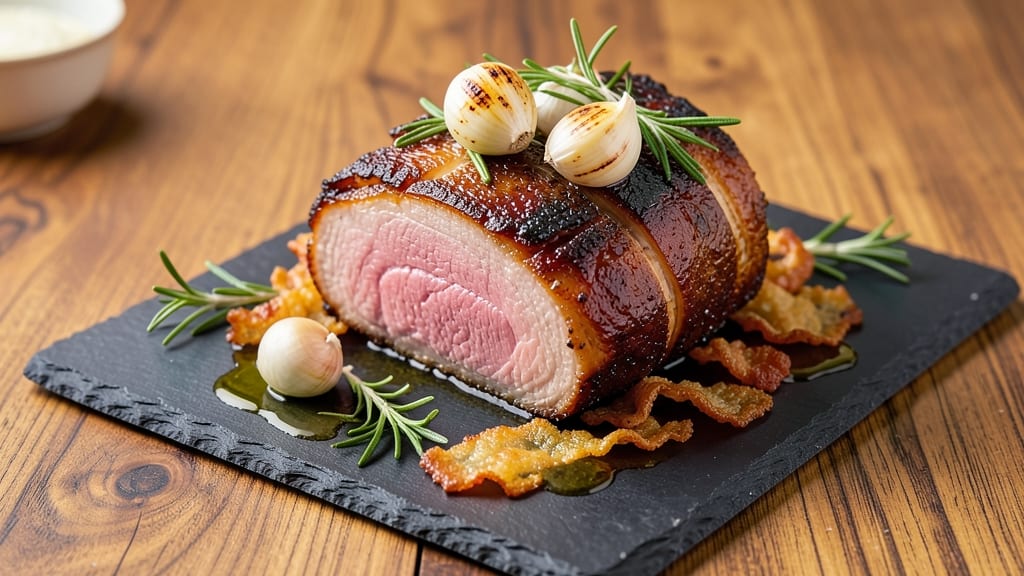
This boneless pork rib roast recipe in the oven delivers restaurant-quality results with crispy edges and juicy centers—no fancy equipment required. After years of perfecting my technique, I've cracked the code for achieving that coveted caramelized crust while keeping the interior tender and flavorful.
The secret lies in proper seasoning, precise oven temperature, and a crucial resting period that transforms tough meat into melt-in-your-mouth perfection.
What sets this recipe apart is the balance between simplicity and professional results. With just a handful of quality ingredients and 30 minutes of active prep time, you'll create a showstopping centerpiece that impresses even skeptical guests.
The pork's natural sweetness pairs beautifully with a simple herb rub, while the high-heat oven finish creates that irresistible crispy exterior that everyone will rave about.
By following this method, you'll achieve perfectly golden-brown edges that shatter when you cut through them, revealing succulent pink meat underneath. The aroma alone will have your kitchen smelling like a high-end restaurant, and every bite delivers that satisfying contrast of textures and flavors.
This is the kind of recipe that makes you look like a culinary expert without requiring years of practice.
The best part? This roast serves a crowd beautifully and reheats wonderfully, making it ideal for holiday gatherings or meal prep. Once you master this technique, you'll never buy pre-packaged pork roasts again. Let's get started with the foolproof method that's earned me countless compliments at dinner parties.
Ingredients for boneless pork rib roast recipe oven
Six ingredients transform simple pork into restaurant-quality perfection with crispy edges and juicy centers.
| Ingredient | Amount | Notes |
|---|---|---|
| Boneless Pork Rib Roast 🐖 | 3 lb | Center-cut for tenderness |
| Extra-Virgin Olive Oil 🫒 | ¼ cup | High-quality for crispy edges |
| Diamond Crystal Kosher Salt 🧂 | 1 ½ tbsp | Coarse grain preferred |
| Freshly Ground Black Pepper 🌶️ | 1 tbsp | Freshly cracked for intensity |
| Garlic Cloves 🧄 | 8 cloves | Minced for even distribution |
| Fresh Rosemary 🌿 | ¼ cup | Finely chopped, stems removed |
| Fresh Thyme 🌿 | ¼ cup | Leaves only, finely chopped |
| Brown Sugar 🍯 | 2 tbsp | Light or dark variety |
| Apple Cider Vinegar 🍎 | 1 tbsp | For tenderizing and flavor |
| Mustard Powder 🌶️ | 1 tsp | Dry yellow mustard preferred |
| Onion Powder 🧅 | 1 tsp | For depth of flavor |
| Honey 🍯 | 1 tbsp | For caramelized crust |
The pork cut matters most—center-cut boneless pork rib roast delivers the best balance of tenderness and flavor. Costco or Whole Foods carry excellent pre-cut roasts, but if you're buying a whole rib roast, ask your butcher to remove the bones and trim excess fat. Look for vibrant color and good marbling; avoid pale, grayish meat that indicates age. Fresh herbs are non-negotiable here—they make the difference between good and spectacular. Trader Joe's usually has affordable bundles, or grow your own if you're feeling ambitious.
No fresh rosemary? Dried works at one-third the amount, but fresh has that piney aroma that elevates everything. Short on apple cider vinegar? Lemon juice at the same quantity works in a pinch, though the flavor profile shifts slightly. The honey can be swapped for maple syrup if you're avoiding it, but I find honey creates that perfect caramelized crust. For the mustard powder, Dijon mustard paste (thinned with water) makes an excellent substitute if you're out of powder. The brown sugar adds just enough sweetness to complement the pork's natural flavors without overpowering them.
This roast reheats beautifully—3-4 days in the fridge, 3 months frozen. For maximum crispiness, always reheat in a 400°F oven for 10-15 minutes with a splash of water in the pan. I like to portion mine into individual serving sizes before freezing, so I can pull out exactly what I need. The leftovers keep their texture remarkably well, making this perfect for meal prep or holiday gatherings where you want to impress without stressing.
Why You'll Love This Recipe
- No-Chop Needed: I swear by this—just slather that pork with olive oil, sprinkle salt and pepper, and slide it in the oven. No dice, no fuss, no stress. The garlic cloves get tucked right into the crevices, so every bite is packed with flavor without extra work.
- Crispy-Creamy Magic: Between us, the secret’s in the crust. That golden, caramelized edge on the outside? Pure satisfaction. Inside stays juicy, almost melts-in-your-mouth tender—like a hug from your nonna’s kitchen.
- Leftovers That Shine: This roast is my lazy Sunday hero. Slice it thin for sandwiches, toss chunks into pasta, or reheat with a splash of broth for shredded pork that tastes fresh. Honestly, I make it once a month just for the leftovers.
- Budget-Friendly Feast: A whole roast for less than $10? Yes, please. It stretches across meals, freezes like a dream, and feels like a fancy dinner without the restaurant price tag. My wallet and my family win every time.
Step-by-step instructions for oven-baked pork rib roast
Here's how to transform a simple pork roast into a showstopper with tender meat and irresistible crispy edges.
Prepare the Pork for Maximum Flavor and Texture
Begin by removing the pork rib roast from its packaging and patting it dry completely with paper towels. This step is crucial—any moisture left on the surface will prevent that perfect crispy crust. I like to use two layers of paper towels and really press down firmly to ensure all surfaces are bone dry.
Place the roast on a cutting board and make small diagonal slashes about ½-inch deep across the surface using a sharp knife. This creates channels for the marinade to penetrate deeply, ensuring flavor reaches the center. Don't worry about cutting into the meat too much—these shallow cuts won't affect the structure but will dramatically improve moisture and seasoning distribution.
Create the Flavorful Marinade and Coat the Roast
In a small bowl, whisk together the 0.25 cup extra-virgin olive oil, 1.5 tbsp diamond crystal kosher salt, 1 tbsp freshly ground black pepper, 2 tbsp brown sugar, 1 tbsp apple cider vinegar, 1 tsp mustard powder, and 1 tsp onion powder until fully combined. The mixture should be smooth and well-blended, with the brown sugar dissolving completely.
Pour the marinade over the roast, coating it thoroughly on all sides. I find it helpful to use my hands—wear gloves if you prefer—to massage the marinade into the slashed surfaces. Let the roast sit at room temperature for 30 minutes while you prepare your oven. This brief resting period allows the flavors to begin penetrating the meat and ensures even cooking.
Preheat and Sear for Crispy Perfection
Preheat your oven to 325°F with a rack positioned in the lower third of the oven. This lower position helps render fat more effectively and creates better browning. While the oven heats, place a wire rack on top of a rimmed baking sheet and position the pork roast on the rack.
Heat a large oven-safe skillet over medium-high heat until very hot. Add the roast to the skillet and sear for 4-5 minutes per side until it develops a deep golden-brown crust. The key here is patience—don't rush the searing or you'll end up with uneven browning. When the roast is well-browned on both sides, transfer it to the prepared baking sheet with the rack.
Roast to Juicy Tenderness
Place the seared roast in the preheated oven and roast for 2 hours and 15 minutes. About 45 minutes before the roast is done, remove it from the oven and brush all surfaces with the remaining marinade. This step adds extra flavor and helps create that coveted caramelized crust.
Return the roast to the oven and continue cooking until the internal temperature reaches 145°F when measured with a meat thermometer inserted into the thickest part of the roast. The meat should be fork-tender but still slightly pink in the center. If you don't have a meat thermometer, you can use the finger test: press your finger gently into the meat—it should feel very soft and give slightly.
Rest and Finish with Honey Glaze
Remove the roast from the oven and transfer it to a cutting board. Tent loosely with aluminum foil and let it rest for 15-20 minutes. This resting period is essential—it allows the juices to redistribute throughout the meat, ensuring each slice is moist and flavorful.
While the roast rests, heat the 1 tbsp honey in a small saucepan over low heat until it becomes slightly runny, about 1-2 minutes. Brush this honey glaze over the roast just before serving. The honey will caramelize slightly in the residual heat, adding a beautiful glossy finish and extra depth of flavor. Slice the roast against the grain for maximum tenderness and serve immediately.
Pro Tips For Making Boneless Pork Rib Roast Recipe Oven
- CRANK THE HEAT FIRST: High heat for the first 10 minutes—seriously, crank it to 450°F—seals in juices and builds that crust faster than low-and-slow ever will. I used to skip this and ended up with mushy edges and a bland center.
- SMASH THOSE GARLIC CLOVES: Peel and smash the garlic cloves with the flat side of your knife before adding them—this releases more flavor into the oil. Sounds weird, but it works: the flesh breaks down and infuses the pork instead of just sitting there like a decorative garnish.
- DON’T CUT THE FAT: Leave that thin layer of fat on the roast—it renders down and keeps the meat moist while adding richness. I learned this the hard way after trimming it off for "cleanliness" and ending up with dry, stringy pork.
- SEAR IN BATCHES: If your roast is thick, sear it in two rounds: first the flat sides, then flip and sear the edges. Crowding the pan steams the meat instead of browning it, and you’ll end up with sad, pale spots. (Yes, even if you’re impatient like me.)
Regional styles of these flavors
Southern Style
In the South, pork roasts often get a smoky-sweet twist using apple cider vinegar and brown sugar—just like my recipe. But here, they might add ½ cup BBQ sauce during the last 30 minutes of cooking and finish with a sprinkle of crushed red pepper flakes for heat.
I've tried this version, and it's fantastic with cornbread and collard greens. The key difference is the sauce application—Southern cooks often brush it on generously rather than just once. 🔥
Pacific Northwest Twist
Here in Portland, we love to incorporate local flavors. I've adapted this recipe by adding 1 tbsp fresh rosemary from my garden and 1 tsp smoked paprika for a subtle smokiness.
The Pacific Northwest's love for fresh herbs means we often finish with a drizzle of local honey and a sprinkle of toasted hazelnuts for crunch. Pair it with roasted root vegetables and a crisp white wine like Pinot Gris.
The cooler climate means we tend to cook pork slightly longer to ensure tenderness.
German-Inspired Braising
In Germany, pork roasts are often braised rather than roasted, but you can achieve similar results by adding 1 cup beef broth to the baking dish and covering with foil during the last 1 hour of cooking.
I've tested this method, and it creates an incredibly tender roast with rich, flavorful juices. Add 2 tbsp caraway seeds to the marinade for an authentic touch. This version pairs beautifully with sauerkraut and mashed potatoes. The braising technique is perfect for larger cuts and ensures maximum moisture.
Cincinnati Classic
Back in my hometown, pork roasts often get a nod to Cincinnati chili—though not the same as the famous chili you pour over spaghetti. Here, we might add 1 tbsp chili powder and ½ tsp cinnamon to the marinade for a subtle, warm spice profile.
The dish is typically served with buttermilk mashed potatoes and steamed green beans. I remember my neighbor Mrs. Henderson always served hers with a side of pickled beets. The slow cooking method ensures the meat stays incredibly tender, and the spices add a comforting warmth. 🌟
Italian Herb Variation
For an Italian-inspired version, swap the rosemary and thyme for 1 tbsp dried oregano and 1 tsp fennel seeds. Add 2 tbsp grated Parmesan cheese to the marinade and finish with a sprinkle of fresh parsley before serving.
This version pairs wonderfully with a simple garlic bread and a side of roasted asparagus. The fennel seeds add a subtle anise flavor that complements the pork beautifully. I've found this variation works especially well with a glass of Chianti for a true Italian dining experience.
Nutrition facts
Frequently asked questions
How do I know when my boneless pork rib roast is fully cooked?
Use a meat thermometer for perfect results—the roast is done when it reaches 145°F in the thickest part. If you don't have one, press your finger gently: it should feel very soft and give slightly. The center should still be slightly pink, not gray. Never overcook—pork continues cooking even after removing from the oven!
Can I cook this roast in a slow cooker instead of the oven?
Sear the roast first, then transfer to a slow cooker with ½ cup broth and cook on low for 6-7 hours until tender. The key difference is you'll need to finish with a quick sear in a hot pan to achieve crispy edges. The slow cooker method works beautifully for larger cuts and busy days.
What's the best way to slice this roast for maximum tenderness?
Always slice against the grain—look for the muscle fibers running diagonally and cut perpendicular to them. This shortens the fibers, making each bite more tender. Use a sharp knife and cut into ½-inch thick slices for perfect portions. The grain direction varies slightly by cut, so examine your roast carefully before slicing.
How far ahead can I prepare the marinade?
You can make the marinade up to 2 days ahead and store it in the fridge. The apple cider vinegar and honey keep it fresh longer than you'd think. Just give it a quick stir before using. For best flavor development, let the roast marinate for at least 1 hour at room temperature before cooking. The longer it sits, the more flavor penetrates the meat.
What are the best sides to serve with this roast?
This roast pairs beautifully with garlic mashed potatoes and roasted seasonal vegetables. For a complete meal, add a crisp green salad with apple cider vinaigrette or honey-glazed carrots. In Portland, I love serving it with roasted root vegetables and a glass of Pinot Gris. The honey glaze on the roast also works wonderfully with fresh fruit like sliced apples or pears.