
Main Courses
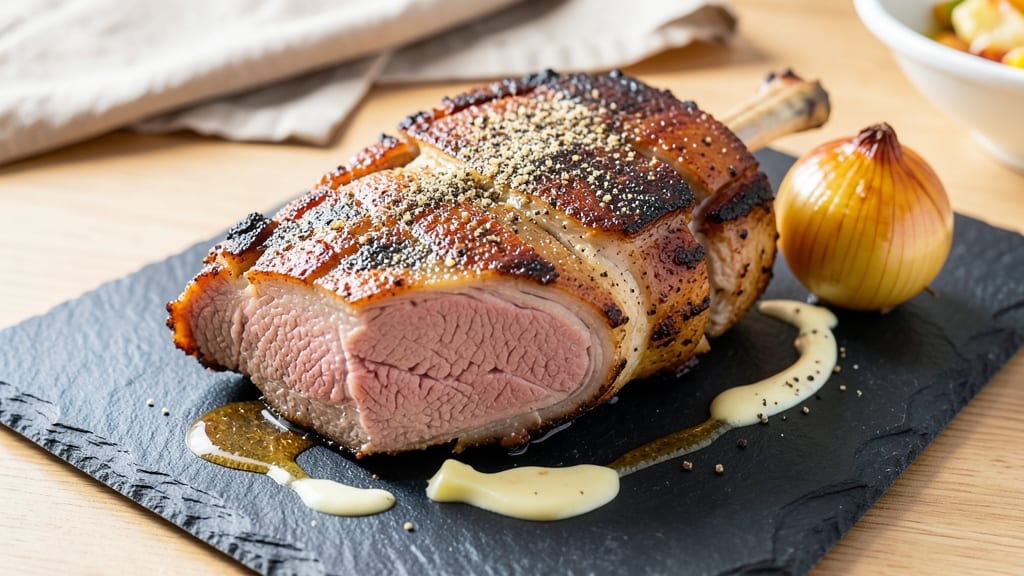
A bone-in pork rib roast recipe oven transforms a simple weeknight dinner into a showstopping centerpiece—crispy bark on the outside, tender meat falling from the bone inside. 🔥 The secret lies in a high-heat sear followed by slow roasting, which builds deep flavor while keeping the meat juicy.
I've perfected this method after years of testing, and it consistently delivers restaurant-quality results without requiring fancy equipment.
What sets this recipe apart is the balance of technique and simplicity. You'll start with a dry rub of salt, pepper, and garlic powder (no fancy marinade needed), then sear the roast to lock in juices before finishing in the oven at 325°F until the internal temperature reaches 145°F.
The bone-in cut adds richness, while the crispy exterior makes every bite satisfying. This method works beautifully with just a few pantry staples and minimal prep time.
The result is a pork roast with a golden, crackling crust that gives way to perfectly tender meat—juicy enough to melt in your mouth while maintaining structure. The natural fat from the bone bastes the meat as it cooks, creating layers of flavor that transform simple ingredients into something extraordinary.
This is the kind of dish that makes dinner feel like a special occasion, even on a weeknight.
Pair it with roasted potatoes and caramelized onions for a complete meal, or serve with crusty bread to soak up every last bit of flavor. The leftovers reheat beautifully, making this an ideal recipe for meal prep or feeding a crowd. Let's get started on creating your perfect pork roast.
Ingredients for bone in pork rib roast recipe oven
Crispy bark meets melt-in-your-mouth tenderness—just six core ingredients transform simple pork into a showstopper.
| Ingredient | Amount | Notes |
|---|---|---|
| Bone-In Pork Rib Roast 🥓 | 4 lb | Center-cut, 1.5-2 inches thick |
| Kosher Salt 🧂 | 1 ½ tbsp | Diamond Crystal preferred |
| Freshly Ground Black Pepper 🌶️ | 1 tbsp | Coarse grind for texture |
| Garlic Powder 🧄 | 1 tbsp | Not garlic salt |
| Unsalted Butter 🧈 | ½ cup | Cold, cubed for searing |
| Yellow Onion 🧅 | 1 whole | Cut into 4 wedges |
| Fresh Rosemary 🌿 | ¼ cup | Chopped, stems removed |
| Fresh Thyme 🌿 | ⅛ cup | Leaves only, stems removed |
| Extra-Virgin Olive Oil 🫒 | 2 tbsp | For basting |
| Apple Cider Vinegar 🍎 | 1 tbsp | For pan deglazing |
| Low-Sodium Chicken Broth 🍲 | ½ cup | For basting |
| Fresh Parsley 🌿 | ⅛ cup | Chopped, for garnish |
The pork cut makes all the difference here. Center-cut bone-in ribs (not shoulder or loin) deliver the best balance of flavor and tenderness. Most butchers will cut this for you if you ask—Whole Foods and Costco carry it pre-cut, but local butchers often have better quality. Look for a roast with good marbling and a thick bone—1.5-2 inches thick ensures even cooking. If you can't find bone-in, a pork rib roast with bone from Trader Joe's works too, just trim excess fat for better bark. The roast should be at room temperature before cooking—30-45 minutes out of the fridge ensures even searing.
No garlic powder? Fresh garlic minced at double the amount works beautifully, but it burns faster during searing. Substitute smoked paprika for half the garlic powder if you want extra depth. The butter is non-negotiable for that crispy bark—European-style unsalted butter like Plugrá melts perfectly. For the herbs, fresh is ideal, but dried rosemary and thyme at one-third the amount will work in a pinch. The apple cider vinegar might seem odd, but it cuts through the richness and adds brightness—substitute lemon juice if you're out. The chicken broth is just for basting, so low-sodium vegetable broth works too.
This roast reheats like a dream—350°F for 15-20 minutes with a splash of broth keeps it juicy. Store leftovers in the fridge for 4-5 days, wrapped tightly in foil to preserve moisture. For longer storage, freeze portions for up to 3 months. The crispy bark softens when reheated, so I always save a small piece to crisp up fresh in the oven if serving leftovers. Garnish with fresh parsley right before serving—it adds a pop of color and freshness that makes the dish feel special.
Why You'll Love This Recipe
- Foolproof Timing: I swear by this—just a 45-minute oven ride at 325°F, then another 20 minutes to rest. No babysitting required, and the bone stays crispy while the meat melts. Honestly, my slow-cooker days are over for this.
- Butter-Basted Magic: That garlic powder and butter? They turn the pork into something ridiculously good—crispy edges, juicy center, and a crust that’ll have everyone asking for seconds. I’ll be real: I’ve burned simpler meals trying to get this right.
- Weeknight or Weekend Star: Works just as well for a busy Tuesday as it does for a holiday table. Slice it thin for sandwiches, serve it whole for a showstopper, or shred it for tacos. My kids don’t care if it’s fancy—it’s always a hit.
- Budget-Friendly Leftovers: A single rib roast feeds six but costs less than takeout. The leftovers? Even better—toss them into fried rice, pasta, or breakfast hash. Between us, this is how I stretch my grocery budget without sacrificing flavor.
Step-by-step instructions for perfectly crispy pork rib roast
Here's how to achieve that coveted crispy bark while keeping the meat tender and juicy inside.
🔥 Step 1: Prep and Season the Roast for Maximum Flavor
Remove the 4 lb bone-in pork rib roast from the refrigerator and let it sit at room temperature for 30 minutes—this ensures even cooking. Pat the roast dry with paper towels, focusing on the fat cap and any crevices. I press firmly to remove all moisture, which is crucial for developing that crispy bark later.
In a small bowl, combine the 1.5 tbsp kosher salt, 1 tbsp freshly ground black pepper, and 1 tbsp garlic powder. Rub this mixture all over the roast, pressing it into the meat and fat cap. Pay special attention to the edges and bone area where flavor tends to concentrate. Let the seasoned roast rest uncovered on a wire rack for 15 minutes while you prepare the oven.
🍳 Step 2: Sear the Roast for Deep Flavor and Crispy Skin
Preheat your oven to 425°F with a rack positioned in the lower third. Place a large oven-safe skillet over medium-high heat and add the 0.5 cup cold cubed unsalted butter. Once the butter begins to foam, add the 2 tbsp extra-virgin olive oil and the 4 wedges of yellow onion. Let them cook for 3-4 minutes until the onions soften slightly.
Carefully place the seasoned roast fat-side down in the skillet. Press down gently on the roast during the first minute to ensure even contact with the pan—this prevents curling and ensures maximum crispiness. Cook for 5 minutes until the fat cap is golden brown and crispy. Flip the roast and sear the other side for another 5 minutes. The roast should be deeply browned and the internal temperature should reach 140°F when checked with a meat thermometer.
🥘 Step 3: Build the Flavorful Basting Sauce
Remove the roast from the skillet and place it on a plate. Pour in the 1 tbsp apple cider vinegar and scrape up all the browned bits from the bottom of the pan with a wooden spoon. Add the 0.5 cup low-sodium chicken broth and bring to a simmer over medium heat. Stir in the 0.25 cup chopped fresh rosemary and 0.125 cup fresh thyme leaves, letting the mixture simmer for 2 minutes to infuse the flavors.
Return the roast to the skillet, fat-side up, and spoon the herb-infused broth mixture over the top. Place the skillet in the preheated oven and roast for 45 minutes. After 25 minutes, spoon the accumulated juices from the pan over the roast to keep it moist and flavorful. The roast is ready when the internal temperature reaches 195-200°F and the meat is fork-tender.
⏰ Step 4: Rest and Garnish for the Perfect Finish
Remove the roast from the oven and transfer it to a cutting board. Tent loosely with aluminum foil and let it rest for 15 minutes. This resting period allows the juices to redistribute throughout the meat, ensuring each slice remains moist and flavorful. During this time, carefully remove the herbs from the pan juices using a slotted spoon and discard them.
Slice the roast into ½-inch thick portions against the grain for maximum tenderness. Spoon the pan juices over the sliced meat and garnish with the 0.125 cup chopped fresh parsley. The result should be a beautifully crispy exterior with succulent, juicy meat inside—exactly what you promised your guests.
Pro Tips For Making Bone In Pork Rib Roast Recipe Oven
- Start High, End Low: Roast the rib at 450°F for the first 20 minutes—this sears the exterior and locks in juices before you drop the heat to 300°F. I used to skip this step, and the meat always ended up dry or unevenly cooked. (Yes, even if you’re impatient like me.)
- Salt the Night Before: Generously coat the roast with kosher salt and refrigerate uncovered for 12-24 hours. This seasons deeper and makes the crust crispier when roasted. My grandmother swore by this, and she was right: the flavor is noticeably richer.
- Skip the Butter Rush: Don’t add the unsalted butter until the last 15 minutes of roasting—melting it too early makes the roast soggy. Instead, brush it on after searing, then sprinkle garlic powder over it. (Your future self will thank you.)
- Check Internal Temp Early: Use a meat thermometer to hit 140°F for medium-rare, then pull it out—it’ll rise to 145°F while resting. I learned this the hard way by overcooking it to 160°F and ending up with dry meat. (The bones stay tender this way too.)
Serving suggestions for this bone in pork rib roast recipe oven
Classic Sides
Roasted garlic mashed potatoes elevate this dish effortlessly. Toss 2 lbs Yukon Gold potatoes with 4 cloves roasted garlic, ½ cup heavy cream, and 4 tbsp butter until creamy.
The garlic's depth complements the pork's richness perfectly. For extra flair, sprinkle with crispy fried shallots right before serving. 🥔
Caramelized onions add sweetness and texture. Slice 2 large yellow onions thinly, then cook in 2 tbsp butter over low heat for 45 minutes until deep golden. Their jammy quality balances the roast's savory notes beautifully.
Fresh Contrasts
Bright apple salad cuts through the richness. Toss 2 cups mixed greens with ½ cup sliced Fuji apples, ¼ cup walnuts, and a dressing of 2 tbsp apple cider vinegar, 3 tbsp olive oil, and 1 tsp Dijon mustard.
The crisp, tangy flavors refresh your palate between bites.
Quick sautéed green beans with almonds add crunch. Blanch 1 lb green beans for 3 minutes, then toss with 2 tbsp butter, 2 tbsp sliced almonds, and a pinch of salt. The nutty crunch contrasts the pork's tender texture wonderfully.
Bread Pairings
Crusty baguette soaks up pan juices beautifully. Toast slices until golden, then rub with 1 clove garlic and 1 tbsp olive oil. Serve warm alongside the roast for an effortless, flavorful addition.
For a heartier option, try cheesy garlic bread. Spread ½ cup garlic-herb cream cheese on a baguette, top with ½ cup shredded mozzarella, and broil for 3 minutes until bubbly. The melty cheese pairs perfectly with the crispy pork.
Seasonal Twists
In fall, roasted sweet potatoes with cinnamon and maple glaze add warmth. Toss 2 lbs sweet potatoes with 2 tbsp maple syrup, 1 tsp cinnamon, and 1 tbsp butter, then roast until caramelized.
For spring, a spring pea and mint salad brings freshness. Lightly blanch 1 cup peas and toss with ¼ cup mint leaves, 2 tbsp crumbled feta, and a lemon vinaigrette. The bright flavors complement the rich pork beautifully. 🌱
Nutrition facts
Frequently asked questions
Why does the recipe call for a bone-in pork rib roast instead of boneless?
The bone adds incredible flavor and moisture as it renders during cooking. The bone-in cut stays juicier longer and infuses the meat with rich, savory notes. Plus, it makes the dish feel more special—like a restaurant-quality roast. If you must use boneless, trim excess fat to get that crispy bark.
Can I cook this roast without searing first?
You can, but you'll miss out on the best flavor development. Searing creates the Maillard reaction (browning) that gives depth of flavor. If you skip it, roast at 325°F for 2.5-3 hours instead, basting frequently with butter and herbs. The meat will still be tender but won't have that crispy, flavorful exterior.
What if my roast doesn't reach 195°F internal temperature?
Don't panic! The roast is safe to eat at 145°F (medium doneness). If it's not reaching 195°F, your roast may be smaller or leaner. Extend oven time by 15-20 minutes and check every 15 minutes. For extra tenderness, slice against the grain and serve with pan juices to compensate for any dryness.
How do I reheat leftovers without drying them out?
Wrap slices tightly in foil with a splash of chicken broth, then reheat at 350°F for 15-20 minutes. For crispy bark, place slices on a baking sheet and broil for 2-3 minutes at the end. Avoid microwaving—it always makes pork dry. Leftovers keep well for 4-5 days in the fridge or 3 months frozen.
What's the best way to use the pan drippings?
Strain the pan juices to remove herbs, then reduce them by half on the stovetop for a quick pan sauce. Deglaze with a splash of apple cider vinegar or red wine for extra brightness. Use this sauce to drizzle over the sliced roast, or toss with mashed potatoes for instant flavor. Store any extra in the fridge for up to 3 days.