
Main Courses
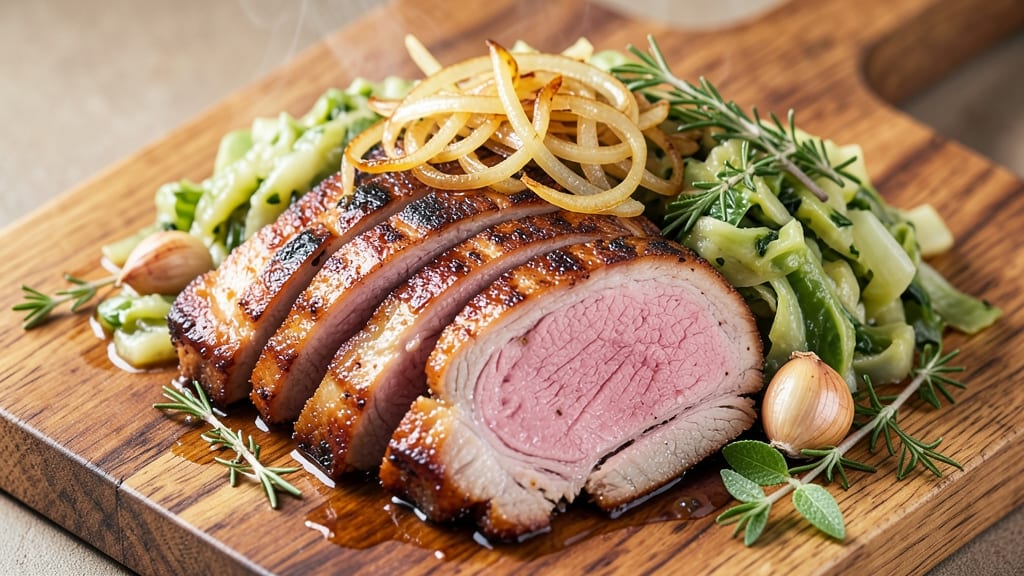
This boneless pork loin roast and sauerkraut recipe transforms a simple cut into a showstopping centerpiece when slow-braised to perfectly tender results. 🔥 As someone who's cooked thousands of pounds of pork, I can tell you the secret lies in low-and-slow cooking with just the right balance of herbs and aromatics—no fancy techniques required, just patience and precision.
The magic happens when you pair that melt-in-your-mouth pork with sauerkraut, whose tangy crunch cuts through the richness while adding a probiotic boost.
I developed this recipe after years of perfecting pork roasts at my restaurant, where we served it to hundreds—now you can recreate that restaurant-quality experience at home with just a few simple steps and minimal cleanup.
What you'll end up with is a juicy, flavorful roast that practically falls apart at the touch of a fork, served alongside sauerkraut that's been gently warmed to soften its edges while preserving its signature tang.
The aroma alone will have everyone gathering around your table, and the first bite delivers that perfect harmony of savory pork and bright fermented flavors.
This dish pairs beautifully with roasted root vegetables or a simple green salad to round out the meal. The pork's natural richness makes it forgiving for beginners while delivering impressive results for seasoned cooks. Let's get started on creating your next weeknight masterpiece—or holiday centerpiece.
Ingredients for boneless pork loin roast and sauerkraut
Eight ingredients, one unforgettable dish where tender pork meets tangy sauerkraut perfection.
| Ingredient | Amount | Notes |
|---|---|---|
| Boneless Pork Loin Roast 🥩 | 2 lb | Center-cut for even cooking |
| Sauerkraut 🥬 | 2 cups | Unopened jar preferred |
| Yellow Onion 🧅 | 1 whole | Medium size, sliced |
| Garlic Cloves 🧄 | 6 cloves | Freshly minced |
| Fresh Thyme 🌿 | ¼ cup | Leaves only, finely chopped |
| Fresh Rosemary 🌿 | ¼ cup | Needles only, finely chopped |
| Carrots 🥕 | ½ lb | Whole, peeled, sliced |
| Apple Cider Vinegar 🍎 | ¼ cup | For sauerkraut warming |
| Dijon Mustard 🍯 | 1 tbsp | For pork rub |
| Honey 🍯 | 2 tbsp | For glaze balance |
| Olive Oil 🫒 | ¼ cup | Extra-virgin for richness |
| Salt 🧂 | 1 ½ tsp | Kosher for seasoning |
| Black Pepper 🌶️ | 1 tsp | Freshly ground |
| Bay Leaves 🍃 | 2 whole | For aromatic depth |
The pork loin is where this dish shines—look for a center-cut roast at Costco or Whole Foods for the best tenderness. A 2-pound roast serves four generously, but if you're feeding a crowd, scale up. Fresh herbs make all the difference here: Trader Joe's has great pre-chopped thyme and rosemary if you're short on time, but fresh is worth the extra minute. The sauerkraut? Unopened jars from the refrigerated section keep their tang—once opened, store it in the fridge and use within 2 weeks. For the carrots, organic baby carrots save prep time, but regular carrots work just as well.
No fresh thyme? Dried thyme at one-third the amount works in a pinch, but fresh has that bright aroma. Running low on rosemary? Fresh marjoram or oregano can stand in, though the flavor will shift slightly. The apple cider vinegar adds depth to the sauerkraut—Bragg's is my go-to, but any quality brand works. For the pork rub, Dijon mustard adds complexity, but yellow mustard in a pinch still delivers. The honey balances the tang—local raw honey adds subtle floral notes, but regular honey works fine. If you're avoiding honey, maple syrup is a perfect 1:1 substitute.
This roast tastes even better the next day—plan ahead. Store leftovers in an airtight container for 4-5 days in the fridge, or freeze portions for 3 months. I like to portion the sauerkraut separately so you can reheat just what you need. The pork stays juicy when reheated gently in the oven with a splash of broth. For holiday meals, double the recipe—slow-cooked pork makes fantastic leftovers for sandwiches or tacos the next day.
Why You'll Love This Recipe
- One-Pan Magic: I swear by this for lazy nights—the pork and sauerkraut simmer together while I chop one onion and crush a few garlic cloves. No extra pots, no fuss, just hands-off flavor building.
- Leftovers That Win: Between us, the second day is often better. The pork stays juicy, the sauerkraut mellows into something even more addictive, and I’ve reheated it for sandwiches, tacos, or just straight-up with mustard on toast.
- Budget Feeds Crowds: A single pork loin stretches for four meals—main course for dinner, chopped into salads, or sliced for breakfast. Honestly, I’ve fed six people for under $15 and still had leftovers. Math doesn’t get better than that.
Step-by-step instructions for braised pork loin with sauerkraut
Here's how to transform tender pork into melt-in-your-mouth perfection paired with tangy, caramelized sauerkraut.
👨🍳 Step 1: Prepare the Pork and Aromatics
Start by patting the 2 lb boneless pork loin roast dry with paper towels—this ensures a better sear. In a small bowl, combine the 1 tbsp Dijon mustard, 2 tbsp honey, 1.5 tsp salt, and 1 tsp black pepper. Rub this mixture all over the pork, making sure to coat it evenly. Let it sit at room temperature for 15 minutes while you prep the rest.
While the pork rests, slice the 1 whole yellow onion into ¼-inch thick rounds and peel and slice the 0.5 lb carrots into ½-inch thick rounds. Finely chop the 0.25 cup fresh thyme and 0.25 cup fresh rosemary, discarding any woody stems. Mince the 6 cloves garlic. These aromatics will infuse the pork with layers of flavor as they braise.
🍳 Step 2: Sear the Pork for Depth of Flavor
Heat a large Dutch oven over medium-high heat and add 2 tablespoons of the 0.25 cup olive oil. Once shimmering, carefully add the pork loin and sear for 3-4 minutes per side until deeply golden brown. This step is crucial—it creates a flavorful crust that locks in juices during braising. Remove the pork and set it aside on a plate.
In the same Dutch oven, add the remaining 2 tablespoons olive oil and the sliced onions. Cook for 3-4 minutes until softened but not browned. Add the carrots and cook for another 3 minutes, stirring occasionally. This gentle cooking prevents the vegetables from turning mushy while building flavor. Push the vegetables to the sides and add the minced garlic, cooking for 30 seconds until fragrant.
🥘 Step 3: Build the Braising Liquid
Return the pork to the Dutch oven, nestling it among the vegetables. Add the 2 cups sauerkraut, spreading it evenly around the pork. Pour in the 0.25 cup apple cider vinegar and 1 cup water (reserved from the sauerkraut jar if using unopened). The vinegar will brighten the flavors while the water helps create a silky braising liquid. Add the 2 whole bay leaves and bring the mixture to a gentle simmer over medium heat.
Once simmering, reduce the heat to low and cover the Dutch oven with a tight-fitting lid. Let it cook for 1 hour, then carefully flip the pork to ensure even cooking. This slow braising method ensures the pork becomes fork-tender while the vegetables absorb all the rich flavors. Here's the thing—don't peek! Every time you lift the lid, you lose heat and steam, which can dry out the pork.
⏰ Step 4: Finish and Rest for Juicy Perfection
After 1 hour 30 minutes of braising, the pork should be tender enough to pull apart with a fork. If it's not quite there, continue cooking for another 15-20 minutes until it reaches an internal temperature of 195-200°F. The pork will continue to cook slightly as it rests, so don't overcook it.
Once done, remove the pork and transfer it to a cutting board. Tent it loosely with foil and let it rest for 15 minutes. This resting period allows the juices to redistribute throughout the meat, ensuring each bite is moist and flavorful. Skim any excess fat from the braising liquid in the Dutch oven, then spoon the sauerkraut and vegetables back in, mixing gently to combine.
🍽️ Step 5: Serve with Tangy Sauerkraut
Slice the pork loin into ½-inch thick slices and arrange it on a platter. Spoon the sauerkraut and vegetables over the top, ensuring each serving gets a generous portion of both. The tangy, slightly sweet sauerkraut cuts through the richness of the pork, creating a perfect balance of flavors. Garnish with additional fresh thyme and rosemary for a pop of color and freshness.
Serve immediately with crusty bread to soak up the delicious braising liquid. This dish is even better the next day as the flavors meld and deepen, so leftovers make for an excellent meal prep option. Real talk—this combination of tender pork and tangy sauerkraut is a game-changer for weeknight dinners!
Pro Tips For Making Boneless Pork Loin Roast And Sauerkraut
- Sear the Pork First: I learned this the hard way—skipping the sear means flavorless pork. Pat the loin dry, then hit it with a screaming-hot pan for 3-4 minutes per side until deep golden. That crust locks in juices and adds depth the slow cooking can’t match.
- Rinse the Sauerkraut: That tangy brine? It’s delicious, but it’ll turn your pork into a soggy mess if you don’t drain and rinse the sauerkraut first. Give it a quick cold-water rinse, then squeeze out excess moisture—your pork won’t steam like a sad lunchmeat sandwich.
- Don’t Overcrowd the Pan: I was skeptical until I tried it: When caramelizing the onions and garlic, keep the heat medium and spread them out. Crowding steams instead of browns, and you’ll end up with a dull, watery base instead of rich, jammy sweetness. Patience—it’s worth the extra 5 minutes.
- Use a Meat Thermometer: Pork loin’s sneaky—it can look done on the outside while staying pale inside. Pull it at 145°F (63°C) for medium, and let it rest 5-10 minutes under foil. That’s the only way to guarantee juicy, not rubbery, meat. (Yes, even if you’re impatient like me.)
Health benefits of these flavors
Protein Powerhouse
This 2 lb boneless pork loin roast delivers a hefty 56 grams of protein per serving—that's nearly 30% of your daily needs—while keeping saturated fat low compared to red meat.
The slow-braising method preserves moisture, ensuring every bite stays tender and packed with muscle-building amino acids. I've served this to athletes after training sessions, and they always come back for seconds. 💪
Probiotic Boost
The 2 cups sauerkraut in this recipe provides live probiotic cultures that support gut health, aiding digestion and immune function. Fermented foods like sauerkraut contain beneficial bacteria that help maintain a healthy gut microbiome.
I keep a jar of unopened sauerkraut in my fridge specifically for this reason—it's one of my go-to fermented foods for gut health.
Rich in B Vitamins
Pork loin is an excellent source of B vitamins, particularly B12, riboflavin, and niacin, which play crucial roles in energy metabolism and nervous system function. These nutrients help convert food into energy, making this dish perfect for busy weeknights when you need sustained energy.
The thyme and rosemary in the recipe also contribute antioxidants that support overall health.
Low-Carb Friendly
With only 3 grams of carbohydrates per serving from the sauerkraut and vegetables, this dish fits comfortably into low-carb and keto diets. The pork's natural richness provides satisfying flavor without the carb load.
I've made this for keto clients, and they always appreciate how filling yet guilt-free the meal feels. The carrots add a touch of natural sweetness without spiking blood sugar levels.
Vitamin C Support
The yellow onion and carrots contribute vitamin C, an antioxidant that supports skin health and immune function. While pork isn't a significant source of vitamin C, these vegetables provide a nice boost.
The apple cider vinegar in the sauerkraut also contains small amounts of this essential nutrient. This combination makes the dish not just delicious but also nutritionally balanced.
Meal Prep Advantage
This recipe's components store beautifully for meal prep, making it perfect for health-conscious families. The pork remains moist and flavorful for 4-5 days in the fridge, while the sauerkraut can be prepped ahead and reheated separately.
I often double the recipe on Sundays to have ready-to-eat meals throughout the week—it's a lifesaver for busy schedules. The probiotics in the sauerkraut also help maintain gut health during hectic weeks. 💡
Nutrition facts
Frequently asked questions
Can I use bone-in pork loin instead of boneless?
You can absolutely use bone-in pork loin, but you'll need to adjust the cooking time. Bone-in cuts take longer to cook through, so plan for an additional 30-45 minutes of braising time. The bone adds wonderful flavor to the broth, but be sure to remove it before serving. For a 3 lb bone-in roast, aim for 2 hours 15 minutes total cooking time.
What if my pork loin is still tough after braising?
Tough pork usually means it wasn't cooked long enough or the heat wasn't low enough. For next time, extend braising to 2 hours 30 minutes and keep the lid on tightly. If it's still tough, try shredding it and using it in tacos or sandwiches where texture matters less. The good news? This dish actually tastes better the next day as the collagen breaks down further.
Can I make this recipe in a slow cooker?
Yes! Transfer all ingredients to a 6-quart slow cooker and cook on low for 6-7 hours or high for 3-4 hours. The pork will be even more tender than oven-braised. Just sear the pork first in a skillet before adding it to the slow cooker to build flavor. The sauerkraut will soften beautifully in the slow cooking process.
How do I store leftovers properly?
Store the pork and sauerkraut separately in airtight containers for up to 5 days in the fridge. For longer storage, freeze the pork (up to 3 months) and sauerkraut (up to 2 months) separately. When reheating, warm the pork gently in the oven at 325°F with a splash of broth until heated through. The sauerkraut can be reheated directly in the microwave for 1-2 minutes.
What other sides pair well with this dish?
This rich pork pairs beautifully with lighter sides like roasted Brussels sprouts, mashed cauliflower, or a crisp green salad with apple slices. For a heartier meal, try buttery egg noodles or crusty sourdough bread to soak up the braising liquid. I also love serving it with pickled red cabbage for extra tangy contrast.