
Main Courses
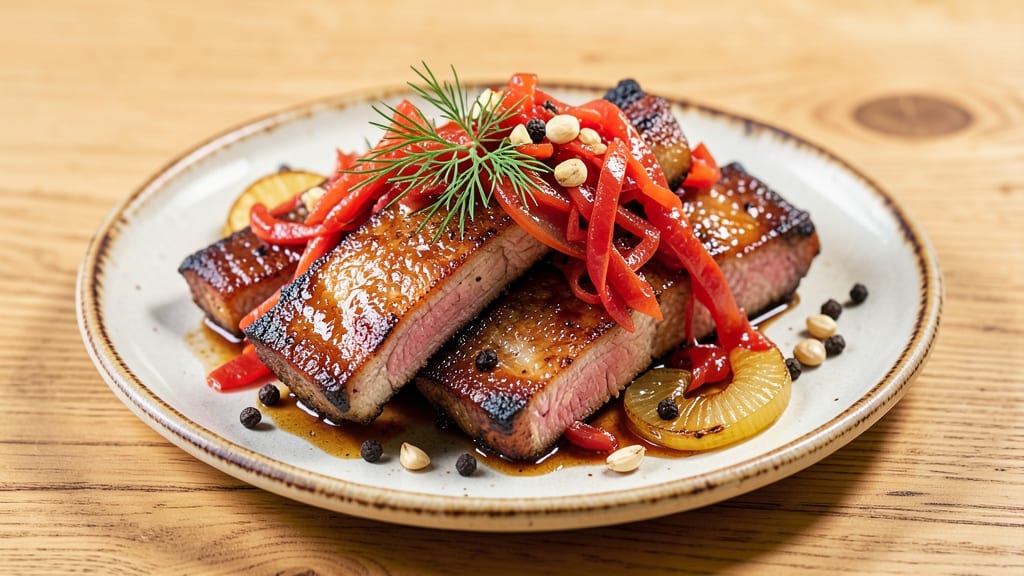
This boneless pork ribs and sauerkraut recipe transforms simple ingredients into a restaurant-worthy meal that balances rich, tender pork with the tangy crunch of fermented cabbage. 🔥 I developed this after years of perfecting braised pork techniques, ensuring the ribs stay juicy and the sauerkraut retains its signature bite—no mushy sides here.
The secret? A slow cook that melts collagen while keeping the meat perfectly tender, paired with just enough acidity to cut through the richness.
The beauty of this dish lies in its simplicity: one-pot preparation means minimal cleanup, while the flavors develop deeply over time. You'll start with a dry rub that creates a flavorful crust on the ribs, then braise them until they're fork-tender.
Meanwhile, the sauerkraut gets warmed just enough to soften slightly while keeping that essential tang. This isn't just another pork recipe—it's a foolproof method that delivers professional results at home.
By the time you serve this, you'll have perfectly tender ribs with a caramelized edge, paired with sauerkraut that's warm, slightly softened, and still packed with that signature fermented crunch.
The contrast between the rich pork and tangy cabbage creates a balance that's impossible to resist. This is comfort food at its finest—heartier than takeout but easier than you'd expect.
Serve with crusty bread to soak up every last bit of the braising liquid, or add a dollop of mustard for extra depth. The leftovers reheat beautifully, making this an ideal meal for busy weeknights or weekend gatherings. Let's get cooking—your taste buds will thank you.
Ingredients for boneless pork ribs and sauerkraut
Pork ribs, sauerkraut, and a few pantry staples create this deeply satisfying braise.
| Ingredient | Amount | Notes |
|---|---|---|
| Boneless Pork Ribs 🥓 | 2 lb | Cut into 2-inch pieces |
| Yellow Onion 🧅 | 1 whole | Chopped into wedges |
| Garlic Cloves 🧄 | 6 cloves | Minced for depth |
| Sauerkraut 🥬 | 1 ½ cups | Drained, rinsed if too sour |
| Apple Cider Vinegar 🍎 | ½ cup | For tangy depth |
| Beef Broth 💧 | 1 cup | Low-sodium preferred |
| Dijon Mustard 🍯 | 1 tbsp | For subtle heat |
| Brown Sugar 🍚 | 2 tbsp | Balances acidity |
| Smoked Paprika 🌶️ | 1 tsp | For smoky richness |
| Ground Black Pepper 🌶️ | ½ tsp | Freshly cracked |
| Bay Leaves 🌿 | 2 whole | Removed before serving |
| Olive Oil 🫒 | 2 tbsp | For searing ribs |
| Crusty Bread 🍞 | 1 loaf | For serving suggestion |
| Whole Grain Mustard 🍯 | 1 tbsp | Optional garnish |
The ribs are the star here, so look for bone-in cuts at your butcher—they're often cheaper and more flavorful. If you're buying pre-cut boneless pork ribs, Costco or Whole Foods have the best quality. The sauerkraut should be bright and slightly sour—avoid the mushy kind at the back of the fridge. For the vinegar, Bragg or local apple cider vinegar adds the best depth, but any good-quality vinegar works. The beef broth? Low-sodium is key—you don't want to overpower the pork's natural flavor.
No beef broth? Chicken broth works in a pinch, though you'll lose some richness. Sauerkraut too sour? Rinse it briefly under cold water to mellow the acidity. Short on mustard? Dijon plus a pinch of cayenne gets you close. The brown sugar balances everything beautifully—don't skip it. For the paprika, smoked is non-negotiable—it's what gives this dish its signature depth. And if you're feeling fancy, add a splash of bourbon when deglazing the pan—trust me on this.
This braise gets better the next day, so make a double batch if you can. Store in an airtight container in the fridge for up to 5 days, or freeze portions for 3 months. The ribs stay tender, and the sauerkraut keeps its crunch. Serve with that crusty bread to soak up the braising liquid—perfect for sandwiches or sides. Leftovers reheat beautifully; just add a splash of broth or water to loosen everything up.
Why You'll Love This Recipe
- One-Pan Magic: I swear by this recipe when I’m too tired to scrub pots—just toss the ribs, onions, and garlic in a skillet, let them caramelize, then fold in the sauerkraut and vinegar. The acid cuts through the richness while the kraut adds that tangy crunch without extra effort.
- Tangy-Sweet Crunch: That first bite? The crispy edges on the pork ribs meet the briny, slightly sweet sauerkraut—like a German pub dish but with half the fuss. The apple cider vinegar ties it all together with a sharp, bright finish that makes it feel fancy without trying.
- Leftovers That Don’t Suck: Between us, most pork dishes turn sad after day two. Not this one. The sauerkraut keeps the ribs moist, and the vinegar’s acidity actually improves overnight. I pack it for lunches—cold or reheated—because it’s still hearty and flavorful.
- Budget Meal for Crowds: A pound of boneless ribs and a jar of sauerkraut stretch farther than you’d think. I’ve fed six people for under $15, and honestly? No one bats an eye when they see how simple it is. Plus, the onions and garlic are pantry staples—minimal extra cost for maximum flavor.
Step-by-step instructions for braised boneless pork ribs with sauerkraut
This rich, tangy braise delivers melt-in-your-mouth pork with crispy sauerkraut in under an hour.
🔥 Step 1: Sear the Ribs for Maximum Flavor
Heat a large Dutch oven over medium-high heat until hot. Add the 2 tablespoons olive oil and swirl to coat the bottom. Working in batches if needed, add the 2 lb boneless pork ribs (cut into 2-inch pieces) and sear undisturbed for 3-4 minutes per side until deeply browned.
Here's the thing—don't crowd the pan. You want those ribs to develop that golden crust that'll carry all the braising flavors. Once browned, transfer the ribs to a plate and set aside. You'll notice the pan will be covered in beautiful fond—those browned bits are pure flavor gold.
🍳 Step 2: Build the Tangy Braising Base
In the same Dutch oven, add the 1 whole yellow onion (chopped into wedges) and cook for 5 minutes until softened and starting to caramelize. Add the 6 cloves garlic (minced) and cook for another 30 seconds until fragrant—don't let it burn.
Stir in the 1.5 cups sauerkraut (drained), 0.5 cup apple cider vinegar, 1 cup beef broth, 1 tablespoon Dijon mustard, 2 tablespoons brown sugar, 1 teaspoon smoked paprika, and 0.5 teaspoon ground black pepper. Add the 2 whole bay leaves and bring everything to a gentle simmer.
🥘 Step 3: Braise Until Fork-Tender
Return the seared ribs to the Dutch oven, spooning the braising liquid over them to coat completely. Bring to a gentle boil, then reduce heat to low, cover, and let it cook for 45-50 minutes until the pork is fork-tender and falls apart easily.
Here's where patience pays off. The ribs should be so tender they practically disintegrate when pierced with a fork, but still hold together when served. If the liquid reduces too much before the ribs are done, add 2-3 tablespoons water to maintain moisture without diluting the flavors.
⏰ Step 4: Finish and Serve with Crispy Sauerkraut
Once the pork is tender, remove the ribs and transfer them to a serving platter. Increase the heat to medium-high and simmer the braising liquid uncovered for 5-7 minutes until it thickens slightly and coats the back of a spoon.
Return the ribs to the Dutch oven and spoon the reduced sauce over them. For that perfect finishing touch, spread the 1 tablespoon whole grain mustard over the top. Serve immediately with slices of crusty bread to soak up every last bit of that tangy, smoky sauce.
Pro Tips For Making Boneless Pork Ribs And Sauerkraut
- Sear the Ribs First: Hit the ribs with a screaming-hot pan—no oil needed if they’re fresh enough to sizzle. That crust locks in flavor when they later bathe in sauerkraut’s acid; I used to skip this and ended up with bland, mushy meat every time.
- Rinse the Sauerkraut: Drain and rinse the sauerkraut under cold water before cooking—it cuts the sharpness and prevents the dish from tasting like a pickle jar exploded. (Yes, even if the jar says "ready to eat.") Let it drain in a colander for 10 minutes afterward.
- Don’t Overcrowd the Pan: Cook the onions and garlic in batches if needed—crowding steams them instead of browning. Golden bits stick to the ribs later, so take the extra 2 minutes to get them crisp. I learned this after one disaster where everything tasted raw.
- Deglaze with Vinegar Last: Save the apple cider vinegar for the final 2 minutes of cooking—it brightens the sauce but evaporates fast. Add it too early, and you’ll end up with a watery, tangy mess instead of a glossy, balanced glaze. (Trust me, I’ve done both.)
Serving suggestions for this recipe
Crusty Bread Pairing
No braised pork dish is complete without a slice of crusty bread to soak up that tangy, smoky sauce. I recommend a baguette-style loaf from your local bakery—look for one with a crisp exterior and soft interior.
Warm it in the oven at 350°F for 5-7 minutes until golden. The contrast between the warm bread and cool braising liquid makes every bite even more satisfying. 🍞
Mustard Finishing Touch
A dollop of whole grain mustard adds a bright, slightly peppery note that cuts through the richness of the pork. Spread 1 tablespoon over each serving just before eating, or mix it into the braising liquid during the final 5 minutes of simmering.
For extra depth, I sometimes add a pinch of smoked paprika to the mustard before serving. This simple step elevates the dish from good to restaurant-quality.
Pickled Veggie Garnish
Brighten the plate with quick-pickled red onions or radishes—slice ½ red onion thinly and soak in ¼ cup apple cider vinegar, 1 tablespoon sugar, and a pinch of salt for 15 minutes.
The acidity mirrors the sauerkraut’s tang while adding a pop of color. Scatter over the ribs before serving for a refreshing contrast. I also love adding fresh dill or parsley for a herbaceous finish.
Side Salad Balance
A crisp arugula salad with a lemon vinaigrette balances the richness of the pork. Toss 4 cups arugula with 2 tablespoons olive oil, 1 tablespoon fresh lemon juice, and a pinch of sea salt.
The peppery greens cleanse your palate between bites of tender ribs. For extra crunch, add toasted walnuts or pumpkin seeds. This keeps the meal light yet satisfying.
Bourbon Glaze Option
For a decadent twist, finish the ribs with a bourbon glaze. After braising, remove the ribs and simmer ¼ cup beef broth with 2 tablespoons brown sugar and 1 tablespoon bourbon until reduced by half.
Brush over the ribs before serving. The caramelized glaze adds a sweet, smoky depth that pairs beautifully with the tangy sauerkraut. Just be sure to use high-quality bourbon—I swear by Buffalo Trace.
Leftovers Reinvention
Transform tomorrow’s leftovers into pork rib sandwiches or tacos. Pile the ribs onto toasted brioche buns with extra sauerkraut and a smear of garlic aioli. For tacos, serve in corn tortillas with avocado slices and pickled jalapeños.
The braising liquid makes an incredible gravy—just reduce it further and drizzle over mashed potatoes or polenta for a cozy side dish. 💡
Nutrition facts
Frequently asked questions
Can I use regular cabbage instead of sauerkraut?
While you can substitute fresh cabbage, you'll miss the signature tang and fermented depth that makes this dish special. If you must, shred 2 cups of green cabbage and sauté it for 5 minutes with 1 tablespoon apple cider vinegar and ½ teaspoon sugar to mimic the sauerkraut's acidity. But for authentic flavor, stick with the fermented version!
How do I prevent the ribs from drying out?
The key is low-and-slow cooking with enough liquid. After searing, cover the Dutch oven and keep the heat at low—this prevents evaporation. If the liquid reduces too quickly, add 2-3 tablespoons water or broth. The ribs should be fork-tender but still juicy when done. Never rush the braising time!
Can I make this in a slow cooker?
Sear the ribs first, then transfer everything to your slow cooker and cook on low for 6-7 hours or high for 3-4 hours. The ribs will stay tender, and the sauerkraut will soften just enough. Just skip the final sauce reduction step—serve it as-is from the slow cooker for maximum convenience.
What's the best way to reheat leftovers?
Reheat gently in a skillet with 1-2 tablespoons broth or water over low heat for 5-7 minutes until warmed through. Microwaving can make the ribs rubbery, and oven reheating may dry them out. For extra flavor, add a splash of apple cider vinegar to the reheating liquid to restore that tangy brightness.
Can I substitute another type of vinegar?
Apple cider vinegar is ideal for its fruity depth, but white wine vinegar or red wine vinegar work in a pinch. Avoid balsamic—it's too sweet and will overpower the dish. If using white wine vinegar, reduce the sugar slightly (1 tablespoon) since it's less acidic. For best results, stick with apple cider if possible!