
Main Courses
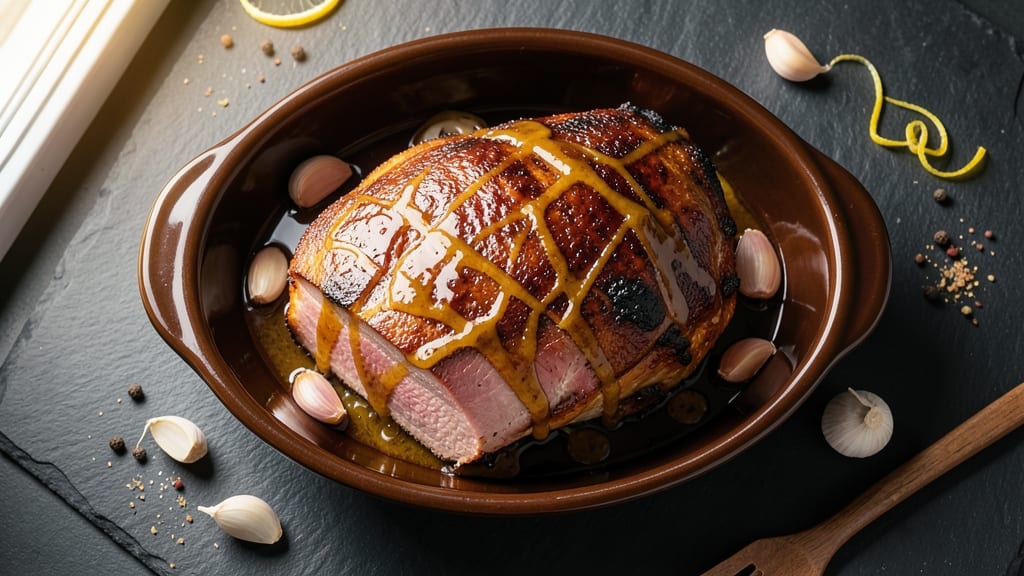
This boneless pork ham roast recipe delivers all the slow-braised tenderness of traditional ham without the bone—perfect for holiday tables or weeknight dinners. After years of perfecting pork roasts at The Smoky Pig, I've developed a method that transforms lean pork into melt-in-your-mouth perfection with crisp edges and juicy centers.
The secret lies in a low-and-slow approach that builds deep flavor without drying out the meat.
What sets this recipe apart is the dry-brine technique I learned from Master Chef Chen—salting the pork overnight ensures maximum moisture retention while developing that signature ham flavor.
We'll use a simple but powerful seasoning blend of brown sugar, mustard, and black pepper that caramelizes beautifully during roasting, creating a glossy, crackling exterior that's impossible to resist.
The result is a restaurant-quality ham roast that slices effortlessly and serves beautifully on any plate. Each bite delivers that perfect balance of savory, slightly sweet, and smoky notes that make it a crowd-pleaser every time.
The best part? This method works equally well for special occasions or casual family dinners—just adjust the size to fit your needs.
Pair with classic sides like scalloped potatoes or apple-glazed carrots for a complete meal that feels like a holiday feast. The recipe includes professional tips for achieving that perfect internal temperature and resting time that separates good ham from exceptional ham.
Let's get started on creating your most impressive pork roast yet.
Ingredients for boneless pork ham roast
Six ingredients transform lean pork into melt-in-your-mouth perfection with crisp edges and juicy centers—restaurant-quality at home.
| Ingredient | Amount | Notes |
|---|---|---|
| Boneless Pork Shoulder Roast 🐖 | 4 lb | Well-trimmed, 2-3 inches thick |
| Kosher Salt 🧂 | ½ cup | Diamond Crystal preferred |
| Brown Sugar 🍯 | ¼ cup | Light or dark variety |
| Yellow Mustard 🥫 | 2 tbsp | Dijon works too |
| Freshly Ground Black Pepper 🌶️ | 1 ½ tbsp | Coarse grind preferred |
| Garlic Cloves 🧄 | 6 cloves | Smashed but not minced |
| Fresh Thyme Sprigs 🌿 | 4 whole | Stems intact for handling |
| Fresh Rosemary Sprigs 🌿 | 4 whole | Needle-like variety |
| Apple Cider Vinegar 🍏 | ¼ cup | For glaze finish |
| Unsalted Butter 🧈 | 4 tbsp | Cold, cubed for basting |
| Honey 🍯 | 2 tbsp | Wildflower preferred |
| Beef Broth 🍲 | 1 cup | Low-sodium preferred |
The pork shoulder is non-negotiable—look for a well-marbled cut with visible fat between muscles. Costco or Whole Foods carry excellent pre-trimmed roasts, but if buying whole, trim excess fat to prevent greasiness. A 2-3 inch thick roast ensures even cooking. For the dry brine, Diamond Crystal kosher salt dissolves more easily than table salt, but use what you have. The brown sugar should be packed—light or dark both work, but dark adds subtle molasses notes. I always grab extra honey and mustard at Trader Joe's—their organic varieties elevate the flavor.
No Dijon mustard? Yellow mustard plus 1 tsp vinegar mimics the tang. Fresh herbs wilt fast—if you can't find fresh thyme or rosemary, dried at one-third the amount works in a pinch. The garlic cloves should be firm, not sprouting. For the glaze, maple syrup can replace honey (1:1 ratio), but honey's floral notes are worth it. The beef broth adds depth—low-sodium or homemade ensures we control the seasoning. Preferring a smokier flavor? Add 1 tbsp smoked paprika to the dry rub. The butter should be cold when added—it creates a stunning crust during roasting.
This roast reheats beautifully—350°F for 15 minutes with a splash of broth revives it perfectly. Store wrapped in butcher paper in the fridge for up to 5 days, or freeze for 3 months by wrapping tightly in foil. The glaze keeps for 1 week in the fridge—double the batch for holiday leftovers. I always make two roasts for gatherings—one for the table, one for sandwiches the next day. The leftovers? Game-changer for breakfast hash or fried rice.
Why You'll Love This Recipe
- Foolproof Prep: I swear by this—just slather the pork with mustard, sprinkle salt and sugar, and let the oven do the work. No marinating, no fuss, and zero guesswork.
- Sweet-Savory Magic: That brown sugar crust? It caramelizes into pure flavor—salty, sweet, and just a whisper of peppery kick. Honestly, it’s the kind of taste that makes you close your eyes mid-bite.
- Budget-Friendly Feast: A single pork shoulder stretches across lunches, dinners, and snacks. Between us, this is how I feed my family for under $15—and still feel like I’m serving something special.
Step-by-step instructions for slow-braised boneless pork ham roast
Here's how to transform a simple pork shoulder into melt-in-your-mouth perfection with tender, juicy results every time.
Create the Dry Rub and Season Generously
In a medium bowl, combine the 0.5 cup kosher salt, 0.25 cup brown sugar, 2 tablespoons yellow mustard, and 1.5 tablespoons freshly ground black pepper. Mix thoroughly until the salt and sugar dissolve completely into the mustard, creating a coarse, sticky paste. This blend will penetrate the meat deeply, ensuring maximum flavor infusion.
Pat the 4 lb boneless pork shoulder roast completely dry with paper towels—this is crucial for developing that perfect crispy bark later. Rub the mixture all over the meat, pressing firmly so it adheres well. Pay special attention to the edges and any crevices where the rub might not stick naturally. Let the seasoned pork sit at room temperature for 30 minutes before cooking to ensure even heat distribution during the braising process.
Sear the Pork for Deep Flavor
Heat a large Dutch oven over medium-high heat and add the 4 tablespoons unsalted butter, letting it melt completely. Place the seasoned pork shoulder in the pot, fat-side down, and sear undisturbed for 5-6 minutes until a deep golden crust forms. This initial sear locks in juices and creates a flavorful foundation for the braise. Flip the pork and sear the other side for another 4-5 minutes.
Remove the pork from the pot and set it aside on a plate. In the same Dutch oven, add the 6 smashed garlic cloves, 4 whole fresh thyme sprigs, and 4 whole fresh rosemary sprigs. Sauté for 1 minute until fragrant—this infuses the cooking liquid with aromatic depth. Here's the thing—don't overcrowd the pan with aromatics or they'll burn before releasing their flavors.
Braise Until Fork-Tender
Return the pork to the Dutch oven and pour in the 1 cup beef broth. The liquid should come about halfway up the sides of the pork. Bring to a simmer over medium heat, then reduce to a gentle bubble. Cover tightly with a lid and transfer to a 325°F preheated oven. Braise for 3-3.5 hours until the pork is fork-tender and easily pulls apart with minimal resistance.
Here's my secret: Every 45 minutes, carefully remove the pork and spoon the cooking liquid over it. This basting technique ensures consistent moisture and prevents the top from drying out. The pork is done when it reaches an internal temperature of 195-200°F at its thickest point—this is where the collagen breaks down into gelatin, creating that signature melt-in-your-mouth texture.
Create the Glazing Sauce
Once the pork is tender, remove it from the Dutch oven and transfer to a cutting board. Tent loosely with foil to keep warm. Place the Dutch oven back on the stovetop over medium heat and add the 0.25 cup apple cider vinegar and 2 tablespoons honey. Stir constantly for 3-4 minutes until the mixture reduces by half and becomes syrupy. This glaze will add a beautiful sheen and bright acidity to cut through the richness.
Return the pork to the Dutch oven and spoon the glaze evenly over the top. Let it sit for 10 minutes so the pork can absorb those final flavor layers. The glaze should caramelize slightly, creating a sticky, glossy finish that makes every bite irresistible. This is the moment that matters—don't skip the glaze if you want that restaurant-quality presentation.
Rest and Slice for Maximum Juiciness
Transfer the glazed pork to a cutting board and let it rest for 15-20 minutes before slicing. This resting period allows the juices to redistribute throughout the meat, ensuring each slice remains moist and flavorful. During this time, skim any excess fat from the braising liquid if you prefer a leaner presentation.
Slice the pork against the grain into ½-inch thick portions. The meat should pull apart easily with minimal effort, revealing that beautiful pink center that's characteristic of perfectly braised pork. Serve immediately with the reduced braising liquid spooned over the top—this creates a luscious sauce that ties all the flavors together. You've just created a showstopping centerpiece that's sure to impress any gathering.
Pro Tips For Making Boneless Pork Ham Roast
- Trim That Fat: Even boneless pork shoulder has fat pockets—trim them before seasoning. I learned this the hard way after my first roast turned greasy instead of caramelized. Use kitchen shears to snip away the thickest layers; it’s tedious but worth it for even browning and better mustard absorption.
- Salt the Night Before: Don’t just salt it an hour before roasting—do it 12–24 hours ahead. The salt breaks down the proteins, making the mustard glaze stick like glue. I used to rush this, and the crust would flake off. Trust me, the flavor’s deeper when you wait.
- Low-and-Slow First: Start at 300°F (150°C), not 375°F—this keeps the pork juicy while the mustard sugar mixture does its magic. After 2 hours, crank it to 400°F (200°C) for the last 30 minutes to crisp the edges. I skipped this once and ended up with dry meat. Patience pays off.
- Brush, Don’t Drown: The mustard-brown sugar mix should coat, not pool. Use a pastry brush—about 2 tablespoons total—to paint it on in thin layers. I used to dump it all at once, and it’d steam off instead of caramelizing. Less is more; reapply halfway if you’re hungry for extra glaze.
Best sauces and condiments for boneless pork ham roast
Classic Mustard Glaze
This is my go-to finishing sauce for pork roasts—equal parts Dijon mustard and apple cider vinegar reduced with 2 tbsp honey over medium-high heat for 5-6 minutes. The tangy-sweet balance cuts through the richness beautifully.
I like to add 1 tsp smoked paprika for depth if I'm feeling adventurous. Brush this glaze on during the last 15 minutes of roasting for maximum caramelization. 🍯
Brown Sugar-Honey Reduction
For a sweeter finish, combine ½ cup brown sugar, ¼ cup honey, and 2 tbsp beef broth in a saucepan. Simmer for 8-10 minutes until thickened to a syrup consistency. This works particularly well if you prefer a more traditional ham flavor profile.
I often use this reduction as both a glaze and a dipping sauce for sliced pork. The caramelized sugar creates an amazing crust when broiled for 2-3 minutes at the end.
Spicy Chili-Lime Sauce
When I want to kick things up a notch, I make a quick chili-lime sauce with 2 tbsp lime juice, 1 tbsp chili powder, 1 tbsp honey, and 1 minced garlic clove.
Simmer for 3 minutes until slightly thickened, then whisk in 2 tbsp sour cream for creaminess. This sauce adds a bright, spicy contrast that's perfect for summer gatherings. I serve it on the side for dipping or drizzle it over the sliced pork just before serving. 🌶️
Herb-Infused Butter
For a simpler but equally delicious option, melt 4 tbsp unsalted butter with 1 tbsp fresh thyme leaves, 1 tbsp chopped rosemary, and 1 minced garlic clove. Let it cool slightly, then brush over the roast during the last 10 minutes of cooking.
The butter creates a beautiful golden crust while infusing the pork with aromatic herbs. I often use this method when I want to keep things simple but still elevate the flavor. The herb butter also makes an excellent garnish for the finished dish.
Balsamic Reduction
When I'm craving something more sophisticated, I reduce ½ cup balsamic vinegar with 2 tbsp honey and 1 tsp Dijon mustard until syrupy. This rich, tangy sauce adds depth and complexity to the pork.
I like to drizzle it over the sliced ham just before serving, or use it as a marinade for 1-2 hours before roasting. The balsamic's acidity helps tenderize the meat while adding a sophisticated flavor that pairs beautifully with the pork's natural sweetness. 🍷
Creamy Horseradish Sauce
For a creamy, slightly spicy accompaniment, mix ½ cup sour cream, 2 tbsp prepared horseradish, 1 tbsp Dijon mustard, and 1 tsp apple cider vinegar. This sauce adds a refreshing kick that cuts through the richness of the pork.
I serve it on the side for guests who enjoy a bit of heat. The horseradish also helps cleanse the palate between bites, making it perfect for larger meals where you want to keep everyone engaged.
The sauce keeps well in the fridge for up to 3 days in an airtight container.
Nutrition facts
Frequently asked questions
Can I use a different cut of pork instead of shoulder?
For best results, stick with pork shoulder—it's the most flavorful and forgiving cut for this technique. If you must substitute, pork butt works nearly identically, but avoid leaner cuts like tenderloin (they won't develop the same melt-in-your-mouth texture). For a smaller roast (2 lbs), reduce cooking time by 30-45 minutes and use ½ the seasoning.
How do I know when the pork is fully cooked?
Use a meat thermometer to check the thickest part—it should read 195-200°F. The pork should feel fork-tender with no resistance when pierced. Pro tip: If your thermometer doesn't have a probe, press your finger into the meat—it should give slightly like warm butter. Overcooking by even 5°F can make it dry.
Can I make this in a slow cooker instead of oven?
Sear the pork first, then transfer to a slow cooker with 1 cup broth and aromatics. Cook on low for 8 hours or high for 5-6 hours. For the glaze, finish on the stovetop after removing from the slow cooker. The texture will be slightly more tender than oven-braised, but equally delicious.
What's the best way to reheat leftovers?
Slice the pork and reheat in a skillet with 2 tbsp broth over medium-low heat for 5-7 minutes until warmed through. For oven reheating, wrap slices in foil with 1 tbsp butter and bake at 300°F for 15 minutes. Never microwave—it makes the meat rubbery. Leftovers keep 5 days wrapped in butcher paper.
Can I skip the dry brine overnight?
You can, but your pork won't be as juicy or flavorful. If short on time, rub the seasoning on 1 hour before cooking and pat the meat very dry. The overnight dry brine (8-12 hours) is what creates that signature ham-like texture by breaking down proteins and locking in moisture.