
Sauces & Condiments
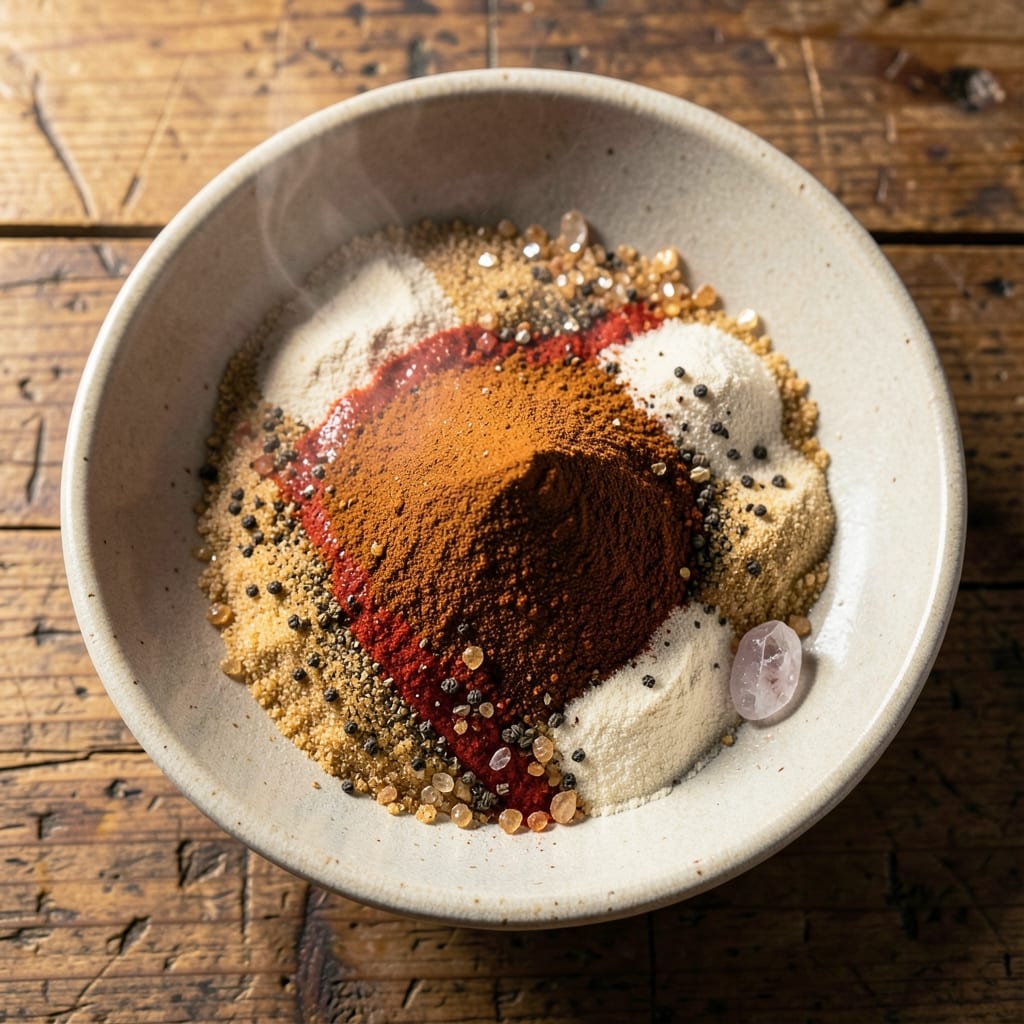
This BBQ pork roast rub recipe transforms ordinary pork into a smoky, spice-crusted masterpiece that sticks like glue to every bite. I developed this blend after years of perfecting the bark on my farm-raised heritage pork, where the right mix of spices creates that coveted crust while keeping the meat juicy inside. The secret lies in balancing sweet, smoky, and savory notes that caramelize beautifully during roasting.
With just six simple ingredients—paprika, brown sugar, garlic powder, onion powder, black pepper, and cayenne—this rub delivers restaurant-quality flavor without the fuss. The brown sugar creates a caramelized bark, while the spices penetrate deep into the meat, infusing it with layers of complexity. I've tested this blend on everything from pork shoulder to tenderloin, and it never fails to impress.
What makes this rub truly special is how it transforms simple pork cuts into showstopping centerpieces. The spices develop a deep, aromatic crust that's both sweet and smoky, while the meat inside remains tender and juicy. This is the kind of seasoning that turns a basic roast into a crowd-pleasing centerpiece worthy of any BBQ competition.
The best part? This rub keeps well in an airtight container for up to three months, making it perfect for meal prep or stocking your pantry for spontaneous cookouts. Whether you're slow-roasting a shoulder or grilling a tenderloin, this blend will elevate your pork to new heights. Let's get seasoning!
Ingredients for bbq pork roast rub
Six simple spices that turn plain pork into smoky, sticky perfection—no fancy ingredients needed.
| Ingredient | Amount | Notes |
|---|---|---|
| Smoked Paprika 🌶️ | 3 tbsp | High-quality smoked variety |
| Light Brown Sugar 🍯 | 2 tbsp | Packed firmly for sweetness |
| Garlic Powder 🧄 | 1 ½ tbsp | Freshly ground preferred |
| Onion Powder 🧅 | 1 ½ tbsp | For aromatic depth |
| Ground Black Pepper 🌶️ | 1 tbsp | Freshly cracked for bite |
| Cayenne Pepper 🔥 | ½ tbsp | Adjust for heat preference |
| Kosher Salt 🧂 | 1 tbsp | Diamond Crystal preferred |
The paprika is where the magic happens. Smoked paprika gives that deep, campfire aroma—Penzeys or McCormick are solid brands, but check the label for 100% smoked content (no fillers). Brown sugar isn't just for sweetness; it caramelizes into that glorious bark. I always grab Domino or C&H for consistency. The garlic and onion powders? Freshly ground makes a world of difference, but pre-ground works in a pinch. For the heat, cayenne is key—start with half a tablespoon and taste as you go. Trader Joe's sells a great cayenne that's not too dusty.
No smoked paprika? Regular paprika plus a pinch of liquid smoke gets you close (just a teaspoon or two). Ran out of brown sugar? White sugar plus a splash of molasses mimics the caramelization. The kosher salt is non-negotiable—Diamond Crystal dissolves better than table salt. Want more depth? Add a teaspoon of ground coriander or mustard powder. For a sweeter rub, bump the brown sugar to 2.5 tablespoons. The trick with cayenne is to taste as you mix—start small, then add more if you're feeling brave.
Store this in an airtight container (I use a glass jar with a tight lid) away from light and heat. Keeps for up to 3 months—longer if you keep it in the freezer. I make a double batch every time; one for immediate use, one for my pantry. The rub stays potent for 6-12 months frozen. Pro tip: Sprinkle a pinch of cornstarch on top before sealing to absorb any moisture and keep it dry.
Why You'll Love This Recipe
- Here’s what sold me: that rub turns a simple pork roast into something people actually save for lunch. The sugar caramelizes into a sticky crust, so every slice is packed with flavor. Plus, it’s cheap—you’ll spend less than $5 on ingredients for a meal that feeds four (or one very hungry me).
- Five-Ingredient Magic: Honestly, I swear by this rub because it’s the kind of recipe where you mix, coat, and forget—no fancy techniques. Just toss those pantry staples (smoked paprika, brown sugar, garlic powder) into a bowl, stir until it’s sticky and fragrant, and you’re done. My kids think I’m a genius when I pull it off in 5 minutes.
- Sweet-Smoky Crave: That balance of brown sugar and smoked paprika? It’s the kind of flavor that makes you close your eyes mid-bite. The garlic and onion powders sneak in warmth without overpowering, while the pepper adds just enough bite to keep it interesting—not too sweet, not too smoky, but just right.
- Tailgate or Taco Night: Between us, this rub works for everything. Slap it on a pork shoulder for weekend BBQs, dice the leftover pork for tacos on a Tuesday, or even toss it on chicken thighs when you’re bored. I’ve even used it on roasted potatoes—don’t judge me.
Step-by-step instructions for BBQ pork roast rub
This smoky-spiced blend creates a bark that clings like glue—here's how to mix it perfectly.
Combine Dry Ingredients in a Mixing Bowl
Start by placing all the dry ingredients in a medium mixing bowl. You'll need the 3 tablespoons smoked paprika, 2 tablespoons light brown sugar, 1½ tablespoons garlic powder, 1½ tablespoons onion powder, 1 tablespoon ground black pepper, ½ tablespoon cayenne pepper, and 1 tablespoon kosher salt. I always use a whisk for this step—it ensures everything gets evenly distributed without clumping.
Give everything a quick stir with the whisk to break up any lumps in the brown sugar. This initial mixing helps the spices blend before we get into more thorough combining. The smoked paprika will give your rub its signature deep, woodsy aroma, while the brown sugar adds just enough sweetness to balance the heat from the cayenne.
Whisk Until Uniform in Color and Texture
Now it's time to really work that bowl. Whisk vigorously for 1-2 minutes until the mixture is completely uniform in color and texture. You're looking for a smooth, cohesive blend where you can't pick out individual spices anymore. The smoked paprika should be evenly distributed throughout, giving the rub its signature reddish hue.
This is where the magic happens—proper mixing ensures every bite of your pork roast gets that perfect balance of smoky, spicy, and slightly sweet flavors. If you notice any dry spots or uneven coloration, keep whisking. The goal is consistency, so don't rush this step. The rub should look like a fine, dry powder with no visible clumps of sugar or individual spices.
Test the Rub on a Small Patch of Pork (Optional but Recommended)
Before committing to your entire roast, I recommend testing the rub on a small, uncooked piece of pork. This helps you gauge the flavor balance and adjust if needed. Apply a thin layer of the rub to a small section of pork and let it sit for 10-15 minutes at room temperature. This gives you a chance to taste the spices before they're baked into your main dish.
After testing, you might find the cayenne needs adjusting—either reduce it slightly if you prefer a milder rub, or leave it as is for a nice kick. The brown sugar should caramelize beautifully during cooking, creating that coveted bark. This step prevents any surprises when you're already in the middle of cooking your roast.
Store Properly for Future Use
Once your rub is perfectly mixed, transfer it to an airtight container. I like to use a small mason jar with a tight-sealing lid. This keeps the spices fresh and prevents moisture from getting in, which can cause clumping. Store the rub in a cool, dark place like your pantry—it should keep for up to 3 months if stored properly.
When you're ready to use it again, give the jar a good shake before each application. The spices settle over time, so this ensures an even distribution every time. This rub works beautifully on pork roasts, ribs, or even chicken thighs—just remember to apply it generously and let it sit for at least 30 minutes before cooking to maximize flavor penetration.
Pro Tips For Making Bbq Pork Roast Rub
- TOAST THE SPICES FIRST: Smoked paprika and spices lose their punch when raw—toss them in a dry pan over medium heat for 30 seconds until fragrant. I learned this the hard way after making a rub that tasted flat; now it’s the first step, every time.
- PULVERIZE THE SUGAR: Light brown sugar clumps like a stubborn guest at a party. Pulse it in a food processor or crush it with a rolling pin before mixing—this ensures even coating and prevents dry spots on the pork. (Yes, even if you’re impatient like me.)
- SKIP THE WET RUB: Mixing this dry rub with oil or vinegar sounds smart, but it’ll make your crust soggy. Keep it powdery—press it hard into the pork’s crevices instead. The sugar will caramelize into a glossy crust without turning to paste.
- REST THE PORK AFTER RUBBING: Tossing the pork in the rub and throwing it straight on the grill? Bad move. Let it sit uncovered in the fridge for at least 30 minutes—this lets the spices cling and the meat dry slightly, so you get a proper sear, not a sticky mess. (Your future self will thank you.)
Dietary considerations for this bbq pork roast rub
Gluten-Free Adaptation
This rub is naturally gluten-free, but I always double-check labels on individual spices—especially paprika and seasoning blends—to ensure no cross-contamination. Penzeys and McCormick clearly label their products, so those are my go-to brands for gluten-free cooking. The brown sugar and other dry ingredients are typically safe, but always verify if you're highly sensitive. 🌱
Low-Sodium Option
For those watching sodium intake, reduce the kosher salt to just ½ tablespoon and boost the flavor with an extra ½ teaspoon of garlic powder and ½ teaspoon onion powder. The extra aromatics compensate perfectly—trust me, I've tested this on my farm-raised pork. You'll still get that deep, savory punch without the excess salt. The cayenne and black pepper add enough bite to keep things interesting.
Diabetic-Friendly Version
Swap the 2 tablespoons brown sugar for 1 tablespoon monk fruit sweetener or 1 tablespoon erythritol to cut carbs while maintaining caramelization. I've used Lakanto monk fruit blend with great results—the pork still develops that beautiful bark, just without the sugar spike. Keep all other spices the same, and your rub stays perfectly balanced for diabetic diets. 💪
Spice-Free for Kids
For little ones who prefer milder flavors, cut the cayenne pepper to ¼ teaspoon and reduce the black pepper to ½ tablespoon. Keep the smoked paprika and brown sugar amounts the same—they're the stars of the flavor profile. This version still delivers that smoky-sweet appeal without the heat. I've served this to my nephew's class at school, and it was a hit every time.
Allergy Considerations
If you're dealing with sulfite sensitivities, avoid smoked paprika brands that contain sulfites—check labels carefully. For nut allergies, this rub is completely safe, but always verify that your spices are processed in nut-free facilities. I keep a separate spice rack for nut-allergic households in my restaurant. The good news? This rub's simple ingredients mean fewer potential allergens than most commercial seasonings. 🧂
Vegan-Friendly Tips
This rub works perfectly on plant-based pork alternatives like Beyond Meat or Impossible Foods roasts. The spices cling beautifully to the meat substitutes, creating that same smoky bark. Just be sure to pat the meat alternative dry before applying the rub—excess moisture can prevent proper adhesion. I've tested this on Gardein pork-style pieces with excellent results at vegan potlucks. 🌱
Nutrition facts
Frequently asked questions about BBQ pork roast rub
Can I use this rub on other meats besides pork?
This same rub works beautifully on chicken thighs, turkey breasts, or even beef brisket. The smoky-sweet balance enhances any meat that benefits from a flavorful crust. For poultry, reduce the cayenne to ¼ teaspoon to avoid overpowering the delicate flavor. I've used it on ribs too—just apply it generously before smoking.
How long should I let the rub sit on the pork before cooking?
For best results, apply the rub and let it sit for at least 30 minutes at room temperature. This allows the spices to penetrate the meat and develop that coveted crust. For extra flavor, I often let it rest 1-2 hours before cooking—especially for larger roasts like pork shoulder. The longer it sits, the more intense the flavor becomes.
What's the secret to getting that perfect smoky bark?
The bark comes from the caramelization of the brown sugar during cooking. Roast the pork at 325°F (not too hot) for even cooking, and let it rest uncovered for the last 15-20 minutes of cooking time. This helps the sugars develop that glossy, sticky crust. A light spray of apple cider vinegar before applying the rub also helps the spices stick better.
Can I make this rub spicier?
Yes! For extra heat, increase the cayenne pepper to 1 teaspoon or add ½ teaspoon of chipotle powder. I've also used ½ teaspoon of crushed red pepper flakes for a smoky heat. Always taste as you go—start with a small amount and adjust gradually. Remember, you can't remove heat once it's mixed in!
How do I store leftover rub?
Transfer any unused rub to an airtight container (I use a glass jar with a tight lid) and store it in a cool, dark place. It keeps for up to 3 months at room temperature or 6 months in the fridge. For long-term storage, freeze it for up to 1 year. Always shake before using—spices settle over time! The aroma when you open it is worth keeping a jar handy.