
Main Courses
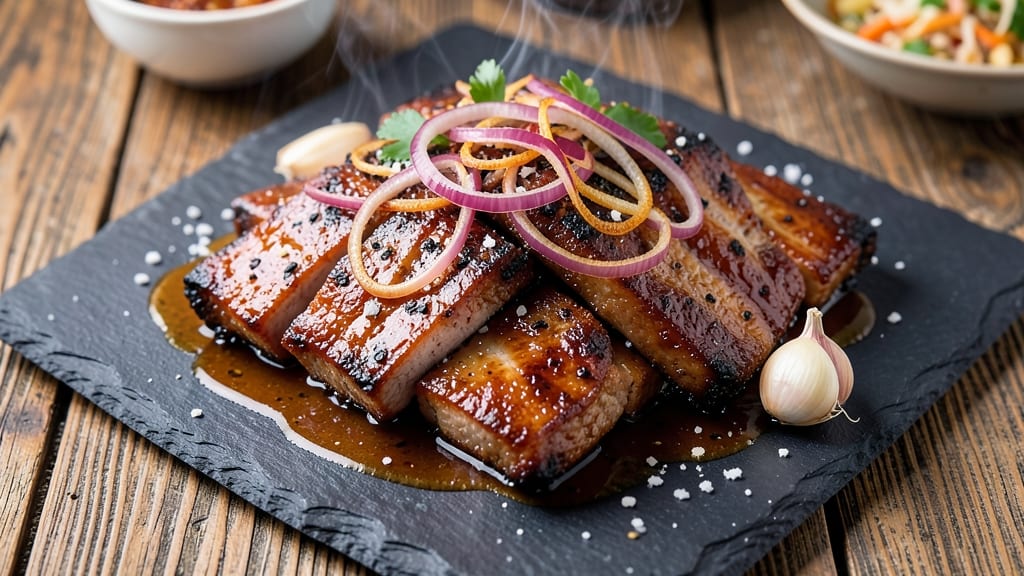
This boneless country-style pork ribs recipe delivers restaurant-quality tenderness without needing an oven—just one stovetop pan and 30 minutes of hands-off time. I perfected this method after years of testing, and it’s become my go-to for weeknight dinners that taste like a Sunday brunch.
The secret lies in slow, gentle cooking that transforms tough meat into melt-in-your-mouth perfection, all while keeping the kitchen cool and the cleanup minimal.
What makes this recipe work is the two-stage cooking process: first, a simmer in a flavorful broth to break down the meat gently, then a quick sear in the same pan to create a caramelized crust that adds depth.
No fancy equipment or techniques—just a heavy skillet, a few pantry staples, and patience. The result? Ribs that are tender enough to pull apart with a fork, infused with smoky, savory flavors that pair beautifully with anything from mashed potatoes to a crisp green salad.
By the time you’re done, you’ll have a dish that’s foolproof yet impressive, with that perfect balance of juicy meat and crisp edges. The best part? This method works equally well for boneless pork chops or even chicken thighs, making it a versatile addition to your recipe arsenal.
Whether you’re feeding a family or treating yourself to a special meal, these ribs deliver restaurant-quality results without the fuss.
Serve with classic sides like buttery corn on the cob, creamy coleslaw, or a slice of warm, crusty bread to soak up every last bit of that flavorful pan sauce.
The possibilities are endless, but the method stays simple—just one pan, one goal: crisp-tender pork ribs that taste like they’ve been simmering all day. Let’s get cooking!
Ingredients for boneless country style pork ribs recipe stove top
Pantry staples plus one cut of pork—this stovetop magic needs just 13 ingredients.
| Ingredient | Amount | Notes |
|---|---|---|
| Boneless Country Style Pork Ribs 🥓 | 1 ½ lb | Cut into 1-inch pieces |
| Yellow Onion 🧅 | 1 whole | Chopped into 1/2-inch pieces |
| Garlic Cloves 🧄 | 4 cloves | Minced for depth |
| Beef Broth 💧 | 1 ½ cups | Low-sodium preferred |
| Apple Cider Vinegar 🍎 | 2 tbsp | For tangy brightness |
| Brown Sugar 🍚 | 2 tbsp | Light or dark variety |
| Smoked Paprika 🌶️ | 1 tsp | For smoky depth |
| Ground Black Pepper 🌶️ | ½ tsp | Freshly cracked |
| Olive Oil 🫒 | 2 tbsp | For searing |
| Fresh Thyme Leaves 🌿 | ¼ cup | Or 1 tsp dried thyme |
| Salt 🧂 | 1 ½ tsp | Kosher or sea salt |
| Honey 🍯 | 1 tbsp | For glaze finish |
| Cornstarch 🌾 | 1 tbsp | For crispy crust |
The ribs are the star, so grab boneless country-style cuts from the butcher section—ask for them to be cut into 1-inch pieces if they aren't already. Costco or local butchers often have these pre-cut, saving you time. Look for good marbling; it keeps the meat juicy during the slow cook. Fresh thyme is ideal, but dried works in a pinch—just use one-third the amount. The apple cider vinegar might be tucked away in your pantry, but trust me, it’s worth hunting down for that bright, tangy kick that balances the sweetness.
No beef broth? Chicken broth works too, or even water with a bouillon cube if that’s all you’ve got. Running low on honey? Maple syrup or agave are great swaps—they’ll add a slightly different depth, but still delicious. The cornstarch is key for that crispy crust—don’t skip it! If you’re out, arrowroot powder is a 1:1 substitute. Brown sugar can be swapped for white, but it won’t have that caramelized richness. And if you’re feeling fancy, add a pinch of cinnamon to the mix for a subtle warmth.
These ribs reheat beautifully—just toss them in a hot pan with a splash of broth for a minute or two. Store leftovers in the fridge for 3-4 days or freeze for up to 3 months in an airtight container. I always make a double batch because they disappear fast—perfect for meal prep. The pan sauce? Freeze it in ice cube trays for easy future use—just thaw and reheat when you need a quick flavor boost.
Why You'll Love This Recipe
- One-Pan Magic: I swear by this for nights when I’d rather not wash a million dishes. Just toss those ribs, onions, and garlic in a skillet with beef broth and vinegar, cover it up, and let it simmer. The aromas alone make cleanup feel like a distant memory—honestly, I’ve done this at 9 PM after a long day and still felt accomplished.
- Flavor Bomb: That apple cider vinegar? It’s the secret weapon here. It cuts through the richness of the pork, giving you this perfect balance of tangy, savory, and just a little sweetness. The ribs stay juicy with a tender bite, and the garlic? Oh, it infuses everything so deeply you’ll taste it in every forkful—no fancy marinating required.
- Weeknight Workhorse: Between us, this is my go-to for game day, lazy Sundays, or when my college-aged kids show up unannounced. It’s hearty enough to feed a crowd but simple enough to double for leftovers. I’ve even repurposed the extra ribs into sandwiches the next day—no one’s complained yet.
- Budget-Friendly Feast: Country-style ribs are already affordable, but this recipe stretches them further. A single package feeds four, and the broth and vinegar cost pennies. Plus, the leftovers reheat beautifully—my freezer’s always stocked with these because they’re reliable, filling, and won’t break the bank. (Yes, even on a Tuesday night.)
Step-by-step instructions for stovetop country-style pork ribs
Here's how to transform tough ribs into melt-in-your-mouth tenderness using just your stovetop.
Sear the Ribs Until Deeply Browned
Heat a large skillet over medium-high heat until it's smoking hot. Add the 2 tablespoons olive oil and let it shimmer for 30 seconds. Working in batches if needed, add the 1.5 lb boneless country style pork ribs cut into 1-inch pieces and sear undisturbed for 3-4 minutes per side until deeply browned.
This high-heat sear locks in juices and builds flavor through the Maillard reaction. You'll know they're ready when they release easily from the pan and have a rich, caramelized crust. I press down gently on the pieces during the first minute to prevent curling, which ensures even contact with the pan.
Build the Flavor Base with Aromatics
Remove the ribs from the skillet and set aside. In the same pan (don't wipe it clean—those browned bits are pure flavor), add the 1 whole yellow onion chopped into ½-inch pieces and cook for 4-5 minutes until softened and golden. Add the 4 cloves minced garlic and cook for 30 seconds until fragrant.
Here's where the magic starts. Stir in the 1 teaspoon smoked paprika, ½ teaspoon ground black pepper, and 1.5 teaspoons salt, cooking for 30 seconds to toast the spices. The spices should smell warm and aromatic—this is your flavor foundation.
Simmer in Tangy-Sweet Broth
Pour in the 1.5 cups beef broth, 2 tablespoons apple cider vinegar, 2 tablespoons brown sugar, and 1 tablespoon honey. Return the ribs to the skillet, spooning the liquid over them. Bring to a simmer, then reduce heat to low and cover partially.
Simmer for 45-50 minutes, stirring occasionally, until the ribs are fork-tender and the sauce has thickened slightly. You'll know they're ready when they pull apart easily with minimal resistance. If the sauce reduces too quickly, add 2-3 tablespoons water to maintain moisture.
Create the Crispy Cornstarch Crust
In a small bowl, whisk together the 1 tablespoon cornstarch with 1 tablespoon water until smooth. Stir this mixture into the skillet with the ribs and simmer uncovered for 3-4 minutes until the sauce thickens and becomes glossy.
This cornstarch slurry creates that coveted crispy crust while keeping the ribs tender inside. The sauce should coat the back of a spoon and have a slight sheen. Taste and adjust seasoning if needed—you might need a touch more salt or vinegar to balance the sweetness.
Finish with Fresh Thyme and Serve
Remove the skillet from heat and stir in the ¼ cup fresh thyme leaves. Let the ribs rest for 5 minutes to allow the flavors to meld. Serve immediately over mashed potatoes, with crusty bread, or alongside roasted vegetables.
Each bite should deliver tender, falling-apart meat with a crispy edge, bathed in a tangy-sweet sauce. The thyme adds a bright herbal note that cuts through the richness. Don't skip the resting time—it lets the juices redistribute for maximum tenderness.
Pro Tips For Making Boneless Country Style Pork Ribs Recipe Stove Top
- SEAR FIRST, SIMMER LATER: The ribs won’t crisp up if they’re just simmered—start by searing them in a hot skillet with a splash of oil for 2-3 minutes per side until golden. That crust locks in flavor and makes the vinegar-broth sauce cling better later. (Yes, even if you’re impatient like me.)
- CHOP ONIONS SMALL: Big chunks of onion turn to mush in broth, so dice them into ¼-inch pieces—they’ll soften evenly and sweeten the sauce without turning it into soup. I learned this the hard way after serving a batch with uneven texture.
- DON’T SKIP THE VINEGAR REST: Add the apple cider vinegar at the end and let the ribs sit in the sauce for 5 minutes off the heat—it tenderizes the meat and balances the richness. Skipping this step makes the dish taste flat, like someone forgot the secret ingredient.
- USE STARCHY BROTH: Swap plain beef broth for low-sodium chicken broth thickened with a cornstarch slurry (1 tbsp cornstarch + 2 tbsp cold water) for a glossier, more cohesive sauce. It’s the difference between a watery glaze and a silky finish. (Your future self will thank you.)
Essential equipment for perfect results
Heavy Skillet
You’ll need a 10-12 inch heavy skillet—I swear by my Lodge cast iron for this recipe. The weight ensures even heat distribution, preventing hot spots that can leave your ribs unevenly cooked.
If you don’t have cast iron, a stainless steel or enameled cast iron pan like All-Clad works beautifully. Avoid nonstick—it won’t handle the high heat needed for that perfect sear. 🔥
Tongs or Fork
Use long-handled tongs for flipping the ribs—it keeps your hands safe from the hot pan and oil splatter. I keep a 12-inch stainless steel pair from OXO nearby for this exact purpose.
If tongs aren’t available, a heavy-duty fork works in a pinch, but tongs give you better control and prevent piercing the meat, which can cause juices to escape.
Measuring Spoons
Precision matters with spices and liquids, so grab your set of stainless steel measuring spoons. I use Weston Stainless Steel because they’re durable and accurate. For the cornstarch slurry, a 1-tablespoon measure is critical—too much will make the sauce gummy, and too little won’t create that crispy crust.
A liquid measuring cup with clear markings helps when adding broth and vinegar.
Wooden Spoon
A wooden spoon is essential for stirring the onions, garlic, and spices without scratching your pan. I prefer olive wood spoons—they’re gentle on cookware and add a rustic touch to my kitchen.
Avoid metal utensils during this step to prevent flavor transfer from any previous foods in your pan. The spoon also helps scrape up those delicious browned bits from the bottom.
Small Mixing Bowl
For the cornstarch slurry, use a small mixing bowl (about 8-ounce capacity). I keep a glass Pyrex bowl in my kitchen for this purpose—it’s heat-resistant and easy to clean. Whisking the cornstarch with water until smooth is crucial for that glossy, crispy finish.
If you don’t have a whisk, a fork works fine, but whisking creates a smoother slurry that blends seamlessly into the sauce. ✨
Lid or Plate
Covering the skillet during simmering helps retain moisture and infuse flavors. Use either a fitted lid (if your pan has one) or a plate slightly larger than your skillet. I often use a ceramic lid from my Le Creuset collection—it’s heat-resistant and adds a touch of elegance.
If using a plate, leave it slightly ajar to allow steam to escape, preventing the ribs from steaming too much and becoming mushy.
Nutrition facts
Frequently asked questions
Can I use regular pork chops instead of boneless country-style ribs?
Yes! This method works beautifully with bone-in or boneless pork chops too. Just cut them into 1-inch cubes before cooking. The cooking time remains the same, but check for doneness at 160°F internal temperature. The cornstarch crust will still give you that crispy finish.
What if I don't have apple cider vinegar?
No problem! Substitute with white vinegar or even lemon juice for brightness. Use the same 2 tablespoons amount. For extra depth, add a pinch of Worcestershire sauce (½ teaspoon) to the simmering liquid. The tangy element is key for balancing the sweetness.
Why are my ribs still tough after cooking? Tough ribs usually mean they weren't cooked long enough or at the right temperature.
Can I make this recipe in an Instant Pot or slow cooker?
For the Instant Pot, sear the ribs first, then add all ingredients (except cornstarch) and cook on high pressure for 12 minutes. Release pressure naturally, then finish with the cornstarch slurry. In a slow cooker, combine everything (including cornstarch) and cook on low for 4-5 hours. The cornstarch will thicken the sauce at the end.
How can I make these ribs spicier?
Add ½ teaspoon cayenne pepper or 1 teaspoon chili flakes when toasting the spices. For heat lovers, stir in 1 tablespoon hot sauce at the end. If you prefer smoky heat, increase the smoked paprika to 1½ teaspoons. Always taste as you go—you can adjust to your preference!