
Main Courses
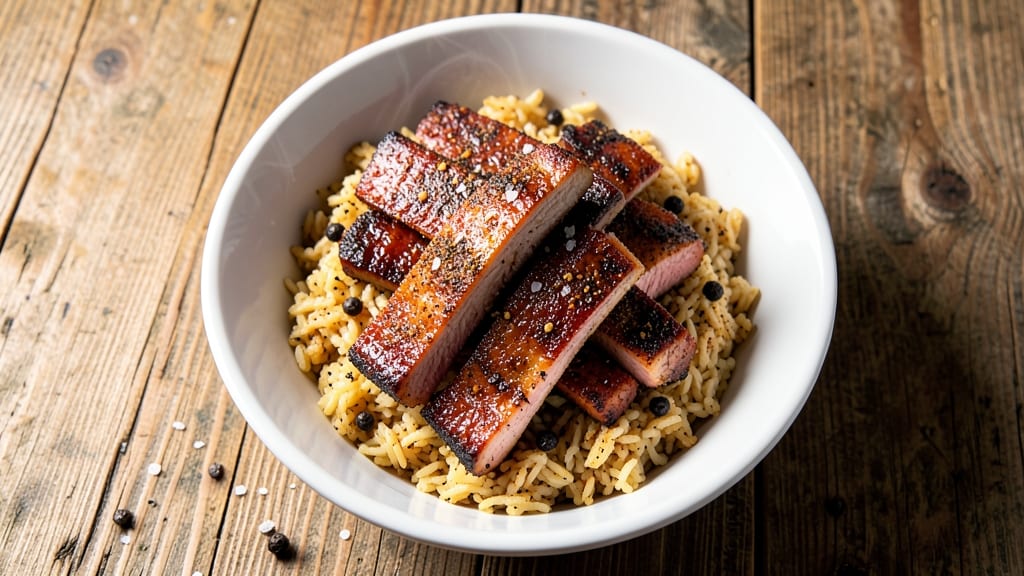
This country-style pork ribs and rice recipe delivers the kind of soul-warming comfort that transforms a weeknight into a Sunday supper. The ribs develop a crispy bark from a dry rub of smoked paprika and brown sugar, while the slow cook transforms tough meat into fork-tender perfection.
What makes this dish special is the balance—smoky, spiced ribs paired with fluffy, herb-infused rice that soaks up every last bit of flavorful juices.
The secret to tender ribs lies in the slow cooking process, whether you use an oven, smoker, or grill. A simple dry rub of spices and sugar creates that signature caramelized crust, while the meat breaks down into melt-in-your-mouth pieces.
Meanwhile, the rice—whether white, red, or infused with fresh herbs—absorbs the rich rib juices, turning a simple side into the star of the meal.
By the time you plate this dish, you’ll have a restaurant-quality meal that’s hearty enough for a family gathering but simple enough for a weeknight. The ribs arrive with a satisfying crunch and tender interior, while the rice adds a comforting, fluffy contrast.
Every bite delivers that perfect harmony of smoky, spiced meat and aromatic grains.
Serve with classic sides like collard greens or cornbread to complete the country-style feast. This recipe is designed to impress without requiring advanced techniques—just patience and a little time. Let’s get cooking!
Ingredients for country style pork ribs and rice
Six ingredients for the ribs, eight for the rice—simple but packed with soulful flavor.
| Ingredient | Amount | Notes |
|---|---|---|
| Pork Ribs (Baby Back) 🥓 | 4 lb | Bone-in, cut into 2-inch pieces |
| Smoked Paprika 🌶️ | 2 tbsp | High-quality, for deep smokiness |
| Brown Sugar 🍚 | ¼ cup | Light or dark, packed |
| Kosher Salt 🧂 | 1 ½ tbsp | Diamond Crystal preferred |
| Ground Black Pepper 🌶️ | 1 tbsp | Freshly cracked preferred |
| Garlic Powder 🧄 | 1 tbsp | Freshly ground if possible |
| Onion Powder 🧅 | 1 tbsp | For subtle depth |
| Long-Grain White Rice 🍚 | 2 cups | Uncooked, like jasmine or basmati |
| Fresh Thyme Leaves 🌿 | ¼ cup | Chopped, stems removed |
| Fresh Rosemary 🌿 | ¼ cup | Chopped, stems removed |
| Chicken Broth 💧 | 2 cups | Low-sodium preferred |
| Extra-Virgin Olive Oil 🫒 | 2 tbsp | For searing ribs |
| Yellow Onion 🧅 | 1 whole | Diced, for rice base |
| Garlic Cloves 🧄 | 4 cloves | Minced, for rice |
| Butter 🧈 | 2 tbsp | Unsalted, for rice richness |
The ribs are where the magic happens, so don’t skimp on quality. Look for baby back ribs with good marbling—they’ll stay juicier during slow cooking. Trader Joe’s and Costco often have great prices, but check your local butcher too. For the spices, Penzeys or bulk bins at Whole Foods offer the freshest ground options. If you’re using pre-cut ribs, pat them dry before applying the rub—they’ll crisp up better. And trust me on the brown sugar: light or dark both work, but packed sugar creates that signature caramelized crust.
No smoked paprika? Substitute half with regular paprika and add a pinch of liquid smoke. Fresh thyme and rosemary are ideal, but dried works at one-third the amount. For the rice, jasmine or basmati adds a fragrant touch, but long-grain white is fine too. Short on broth? Water plus a bouillon cube gets you close. The onions can be swapped for shallots if you’re feeling fancy, but yellow onions are the classic choice. And if you’re prepping ahead, sear the ribs the night before—they’ll taste even better the next day.
Store the raw ribs in a sealed container for up to 2 days in the fridge, or freeze for 3 months. The dry rub keeps for 2 weeks in an airtight jar. For the rice, cook it fresh or reheat with a splash of broth to keep it moist. This dish reheats beautifully—4-5 days in the fridge, 3 months frozen. I always make extra rice for sandwiches the next day—leftovers are just as delicious cold.
Why You'll Love This Recipe
- One-Pan Magic: I swear by this—just ribs, rice, and a handful of pantry staples tossed together on one sheet pan. No chopping, no fussing, and honestly? The brown sugar caramelizes right into the rice while the ribs cook, so you’re left with sticky, saucy goodness that tastes like a Sunday dinner even when it’s a Tuesday night.
- Smoky-Sweet Obsession: That smoked paprika and brown sugar combo? It’s the kind of flavor that sticks with you. The ribs get this perfect balance of smoky heat and sweetness that makes them disappear faster than you can say “seconds.” (Yes, even my kids fight over them.)
- Leftovers That Don’t Suck: Between us, most rib leftovers are dry or sad. Not these. The rice soaks up all the juices, and the ribs stay tender enough to reheat with a splash of water—like a mini comfort-food revival. I’ve fed a crowd with these three days in a row, and no one’s complained.
- Budget-Friendly Feast: Baby back ribs aren’t cheap, but this recipe stretches them far. A single rack feeds four, and the rice makes it feel like a full meal without breaking the bank. Plus, the spices cost pennies, so you’re basically getting gourmet for less than takeout. (Win.)
Step-by-step instructions for country style pork ribs and rice
This method delivers restaurant-quality ribs with tender meat and a perfectly seasoned crust, paired with fragrant herb-infused rice.
Season and Sear the Pork Ribs
In a large bowl, combine the 2 tbsp smoked paprika, 0.25 cup brown sugar, 1.5 tbsp kosher salt, 1 tbsp ground black pepper, 1 tbsp garlic powder, and 1 tbsp onion powder. Toss this dry rub all over the 4 lb pork ribs until every surface is evenly coated. Let them sit at room temperature for 15 minutes while you prepare the cooking surface.
Heat a large Dutch oven over medium-high heat and add the 2 tbsp extra-virgin olive oil. Once shimmering, carefully add the ribs in a single layer, working in batches if needed. Sear each side for 3-4 minutes until they develop a deep golden-brown crust. This step creates the foundational flavor and texture we're after—don't rush it. Once all ribs are seared, transfer them to a plate and set aside.
Build the Smoky Rib Stew
In the same Dutch oven, reduce heat to medium and add the 1 whole yellow onion and 4 cloves garlic cloves. Sauté for 3-4 minutes until the onion softens and becomes translucent, releasing its sweet aroma. This step forms the aromatic base for our stew.
Return the seared ribs to the pot, bone-side down. Pour in the 2 cups chicken broth, then add the 0.25 cup fresh thyme leaves and 0.25 cup fresh rosemary. Bring to a gentle simmer, then cover partially and cook for 1 hour 15 minutes at 325°F. This low-and-slow approach ensures the ribs become fork-tender while developing deep, smoky flavors that penetrate every bite.
Prepare the Herb-Infused Rice
While the ribs cook, rinse the 2 cups long-grain white rice under cold water until the water runs clear. In a separate medium saucepan, melt the 2 tbsp butter over medium heat, then add the rinsed rice and stir for 1 minute to lightly toast the grains. Pour in 4 cups water (double the rice measurement) and bring to a boil.
Once boiling, reduce heat to low, cover tightly, and simmer for 15 minutes. Remove from heat and let sit, covered, for 10 minutes. Fluff the rice gently with a fork, then stir in the remaining 0.25 cup fresh thyme and 0.25 cup fresh rosemary, reserving some for garnish. The rice should be light and fluffy with subtle herbal notes that complement the rich ribs.
Finish and Serve the Ribs
After the ribs have cooked, carefully remove them from the stew and let them rest on a cutting board for 5 minutes. The internal temperature should reach 195-200°F—this is when the collagen breaks down completely, creating that melt-in-your-mouth texture. Skim any excess fat from the stew if desired, then return the ribs to the pot and simmer uncovered for 5-7 minutes to reduce the sauce slightly and intensify the flavors.
Slice the ribs into 2-inch portions and arrange them over the herb-infused rice. Ladle the rich, smoky stew sauce over the top and garnish with the reserved fresh herbs. Serve immediately while the ribs are still steaming hot—this is when all the flavors come together in perfect harmony, delivering that comforting country-style meal experience we're after.
Pro Tips For Making Country Style Pork Ribs And Rice
- Trim the Fat First: Baby back ribs have a thin fat cap that renders fast—if you leave it on, you’ll end up with greasy ribs and a pan full of lard. Grab kitchen shears and snip it off before seasoning; the ribs will sear better and the sauce won’t turn into a greasy mess.
- Salt the Ribs Twice: I used to salt ribs once right before cooking, but the crust never stuck. Now I salt them generously the night before, let them sit uncovered in the fridge (this draws out moisture), then salt them again right before hitting the skillet. The second layer seals in flavor and caramelizes like a dream.
- Don’t Crowd the Pan: I learned this the hard way—piling ribs on top of each other steams them instead of searing. Leave space between each rack so they crisp up evenly. If your pan’s too small, work in batches. Trust me, soggy ribs ruin the whole dish.
- Save the Rendered Fat: That golden fat dripping from the ribs? Don’t pour it down the drain. After searing, strain it through a fine-mesh sieve into a jar and let it cool. Use it later to deglaze the pan for the rice—it adds depth to the sauce and cuts through the sweetness of the brown sugar. (Yes, even if you’re impatient like me.)
Troubleshooting this recipe
Ribs Too Dry?
If your ribs are dry after cooking, you likely didn't cook them long enough or used too high heat. Country-style ribs need low-and-slow cooking—aim for 195-200°F internal temperature (about 3-4 hours total). I've found using a meat thermometer is non-negotiable for perfect results.
If they're already cooked, try reheating them in the oven at 300°F with a splash of apple cider or broth for 15-20 minutes to restore moisture. 💧
Rub Not Sticking?
The dry rub should cling to the ribs, but if it's falling off, your ribs might be too wet. Pat them very dry with paper towels before applying the rub. For extra grip, lightly coat the ribs with 1 tsp olive oil before adding the seasoning.
I also recommend using brown sugar (packed) in your rub—it helps the spices adhere better while creating that signature caramelized crust. 🍚
Rice Too Sticky?
Overcooking or insufficient water causes mushy rice. For 2 cups rice, use 4 cups water (or broth) and never stir while cooking—just let it simmer gently. If your rice is still sticky, spread it on a baking sheet and refrigerate for 30 minutes to dry it out.
For extra fluffiness, I like to undercook slightly (remove at 14 minutes) and let it steam the remaining 1 minute off the heat. 🌿
Sauce Too Thin?
The stew sauce should coat the back of a spoon but not be watery. If it's too thin, simmer uncovered for 5-7 extra minutes to reduce it.
For thicker sauce, mash 1-2 rib bones with the back of a spoon and stir them back in—they'll release gelatin that thickens the liquid. I also keep a small pot of reduced chicken broth on hand to adjust consistency as needed. ✨
Uneven Cooking?
Uneven cooking usually means the ribs weren't submerged properly in liquid. For best results, place them bone-side down in the pot and ensure they're mostly covered with broth. If using a grill or smoker, rotate the ribs every 30-45 minutes to prevent hot spots.
For oven cooking, I recommend a wire rack over a baking sheet to allow heat circulation on all sides. 🔥
Herbs Burning?
Fresh herbs like thyme and rosemary can burn quickly if cooked too long. Add them only during the last 15 minutes of cooking to preserve their bright flavors. For extra protection, place a damp paper towel over the pot while simmering.
If you're using dried herbs, reduce to 1 tsp and add them at the beginning. I always reserve some fresh herbs to garnish at the end—they add a fresh pop of color and aroma. 🌿
Nutrition facts
Frequently asked questions
Can I use spare ribs instead of baby back ribs?
Yes, but you'll need to adjust the cooking time. Spare ribs have more connective tissue and fat, so they require 1-2 extra hours of slow cooking to achieve the same tenderness. Start checking their internal temperature at 2 hours 30 minutes—they're done when they reach 195-200°F. The flavor will be richer but slightly fattier, so trim excess fat before serving.
How do I make this recipe in a slow cooker?
Transfer the seared ribs to your slow cooker with the onions and garlic. Add the broth, thyme, and rosemary, then cook on low for 6-7 hours or high for 3-4 hours. The ribs will be fork-tender when done. For the rice, cook it separately in a pot with the same herb-infused method. The slow cooker method is perfect for hands-off prep!
What's the best way to reheat leftovers?
For ribs, wrap them in foil with a splash of broth or apple cider and reheat at 300°F for 15-20 minutes. For rice, spread it on a baking sheet and warm in the oven at 325°F for 10 minutes with a damp paper towel on top. Never microwave ribs—they'll dry out. Reheated ribs are even more flavorful as the juices redistribute!
Can I substitute the herbs in the rice?
Swap thyme and rosemary for 1 tbsp dried parsley or 1 tsp dried oregano (reduce to 1/3 the amount). For a citrus twist, add zest from 1 lemon when stirring in the herbs. The key is balancing the rice's mild flavor with aromatic elements—just don't skip the butter for richness.
Why does my rice turn out mushy?
This usually happens from overcooking or stirring too much. Use exactly 4 cups liquid for 2 cups rice and never stir while cooking—just let it sit covered. If it's still mushy, spread it on a tray and refrigerate for 30 minutes to dry out. For extra fluffiness, try the 14-minute cook method: boil for 14 minutes, then let steam for 1 minute off heat.