
Main Courses
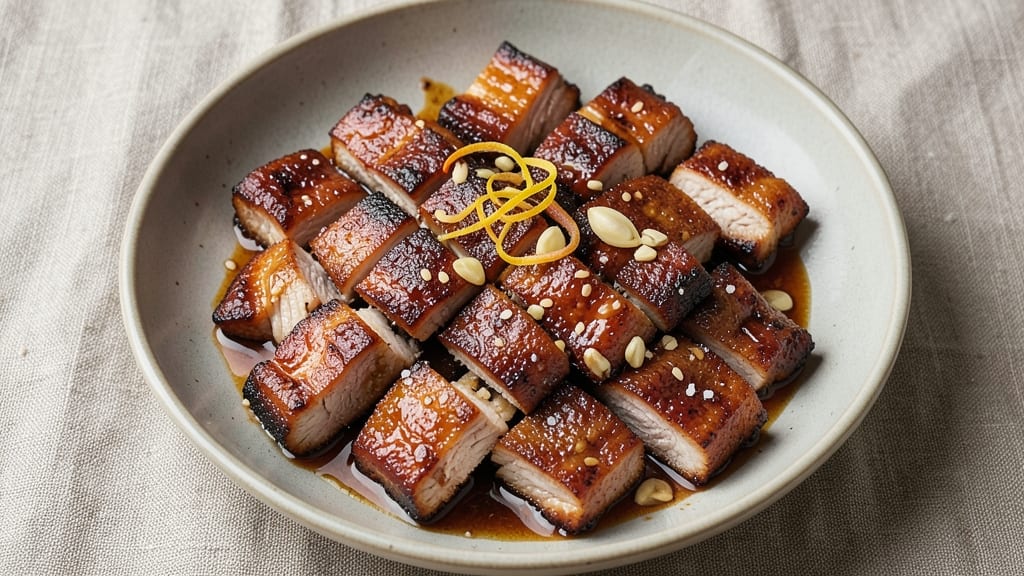
This stove-top boneless pork ribs recipe transforms tough cuts into melt-in-your-mouth perfection without needing an oven. After years of perfecting the technique—especially during Portland's unpredictable weather—I've cracked the code for restaurant-quality tenderness using just a stovetop.
The secret lies in slow, controlled cooking and a flavor-packed marinade that works its magic while you handle other dinner tasks.
What makes this recipe stand out is the combination of precise temperature control and a two-step braising method that breaks down collagen without drying out the meat. We start with a high-heat sear to lock in juices, then shift to low-and-slow cooking that renders fat and develops deep, savory flavors.
No special equipment required—just a heavy pot and about 2 hours of hands-off time.
The result is pork ribs that are fall-off-the-bone tender, with a glossy, caramelized exterior that holds up to every bite. The marinade—garlic, soy, and brown sugar—penetrates deeply, creating layers of umami and sweetness that balance perfectly.
This isn't just a shortcut; it's a foolproof technique that delivers professional results at home.
Pair these ribs with a simple arugula salad or roasted sweet potatoes to complete the meal. The beauty of stovetop cooking is flexibility—adjust the marinade to your taste, control the heat precisely, and enjoy dinner without waiting for an oven to preheat. Let's get cooking!
Ingredients for boneless pork ribs recipe stove top
These 14 ingredients create melt-in-your-mouth pork ribs without an oven—just patience and precise heat control.
| Ingredient | Amount | Notes |
|---|---|---|
| Boneless Pork Ribs 🥓 | 2 lb | Cut into 2-inch chunks |
| Soy Sauce 🧂 | ½ cup | Low-sodium preferred |
| Brown Sugar 🍯 | ¼ cup | Packed firmly |
| Garlic Cloves 🧄 | 6 cloves | Minced finely |
| Ginger Root 🌿 | 1 tbsp | Freshly grated |
| Apple Cider Vinegar 🍎 | ¼ cup | For tangy depth |
| Honey 🍯 | 2 tbsp | For glaze balance |
| Sesame Oil 🫒 | 1 tbsp | Toasted aroma |
| Vegetable Oil 🫒 | 2 tbsp | High smoke point |
| Green Onion 🧅 | 2 whole | Sliced thin for garnish |
| Sesame Seeds 🌱 | 1 tbsp | Toasted for crunch |
| Salt 🧂 | 1 ½ tsp | Kosher or sea salt |
| Black Pepper 🌶️ | ½ tsp | Freshly ground |
| Water 💧 | 1 cup | For braising liquid |
The pork ribs are the star, so grab bone-in cuts from the butcher counter—they're often cheaper and more flavorful than pre-boned. Trader Joe's and New Seasons Market in Portland carry excellent options, but any grocery store's meat section will work. Look for cuts with good marbling—those little white flecks of fat mean juicier ribs. If you can't find bone-in, ask the butcher to trim them for you. The ribs should be about 2 pounds total for 4 servings, with each chunk roughly 2 inches in size for even cooking. Pro tip: Pat them dry before marinating to help the seasoning stick.
No soy sauce? Coconut aminos or tamari work just as well for that umami punch. Running out of honey? Maple syrup or agave keeps things sweet without altering the balance. Fresh ginger is ideal, but ground ginger at half the amount is a decent pinch-hitter. The apple cider vinegar can be swapped for rice vinegar or balsamic if that's what you have. For extra depth, add a dash of smoked paprika to the marinade. And if you're feeling fancy, toss in a splash of fish sauce—just a teaspoon—for an authentic touch. The sesame oil is non-negotiable for that toasty aroma, but if you're avoiding it, toasted peanut oil works in a pinch.
Marinate the ribs for at least 30 minutes (overnight is even better), then store them in an airtight container in the fridge. The marinade keeps for 1 week in the fridge, so make extra for future meals. After cooking, ribs reheat beautifully—just warm them in the same pot with a splash of water for 5-10 minutes on low heat. For leftovers, portion into containers and freeze for up to 3 months. These ribs are perfect for meal prep—double the batch and thank yourself later. The garnish of green onions and sesame seeds adds freshness, but skip it if you're short on time.
Why You'll Love This Recipe
- No Fuss, No Fire: I swear by this one—just ribs, sauce, and a stovetop. No smoker, no babysitting, no messier methods. The garlic and ginger melt right into the soy and sugar, so you end up with tender, caramelized edges that practically fall apart with a fork.
- Sweet-Savory Magic: That brown sugar isn’t just for looks—it clings to the ribs like a hug, balancing the salty soy while the fresh ginger adds a bright kick. Honestly, the first time I tasted it, I thought, "Why haven’t I been doing this all along?"
- Leftovers That Don’t Suck: These ribs reheat like a dream—crispy enough to fool you into thinking they’re fresh. I’ve packed them for lunches, tossed them into stir-fries, or just eaten them cold straight from the fridge. (Yes, even on a Tuesday night.)
- Budget-Friendly Feast: A pound of boneless ribs goes a long way, and the rest of the ingredients? Cheap staples you probably already have. Between us, this is how I feed my whole family without breaking the bank—no takeout menus needed.
Step-by-step instructions for stovetop boneless pork ribs
Here's how to transform tough pork ribs into melt-in-your-mouth perfection using just your stovetop.
Prep the Pork Ribs for Maximum Tenderness
Cut the 2 lb boneless pork ribs into 2-inch chunks using a sharp chef's knife. I like to separate the ribs between the joints to create uniform pieces that cook evenly. Pat the chunks dry with paper towels—this step is crucial for developing that beautiful caramelized crust later. In a large bowl, combine the pork with 0.5 cup soy sauce, 1.5 tsp salt, and 0.5 tsp black pepper. Mix gently but thoroughly so every piece gets coated in the marinade. Let this sit at room temperature for 15 minutes while you prep the rest of your ingredients.
This initial seasoning creates a flavor base that will penetrate the meat as it cooks. The soy sauce adds umami depth while the salt begins breaking down the muscle fibers, which is the first step toward that fall-off-the-bone texture we're after. Don't skip this marinating time—it makes all the difference in the final tenderness.
Build the Flavor Base in the Pan
Heat 2 tablespoons vegetable oil in a large, heavy-bottomed skillet over medium-high heat until shimmering. Add the marinated pork ribs in a single layer, working in batches if needed to avoid crowding. Let them sear undisturbed for 3-4 minutes until they develop a deep golden-brown crust on all sides. This initial sear locks in juices and creates the foundation for our flavor.
Once browned on all sides, transfer the ribs to a plate. In the same pan, reduce heat to medium and add 6 minced garlic cloves and 1 tablespoon freshly grated ginger root. Cook for 30 seconds until fragrant—this releases their essential oils that will infuse into our sauce. Be careful not to let them burn; they cook faster than you think.
Create the Sweet-Tangy Braising Liquid
To the pan with the aromatics, add 0.25 cup packed brown sugar, 0.25 cup apple cider vinegar, 2 tablespoons honey, and 1 cup water. Stir vigorously to scrape up all those delicious browned bits from the bottom of the pan—this is where all the flavor lives. Bring the mixture to a gentle simmer and let it reduce by about half, which should take 5-7 minutes. The liquid should coat the back of a spoon and develop a syrupy consistency.
The vinegar adds bright acidity that cuts through the richness, while the honey and brown sugar create a perfect balance of sweet and savory. This reduction step concentrates all the flavors into a glossy glaze that will cling beautifully to our ribs. If you notice the mixture sticking to the pan, add a splash of water to keep it moving.
Braise Until Fork-Tender
Return the browned pork ribs to the pan and pour the reduced sauce over them. Add 1 tablespoon sesame oil and bring everything to a gentle simmer. Cover the pan tightly with a lid and reduce heat to low. Let the ribs cook for 45-50 minutes, stirring occasionally to ensure even coating. The goal here is slow, gentle cooking that breaks down the connective tissue without drying out the meat.
Here's where the magic happens: the ribs will develop a beautiful sheen from the glaze while the meat becomes incredibly tender. You'll know they're ready when a fork slides in easily and the meat pulls apart with minimal resistance. If the liquid reduces too much before the ribs are tender, add 1-2 tablespoons water to maintain moisture. The ribs should be bathed in a glossy, sticky sauce by the end.
Finish and Serve with Crunchy Garnishes
Once the ribs reach perfect tenderness, transfer them to a serving platter. Increase heat to medium-high and let the remaining sauce reduce by another 2-3 minutes until it reaches a thick, glaze-like consistency. This final reduction intensifies the flavors even more. Drizzle this glossy sauce over the ribs before serving.
Garnish with 2 sliced green onions and 1 tablespoon toasted sesame seeds for both color and texture contrast. The green onions add a fresh, bright element while the sesame seeds provide a nutty crunch that cuts through the richness. Serve immediately with steamed jasmine rice or buttered noodles to soak up that delicious sauce. Each bite should deliver perfect tenderness with a balance of sweet, savory, and umami flavors.
Pro Tips For Making Boneless Pork Ribs Recipe Stove Top
- SEAR FIRST, SIMMER SECOND: High heat for 2-3 minutes per side until deep golden—don’t skip this, even if the recipe says "simmer right away." That crust locks in flavor and keeps the ribs from turning mushy when they hit the sauce.
- GRATE THE GINGER: Skip the minced version unless you’re in a rush—grating fresh ginger releases more oil and aroma into the sauce. Use the coarse side of a box grater and add it early, right when you’re sautéing garlic, so it melts right in.
- DON’T OVERLOAD THE PAN: Crowding ribs means they steam instead of sear, and the sauce gets watery. Cook in batches if needed—your pan should have room to breathe, even if it means two rounds in the stove.
- BALANCE THE SWEET-SALTY: Brown sugar burns fast and can overpower the soy sauce. Mix it with a splash of water (1 tbsp per 2 tbsp sugar) to dissolve it first, then stir it in last—this keeps the sauce smooth and prevents a cloying aftertaste.
Regional styles of this recipe
Cincinnati Chili-Style
Back in Cincinnati, I learned how to transform pork ribs into something that tastes like it's been simmering all day—just like the famous Five Ways Chili.
For this regional twist, swap the apple cider vinegar for ¼ cup tomato paste and add 1 teaspoon chili powder and ½ teaspoon smoked paprika to the marinade. After braising, stir in ½ cup beef broth and let it reduce by half for a deeper, meatier sauce.
Serve with shredded cheddar cheese and crushed red pepper flakes—just like they do at Skyline Chili. 🌶️
Pacific Northwest Smoky Version
Here in Portland, we love adding local ingredients for that Pacific Northwest flair. Replace the brown sugar with ¼ cup maple syrup from local orchards, and swap the sesame oil for 1 tablespoon toasted walnut oil for a nutty depth.
Add 1 teaspoon liquid smoke to the braising liquid for that campfire smokiness. Garnish with crumbled blue cheese and toasted hazelnuts for a sophisticated twist that pairs beautifully with roasted beets or a crisp green salad. 🌲
Carolina BBQ-Inspired
For a Southern-inspired take, add ¼ cup BBQ sauce (I love Sweet Baby Ray's Original) to the braising liquid and finish with a sprinkle of coarsely ground black pepper and fresh cilantro. This version works perfectly with classic Carolina sides like collard greens or cornbread.
The BBQ sauce adds a tangy sweetness that balances the richness of the pork, while the cilantro brings a fresh, bright contrast. 🔥
Asian-Inspired Glazed Ribs
For an Asian fusion approach, boost the marinade with 1 tablespoon grated ginger and 1 tablespoon gochujang (Korean chili paste). Replace the honey with 2 tablespoons hoisin sauce in the braising liquid, and finish with a drizzle of chili oil and extra sesame seeds.
Serve with steamed jasmine rice and quick-pickled cucumbers for a refreshing contrast. The gochujang adds a spicy, fermented depth that pairs perfectly with the sweet and savory flavors. 🌶️
Italian-Inspired Sweet & Sour
Give these ribs an Italian twist by adding ½ cup dry red wine to the braising liquid and finishing with a sprinkle of grated Parmesan cheese and fresh basil. The wine adds complexity and depth, while the Parmesan brings a salty, umami richness.
Serve with a side of creamy polenta or crusty garlic bread to soak up the delicious sauce. This version is perfect for a cozy dinner party or a special weekend meal. 🍷
Nutrition facts
Frequently asked questions
Why do I need to cut the pork ribs into 2-inch chunks?
Uniform 2-inch chunks ensure even cooking—smaller pieces may dry out while larger ones stay tough. The size also helps the marinade penetrate deeply for maximum flavor. Think of it like cutting potatoes for roasting: consistency is key for perfect results every time.
Can I use bone-in pork ribs instead of boneless?
Yes, but adjust the cooking time! Bone-in ribs need 10-15 extra minutes to fully tenderize. Remove bones before serving or leave them in for a heartier presentation. Just be sure to trim excess fat to prevent grease splatter during searing.
What if my ribs aren't tender after 50 minutes?
Check your heat—keep it at a gentle simmer (small bubbles). If they're still firm, add ¼ cup water, cover, and cook another 15-20 minutes. Overcooking can make them dry, so better to add liquid than rush the process. Patience pays off!
Is this recipe safe for slow cookers?
Transfer everything to a slow cooker after searing, cook on low for 4-5 hours, then finish with a quick pan reduction for the glaze. The slow cooker's even heat makes it foolproof for busy days. Just skip the initial high-heat sear step.
How do I store leftovers?
Let ribs cool completely, then store in an airtight container in the fridge for 3-4 days or freeze for 3 months. Reheat gently in the same pan with 1-2 tbsp water over low heat—never microwave, or they'll dry out. Perfect for meal prep!