
Main Courses
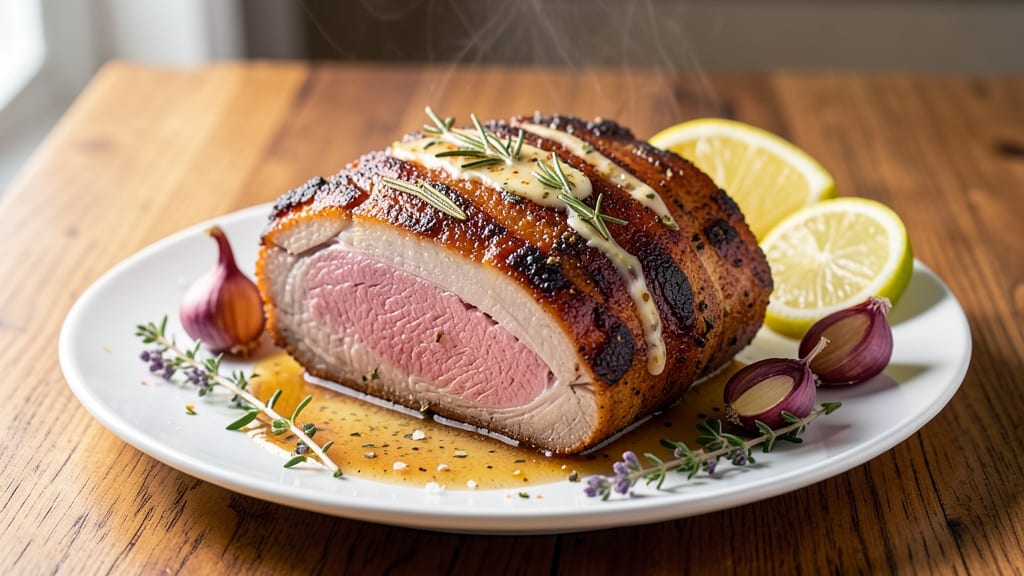
This bone-in pork tenderloin roast recipe delivers crispy bark and juicy hearts in one perfect pan—no complicated techniques required. After years of perfecting pork roasts for my restaurant, I've simplified the process to achieve restaurant-quality results at home, using just a few essential steps and a reliable meat thermometer.
The secret lies in high-heat searing followed by low-and-slow roasting, which transforms tougher cuts into melt-in-your-mouth tenderness.
The beauty of this method is its simplicity: just one pan, minimal prep, and 30 minutes of active time before the oven does the heavy lifting.
I start by searing the tenderloin to lock in juices and build that flavorful crust, then roast it until the internal temperature reaches 145°F—guaranteed to be tender without drying out.
The bone-in cut adds depth of flavor while keeping the meat moist, and the crispy exterior makes it look as impressive as it tastes.
What you'll end up with is a perfectly roasted pork tenderloin with crispy edges that shatter at the touch and juicy centers that practically melt on your tongue. The aroma alone will have everyone gathering in the kitchen, and the presentation—golden bark contrasting with tender pink meat—is worth the effort.
This is the kind of dish that elevates a weeknight dinner to something special without requiring hours in the kitchen.
Serve it with classic sides like roasted potatoes, caramelized onions, or a fresh herb salad to complete the meal. The leftovers reheat beautifully, making this an ideal recipe for meal prep or feeding a crowd. Let's get started—your table is about to get an upgrade.
Ingredients for bone in pork tenderloin roast
Fourteen ingredients transform into a showstopping roast with crispy edges and juicy centers.
| Ingredient | Amount | Notes |
|---|---|---|
| Bone-In Pork Tenderloin 🍖 | 1 ½ lb | Center-cut, 1-inch thick |
| Unsalted Butter 🧈 | ½ cup | Cold, cut into 1-inch cubes |
| Fresh Rosemary 🌿 | ¼ cup | Finely chopped, fresh preferred |
| Fresh Thyme 🌿 | ⅛ cup | Leaves only, finely chopped |
| Garlic Cloves 🧄 | 4 cloves | Minced, fresh preferred |
| Diamond Crystal Kosher Salt 🧂 | 1 ½ tsp | Coarse, for seasoning |
| Freshly Ground Black Pepper 🌶️ | ½ tsp | Coarsely cracked |
| Olive Oil 🫒 | 2 tbsp | Extra-virgin, for searing |
| Apple Cider Vinegar 🍎 | 1 tbsp | For brining (optional) |
| Brown Sugar 🍯 | 1 tbsp | Light, for crust enhancement |
The pork tenderloin is the star—bone-in cuts from Whole Foods or local butchers deliver the best flavor and moisture. Look for tenderloins with a 1-inch thickness for even cooking; thicker cuts need longer roasting. The bone adds depth while keeping the meat juicy, but it's the high-heat sear that creates that coveted crispy bark. If your tenderloin has a thick section, trim it slightly for uniform cooking. For extra insurance, pat the meat dry with paper towels before searing—this helps the crust form properly.
No fresh rosemary? Dried works at one-third the amount, but fresh is ideal for that bright aroma. Short on time? Pre-chopped herb blends from Trader Joe's save steps without sacrificing flavor. The apple cider vinegar brining step (if used) enhances tenderness—just rub it on the meat 30 minutes before cooking. For the brown sugar, light or dark both work, but light adds a subtle sweetness that caramelizes beautifully during roasting. Swapping olive oil for avocado oil gives a higher smoke point if you're worried about burning, though extra-virgin olive oil works perfectly for this method.
This roast reheats like a dream—350°F for 10-15 minutes covered with foil keeps it moist. Store leftovers in the fridge for 3-4 days or freeze for up to 3 months by wrapping tightly in butcher paper. For meal prep, slice against the grain and portion into containers. The crispy bark softens slightly when reheated, so I always save a piece of the original roast to toast in a skillet for serving over the sliced meat—game-changer for presentation.
Why You'll Love This Recipe
- One-Pan Magic: I swear by this recipe when I’m too tired to wash extra dishes. The bone-in tenderloin roasts right alongside the garlic and herbs—no flipping, no fuss—just golden perfection with zero cleanup.
- Herb-Crisped Crust: That butter-basted rosemary and thyme? It turns the outside into a fragrant, crackling crust while keeping the inside juicy. Honestly, the first time I bit in, I nearly dropped the fork.
- Weeknight to Dinner Party: Same recipe, different occasions. Toss it on the table for a quick family dinner or impress guests with minimal effort. The bone adds richness, so even if you’re serving it with simple sides, it feels special.
- Leftovers That Don’t Suck: Cold slices the next day are just as good—ideal for sandwiches or salads. And since pork tenderloin is lean but flavorful, you’re not wasting money on something that’ll go bad in two days.
Step-by-step instructions for bone-in pork tenderloin roast
Here's how to transform a simple pork tenderloin into a showstopping roast with perfect crispy bark and juicy meat.
Prepare the Pork with Herb Butter Rub
Start by removing the pork tenderloin from the refrigerator and letting it sit at room temperature for 30 minutes. This ensures even cooking. While it comes to temperature, make the herb butter rub by combining the 0.5 cup unsalted butter with the 0.25 cup fresh rosemary, 0.125 cup fresh thyme, 4 cloves garlic cloves, 1 tbsp brown sugar, 1.5 tsp diamond crystal kosher salt, and 0.5 tsp freshly ground black pepper in a bowl.
Use your hands to mix everything together until the butter is fully incorporated and the herbs are evenly distributed. The brown sugar will help create that beautiful caramelized crust while the herbs infuse the meat with deep, aromatic flavors. Once mixed, press the herb butter mixture all over the pork tenderloin, making sure to get it into any crevices or between the bone and meat.
Sear the Pork for Maximum Flavor
Preheat your oven to 425°F with a rack positioned in the middle. Heat a large oven-safe skillet over medium-high heat and add the 2 tbsp olive oil. Once the oil is shimmering, carefully place the pork tenderloin in the skillet, bone-side down. Sear for 4-5 minutes until the meat develops a deep golden-brown crust.
Flip the pork and sear the other side for another 4-5 minutes. You'll know it's ready when the exterior is rich and caramelized, and the pork releases easily from the pan. This searing step locks in juices and builds the foundation for that crispy bark. If you're using the optional 1 tbsp apple cider vinegar for brining, now's the time to add it to the skillet and let it bubble for 30 seconds before transferring to the oven.
Roast to Juicy Perfection
Transfer the seared pork tenderloin to the preheated oven and roast for 20-25 minutes, or until the internal temperature reaches 145°F when measured at the thickest part of the meat (not touching the bone). The bone helps conduct heat, so you want to monitor the meat temperature closely rather than relying solely on time.
Here's the thing—bone-in pork tends to cook faster than boneless, so don't walk away. Check the temperature at the 18-minute mark and adjust your oven if needed. The pork should be golden brown with a crispy exterior and juicy pink center. If the top isn't brown enough, broil for 1-2 minutes at the end for extra color.
Rest and Carve for Maximum Juiciness
Remove the pork tenderloin from the oven and transfer it to a cutting board. Let it rest for 10-15 minutes before carving. This resting period allows the juices to redistribute throughout the meat, ensuring every slice is moist and flavorful. Tent loosely with foil to keep it warm during this time.
When ready to serve, slice the pork tenderloin into ½-inch thick slices, cutting against the grain for maximum tenderness. The bone will help keep the slices together, making serving easier. Serve immediately with any pan juices spooned over the top for extra richness. The result should be a perfectly crispy exterior with succulent, juicy meat that practically melts in your mouth.
Pro Tips For Making Bone In Pork Tenderloin Roast
- Pat the meat dry: I used to skip this step because it seemed unnecessary—big mistake. A bone-in tenderloin has natural moisture, but wiping it down with paper towels before seasoning guarantees a better crust. Trust me, the difference in browning and flavor is noticeable.
- Sear bone-side down first: The bone conducts heat differently, so start by searing the meat bone-side down for 3-4 minutes. This renders fat and adds depth to the flavor before you flip it. (Yes, it looks weird, but it works.)
- Don’t overcrowd the pan: I learned this the hard way—adding all the garlic and herbs at once just steams them instead of browning. Sear the pork first, then push it aside and cook the aromatics in the rendered fat until fragrant. This builds layers of flavor instead of a bland herb bath.
- Use room-temperature butter: Cold butter clumps and doesn’t melt evenly, leaving you with greasy herbs instead of a glossy, flavorful crust. Let the butter sit out for 10 minutes before using—it’s worth the wait. (And if you’re lazy, microwave it for 10 seconds.)
Serving suggestions for leftovers
Classic Southern Sides
Nothing complements this roast like creamy mac and cheese with a crispy breadcrumb topping—I make mine with sharp cheddar and Gruyère for depth. Pair it with brown sugar-glazed carrots (tossed with 1 tbsp honey and ½ tsp smoked paprika) for natural sweetness that balances the pork’s richness.
For a heartier option, cornbread from a cast iron skillet adds that Southern comfort factor. 🍯
Fresh Herb Salads
A bright arugula salad with shaved fennel, pear slices, and a honey-Dijon vinaigrette cuts through the richness beautifully.
I toss 4 cups arugula with 2 tbsp extra-virgin olive oil, 1 tbsp Dijon mustard, and 1 tsp apple cider vinegar, then top with ½ cup candied pecans for crunch. For a lighter option, cucumber and radish salad with mint and lime adds refreshing contrast.
Warm Potato Accompaniments
Garlic-parmesan roasted potatoes are a must—I use Yukon Golds tossed in 2 tbsp olive oil, 3 minced garlic cloves, ½ cup grated Parmesan, and 1 tsp dried thyme, then roasted at 425°F for 30 minutes. For a smoky twist, sweet potato mash with brown butter and cinnamon adds warmth. Both sides soak up the pan juices from your roast, making every bite even more flavorful.
Creamy Sauces
Drizzle your sliced pork with apple-cider pan sauce—just deglaze the roasting pan with ½ cup apple cider, 1 tbsp butter, and 1 tsp cornstarch, then simmer until thickened.
For a richer option, bourbon cream sauce (made with ½ cup heavy cream, 2 tbsp bourbon, and 1 tbsp Dijon) elevates the dish to restaurant-quality. Even a simple herb butter (melted and mixed with chopped parsley and chives) adds elegance. 🍷
Beverage Pairings
A crisp dry Riesling from Germany or a light-bodied red like Pinot Noir complements the pork’s herbal notes perfectly. For beer lovers, a Belgian witbier with its citrusy brightness cleanses the palate.
I also love sparkling water with lemon for a refreshing contrast—especially when serving the roast at a summer gathering. The effervescence helps reset your taste buds between bites.
Nutrition facts
Frequently asked questions
Why does the recipe specify bone-in pork tenderloin?
The bone adds incredible flavor and helps keep the meat moist during cooking. It also creates a natural handle for serving and carving. Plus, the bone conducts heat differently, ensuring even cooking throughout the tenderloin. For best results, look for a center-cut piece with a 1-inch thickness.
Can I substitute boneless pork tenderloin?
Yes, but expect slightly faster cooking times. Boneless tenderloin typically cooks 10-15 minutes faster than bone-in. Use the same temperature guidelines (145°F) and reduce roasting time to 15-20 minutes total. The herb butter rub works perfectly on boneless cuts too!
How do I know when the pork is fully cooked?
Always use a meat thermometer! Insert it into the thickest part (not touching bone) - the pork is done when it reaches 145°F. The bone-in cut cooks faster than boneless, so check at 18 minutes for a 1.5 lb roast. If the top isn't brown enough, broil for 1-2 minutes at the end.
What if my pork comes out dry?
Overcooking is the most common cause. Bone-in pork is forgiving - it's better to pull it out slightly underdone (140°F) and let it rest. For extra moisture, baste with pan juices every 10 minutes during roasting. If using a thicker cut, reduce oven temp to 400°F and increase time by 5-10 minutes.
Can I make this ahead of time?
Cook the roast completely, then refrigerate uncovered for 1-2 hours to crisp the bark further. Reheat at 350°F for 10-15 minutes covered with foil. For make-ahead prep, slice and store portions separately - the crispy edges soften slightly but still taste amazing. Leftovers keep for 3-4 days in the fridge.