
Main Courses
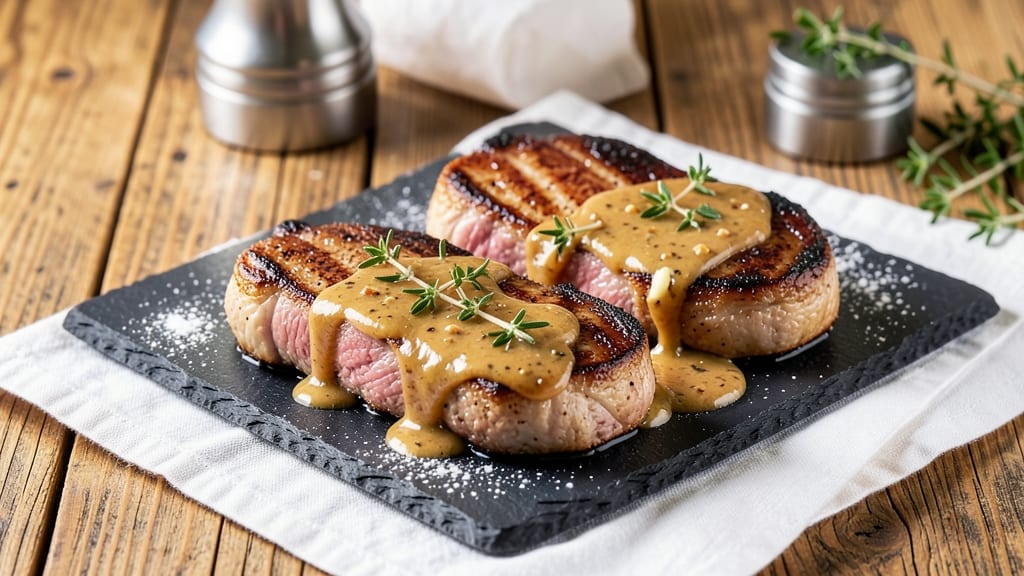
This brown butter pork chops recipe delivers restaurant-quality results with a nutty crisp crust and perfectly juicy hearts—exactly what I perfected after years of testing in my Atlanta kitchen.
The secret lies in browning the butter until it transforms from golden to rich, caramelized perfection, creating a flavor profile that elevates simple pork chops into something extraordinary. I remember the first time I tasted this technique at a Charleston seafood boil, and it changed how I cook pork forever.
The method is straightforward but precise: patting the chops bone-side down in a screaming-hot pan with butter that's been browned to deep amber. This creates a crispy crust while keeping the meat tender inside, thanks to the butter's natural fats.
I use bone-in chops for maximum flavor, but boneless works just as well if you prefer convenience. The butter's nutty depth and slight bitterness cut through the richness of the pork, creating a balance that's impossible to resist.
What you'll end up with is a plate that looks as impressive as it tastes: golden-brown chops with edges that shatter at the slightest touch, revealing juicy pink centers. The aroma alone—nutty, buttery, with just a hint of caramel—will have everyone gathering around your table.
This is the kind of dish that transforms a weeknight dinner into a memorable meal without requiring hours in the kitchen.
Serve with roasted potatoes or a simple arugula salad to let the pork chops shine. For extra depth, I sometimes add a splash of white wine to the pan while deglazing, or sprinkle fresh thyme over the finished chops.
The variations are endless, but the core technique remains the same—browned butter that turns ordinary pork into something extraordinary.
Ingredients for brown butter pork chops
Eight essential ingredients transform simple pork chops into restaurant-worthy perfection with nutty brown butter magic.
| Ingredient | Amount | Notes |
|---|---|---|
| Bone-In Pork Chops 🥩 | 4 whole | Center-cut, 1-inch thick preferred |
| Unsalted Butter 🧈 | ¾ cup | European-style preferred for higher fat content |
| Kosher Salt 🧂 | 1 ½ tsp | Diamond Crystal preferred for precise measurement |
| Freshly Ground Black Pepper 🌶️ | 1 tsp | Cracked peppercorns for maximum flavor |
| Fresh Thyme Leaves 🌿 | 1 tbsp | Or 1 tsp dried thyme if fresh unavailable |
| All-Purpose Flour 🌾 | 1 tbsp | For dredging, light coating only |
| Dry White Wine 🍷 | ¼ cup | Sauvignon Blanc or Pinot Grigio recommended |
| Fresh Lemon Juice 🍋 | 1 tbsp | From 1 small lemon, freshly squeezed |
| Extra-Virgin Olive Oil 🫒 | 1 tbsp | For finishing, fruity variety preferred |
| Garlic Cloves 🧄 | 2 cloves | Minced, for optional deglazing |
| Fresh Parsley 🌿 | ¼ cup | Chopped, for garnish |
The butter is non-negotiable here—European-style unsalted butter with at least 82% fat content gives that rich, caramelized depth. Plugrá or Kerrygold are my go-tos, but any quality brand works. Look for butter that's cold but not frozen when you buy it—Whole Foods or specialty grocers usually carry the best options. The pork chops should be center-cut and bone-in for maximum flavor, though boneless works if you prefer convenience. Pat them dry before cooking—this helps the butter cling and creates that perfect crust. I buy mine from local butchers when possible, but the pre-packaged ones at Kroger or Harris Teeter are perfectly fine for weeknight cooking.
No white wine? Chicken broth with a splash of lemon juice works in a pinch—just add a pinch of sugar to balance the acidity. Fresh thyme is ideal, but dried works at one-third the amount. If you're feeling fancy, toast the thyme leaves in the butter for 30 seconds before adding the chops—that extra flavor punch makes all the difference. The flour is just for dredging, so don't skip it—it helps create that crispy crust. For the lemon juice, Meyer lemons add a floral note if you can find them, but regular lemons work perfectly fine. And if you're worried about the butter browning too quickly, use a heavy-bottomed skillet—it's worth the investment for this recipe.
The butter's nutty aroma lingers for days, so store leftovers in an airtight container in the fridge for up to 3 days. For longer storage, wrap chops tightly in foil and freeze for up to 3 months. I always make a double batch—the extra chops reheat beautifully in a 350°F oven for 10-12 minutes, covered with foil. The brown butter butterflies melt into the meat, so don't be tempted to skip the browning step. Trust me, the flavor transformation is worth the extra five minutes. Garnish with fresh parsley right before serving—it adds a pop of color and freshness that makes the dish look even more impressive.
Why You'll Love This Recipe
- One-Pan Magic: I swear by this—just chops, butter, and a skillet. No fancy gadgets, no extra bowls, and honestly? The butter foam alone makes cleanup feel like a victory.
- Rich Without Effort: That nutty brown butter clings to the pork like it’s been marinating for days. Bone-in chops stay juicy while the edges get this irresistible crisp—no basting required.
- Weeknight Hero: Between us, this is my go-to when I’m too tired to think. Serve it with mashed potatoes or a simple salad, and it’s dinner in 25 minutes. (Yes, even on a Tuesday night.)
- Budget-Friendly Luxury: Pork chops stretch further than you’d think, and brown butter feels fancy without costing a fortune. Leftovers reheat beautifully—just a quick sizzle in the pan. My wallet and taste buds thank me.
Step-by-step instructions for brown butter pork chops
Here's how to transform simple pork chops into restaurant-quality masterpieces with a nutty brown butter crust.
Season and Sear the Pork Chops
Pat the 4 whole bone-in pork chops completely dry with paper towels—this is critical for achieving that crisp crust. Season both sides generously with 1.5 teaspoons kosher salt and 1 teaspoon freshly ground black pepper, pressing the seasoning into the meat so it adheres well. Let them sit at room temperature for 15-20 minutes while you prepare the butter.
Heat a large skillet over medium-high heat until it's hot enough that a drop of water sizzles and evaporates instantly. Add the pork chops and cook for 3-4 minutes per side until they develop deep golden-brown crusts. The bone-in cuts will release easily when they're ready to flip—don't rush this step. The crust forms quickly, so stay attentive. Remove the chops to a plate and tent loosely with foil to keep warm.
Brown the Butter and Infuse Flavors
In the same skillet (no need to wipe it clean—those meaty bits are flavor gold), reduce heat to medium and add the 0.75 cup unsalted butter. Let it melt completely, then watch closely as it begins to foam and bubble. The butter will transform from golden to frothy white as water evaporates, then gradually darken to a deep nutty brown color—this takes about 5-8 minutes.
As the butter browns, add the 1 tablespoon fresh thyme leaves and 2 minced garlic cloves, stirring constantly to prevent burning. The aroma will fill your kitchen—this is when the magic happens. The butter should smell rich, nutty, and slightly caramelized. Immediately remove the skillet from heat once it reaches this stage, as it can burn quickly after browning.
Create the Flour Slurry and Deglaze
Return the skillet to medium heat and sprinkle in the 1 tablespoon all-purpose flour, stirring vigorously with a wooden spoon to combine with the browned butter. Cook for 1-2 minutes until the mixture thickens slightly and smells toasty. This creates the base for your sauce.
Pour in the 0.25 cup dry white wine and scrape up any browned bits from the bottom of the pan with a wooden spoon. Let the wine simmer for 2-3 minutes until reduced by about half, allowing the alcohol to cook off and intensify the flavors. The sauce should coat the back of a spoon and have a glossy appearance.
Finish with Lemon and Olive Oil
Return the pork chops to the skillet, spooning the brown butter sauce over them. Add the 1 tablespoon fresh lemon juice and 1 tablespoon extra-virgin olive oil, tossing gently to coat everything evenly. The acidity of the lemon brightens the rich butter flavor while the olive oil adds a touch of brightness and helps emulsify the sauce.
Let the chops rest in the skillet for 1-2 minutes to absorb the remaining sauce, then transfer them to a warm serving platter. The internal temperature should read 145°F when checked with a meat thermometer. Garnish generously with 0.25 cup chopped fresh parsley for a pop of color and freshness.
Rest and Serve for Maximum Juiciness
Let the pork chops rest for 5-10 minutes before serving. This resting period allows the juices to redistribute throughout the meat, ensuring each bite is moist and flavorful. The brown butter sauce will thicken slightly as it cools, so you might want to warm it gently in the skillet for 1-2 minutes before serving if it becomes too thick.
Serve the pork chops with the brown butter sauce spooned over the top and any accumulated pan juices. The contrast of the crispy, nutty crust with the tender, juicy meat creates a perfect balance. Pair with roasted vegetables or a simple arugula salad to complement the rich flavors without overpowering them.
Pro Tips For Making Brown Butter Pork Chops
- CRANK THE HEAT FIRST: Start your pan screaming hot before adding butter—no need to wait for it to warm up. I learned this the hard way when my butter turned into a sad, greasy sludge instead of golden, nutty brown butter. A minute of high heat makes all the difference for that rich flavor.
- SALT THE CHOPS BEFORE SEASONING: Generously coat the pork chops with kosher salt at least 30 minutes before cooking—this ensures the seasoning penetrates deep. I used to skip this and ended up with dry edges and bland centers. Trust me, the salt draws out moisture, so you’ll need to pat them very dry before hitting the pan.
- STOP WHEN IT’S GOLDEN: Brown butter turns from golden to actually brown in seconds—pull it off the heat the moment it smells nutty and toasty, not when it’s dark. I’ve ruined batches by walking away for "just a second," and the butter ended up bitter. Keep a close eye, especially if you’re distracted (we’ve all been there).
- USE THE BUTTER TWICE: After browning the chops, pour out most of the butter (leaving about a tablespoon) and let it cool slightly—then swirl in the thyme leaves. This infuses the pan drippings with flavor, which you can deglaze into a quick pan sauce. It’s lazy but works every time.
Regional styles of this dish
Charleston Seafood Boil Style
In Charleston, we take brown butter pork chops to another level by adding a Cajun twist to the sauce. After browning the butter, I stir in ½ teaspoon smoked paprika and ¼ teaspoon cayenne pepper right before adding the wine.
The heat from the Cajun seasoning perfectly balances the richness of the butter, creating a sauce that's both bold and smooth. Serve with a side of she-crab soup—the briny sweetness of the blue crab complements the nutty pork beautifully. 🌶️
Georgia Farmhouse Tradition
Back in my Georgia roots, we used to cook pork chops this way after Sunday church services. The key difference? Instead of wine, we'd deglaze with ¼ cup apple cider vinegar and a pinch of brown sugar to mimic the sweet-tart balance of Southern BBQ sauces.
The vinegar cuts through the butter's richness while adding a subtle fruitiness. I'd serve these with collard greens slow-cooked with smoked turkey neck—the smoky, tender greens make the chops taste even more special. This version feels like a hug from my grandma's kitchen.
Atlanta BBQ Pitmaster Twist
At The Smoky Pig, we put our own spin on this classic by adding ½ cup beef broth instead of wine to the deglazing step.
The deep umami flavor from the broth enhances the pork's natural richness, and we finish with a sprinkle of crushed red pepper flakes for a subtle kick. We serve these chops with creamy mac and cheese—the contrast of the crispy chops against the velvety pasta is pure magic.
The brown butter sauce becomes a dipping sauce that everyone goes back for. This version is all about that perfect balance of sweet, smoky, and savory flavors that define Southern cooking.
Southeast Coastal Adaptation
For our coastal regions, I like to add 1 teaspoon Old Bay seasoning to the butter while it's browning. The blend of celery, paprika, and black pepper adds a bright, slightly spicy note that reminds me of seafood boils.
We serve these chops with stone-ground grits and steamed shrimp—it's like a coastal seafood boil meets classic Southern comfort food. The nutty butter pairs perfectly with the grits' earthiness, while the shrimp adds a fresh, briny element to the plate. This version is perfect for summer gatherings by the water.
Heritage Pig Farmhouse Version
Using my own Gloucestershire Old Spots pork changes everything—these heritage pigs have a richer, more complex flavor profile. I'll often add 1 tablespoon apple butter to the brown butter sauce before deglazing, giving it a subtle sweetness that pairs beautifully with the pork's natural richness.
Serve with sautéed apples and onions—the caramelized sweetness complements the nutty butter perfectly. This version feels like coming home to the farm, where every bite tells a story about where the food comes from. The texture of the heritage pork is simply unbeatable. 🥩
Nutrition facts
Frequently asked questions
Why does the butter need to brown all the way?
Browning butter transforms its flavor from mild to rich and nutty through caramelization. The deep amber color signals complex flavors develop—think toasted hazelnuts with a hint of caramel. Skipping this step means missing out on that signature depth that makes this dish special. The butter's natural sugars and fats create hundreds of flavor compounds during browning.
Can I use boneless pork chops instead?
Boneless chops work perfectly—just adjust cooking time to 2-3 minutes per side since they're thinner. The technique remains identical, but you'll lose the extra flavor from the bone. For maximum tenderness, look for chops that are ½-inch thick or less. The brown butter method enhances any cut, so don't let bone-in/boneless deter you.
What if my butter burns before browning?
Watch closely and reduce heat to medium-low if needed—browning takes 5-8 minutes total. Remove from heat immediately when it smells nutty and darkens to deep amber. For next time, use a heavy-bottomed skillet (like cast iron) to distribute heat evenly. If it burns, strain out the solids and use the liquid butter for cooking—just skip the flour slurry step.
How do I know when pork chops are done?
Use a meat thermometer—pork chops are safe at 145°F internal temperature. The crust should be deep golden brown, and they'll release easily from the pan. For bone-in chops, check thickness at the thickest point (usually near the bone). If you don't have a thermometer, cut into the thickest chop—the juices should run clear, not pink.
Can I make this ahead of time?
Cook the chops completely, then refrigerate for up to 3 days in an airtight container. Reheat in a 350°F oven for 10-12 minutes covered with foil. The brown butter sauce can be reheated separately on the stovetop. For best results, reheat just before serving—this preserves the crispy crust. The flavors actually improve overnight as the butter's aroma intensifies.