
Main Courses
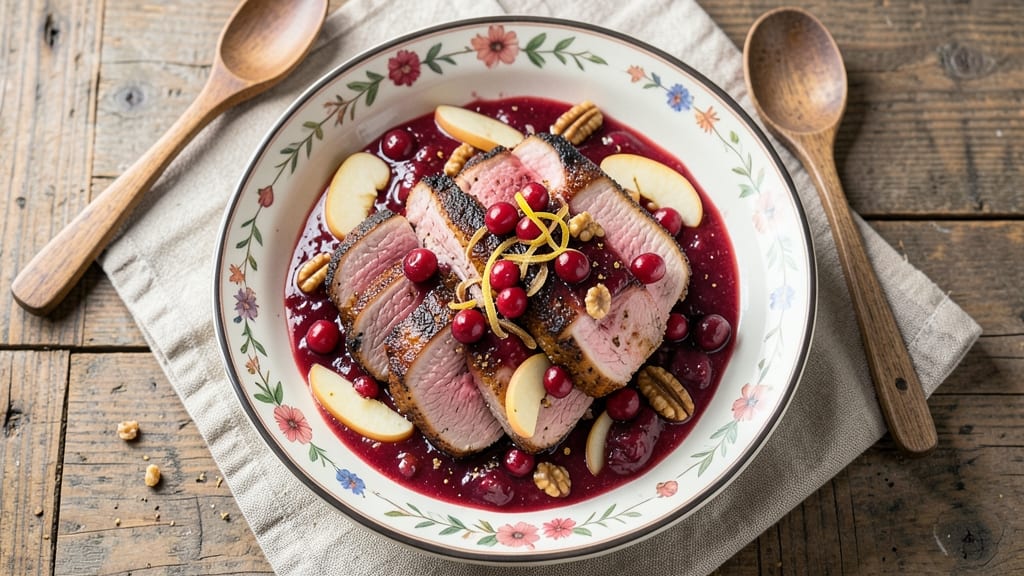
This cranberry apple pork tenderloin recipe delivers the perfect balance of sweet and tart flavors that elevate pork to restaurant-quality. Growing up in Georgia, I learned how the right glaze could transform simple pork into a showstopper—this version combines fresh cranberries and apples with a touch of mustard for depth.
The tenderloin stays juicy while the glaze caramelizes into a sticky, flavorful crust that pairs beautifully with roasted vegetables or mashed sweet potatoes.
The secret lies in the marinade and slow roasting technique—pork tenderloin benefits from a gentle cooking method that keeps it moist. I use a mix of apple cider vinegar and Dijon mustard to tenderize the meat while building layers of flavor.
The cranberry-apple glaze isn’t just sweet; it’s tangy and complex, with a hint of spice that cuts through the richness of the pork. This dish is foolproof for weeknight dinners but impressive enough for holiday tables.
By the time you serve this dish, you’ll have perfectly cooked pork with a tender interior and a perfectly caramelized glaze that clings to every bite. The cranberries add a bright acidity that balances the natural sweetness of the apples, while the mustard in the marinade ensures depth.
It’s a dish that works just as well for a family dinner as it does for a special occasion—elegant yet approachable.
Pair it with a glass of spiced red wine or a crisp apple cider cocktail to complement the flavors. The leftovers reheat beautifully, making this recipe perfect for meal prep or entertaining. Let’s get cooking—this pork tenderloin will become a new favorite in your rotation.
Ingredients for cranberry apple pork tenderloin
Sweet-tart glaze and juicy pork—just these 14 ingredients transform dinner into a showstopper.
| Ingredient | Amount | Notes |
|---|---|---|
| Pork Tenderloin 🥩 | 1 ½ lb | Center-cut for even cooking |
| Fresh Cranberries 🍇 | 1 cup | Peeled, chopped, or whole |
| Apples 🍎 | 2 medium | Honeycrisp or Fuji, peeled |
| Apple Cider Vinegar 🍏 | ¼ cup | For marinade and glaze |
| Dijon Mustard 🍯 | 2 tbsp | For depth of flavor |
| Brown Sugar 🍚 | ¼ cup | Light or dark variety |
| Honey 🍯 | ¼ cup | Wildflower preferred |
| Fresh Rosemary 🌿 | ½ oz | Or 1 tbsp dried |
| Fresh Thyme 🌿 | ½ oz | Or 1 tsp dried |
| Garlic Cloves 🧄 | 4 cloves | Minced for marinade |
| Salt 🧂 | 1 ½ tsp | Kosher or sea salt |
| Black Pepper 🌶️ | ½ tsp | Freshly ground |
| Olive Oil 🫒 | 2 tbsp | Extra-virgin for richness |
| Orange Zest 🍊 | 1 tbsp | Brightens the glaze |
The pork tenderloin is your canvas here. Center-cut is key—it stays juicier than the ends. I grab mine from Whole Foods or the butcher counter at Kroger when I need a fresh cut. For the cranberries, fresh is ideal, but frozen unsweetened cranberries work in a pinch (thaw and drain). Apples? Honeycrisp or Fuji hold up best to cooking—they won’t turn mushy. The apple cider vinegar should be the good stuff, not the cheap stuff from the back of the shelf. Bragg is my go-to, but any organic brand works.
No Dijon mustard? Whole-grain mustard thinned with water does the trick. Short on honey? Maple syrup at the same amount keeps things balanced. The glaze needs that acidity from the vinegar and zest—don’t skip it! For the herbs, fresh is best, but dried works at one-third the amount. If you’re prepping ahead, chop the apples and cranberries first—they keep in the fridge for 3 days before they start browning. The garlic? Freshly minced makes all the difference, but jarred works if you’re in a rush.
This glaze caramelizes beautifully, so don’t rush it. Leftovers reheat perfectly—just warm in a skillet with a splash of water. Keeps in the fridge for 4 days or frozen for 3 months. I like to slice the pork and store it with the glaze in a sealed container so every bite stays sticky. The glaze also freezes well on its own—thaw and reheat for a quick sauce. Double the recipe if you’re feeding a crowd—it’s that good.
Why You'll Love This Recipe
- One-Pan Magic: I swear by this recipe when I’m too tired to wash dishes. The pork, apples, and cranberries all roast together—no flipping, no fuss—while the vinegar and mustard glaze caramelizes right on the tray. That sticky, tangy crust? It’s basically self-cleaning.
- Sweet-Tart Balance: The moment the cranberries burst and the apples soften, you get this perfect harmony—like a fall dessert and a savory meal had a baby. Honestly, the Dijon mustard ties it all together with a little kick that makes every bite unforgettable.
- Weeknight Hero: Between us, this is my go-to when I need something impressive but not labor-intensive. Serve it over mashed potatoes for a cozy dinner, slice it for sandwiches the next day, or even take it to a potluck—it’s always a crowd-pleaser without trying too hard.
- Budget-Friendly Feast: Pork tenderloin is lean and affordable, and the apples and cranberries stretch the flavors further than you’d think. I’ll often double the recipe, save half for lunches, and still have leftovers that taste just as good reheated. (Yes, even on a Tuesday night.)
Step-by-step instructions for cranberry apple pork tenderloin
Here's how to create a perfectly balanced sweet-tart glaze that keeps pork tenderloin juicy and flavorful.
Prepare the Marinade and Glaze Base
In a medium bowl, combine the 1 cup fresh cranberries, 2 medium apples (chopped), 0.25 cup apple cider vinegar, 2 tbsp Dijon mustard, 0.25 cup brown sugar, and 0.25 cup honey. Mash the apples and cranberries lightly with a fork until you get a chunky but smooth mixture. This creates the foundation for both the marinade and glaze.
Add the 4 cloves minced garlic, 0.5 oz finely chopped fresh rosemary, and 0.5 oz fresh thyme. Stir in the 1.5 tsp salt and 0.5 tsp black pepper to balance the sweetness. The marinade should smell vibrant and complex—bright from the citrus and herbs, with deep notes from the apples and cranberries.
Marinate the Pork Tenderloin
Place the 1.5 lb pork tenderloin in a resealable plastic bag or shallow dish. Pour the marinade over the meat, ensuring it's fully coated. Seal the bag or cover the dish and refrigerate for at least 4 hours, or overnight for maximum flavor penetration. This step is crucial for tenderizing the meat and infusing it with the sweet-tart glaze flavors.
Turn the pork occasionally during marinating to ensure even exposure to the marinade. The acidity in the apple cider vinegar and cranberries will begin to break down the meat fibers, resulting in a more tender finish. Don't skip this step—it makes all the difference in texture and flavor.
Sear the Pork for Maximum Flavor
Preheat your oven to 400°F. Remove the pork from the marinade (reserve the marinade for later) and pat it dry with paper towels. Heat 2 tbsp olive oil in an oven-safe skillet over medium-high heat until shimmering. Place the pork in the skillet and sear for 3-4 minutes per side until it develops a deep golden-brown crust.
This searing step creates a flavorful barrier that locks in juices during cooking. The pork should release easily from the skillet when ready to flip. Once seared, transfer the skillet to the preheated oven and continue cooking for 15-20 minutes or until the internal temperature reaches 145°F (measured with a meat thermometer).
Create the Glaze and Finish Cooking
While the pork roasts, pour the reserved marinade into the same skillet. Add the 1 tbsp orange zest and bring to a simmer over medium heat. Reduce the heat to low and let it cook for 8-10 minutes, stirring occasionally, until it thickens into a glossy glaze. The color should deepen to a rich amber, and the aroma should be intensely sweet-tart.
Once the pork reaches 145°F, remove it from the oven and let it rest for 10 minutes before slicing. Pour the glaze over the pork and spoon it around to coat evenly. The contrast of the sweet-tart glaze with the savory pork creates a perfect balance of flavors in every bite.
Serve with Confidence
Slice the pork tenderloin into ½-inch thick pieces and arrange on a serving platter. Drizzle any remaining glaze over the top and garnish with fresh thyme sprigs if desired. Serve immediately with roasted potatoes, a simple green salad, or your favorite sides.
The result should be perfectly tender pork with a glossy, flavorful glaze that's neither too sweet nor too tart. Each bite delivers a harmonious blend of sweet apples, tart cranberries, and savory pork. This dish is ideal for holiday meals, family dinners, or any occasion where you want to impress with a restaurant-quality centerpiece.
Pro Tips For Making Cranberry Apple Pork Tenderloin
- SEAR THE PORK HOT: Start with a screaming-hot pan—no need to wait for it to "heat up." The pork releases juices instantly when it hits 450°F (230°C), and those juices caramelize into flavor instead of steaming away. I used to hover over the pan with my finger—if it sizzles like a greased lightning bolt, you’re ready.
- COAT THE PORK THINLY: Slather that Dijon-apple-cider glaze in one even layer—don’t go overboard. A thick coat burns before the pork cooks through, and you’ll end up with a sticky mess instead of a glossy crust. Think "paintbrush strokes," not "flooding the canvas." (Yes, even if you’re impatient like me.)
- SAVE THE CRANBERRY JUICE: Strain the cranberry-apple sauce through a fine-mesh sieve after simmering—you’ll catch seeds and a surprising amount of thick juice. Toss that juice back into the pan with the pork’s drippings for a quick pan sauce. I learned this the hard way after throwing out what felt like wasted liquid.
- USE A COLD APPLE: Slice the apple right before tossing it into the pan—cold apple releases less water and holds its shape better. Warm apples turn to mush faster, and you’ll end up with a watery glaze instead of a chunky, bright sauce. (Pro move: Toss the slices in a little flour first if you’re worried about browning.)
Perfect pairings for this recipe
Classic Side Pairings
Roasted sweet potatoes with a sprinkle of smoked paprika and brown sugar bring out the dish’s sweet-tart notes beautifully. I love tossing them in 2 tbsp olive oil, 1 tsp cinnamon, and ½ tsp cayenne before roasting at 400°F for 25 minutes.
The caramelized edges contrast perfectly with the glaze’s brightness. 🍠
For a lighter option, try sautéed green beans with garlic and lemon. Toss 1 lb fresh green beans in 2 tbsp butter, 3 minced garlic cloves, and zest of 1 lemon until tender-crisp. The acidity balances the richness of the pork tenderloin while keeping the meal fresh.
Beverage Harmony
A glass of dry Riesling from Germany or California cuts through the glaze’s sweetness with its crisp acidity. I reach for Dr. Loosen Blue Slate—its citrus and stone fruit notes mirror the cranberry-apple flavors.
For a non-alcoholic option, sparkling apple cider (like Martinelli’s) with a cinnamon stick adds festive flair. 🍷
Craft a spiced bourbon cocktail by mixing 2 oz bourbon, 1 oz apple cider, ½ oz cranberry juice, and a dash of orange bitters.
Serve over ice with an apple slice garnish. The warmth of the bourbon complements the dish’s herbal notes while the tartness echoes the glaze.
Garnish Game-Changers
Fresh thyme sprigs and toasted pecans elevate the plating instantly. Scatter ½ cup toasted pecans (bake at 350°F for 8 minutes) over the sliced pork for crunch. A drizzle of honey (just 1 tsp) adds a final touch of sweetness that ties everything together. 🌿
For a pop of color, add thinly sliced radishes or arugula to the plate. The peppery bite of arugula cuts through the richness, while radishes add a crisp, refreshing contrast. I often serve this dish family-style with a warm dinner roll on the side—perfect for soaking up extra glaze.
Nutrition facts
Frequently asked questions
Can I use frozen cranberries instead of fresh?
Frozen cranberries work perfectly—just thaw and drain them first. They’ll release less liquid than fresh ones, so you might need to add a splash of water to the glaze if it thickens too quickly. The tartness remains vibrant, and the texture stays chunky when cooked.
How do I keep the pork tenderloin from drying out?
Never skip the marinade or sear step! The acidity in apple cider vinegar tenderizes the meat, while the sear creates a flavorful crust that locks in juices. Cook to 145°F internal temp and let it rest 10 minutes before slicing—this redistributes juices. A meat thermometer is your best friend here!
What if I don’t have Dijon mustard?
Use whole-grain mustard thinned with 1 tsp water or sub with ½ tsp yellow mustard powder mixed into the marinade. The flavor will be slightly milder but still adds that essential tang. For depth, add an extra pinch of black pepper or a dash of smoked paprika.
Can I make this ahead of time?
Yes! Marinate the pork overnight for maximum flavor. For the glaze, prepare it up to 2 days ahead and store in the fridge. Reheat gently before serving. The pork reheats best in a skillet with a splash of water or broth—just warm through until 165°F to maintain tenderness.
What’s the best way to serve leftovers?
Slice the pork and store it with the glaze in an airtight container. Reheat in a skillet over medium-low heat with a splash of water or apple cider to restore moisture. Leftovers keep for 4 days in the fridge or 3 months frozen. The glaze reheats beautifully—just warm until bubbly!