
Main Courses
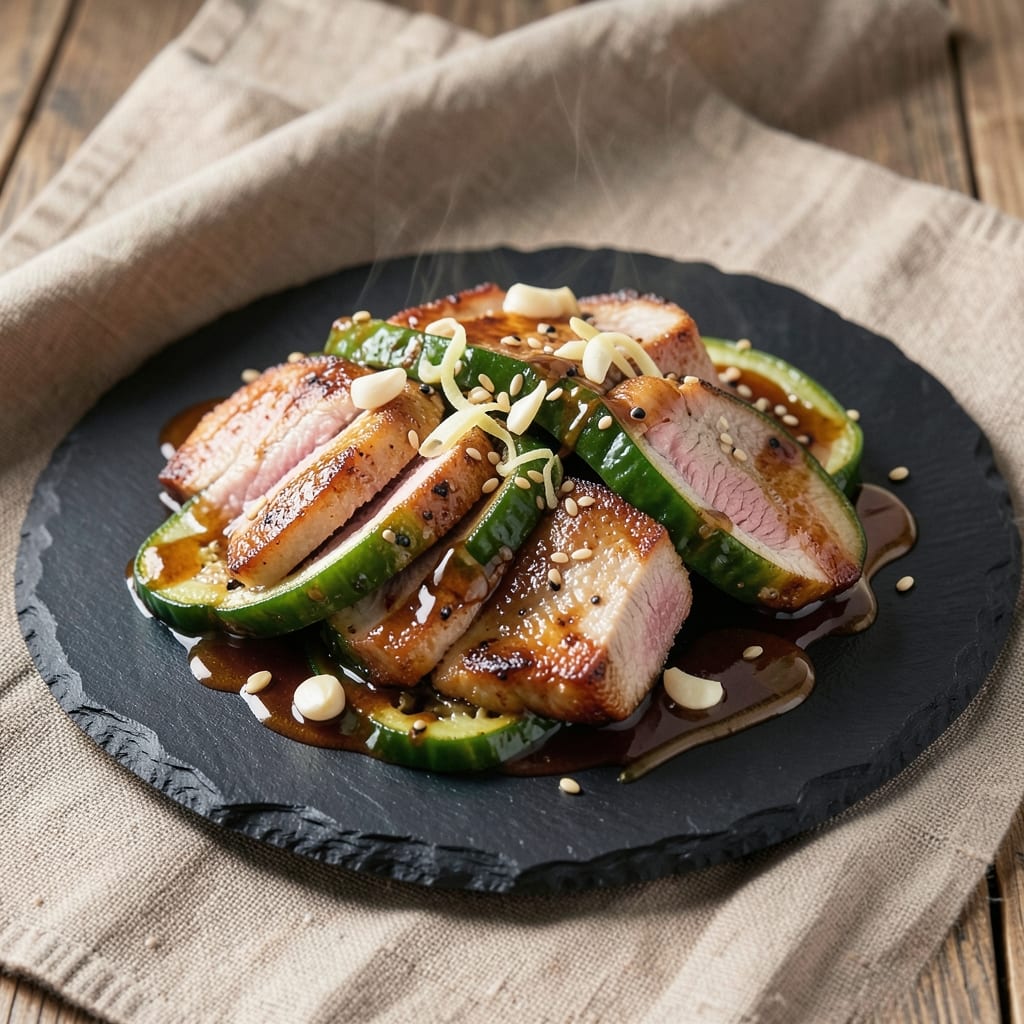
This Filipino bitter melon and pork stir-fry balances earthy bitterness with rich, savory pork in a dish that's both comforting and bold. 🔥 After years of perfecting this recipe in Southeast Asian kitchens, I've developed a method that transforms bitter melon into a star ingredient through careful cooking techniques and flavor pairings. The key lies in properly preparing the melon—scrubbing, slicing, and quickly cooking it to preserve its texture while mellowing its intensity.
The recipe begins with tender pork strips marinated in a blend of soy sauce, garlic, and ginger—a foundation that carries through the entire dish. As the pork browns in the wok, the bitter melon joins with just enough time to soften without turning mushy. The secret to harmony? A touch of sugar and vinegar in the stir-fry sauce, which rounds out the bitterness while enhancing the pork's natural umami. This isn't just about balancing flavors—it's about creating a dish where each component shines.
What you'll end up with is a vibrant stir-fry where crisp-tender pork and al dente bitter melon are coated in a glossy, tangy-sweet sauce. The bitterness lingers just enough to remind you of its unique character, but never overpowers the meal. Serve it over steamed jasmine rice to soak up every last drop of that flavorful sauce, or pair with garlic fried rice for a heartier plate. This dish delivers restaurant-quality results with a technique that's approachable for home cooks.
The beauty of this recipe lies in its versatility—adjust the heat with chili flakes, swap in shrimp for extra protein, or add mushrooms for earthy depth. Whether you're serving it as a weeknight dinner or a special occasion dish, the balance of textures and flavors will impress. Let's get cooking—this stir-fry transforms a challenging ingredient into something truly special.
Ingredients for bitter melon and pork
Earthy melon meets savory pork in this bold Filipino stir-fry—just 13 ingredients for restaurant-quality flavor.
| Ingredient | Amount | Notes |
|---|---|---|
| Bitter Melon 🍈 | 2 medium | Scrubbed, sliced into 1/2-inch pieces |
| Pork Shoulder 🥩 | 1 lb | Cut into 1-inch strips, boneless |
| Garlic Cloves 🧄 | 6 cloves | Minced, fresh preferred |
| Fresh Ginger 🌿 | 1 inch | Grated, peeled |
| Soy Sauce 🥄 | ½ cup | Light or regular, not low-sodium |
| Brown Sugar 🍯 | 2 tbsp | Packed, light brown preferred |
| White Vinegar 🍶 | 2 tbsp | Distilled preferred |
| Vegetable Oil 🫒 | 3 tbsp | High smoke point |
| Green Onions 🧅 | 3 whole | Sliced, white and green parts |
| Salt 🧂 | 1 tsp | Kosher or sea salt |
| Black Pepper 🌶️ | ½ tsp | Freshly ground |
| Chili Flakes 🔥 | ½ tsp | Adjust to taste |
| Jasmine Rice 🍚 | 1 ½ cups | Uncooked, for serving |
The bitter melon is the star, so pick firm, bright green ones—avoid any with soft spots or yellowing. Asian grocery stores usually carry the best selection, but regular supermarkets often have them too. Scrubbing is key: use a vegetable brush under running water to remove the waxy coating and any dirt. Slice into even 1/2-inch pieces—they cook faster than you'd expect, so don't go too thick. For the pork, shoulder works best—it stays tender while holding up to stir-frying. Trim any visible fat to avoid excess grease in your wok.
No bitter melon? Substitute with 2 cups sliced zucchini or 1 large eggplant, but reduce cooking time by half. Swapping pork for shrimp? Use 1 lb large shrimp, peeled and deveined—just cook them separately for 1-2 minutes less. The soy sauce can be swapped for coconut aminos if you're avoiding regular soy, but the flavor will be slightly different. For extra depth, add 1 tbsp oyster sauce to the stir-fry. The brown sugar and vinegar combo is non-negotiable for balancing that bitterness—don't skip it. If you're sensitive to heat, reduce the chili flakes to 1/4 tsp or omit entirely.
Prep the melon and pork first—they'll wait while you cook. The stir-fry reheats beautifully, but best served fresh while the melon still has a slight crunch. Store leftovers in an airtight container for 3-4 days in the fridge. For longer storage, freeze the cooked stir-fry (without rice) for up to 3 months. Reheat gently in a skillet with a splash of water to restore moisture. The rice? Cook it separately—jasmine rice works best—and serve alongside to soak up all that tangy-sweet sauce.
Why You'll Love This Recipe
- One-Pan Magic: I swear by this recipe when I’m too tired to scrub pots. The pork shoulder and bitter melon sizzle together in one pan—no chopping boards, no extra bowls—just a quick sear and simmer while you stir in the ginger and garlic. Honestly, I’ve made it three times this week and never once felt guilty about the cleanup.
- Umami Bomb: Between the pork’s rich depth and bitter melon’s earthy crunch, this dish hits flavor in a way that feels earned. The soy sauce ties it all together with a salty-sweet punch, while the ginger adds a bright kick that cuts through the bitterness. (Yes, even on a Tuesday night.)
- Leftover Goldmine: This recipe actually improves the next day. The pork gets even more tender, and the bitter melon softens into a silky texture that’s perfect for quick stir-fries or rice bowls. I keep a batch in the fridge for lazy lunches—no reheating drama, just reheat and serve.
- Budget Powerhouse: Pork shoulder is cheap, bitter melon lasts forever, and a few cloves of garlic stretch the flavor. Between us, I’ve fed four people for under $10 with this dish, and they never guess how affordable it was. Plus, the leftovers stretch into snacks or next-day meals.
Step-by-step instructions for Filipino stir-fry with tangy heat balance
This stir-fry delivers perfect texture contrast—tender pork, crisp bitter melon, and aromatic rice.
🍳 Step 1: Marinate and Prepare the Pork
In a bowl, combine the 1 lb pork shoulder strips with 0.5 cup soy sauce, 2 tbsp brown sugar, 1 tsp salt, 0.5 tsp black pepper, and 0.5 tsp chili flakes. Mix well until the pork is evenly coated. Let it marinate for at least 20 minutes—this ensures deep flavor penetration and tender meat.
While the pork marinates, scrub the 2 medium bitter melon thoroughly under cold water to remove any bitterness. Pat dry and slice into ½-inch pieces. This scrubbing step is crucial—bitter melon can be quite bitter if not cleaned properly. Set aside on a paper towel-lined plate to drain excess moisture.
🔥 Step 2: Stir-Fry the Aromatics and Pork
Heat 3 tbsp vegetable oil in a large wok or skillet over medium-high heat until shimmering. Add the 6 cloves minced garlic and 1 inch grated ginger, cooking for 30 seconds until fragrant—this releases their full flavor potential. Be careful not to burn them; they should sizzle gently.
Add the marinated pork strips and cook for 5-6 minutes, stirring occasionally, until they turn light golden brown and are no longer pink in the center. The pork should be seared but still slightly tender—overcooking will make it tough. Remove the pork from the skillet and set aside on a plate.
🍳 Step 3: Cook the Bitter Melon and Finish the Sauce
In the same skillet, add the sliced bitter melon and stir-fry for 3-4 minutes over medium heat until it softens slightly but still retains a slight crunch. You want to preserve some texture—overcooking will make it mushy and lose its signature bite. Add 2 tbsp white vinegar and 1 tbsp soy sauce to balance the bitterness with tangy brightness.
Return the pork to the skillet and toss everything together. Cook for an additional 2 minutes to meld the flavors. The sauce should coat the pork and bitter melon evenly, creating a harmonious blend of sweet, tangy, and slightly spicy notes. Taste and adjust seasoning if needed—you can add a pinch more salt or chili flakes to taste.
🥘 Step 4: Serve Over Jasmine Rice
Cook the 1.5 cups jasmine rice according to package instructions until fluffy and fully tender. Divide the rice among serving plates, then top each portion with the pork and bitter melon stir-fry. Garnish with 3 whole sliced green onions for freshness and visual appeal.
Serve immediately while the stir-fry is hot. The contrast of tender pork, slightly crisp bitter melon, and fragrant rice creates a balanced, satisfying meal. Each bite should deliver a mix of savory, tangy, and slightly spicy flavors—this is the essence of Filipino stir-fry done right.
Pro Tips For Making Bitter Melon And Pork
- BLANCH THE BITTER MELON: Drop it in boiling water for 30 seconds first—this softens the flesh and cuts the bitterness by half. I used to skip this and ended up with a dish that tasted like medicine, no matter how much sugar or soy sauce I added. ---
- SEAR THE PORK HARD: Get that pork shoulder screaming hot in the pan before adding anything else—deep brown crust means better flavor later. I learned this the hard way when my stir-fry tasted bland, even after hours of braising. ---
- GRATE THE GINGER FINE: Use a microplane or the smallest holes on a box grater—ginger burns easily, and tiny pieces infuse faster than chunks. My grandmother swore by this, and she was right: chunky ginger just sits there looking sad. ---
- SALT THE SOY SAUCE: Add a pinch of extra salt to your soy sauce—store-bought versions are often diluted, and this dish needs bold flavor. Sounds weird, but it works: the pork stays juicy, and the bitter melon doesn’t overpower everything.
Wine and beer pairings for bitter melon and pork
Filipino-Inspired White Wine
For this dish, I reach for a crisp Filipino-influenced white wine like Sauvignon Blanc from New Zealand or a dry Riesling from Germany. The bright acidity and citrus notes cut through the bitterness of the melon while complementing the pork's savory depth. A glass of chilled Kimberly Vineyards Sauvignon Blanc ($18) from California brings that perfect zesty contrast—it's my go-to for balancing bold Asian flavors. 🍷
Light-Bodied Red Option
If you prefer red, go for a light Pinot Noir with just enough fruit to enhance the dish without overpowering it. The La Crema Sonoma Coast Pinot Noir ($35) has subtle earthy notes that harmonize with the stir-fry's umami profile. Avoid heavy reds like Cabernet—they’ll clash with the vinegar and chili in the sauce.
Asian-Inspired Beer Pairing
A light lager like Asahi Super Dry ($5) or Sapporo ($4) cleanses the palate between bites, letting the dish's flavors shine. For something more adventurous, try a Japanese hoppy IPA like BrewDog Punk IPA ($7)—the citrusy hops mirror the vinegar’s tang while the bitterness in the beer actually complements the melon’s edge. 🍺
Non-Alcoholic Refreshers
For a non-alcoholic match, I love sparkling yuzu soda (like San Pellegrino Yuzu $4) or a ginger-lime iced tea with a squeeze of fresh lime. The effervescence and citrus brighten the meal, while the ginger’s warmth echoes the dish’s aromatic base. Serve chilled over ice for a refreshing contrast to the warm stir-fry.
Sauce Enhancer
If you’ve made extra stir-fry sauce, drizzle it over steamed dumplings or use it as a dipping sauce for spring rolls. The same balance of sweet, tangy, and spicy works beautifully in these applications—just reduce the sauce slightly to thicken it for dipping. This is my favorite way to repurpose leftovers without repeating the main dish.
Nutrition facts
Frequently asked questions
Why does bitter melon taste so bitter, and how do I reduce it?
The bitterness comes from compounds called cucurbitacins, which are concentrated in the seeds and skin. To mellow it, scrub the melon thoroughly under running water (removes surface bitterness), soak slices in cold water for 10 minutes, then pat dry. The marinade's sweet and tangy elements also balance the flavor during cooking.
Can I use pork belly instead of pork shoulder?
Yes, but adjust the cooking time! Pork belly is fattier, so cut it into ½-inch thick slices and cook at medium-low heat for 8-10 minutes until golden and crispy. The fat renders beautifully, adding richness to the stir-fry—just drain excess fat after searing to avoid a greasy dish.
How do I store leftovers to keep the bitter melon crisp?
Store in an airtight container with parchment paper between layers to prevent sogginess. Reheat gently in a skillet over low heat for 3-4 minutes with a splash of water—this restores moisture without overcooking. For extra crispiness, broil for 1-2 minutes before serving.
What’s the best way to prep bitter melon for beginners?
Start by cutting off the ends, then slice lengthwise to remove the fibrous core and seeds (where bitterness hides). Use a spoon to scoop out the seedy center—this makes slicing easier. For even pieces, cut into ½-inch cubes or sticks. If you’re nervous about bitterness, try blanching in boiling water for 30 seconds before stir-frying.
Can I make this dish spicier or sweeter?
For extra heat, add 1 tbsp sambal oelek or 1 chopped Thai chili to the stir-fry. To sweeten, increase brown sugar to 3 tbsp or add 1 tbsp honey at the end. Balance is key—adjust gradually and taste as you go. The vinegar helps mellow both heat and sweetness.