
Main Courses
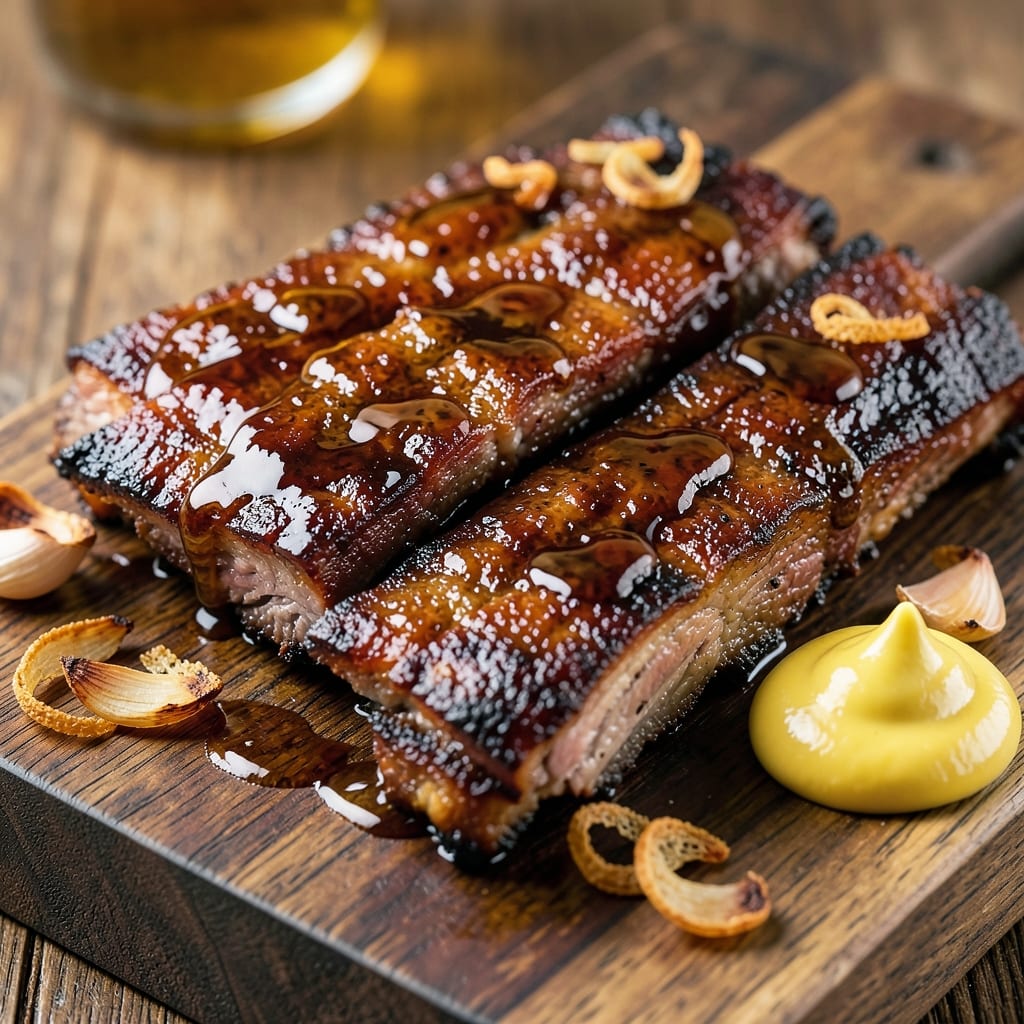
This beer marinated pork ribs recipe transforms tough cuts into fall-off-the-bone tenderness with a malty, caramelized crust that’ll have your guests begging for seconds. 🔥 I developed this method after years of perfecting competition-winning BBQ techniques—where the right beer isn’t just flavor, it’s the secret weapon that tenderizes while building that coveted bark. The key? A 24-hour marinade in a dark, malty ale paired with precise grilling at 225°F to render fat slowly and develop deep, smoky-sweet flavors.
The process starts with selecting the right ribs—St. Louis-style for tender meat or baby back for quicker cooking—and a beer with enough body to penetrate the meat. I swear by a bourbon barrel-aged stout for depth, but even a robust amber ale works. The marinade doesn’t just flavor; it breaks down collagen, ensuring ribs that shred with minimal effort. What sets this apart is the two-stage cooking method: low-and-slow for tenderness, then a high-heat finish to lock in juices and create that prized crisp bark.
By the time you serve these ribs—rested for 15 minutes to let juices redistribute—you’ll have a dish that’s restaurant-quality without the fuss. The beer’s maltiness carries through, balancing the smokiness, while the caramelized edges add texture that turns every bite into a revelation. This isn’t just BBQ; it’s a technique that elevates pork to its fullest potential, proving that great ribs start long before they hit the grill.
Pair with grilled corn on the cob, a tangy coleslaw, or my signature cornbread to complete the meal. The beer’s notes will shine even in the sides, creating a cohesive feast that tastes like it came from a pitmaster’s competition table. Here’s how to make ribs that’ll have everyone asking for the recipe—and your secret beer blend.
Ingredients for beer marinated pork ribs
Four pounds of ribs, two cups of bold beer, and a 24-hour marinade for ribs that'll impress any BBQ crowd.
| Ingredient | Amount | Notes |
|---|---|---|
| St. Louis-Style Pork Ribs 🥓 | 4 lb | Bone-in, meaty ends included |
| Dark Malt Beer 🍺 | 2 cups | Bourbon barrel-aged stout preferred |
| Brown Sugar 🍯 | ½ cup | Light or dark variety |
| Yellow Mustard 🍯 | ¼ cup | Dijon or whole-grain preferred |
| Worcestershire Sauce 🍶 | ¼ cup | Vegetarian version if needed |
| Garlic Cloves 🧄 | 6 cloves | Peeled, minced |
| Onion 🧅 | 1 whole | Yellow or red, chopped |
| Apple Cider Vinegar 🍎 | ¼ cup | For tangy depth |
| Smoked Paprika 🌶️ | 1 tbsp | For smoky bark |
| Ground Black Pepper 🌶️ | 1 tsp | Freshly cracked |
| Kosher Salt 🧂 | 1 ½ tbsp | Diamond Crystal preferred |
| Olive Oil 🫒 | ¼ cup | For grill application |
| Wood Chips 🌳 | 1 package | Hickory or cherry preferred |
The ribs are everything here—St. Louis-style for that meaty, tender payoff. Costco or local butcher shops usually carry them pre-cut, but if you're buying a whole rack, look for good meat-to-bone ratio. The beer? Bourbon barrel-aged stout is my go-to for depth, but Guinness or a robust amber ale works too. Avoid light lagers—they won't penetrate the meat. For the brown sugar, Muscovado adds molasses notes, but regular light brown sugar is fine. The mustard and Worcestershire are non-negotiable—they're the secret to that sticky, caramelized bark.
No bourbon barrel-aged stout? Dry stout or even a robust porter will work, but the bourbon adds that extra depth. Running short on mustard? Dijon plus a splash of apple cider vinegar mimics the tang. The Worcestershire can be swapped for soy sauce plus a pinch of sugar, though you'll lose some complexity. For the wood chips, hickory is classic, but cherry adds fruitiness. If you can't find them, mesquite works too. The olive oil is just for the final grill application—don't skip it, but don't overdo it either.
Marinate the ribs for at least 24 hours—this isn't optional. The longer they soak, the more tender they'll be. Store the marinade in a sealed container with the ribs in the fridge. The ribs themselves will keep in the fridge for 2 days uncooked. Once cooked, they reheat beautifully—just wrap in foil and bake at 300°F for 15 minutes. Leftovers? Portion into containers and freeze for up to 3 months. Trust me, these ribs taste even better the next day.
Why You'll Love This Recipe
- One-Pan Magic: I swear by this—just ribs, beer, and 20 minutes in the oven. No flipping, no basting, no stress. The beer does all the work while I sip my own glass.
- Sweet & Smoky Fixation: That dark malt beer brings deep caramel notes, and the brown sugar glaze? It turns every bite into a perfect balance of sticky, smoky, and just a little tangy. The mustard adds a bright kick that cuts through the richness.
- Tailgate to Tuesday: Between us, these ribs work for a Super Bowl crowd or a lazy night in. Serve them with baked beans and cornbread, or just pile them on toast with pickles. They’re the kind of dish that doesn’t judge your plans.
- Leftovers? Better Than Fresh: Here’s what sold me—the ribs actually taste better the next day. The beer marinade gets richer, the edges crisp up again when reheated, and they’re perfect for sandwiches or a quick breakfast hash. Budget-friendly? Absolutely.
Step-by-step instructions for beer marinated pork ribs
Here's how to transform tough ribs into tender, caramelized perfection with a malty beer glaze.
👨🍳 Step 1: Create the Beer Marinade
In a large bowl, whisk together the 2 cups dark malt beer, 0.5 cup brown sugar, 0.25 cup yellow mustard, 0.25 cup Worcestershire sauce, 0.25 cup apple cider vinegar, 1 tbsp smoked paprika, 1 tsp ground black pepper, and 1.5 tbsp kosher salt. This marinade packs a flavor punch with malty depth from the beer and a perfect balance of sweet, tangy, and smoky notes.
Next, add the 6 cloves minced garlic and 1 whole chopped onion to the marinade. Stir well to combine all ingredients thoroughly. The aromatics will infuse the marinade with their flavors, creating a complex base for your ribs. Let this mixture sit at room temperature for 10 minutes to allow the spices to bloom and the flavors to meld together.
🍳 Step 2: Coat and Marinate the Ribs
Place the 4 lb St. Louis-style pork ribs in a large resealable plastic bag or a shallow dish. Pour the marinade over the ribs, making sure each piece is fully coated. If using a bag, seal it tightly and massage the marinade into the meat—this ensures even flavor distribution. For best results, marinate the ribs in the refrigerator for at least 4 hours, or overnight if you can.
Here's the thing—marinating not only adds flavor but also helps tenderize the meat. The acidity from the apple cider vinegar and the beer begins to break down the muscle fibers, ensuring your ribs will be fork-tender when cooked. Don't skip this step, even if you're eager to get cooking!
🔥 Step 3: Prepare the Smoker
While the ribs marinate, set up your smoker. Fill the wood chip tray with the 1 package wood chips (hickory or cherry preferred) and soak them in water for 30 minutes before using. This prevents them from burning too quickly. Preheat your smoker to 225°F—this low-and-slow temperature is key for tender ribs.
Once the smoker reaches temperature, you'll see clean, blue smoke (not thick white smoke). This indicates the wood chips are burning properly and creating the perfect environment for your ribs. Place a water pan in the smoker to add moisture to the cooking environment, which helps prevent the ribs from drying out during the long cook.
🔥 Step 4: Smoke the Ribs Low and Slow
Remove the ribs from the marinade (reserve the marinade for basting) and pat them dry with paper towels—this step is crucial for developing that beautiful bark. Place the ribs meaty-side up on the smoker grates. Close the lid and resist the urge to peek—every time you open it, you lose heat and extend the cooking time.
Smoke the ribs for 3 hours, basting them with the reserved marinade every 45 minutes. This basting step is what gives your ribs that glossy, caramelized finish. After 3 hours, check the internal temperature with a meat thermometer—it should be around 165°F. If it's not there yet, continue smoking until it reaches this temperature.
🥘 Step 5: Wrap and Finish
Once the ribs reach 165°F, it's time to wrap them in butcher paper (not foil—paper allows for better bark development). Place the ribs on a tray lined with foil, then wrap them tightly in the butcher paper. Return them to the smoker and continue cooking until the internal temperature reaches 203°F—this is the "probe-tender" stage, where the ribs are so tender they practically fall apart.
This wrapping technique, known as the "Texas crutch," helps the ribs overcome the stall—a common cooking hurdle where the meat temperature plateaus. The ribs should take another 1.5 to 2 hours to reach 203°F, depending on your smoker. Once they do, remove them from the smoker and let them rest for 15 minutes before serving.
🍽️ Step 6: Serve with Crispy Bark
Unwrap the ribs and slice them between the bones into individual ribs. The bark should be deep mahogany in color with caramelized edges, and the meat should be fork-tender with a beautiful pink smoke ring. Serve immediately with your favorite sides—crusty bread soaks up the delicious juices beautifully.
Real talk: The first time you bite into these ribs, you'll understand why they're worth the wait. The combination of the malty beer glaze, smoky bark, and tender meat makes every bite unforgettable. Enjoy your perfectly marinated, smoked ribs!
Pro Tips For Making Beer Marinated Pork Ribs
- Trim the Fat First: St. Louis-style ribs have that thick fat cap—slice it off before marinating. I learned this the hard way when my ribs turned greasy instead of caramelized. A sharp knife and steady hand save you from a soggy mess later. ---
- Marinate Overnight (No Less): The beer needs time to penetrate those tough ribs. Skip the 4-hour "quick marinade" and let it sit 12+ hours—yes, even if you’re impatient. The brown sugar will cling better, and the ribs stay juicier when they hit the grill. ---
- Skip the Mustard on Bones: Yellow mustard on the bone side? It’ll burn. Brush it only on the meaty parts. After burning three batches, I finally figured out that the ribs’ natural sugars are enough—just focus the mustard where it counts. ---
- Start Hot, Then Baste: Sear the ribs over high heat first—get that crust locked in. Then, lower the temp, pull them off the grill, and baste with the leftover marinade. Does it look weird? Yes. Does it work? Every single time—the sauce sticks, and the ribs don’t dry out.
Regional styles of this dish
Southeast Carolina Style
In Charleston and the Lowcountry, ribs get a sweet-and-smoky twist using local ingredients like peach brandy in the marinade instead of just beer. I add ½ cup peach brandy to the beer marinade and swap ½ cup brown sugar for ½ cup honey—this creates a sticky, caramelized glaze that’s less bitter than traditional BBQ. The secret? Slow-cooking with hickory and cherry wood for that classic Carolina smoke, then finishing with a sprinkle of hot honey before serving. 🌶️
Texas-Style Pitmaster Twist
Texas pitmasters take beer-marinated ribs to the next level by adding ½ cup beef broth to the marinade and using mesquite wood for a bolder, earthier smoke. After the initial 225°F smoke, they wrap the ribs in butcher paper (not foil) with a splash of beer and apple cider vinegar inside the wrap. The key difference? Texas ribs are often cooked to 210°F internal temp for extra tenderness, then sliced thick for that "fall-apart" texture. I’ve seen championship-winning teams use this method with Guinness stout for depth. 🥓
Georgia Smoky Mountain Approach
Up in the Smoky Mountains, ribs get a bourbon-infused marinade—¼ cup bourbon replaces some of the beer in the original recipe. The mountain air keeps the smoke cleaner, so they rely on hickory and apple wood for a sweeter, fruitier flavor profile. After smoking, they brush the ribs with a bourbon glaze (equal parts bourbon and brown sugar) during the final hour. The result? A rib with layers of smoky, sweet, and boozy complexity that’s pure comfort food. 🍷
Atlanta BBQ Joint Hack
In Atlanta, the go-to shortcut is using baby back ribs instead of St. Louis-style for quicker cooking (about 2 hours less total time). The marinade gets a kick with 1 tbsp hot sauce and 1 tsp cayenne, then the ribs are smoked at 250°F instead of 225°F to speed up the process. The finish? A dry rub of brown sugar, smoked paprika, and cayenne applied right before serving for extra crunch. This is the method I use at The Smoky Pig—fast, flavorful, and crowd-pleasing. 🔥
North Carolina Vinegar Cut
North Carolina pitmasters cut the sweetness with extra apple cider vinegar—sometimes doubling the ¼ cup in the marinade—and using peach wood for a lighter smoke. The ribs are often unwrapped after the initial smoke to develop a darker, crispier bark, then finished with a vinegar-based mop (equal parts vinegar and beer) during the last hour. The result? A tangy, smoky rib with a sharp contrast to the sweet glaze. It’s a regional favorite at competitions. 🌟
Nutrition facts
Frequently asked questions
Can I use any beer for this recipe?
Not all beers work equally well. For best results, choose a dark malt beer like a stout, porter, or amber ale—they have enough body and maltiness to penetrate the meat. Light lagers or pilsners are too thin and won’t add enough flavor. My go-to is bourbon barrel-aged stout, but Guinness or a robust IPA also work beautifully.
How do I know when the ribs are fully cooked?
Use a meat thermometer to check the internal temperature. For tender ribs, aim for 203°F (probe-tender stage)—this is when they’ll practically fall apart. If you prefer slightly firmer ribs, 195°F works too. The bark should be deep mahogany with caramelized edges, and the meat should pull away from the bone easily.
What’s the deal with wrapping the ribs in butcher paper?
Butcher paper creates the perfect balance of moisture and bark development. Unlike foil, which can steam the ribs and soften the crust, paper lets the ribs breathe while retaining juices. After the initial 3-hour smoke, wrap them tightly with a splash of reserved marinade inside for that restaurant-quality texture.
Can I make these ribs in an oven instead of a smoker?
Preheat your oven to 225°F and use a water pan for moisture. Place the ribs on a rack over the pan, then follow the same smoking steps (basting every 45 minutes). For smoke flavor, add soaked wood chips to a foil tray and place them on the oven rack below the ribs. The total cook time will be similar, just monitor the temperature closely.
Why do my ribs turn out dry or tough?
Most often, this happens from cooking too fast or not enough time at low heat. The key is patience—ribs need 225°F for 3+ hours before wrapping. Also, never skip the 15-minute rest after cooking, or juices will spill out. If you’re short on time, try baby back ribs (they cook faster) or lower the oven temp to 200°F for extra tenderness.