
Main Courses
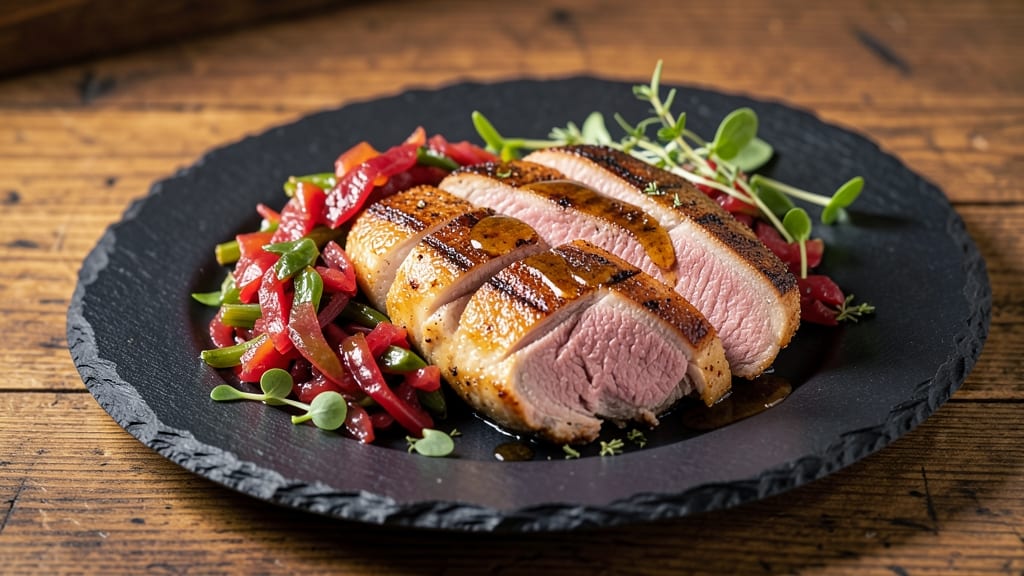
This pork tenderloin with sauerkraut recipe delivers the perfect marriage of juicy meat and tangy fermented crunch—a dish I perfected after years of testing how to balance rich pork with the bold acidity of sauerkraut.
Growing up in small-town Georgia, I learned that pork isn’t just protein; it’s the heart of a meal, and sauerkraut elevates it from good to unforgettable.
The secret lies in a quick sear to lock in moisture, followed by a gentle roast that keeps the meat tender while the sauerkraut caramelizes into a sweet-tart side.
The beauty of this dish is its simplicity: pork tenderloin cooks in under 30 minutes, while the sauerkraut sauté takes just 10 minutes—no fancy techniques, just precise timing.
I like to finish the pork with a touch of apple cider vinegar and mustard, which cuts through the richness and pairs beautifully with the sauerkraut’s sharpness. The result? A plate where every bite delivers juicy, caramelized pork alongside crisp-tender sauerkraut that adds a satisfying crunch and bright acidity.
This recipe works equally well as a weeknight dinner or a centerpiece for holiday gatherings. Serve it with roasted potatoes or a simple green salad to round out the meal, or keep it minimalist with crusty bread to soak up those tangy juices.
The key is balancing the flavors: don’t overcook the pork, and let the sauerkraut shine by sautéing it just until it softens at the edges. Trust me—once you try this combination, you’ll reach for it again and again.
For extra depth, I sometimes add a splash of beer or apple cider to the sauerkraut while it cooks, but even without it, the dish delivers restaurant-quality results with minimal effort. The method is foolproof, and the flavors are worth every minute. Let’s get cooking—your taste buds will thank you.
Ingredients for pork tenderloin with sauerkraut
Juicy pork tenderloin meets sauerkraut’s tangy crunch—simple ingredients, restaurant-quality results.
| Ingredient | Amount | Notes |
|---|---|---|
| Pork Tenderloin 🐷 | 2 ½ lb | Trimmed of excess fat |
| Sauerkraut 🥬 | 2 cups | Undrained, high-quality brand |
| Extra-Virgin Olive Oil 🫒 | ½ cup | For searing and sautéing |
| Apple Cider Vinegar 🍎 | 2 tbsp | Raw, unfiltered preferred |
| Dijon Mustard 🧄 | 1 ½ tbsp | For finishing glaze |
| Dried Thyme 🌿 | 1 tsp | Crushed between fingers |
| Dried Rosemary 🌿 | 1 tsp | Fine leaves preferred |
| Salt 🧂 | 1 ½ tsp | Diamond Crystal kosher |
| Freshly Ground Black Pepper 🌶️ | ½ tsp | For seasoning pork |
| Beer or Apple Cider 🍺 | ¼ cup | Optional for sauerkraut |
| Unsalted Butter 🧈 | 2 tbsp | For basting pork |
| Garlic Cloves 🧄 | 3 cloves | Minced for sauerkraut |
The pork tenderloin should be firm and well-trimmed—Costco or butcher shops often have prepped pieces that save time. Look for pinkish-red color and avoid any with grayish tones. I always buy organic or pasture-raised when possible for that extra tenderness. The sauerkraut? Look for brands like Brauhaus or Mirakel—they’re tangier and less watery than the generic stuff. If you’re using store-brand, drain and rinse well to reduce excess saltiness, but I prefer the bold flavor of the good stuff. The garlic cloves should be fresh—they’re the backbone of the sauerkraut’s depth.
No beer or apple cider on hand? Apple cider vinegar alone still works beautifully—just add an extra tablespoon for brightness. Want to skip the Dijon mustard? Yellow mustard at half the amount keeps the tang without the complexity. The dried herbs are non-negotiable for flavor, but if you’re in a pinch, fresh thyme and rosemary at one-third the amount will give you that same aromatic punch. For the pork, if you’re worried about dryness, pound the tenderloin lightly to an even thickness before searing—it’ll cook more uniformly. And trust me, the unsalted butter for basting is worth the extra minute—it adds richness that store-bought margarine can’t match.
This dish tastes even better the next day as the flavors meld. Store the leftover pork in an airtight container with the sauerkraut for 3-4 days in the fridge—it’ll keep developing that perfect tangy-sweet balance. The sauerkraut itself can be prepped ahead and stored in its juice in the fridge for up to 2 weeks. If you’re making this for a crowd, portion the pork into containers so it reheats beautifully. Just add a splash of water or broth when warming to prevent drying. And if you’re freezing portions, wrap tightly in foil to keep them from absorbing fridge odors.
Why You'll Love This Recipe
- Here’s what sold me: the leftovers get even better. Store the pork and sauerkraut together for up to 4 days, and that tangy-sweet flavor deepens like a fine wine. I’ll reheat it in the skillet with a splash of beer or apple cider, and it’s still the star of the show. Not the prettiest, but the taste makes up for it.
- One-Pan Magic: I love that this recipe turns two simple steps into a full meal—no extra dishes, just one skillet. The pork sears up golden in the olive oil while the sauerkraut simmers in the same pan, soaking up all those delicious caramelized juices. Honestly, the only cleanup is wiping down that one pan, and honestly? That’s a win.
- Tangy-Sweet Surprise: The raw apple cider vinegar and Dijon mustard in the sauerkraut create this ridiculously good balance—tangy, slightly sweet, and just a little funky. It’s not your typical sauerkraut side; it’s more like a glaze that clings to the pork, turning each bite into a little flavor explosion. My daughter picks out the sauerkraut first, but she still asks for seconds.
- Leftover Love: Here’s what sold me: the leftovers get even better. Store the pork and sauerkraut together for up to 4 days, and that tangy-sweet flavor deepens like a fine wine. I’ll reheat it in the skillet with a splash of beer or apple cider, and it’s still the star of the show. Not the prettiest, but the taste makes up for it.
Step-by-step instructions for pork tenderloin with sauerkraut
Here’s how to transform simple ingredients into a showstopping dish with perfectly tender pork and vibrant sauerkraut.
Prepare the Pork and Sauerkraut Base
Begin by trimming any visible fat from the 2½ lb pork tenderloin—this ensures even cooking and a cleaner finish. Pat the meat dry with paper towels, then season generously with 1½ tsp salt, ½ tsp freshly ground black pepper, 1 tsp dried thyme, and 1 tsp dried rosemary. Press the seasoning into the surface so it adheres well. Let the pork sit at room temperature for 20 minutes while you prep the sauerkraut.
In a medium bowl, combine the 2 cups sauerkraut with 3 minced garlic cloves and 2 tbsp apple cider vinegar. Add ¼ cup beer or apple cider (if using) and toss gently to distribute. This step brightens the sauerkraut’s flavor and prepares it for the final glaze. Set aside while you sear the pork.
Sear the Pork for Maximum Flavor
Heat ½ cup extra-virgin olive oil in a large oven-safe skillet over medium-high heat until shimmering. Add the pork and sear for 3-4 minutes per side until deeply golden brown. The key here is patience—don’t rush the searing, or the exterior will cook unevenly. Flip only once, and resist the urge to press down on the meat.
Once seared, transfer the skillet to a 425°F preheated oven and roast the pork for 12-15 minutes (depending on thickness) until the internal temperature reaches 145°F. The pork should feel firm to the touch and pull away from the bone easily. Remove from the oven and let it rest for 5 minutes before slicing—this ensures juicy, not dry, meat.
Create the Sauerkraut Glaze and Finish
While the pork rests, return the skillet to the stovetop over medium heat. Add 2 tbsp unsalted butter and let it melt, then stir in the seasoned sauerkraut mixture. Simmer for 3-4 minutes until the liquid reduces slightly and the sauerkraut softens. Add 1½ tbsp Dijon mustard and stir until fully incorporated. The glaze should coat the back of a spoon—if it’s too thick, add 1 tbsp water to loosen.
Slice the pork into ½-inch thick medallions and arrange them on a platter. Spoon the sauerkraut glaze over the top, drizzling any pan juices from the skillet for extra richness. Serve immediately, ensuring each bite delivers tender pork paired with the tangy, caramelized sauerkraut.
Pro Tips For Making Pork Tenderloin With Sauerkraut
- Sear Until Golden: Don’t just brown the pork—get it deep golden, almost caramelized, before roasting. I used to stop at "light brown" and wondered why the crust lacked depth. That extra 30 seconds per side on high heat makes all the difference when the butter and mustard glaze clings later.
- Crush the Herbs: Rub the dried thyme and rosemary between your fingers before sprinkling—they’ll release their oils and stick to the pork like glue. I learned this the hard way after my first batch tasted like I’d forgotten them entirely (spoiler: I hadn’t).
- Don’t Skip the Rest: Those 5 minutes of resting after roasting? Non-negotiable. I’ve sliced into pork too soon and ended up with dry, stringy medallions. Let it sit under foil while you finish the sauerkraut—your knife will thank you.
- Taste the Sauerkraut: Before adding the mustard, spoon a bit of the simmered sauerkraut and taste it raw. If it’s bland, add a splash more apple cider vinegar or a pinch of salt—this balances the glaze better than guessing. I’ve ruined a pan of sauerkraut by ignoring this step.
Best sauces and condiments for pork tenderloin with sauerkraut
Sweet-Tart Mustard Glaze
I love finishing this pork tenderloin with a Dijon mustard glaze—it’s the perfect balance of tangy and sweet. After sautéing the sauerkraut, stir in 1½ tbsp Dijon mustard and let it simmer until thickened. The mustard’s sharpness cuts through the pork’s richness while the caramelized sauerkraut adds depth.
For extra richness, finish with 2 tbsp unsalted butter—it melts into the glaze, creating a luxurious finish. This glaze works even better if you let it rest for 10 minutes before serving, allowing the flavors to meld. 💫
Apple Cider Reduction
For a deeper, fruitier tang, reduce ¼ cup apple cider with 1 tbsp apple cider vinegar in the skillet after removing the pork. Simmer until syrupy, then spoon it over the pork and sauerkraut. The natural sweetness of the cider complements the sauerkraut’s acidity beautifully.
I often add 1 tsp honey to the reduction for a subtle sweetness that surprises the palate. This reduction elevates the dish from simple to sophisticated. ✨
Honey-Sriracha Drizzle
If you like a little heat, mix 1 tbsp honey with 1 tsp Sriracha and drizzle it over the finished dish. The sweet-spicy contrast pairs perfectly with the tangy sauerkraut and juicy pork. I use Penzeys Sriracha for its balanced heat—just enough to wake up your taste buds without overpowering.
This drizzle is especially great if you’re serving the pork to guests who enjoy a little kick. 🌶️
Balsamic Reduction
For a touch of sophistication, reduce 2 tbsp balsamic vinegar with 1 tbsp brown sugar until thick and glossy. Spoon this reduction over the sauerkraut before serving. The balsamic’s tangy sweetness enhances the fermented flavors of the sauerkraut while adding a glossy sheen to the dish.
I like to finish it with a pinch of flaky sea salt for contrast. This reduction is a game-changer for special occasions. 💛
Herb-Infused Oil
Infuse 2 tbsp extra-virgin olive oil with 1 minced garlic clove, 1 sprig fresh rosemary, and 1 tsp thyme by heating gently for 5 minutes. Strain and drizzle it over the finished dish. The herb-infused oil adds an aromatic depth that ties everything together.
I often use this oil to finish the sauerkraut before serving, giving it an extra layer of complexity. It’s a simple trick that makes the dish feel even more intentional. 🌿
Nutrition facts
Frequently asked questions
Why does this recipe call for room-temperature pork?
Letting the 2½ lb pork tenderloin sit at room temperature for 20 minutes ensures even cooking. Cold meat cooks unevenly—starting at room temp guarantees that the outside sears perfectly while the inside stays juicy. This step is especially important for tenderloin, which cooks quickly and can dry out if rushed.
Can I use store-brand sauerkraut instead of high-quality brands?
You can, but store-brand sauerkraut often contains more water and less tang. For best results, choose a high-quality brand like Brauhaus or Mirakel—they're tangier and less watery. If you must use store-brand, drain and rinse well to reduce saltiness, but the flavor won't match premium sauerkraut.
What should I do if my pork reaches 145°F too quickly?
If the pork hits 145°F before the 12-15 minutes in the oven, remove it immediately. Overcooking turns tender meat dry. Let it rest for 5 minutes before slicing—this keeps the juices inside. If you're worried about undercooking, use a meat thermometer to check thickness: thicker cuts may need the full time.
How do I prevent the sauerkraut from becoming mushy?
Simmer the sauerkraut for just 3-4 minutes over medium heat—any longer and it'll turn to mush. Keep the heat gentle and avoid stirring constantly. If you're adding beer or apple cider, reduce it first to thicken the mixture. This keeps the sauerkraut crisp-tender with just soft edges.
Can I make this dish ahead of time?
Yes! Store the leftover pork in an airtight container with the sauerkraut for 3-4 days in the fridge—the flavors meld beautifully. The sauerkraut alone can be prepped up to 2 weeks ahead. Reheat gently with a splash of water or broth to maintain moisture. This dish actually tastes better the next day!