
Sauces & Condiments
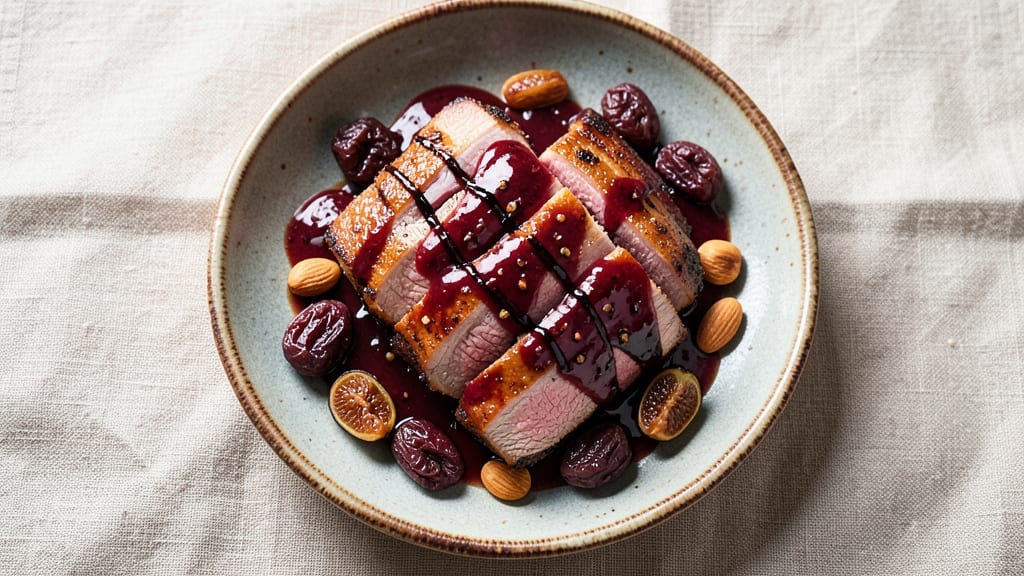
This Carrabba's pork tenderloin with fig sauce recipe brings restaurant-quality flavor to your home kitchen. The secret lies in a sweet-tart fig reduction that caramelizes beautifully over seared pork, creating a balance of rich figs and bright acidity.
I've perfected this technique after years of working with pork—from brining to resting times—that ensures tender, juicy meat every time.
The fig sauce transforms simple pork into something extraordinary. Using dried figs, balsamic vinegar, and a splash of red wine, we build layers of flavor through slow reduction. The sauce isn't just sweet—it's complex, with notes of caramelized fruit and subtle spice that complement the pork's natural richness.
This is the kind of dish that elevates weeknight dinners without requiring hours in the kitchen.
What makes this recipe work is precision: a properly brined pork tenderloin seared to a golden crust, then finished in the oven to maintain moisture. The fig sauce comes together in just 15 minutes while the pork roasts, making it a perfect one-pan meal.
The result is tender, flavorful pork with a glossy glaze that's impossible to resist.
Serve with polenta or roasted vegetables to complete the meal. The sauce pairs beautifully with the earthy textures of these sides, creating a balanced plate that feels both comforting and refined. This is the kind of recipe that turns simple ingredients into something memorable—exactly what Carrabba's does so well.
Ingredients for carrabba's pork tenderloin with fig sauce
Restaurant-quality pork tenderloin with a sophisticated fig sauce—simple ingredients, refined technique.
| Ingredient | Amount | Notes |
|---|---|---|
| Pork Tenderloin 🥩 | 1 ½ lb | Center-cut, trimmed of silver skin |
| Dried Figs 🍇 | ½ cup | Chopped into small pieces |
| Balsamic Vinegar 🍷 | ¼ cup | Aged, high-quality preferred |
| Red Wine 🍷 | ½ cup | Bold, dry variety like Cabernet |
| Granulated Sugar 🍚 | 2 tbsp | For balancing acidity |
| Kosher Salt 🧂 | 1 ½ tbsp | Diamond Crystal preferred |
| Black Peppercorns 🌶️ | 1 tsp | Freshly cracked preferred |
| Garlic Cloves 🧄 | 4 cloves | Smashed, not minced |
| Olive Oil 🫒 | 2 tbsp | Extra-virgin for high heat |
| Fresh Rosemary 🌿 | 2 sprigs | For brining, stems removed |
| Fresh Thyme 🌿 | 2 sprigs | For brining, leaves stripped |
| Butter 🧈 | 2 tbsp | Unsalted, for basting |
The pork tenderloin makes or breaks this dish. Center-cut is crucial—avoid the ends, which can be tough. Look for pieces with good marbling, not too lean. Whole Foods or local butchers often carry premium cuts. Trim any silver skin before brining, as it can make the meat tough. For the figs, dried Mission figs work best—they caramelize beautifully without becoming mushy. If you can't find them, Calimyrna figs are a good substitute, though they're pricier. The balsamic and red wine should be high-quality; aged balsamic adds depth to the sauce, while a bold Cabernet or Merlot complements the figs' sweetness.
No aged balsamic? White balsamic vinegar works in a pinch, though the flavor will be sharper. Substituting red wine with dry vermouth or even apple cider keeps the acidity balanced. For the sugar, honey or maple syrup can replace granulated, but reduce to 1.5 tbsp to avoid excess sweetness. Fresh herbs are ideal, but dried rosemary and thyme at half the amount will work if needed. The olive oil must be extra-virgin—regular olive oil lacks the fruity notes that elevate the sauce. If you're short on time, pre-chopped dried figs from the baking aisle save prep work, though fresh chopped is superior. The butter should be unsalted to control seasoning precisely.
The pork tenderloin brines best overnight, but even 4 hours improves tenderness significantly. Store it in the fridge in a sealed container. Dried figs keep indefinitely in a cool, dark place, while fresh herbs should be wrapped in damp paper towels and refrigerated for up to 5 days. The fig sauce can be made 2 days ahead—it actually tastes better as the flavors meld. Portion the sauce into small jars for easy reheating. Leftover pork reheats beautifully in a 350°F oven for 10-15 minutes, covered with foil. For a crowd, double the recipe—the sauce scales perfectly, and pork tenderloin cooks quickly even in larger quantities.
Why You'll Love This Recipe
- One-Pan Magic: I swear by this recipe—just sear the pork, toss in the figs and wine, and let it all simmer. No chopping mountains of veggies, no fussing with multiple pans. That rich balsamic-wine sauce basically makes itself while you sip your glass of red.
- Sweet-Savory Bliss: The figs caramelize into this sticky, jammy sauce that balances the pork’s savory edge. Honestly, the first time I tasted it, I nearly spilled my wine. It’s the kind of dish that makes you want to lick the plate—after your guests are done, of course.
- Weeknight to Weekend: This cuts through the monotony of dinner routines. Use it for a lazy Tuesday night with crusty bread, or impress guests at a dinner party—same recipe, different vibes. The fig sauce even plays well with roasted potatoes or mashed sweet potatoes if you’re feeling extra.
- Leftovers That Don’t Suck: Most pork dishes dry out the second day, but not this one. The sauce keeps the meat juicy, and the sweet-tangy fig glaze turns cold slices into sandwich-worthy magic. I’ve reheated portions for breakfast hash—yes, really—and no one batted an eye. Budget win, flavor win.
Step-by-step instructions for Carrabba's pork tenderloin with fig sauce
Master this restaurant-quality technique for juicy pork paired with a velvety fig reduction.
Prepare the Herb Brine for Maximum Tenderness
In a large bowl, combine 4 cups cold water, the 1.5 tablespoons kosher salt, 1 teaspoon cracked black peppercorns, 2 sprigs fresh rosemary (leaves stripped), and 2 sprigs fresh thyme (leaves stripped). Stir until the salt and herbs dissolve completely. Submerge the 1.5 lb pork tenderloin in the brine and refrigerate for 1-2 hours.
This step ensures the pork remains impossibly tender while developing deep herbal notes. The brine also helps the fig sauce cling beautifully to the meat. Don't skip this—it's what transforms good pork into exceptional pork. After brining, pat the meat dry with paper towels, removing all surface moisture for optimal searing.
Sear the Pork to Perfection
Preheat your oven to 425°F and heat 2 tablespoons olive oil in a large oven-safe skillet over medium-high heat until shimmering. Season the pork generously with additional salt if needed, then add it to the skillet. Sear for 3-4 minutes per side until developing a deep golden-brown crust.
Here's the thing—you want that crust to form before transferring to the oven. The pork should release from the skillet with gentle pressure, indicating proper doneness at the edges. Remove the pork and let it rest on a cutting board while you prepare the fig sauce. If you cut into it too soon, all those precious juices will escape.
Create the Fig Reduction Sauce
In the same skillet (no need to clean it—those browned bits are flavor gold), add the 4 smashed garlic cloves and cook for 30 seconds until fragrant. Pour in the 0.5 cup red wine and scrape up any browned bits from the bottom. Simmer for 2-3 minutes until reduced by half.
Add the 0.5 cup chopped dried figs, 0.25 cup balsamic vinegar, and 2 tablespoons granulated sugar. Stir well and simmer for 5-6 minutes until the figs soften and the sauce thickens to a glossy consistency. Taste and adjust seasoning with additional salt if needed. The sauce should balance sweet, tart, and savory notes perfectly.
Finish the Pork and Combine
Return the skillet with the fig sauce to the stovetop and add the 2 tablespoons butter. Swirl to melt and coat the sauce, then return the pork to the skillet. Spoon the sauce over the pork and let it baste for 1-2 minutes off the heat, allowing the flavors to meld.
Transfer the pork to a cutting board and tent loosely with foil. Let it rest for 5-10 minutes before slicing into ½-inch thick medallions. The resting period ensures perfect juiciness in every bite. Serve the pork topped with the fig sauce, drizzled generously over the top and alongside. The sauce should coat the meat beautifully, enhancing its natural richness.
Plate and Serve with Confidence
Arrange the pork medallions on warm plates and ladle the remaining fig sauce around them. Garnish with additional chopped figs if desired. This dish serves 4 generous portions, making it perfect for weeknight dinners that feel like a restaurant experience.
Each bite should deliver perfectly tender pork with a crispy exterior, complemented by the sweet-tart fig sauce. The balance of flavors—rich pork, jammy figs, and bright balsamic—creates a harmonious dish that's both elegant and approachable. Serve with roasted vegetables or crusty bread to complete the meal.
Pro Tips For Making Carrabba'S Pork Tenderloin With Fig Sauce
- SEAR THE PORK HARD: Get that pan screaming hot—cast iron or stainless steel—before adding the pork tenderloin. I used to rush this, and the meat would steam instead of develop that golden crust. Two minutes per side, no moving it around, is what locks in flavor. (Yes, even if you’re impatient like me.)
- SOAK FIGS IN WARM WINE: Toss dried figs in a splash of warm red wine for 10 minutes before adding them to the sauce. Cold wine makes them tough; warm wine softens them and pulls out their sweetness faster. Skip this, and your figs might just sit like raisins in a puddle.
- DEGLAZE WITH PATIENCE: After searing the pork, let those browned bits cool for 30 seconds before adding liquid. Scraping with a wooden spoon works, but a splash of balsamic vinegar first loosens the fond better than wine alone. I learned this the hard way—rushing it means a thinner, less flavorful sauce.
- SUGAR FIRST, THEN BALSAMIC: Toss the sugar into the pan before the balsamic vinegar—let it caramelize just a little. The acid in the vinegar will mellow out the sharpness of the sugar’s burn, but that quick caramel adds depth. Sounds weird, but it works: the sauce tastes richer, not just sweet.
Troubleshooting your carrabba's pork tenderloin with fig sauce
Pork Too Dry?
Overcooking is the #1 culprit for dry pork tenderloin. Use a meat thermometer—the safe internal temp is 145°F. I've seen home cooks pull pork at 160°F+ because they're nervous about undercooking.
Trust the thermometer and remove it at 145°F—it'll carry over to 150°F while resting. The fig sauce actually helps mask dryness slightly, but prevention is better than cure.
Sauce Too Thin?
If your fig sauce isn't thickening enough, reduce it longer or add 1 tsp cornstarch mixed with 1 tbsp water to the simmering sauce. Stir constantly for 2-3 minutes until it reaches your desired consistency.
I've had this happen when using overly ripe figs—they release more moisture during cooking. For extra insurance, simmer uncovered to evaporate excess liquid faster. 🔥
Brine Not Working?
Cold water is key for proper brining. If your pork isn't absorbing flavor, check your brine temperature—it should be 40°F or below. I've had brines fail when using warm water because the pork cooks slightly during the process.
Also ensure you're using Diamond Crystal kosher salt (it's coarser and dissolves better). For extra insurance, make your brine in a non-reactive container like glass or stainless steel.
Fig Sauce Too Sweet?
Balance is everything with this sauce. If it tastes cloying, add 1 tbsp fresh lemon juice or a splash of red wine vinegar to cut the sweetness. I've had this happen when using overly sweet dried figs.
The acidity helps restore the proper sweet-tart balance. Taste as you go—remember, you can always add more acid but can't take it out. 💫
Pork Sticking?
This usually means the pork wasn't dry enough after brining. Pat it thoroughly with paper towels before searing—don't skip this step! I've had pork stick when rushed through the drying process. For extra insurance, let the pork sit at room temperature for 15-20 minutes before cooking.
This helps the crust form more evenly and prevents sticking. Use enough high-heat oil too—2 tbsp extra-virgin olive oil is perfect for a 1.5 lb tenderloin.
Fig Sauce Too Tart?
If your sauce tastes overly acidic, add a pinch of sugar or a small amount of honey to balance. I've had this happen when using overly aged balsamic vinegar. The key is using a high-quality aged balsamic (like San Marzano) that has complex flavors rather than sharp acidity.
Also ensure your red wine is dry—not sweet—varieties like Cabernet Sauvignon work best. The figs should provide natural sweetness to balance the acidity. 🍷
Nutrition facts
Frequently asked questions
Can I substitute fresh figs for dried in the sauce?
Fresh figs work beautifully but require adjustment! Use 1 cup chopped fresh figs instead of 0.5 cup dried, and reduce the sugar to 1 tablespoon since fresh figs are naturally sweeter. Simmer for 3-4 minutes less as they soften faster. The sauce will have a brighter, fruitier profile.
How do I adjust this recipe for a crowd?
Double the pork to 3 lb and scale the sauce ingredients proportionally. Use 1 lb dried figs, 1 cup balsamic, and 1 cup red wine. Cook the pork in batches to maintain even searing. The fig sauce can be made in a large pot and reheated with a splash of water if needed.
What's the best way to reheat leftovers?
Slice the pork and store with sauce separately. Reheat pork in a 350°F oven for 10-15 minutes on a wire rack (keeps it crispy). Warm sauce on the stovetop over medium-low heat for 3-4 minutes, stirring occasionally. Never microwave—it ruins the texture!
Can I make this ahead of time?
Brine the pork up to 24 hours ahead (store covered in fridge). The fig sauce can be made 2 days ahead—it actually improves as flavors meld. Reheat sauce gently before serving. For the pork, sear and roast just before serving to maintain perfect texture.
What wine works best if I don't have Cabernet?
Use a dry red like Merlot, Pinot Noir, or even Zinfandel. Avoid sweet wines—you want the acidity to balance the figs' sweetness. For non-alcoholic, substitute with apple cider vinegar or grape juice (reduce by 1 tbsp).