
Main Courses
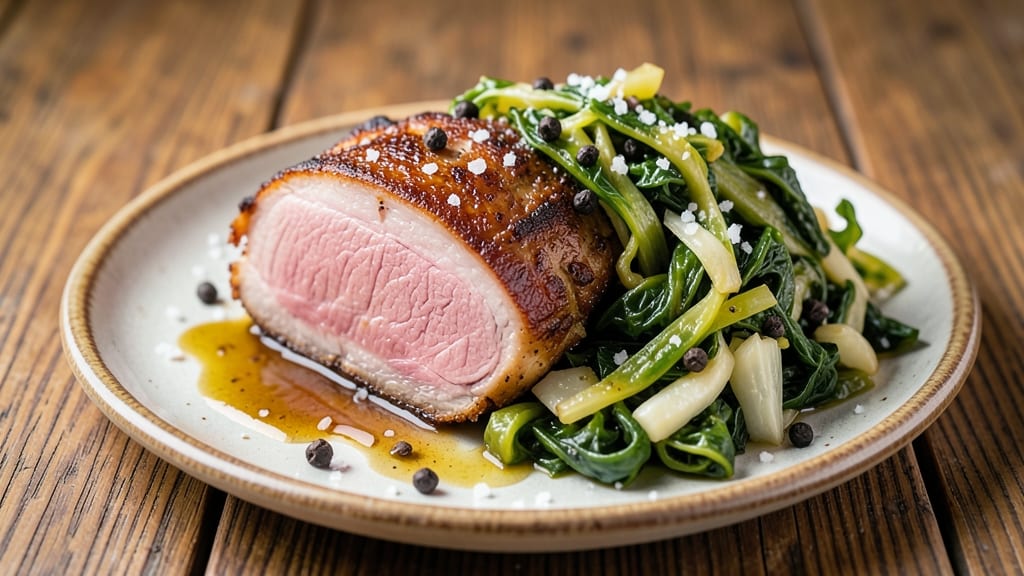
This pork tenderloin with sauerkraut recipe delivers a perfect marriage of crispy-skinned pork and tangy, fermented cabbage—a dish where every bite balances rich protein with bright acidity.
The secret lies in searing the tenderloin until golden and caramelized while letting the sauerkraut's natural flavors shine through, whether pan-fried or served alongside. I developed this recipe after years of testing how to elevate simple proteins with fermented sides, and the results are restaurant-worthy without the fuss.
The beauty of this dish is its versatility—you can serve the sauerkraut as a quick pan-fried side or let it simmer gently with the pork for deeper flavor integration.
A 30-minute cook time makes it ideal for weeknight dinners, while the crispy exterior and tender interior ensure every cut is satisfying. The sauerkraut's tang cuts through the richness of the pork, creating a harmony that feels both comforting and sophisticated.
What you'll achieve is a plate where the pork's caramelized crust contrasts beautifully with the sauerkraut's chewy texture and sharp flavor. Pair it with roasted potatoes or a simple cabbage salad for a complete meal that's hearty yet balanced.
This isn't just another pork recipe—it's a method that transforms a basic protein into something memorable with minimal effort.
The key to success is proper seasoning and timing—don't skip the resting period after cooking, as it ensures juicy meat. Whether you're feeding a family or treating yourself to a special meal, this recipe delivers on both texture and flavor.
Let's get started on creating that perfect balance of crispy, tender, and tangy.
Ingredients for pork tenderloin and sauerkraut
Pork tenderloin meets sauerkraut in this restaurant-quality dish with crispy skin and tangy balance.
| Ingredient | Amount | Notes |
|---|---|---|
| Pork Tenderloin 🐷 | 2 lb | Trimmed of excess fat |
| Sauerkraut 🥬 | 2 cups | Undrained, high-quality fermented |
| Extra-Virgin Olive Oil 🫒 | ½ cup | For searing pork tenderloin |
| Dijon Mustard 🍯 | 1 tbsp | For marinade and flavor depth |
| Freshly Ground Black Pepper 🌶️ | 1 ½ tsp | Freshly ground for optimal flavor |
| Diamond Crystal Kosher Salt 🧂 | 2 tsp | For seasoning and crust formation |
| Fresh Garlic Cloves 🧄 | 4 cloves | Minced for aromatic base |
| Fresh Apple Cider Vinegar 🍎 | 2 tbsp | Enhances sauerkraut tanginess |
| Brown Sugar 🍚 | 1 tbsp | Balances acidity in sauerkraut |
| Fresh Thyme Leaves 🌿 | 1 tbsp | Dried thyme at 1/3 amount |
| Unsalted Butter 🧈 | 2 tbsp | For finishing pork tenderloin |
| Fresh Rosemary Sprigs 🌱 | 2 sprigs | For aromatic depth |
The pork tenderloin is the star here—always opt for organic, pasture-raised when possible, as it yields superior texture and flavor. Trim excess fat for even cooking, and pat the meat dry before seasoning to ensure a perfect sear. For sauerkraut, look for brands like Trader Joe's or Miracle—they offer the right balance of tang and fermentation without added sugars. The high-quality fermented cabbage is essential for achieving that authentic, sharp flavor that cuts through the richness of the pork tenderloin. Professional kitchens often use whole-leaf thyme and rosemary for aromatic depth, so don't substitute dried herbs unless necessary.
Need substitutions? Dried thyme at one-third the amount works in a pinch, but fresh is ideal. For the apple cider vinegar, white wine vinegar or lemon juice can be used, though the flavor profile will differ slightly. If you're short on brown sugar, honey or maple syrup at half the quantity will balance the acidity. The pork tenderloin can also be substituted with chicken tenderloin or duck breast, though the cooking times will vary. For a gluten-free option, ensure your Dijon mustard is certified, as some brands contain barley malt.
This dish reheats beautifully, with the sauerkraut's flavors intensifying over time. For optimal storage, separate the pork and sauerkraut after cooking—the pork can be refrigerated for up to 3 days while the sauerkraut keeps for 5 days in an airtight container. Both components freeze exceptionally well, with the pork maintaining its texture for up to 3 months and the sauerkraut retaining its tang for 6 months. To serve, simply reheat the pork in a skillet with a splash of water or broth, and warm the sauerkraut gently in a saucepan with a bit of its own liquid.
Why You'll Love This Recipe
- Here’s what sold me: this recipe thrives as leftovers. Reheat the pork tenderloin slices in a skillet with a splash of apple cider vinegar and a pat of butter, and it’ll taste just as good the next day. The sauerkraut? Even better after a day—those flavors meld into something richer. Pack it for lunches, freeze portions, or turn it into sandwiches. Zero waste, zero guilt.
- One-Pan Weeknight Win: I’ll be real—this is the kind of dish where you’re not spending hours in the kitchen. The pork tenderloin sears in minutes, then finishes in the oven while the sauerkraut sizzles away in the same pan. No scrubbing three dishes, no frantic last-minute prep. Just a little olive oil, a sprinkle of salt, and boom—you’ve got a restaurant-worthy meal before bedtime.
- Crispy-Sweet Contrast Magic: That first bite? The crunch of the seared pork tenderloin crust meets the tangy, caramelized sauerkraut—it’s like a flavor dance. The Dijon mustard and fresh garlic in the marinade give it depth, while the brown sugar in the sauerkraut balances the vinegar’s bite. It’s the kind of dish where every texture and flavor layer feels intentional, not forced.
- Leftovers That Shine: Here’s what sold me: this recipe thrives as leftovers. Reheat the pork tenderloin slices in a skillet with a splash of apple cider vinegar and a pat of butter, and it’ll taste just as good the next day. The sauerkraut? Even better after a day—those flavors meld into something richer. Pack it for lunches, freeze portions, or turn it into sandwiches. Zero waste, zero guilt.
Step-by-step instructions for pork tenderloin with sauerkraut
Here's the method that delivers restaurant-quality balance between crispy skin and tender meat.
Prepare the Pork Tenderloin for Crispy Perfection
Begin by trimming any visible fat from the 2 lb pork tenderloin using a sharp chef's knife. Pat the meat completely dry with paper towels—this step is critical for achieving that crispy exterior. Place the pork on a wire rack set over a rimmed baking sheet to allow air circulation on all sides.
In a small bowl, whisk together the 1 tbsp Dijon mustard, 2 tbsp fresh apple cider vinegar, 1 tbsp brown sugar, 1 tbsp fresh thyme leaves, and the 2 fresh rosemary sprigs (lightly bruised between your fingers). This marinade will infuse flavor while helping to tenderize the meat. Rub this mixture evenly over the entire surface of the pork, pressing gently to ensure full coverage.
Season immediately with the 2 tsp diamond crystal kosher salt and 1½ tsp freshly ground black pepper. Let the pork sit at room temperature for 30 minutes while you prepare the sauerkraut. This resting period ensures even cooking throughout.
Sear the Pork Tenderloin for Maximum Flavor
Heat a heavy skillet (cast iron works best) over medium-high heat until it's very hot. Add the ½ cup extra-virgin olive oil and swirl to coat the pan evenly. Place the pork tenderloin in the pan and sear for 3-4 minutes on each side until it develops a deep golden-brown crust. Press down gently on the fillet during the first minute—this prevents it from curling and ensures even contact with the pan.
Remove the pork from the skillet and set it aside on a clean plate. The internal temperature should now read approximately 145°F. Here's the thing—this initial sear locks in juices while building that flavorful crust that's essential for our crispy finish.
In the same skillet, reduce heat to medium and add the 4 minced fresh garlic cloves. Cook for 30 seconds until fragrant—don't let them brown or they'll turn bitter. Remove the skillet from heat and set aside temporarily.
Cook the Sauerkraut Until Tangy and Sweet
While the pork rests, transfer the 2 cups sauerkraut to a medium saucepan. Add the 2 tbsp unsalted butter and stir to coat the sauerkraut evenly. Place the saucepan over medium heat and cook for 5-7 minutes, stirring occasionally, until the sauerkraut begins to soften and release its flavors.
Add the minced garlic from the skillet to the sauerkraut along with any accumulated pan juices. Stir well to combine, then reduce heat to low. Let the mixture simmer gently for an additional 3-4 minutes until the sauerkraut reaches your desired tenderness while maintaining its tangy character. The brown sugar will help balance the acidity from the vinegar in the pork marinade.
Taste and adjust seasoning if needed—you may want to add a pinch more salt or a splash of 2 tbsp fresh apple cider vinegar to enhance the tang. Keep the sauerkraut warm while you complete the pork.
Finish the Pork Tenderloin to Juicy Perfection
Preheat your oven to 400°F. Return the seared pork tenderloin to the skillet (now containing the garlic) and place it in the preheated oven. Roast for 12-15 minutes, or until the internal temperature reaches 145°F. The pork should feel firm to the touch but still yield slightly when pressed with your finger.
Remove the pork from the oven and let it rest on a cutting board for 10 minutes. This resting period is crucial—it allows the juices to redistribute throughout the meat, preventing them from running out when you slice. During this time, the internal temperature will rise to a safe 150°F.
Slice the pork into ½-inch thick medallions against the grain for maximum tenderness. Arrange the slices on a warmed serving platter and spoon the warm sauerkraut mixture over the top. Garnish with additional fresh thyme leaves if desired.
Serve with Perfect Balance of Textures
Transfer the pork tenderloin to serving plates alongside the sauerkraut. The crispy exterior should contrast beautifully with the tender, juicy meat inside, while the sauerkraut adds that essential tangy-sweet balance. Each bite should deliver the rich flavor of the pork, the bright acidity of the sauerkraut, and the aromatic depth from the herbs and spices.
For best results, serve immediately while the pork is still warm and the sauerkraut maintains its ideal texture. The combination of crispy skin, tender meat, and tangy-sweet sauerkraut creates a harmonious balance that makes this dish truly special.
Pro Tips For Making Pork Tenderloin And Sauerkraut
- Press That Pork Flat: DESCRIPTION: I learned this the hard way—when you sear the pork tenderloin, press it down hard with a spatula for the first minute. That keeps it from curling into a little log and ensures the crust forms evenly on all sides. Skip this, and you’ll end up with patchy browning and uneven cooking.
- Use Undrained Sauerkraut: DESCRIPTION: That liquid in the sauerkraut isn’t just juice—it’s flavor. Don’t drain it. The brine adds depth to the simmered sauerkraut, balancing the brown sugar and vinegar without extra seasoning. Drain it, and you’ll be left with something that tastes like it’s missing something.
- Don’t Skip the Wire Rack: DESCRIPTION: Placing the pork on a wire rack over the baking sheet might seem fussy, but it’s non-negotiable. Air circulates all around the meat, so you get an even crust instead of a soggy bottom. Trust me, your pork will thank you—no one wants a gummy exterior.
- Finish with Cold Butter: DESCRIPTION: After roasting, let that pork rest while you warm the sauerkraut—but don’t forget to add the 2 tbsp unsalted butter at the very end of cooking. Toss it into the skillet with the garlic just before serving. It’ll coat the pork slices with a silky finish that makes all the difference. (Yes, even if you’re impatient like me.)
Perfect pairings for this pork tenderloin and sauerkraut
Side Dish Harmony
For an extra layer of texture, serve with roasted baby potatoes tossed in rosemary-infused olive oil and 1 tsp smoked paprika. Roast at 400°F for 25 minutes until crispy—this earthy contrast balances the pork's richness.
I always roast 1 lb baby potatoes alongside the pork for a complete meal. 🥔
Beverage Pairings
A crisp German Riesling Kabinett cuts through the pork's fat while complementing the sauerkraut's tang. The wine's slight sweetness and acidity create a perfect balance. For beer lovers, try a Berliner Weisse with woodruff—its tartness enhances the fermented flavors. Avoid heavy reds that would overpower the dish. 🍷
Herb-Infused Garnishes
Finish each plate with chopped parsley and toasted pumpkin seeds for color and crunch. The parsley brightens the dish, while the seeds add a nutty contrast. I sprinkle ½ tsp pumpkin seeds over the sauerkraut before serving.
A drizzle of honey-mustard glaze (mix 1 tbsp Dijon with 1 tsp honey) adds sweet-tangy harmony. ✨
Fermented Side Boost
For extra fermented depth, add ½ cup sauerkraut juice to the pork marinade. This enhances the tangy notes while keeping the meat moist. I also recommend serving quick-pickled red onions on the side—their sharpness elevates every bite.
Pickle ½ red onion in 1 tbsp vinegar and ½ tsp sugar for 10 minutes. 🌶️
Make-Ahead Magic
Prepare the sauerkraut mixture a day ahead—it tastes even better after overnight chilling. Store in an airtight container and reheat gently with 1 tbsp butter to restore creaminess. The pork marinade can also be made 4 hours ahead and refrigerated. This lets flavors meld without over-tenderizing the meat. 💡
Nutrition facts
Frequently asked questions
Why does the pork tenderloin need to rest after cooking?
The 10-minute rest after cooking is essential to let juices redistribute throughout the meat. Skipping this step causes juices to spill out when sliced, leaving you with dry pork. This method ensures every bite stays juicy and flavorful.
Can I substitute dried herbs for fresh thyme and rosemary?
Yes, but use one-third the amount of dried herbs compared to fresh. For example, 1 teaspoon dried thyme replaces 1 tablespoon fresh. The flavor will be milder, so adjust seasoning as needed.
How do I prevent the sauerkraut from becoming mushy?
Stir gently and cook over medium-low heat to avoid overcooking. Over 7 minutes risks turning it mushy. Add the 2 tbsp butter at the end to keep it tender and flavorful.
What’s the best way to reheat leftovers?
Gently warm the pork in a skillet with 1 tablespoon water or broth over low heat, then cover to retain moisture. For sauerkraut, reheat in a saucepan with 1 tablespoon butter until heated through. Avoid microwaving for best texture.