
Main Courses
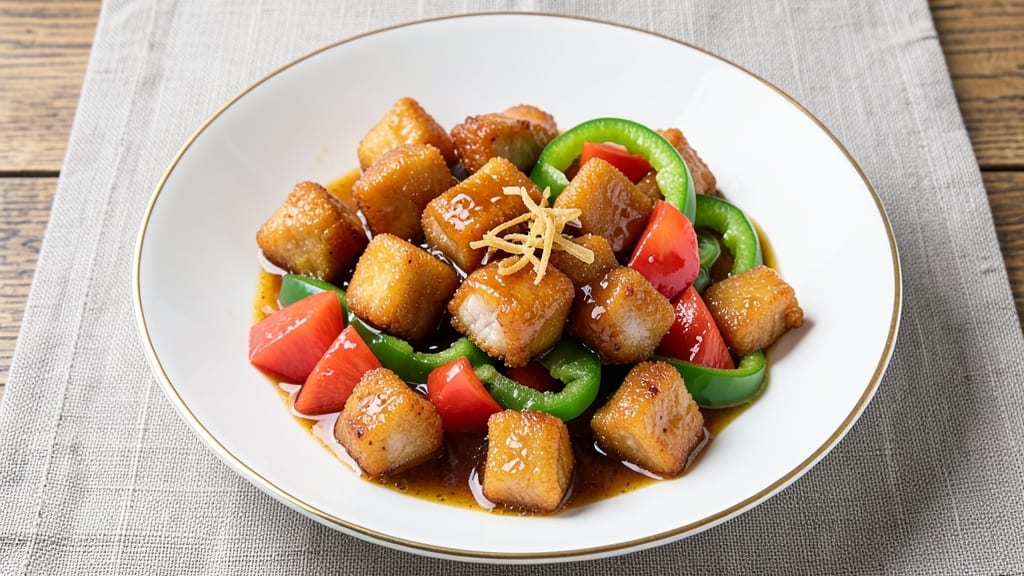
This Chinese crispy sweet and sour pork recipe delivers the perfect balance of crispy texture and tangy-sweet sauce in every bite. After perfecting the double-frying technique—where the pork gets fried twice for maximum crunch—I’ve developed a method that ensures the sauce clings beautifully without making the pork soggy.
The secret lies in the timing between frying and sauce tossing, something I’ve refined over years of testing in my kitchen.
What makes this recipe truly special is the harmony of flavors: the crispy exterior of the pork contrasts with the bright, slightly sour-sweet sauce that’s both vibrant and addictive. The sauce combines classic elements—pineapple, vinegar, and sugar—with a touch of cornstarch for that signature glossy finish.
This isn’t just a dish; it’s a technique that transforms simple ingredients into something restaurant-worthy.
By the time you’re done, you’ll have golden-brown pork pieces that stay crispy even after being tossed in the sauce, paired with a glossy, tangy coating that’s perfectly balanced. The pork remains juicy inside while achieving that coveted crunch outside—a challenge I’ve mastered through careful temperature control and double-frying.
This is the kind of dish that disappears faster than you can say "takeout night."
Serve it over steamed rice or noodles for the full experience, and don’t forget to drizzle extra sauce on top for that restaurant-quality shine. The crispiness holds up even when reheated, making it ideal for meal prep or leftovers. Let’s get cooking—this recipe is a game-changer for weeknight dinners.
Ingredients for chinese crispy sweet and sour pork
Fourteen ingredients deliver crispy double-fried pork with vibrant tangy-sweet sauce every time.
| Ingredient | Amount | Notes |
|---|---|---|
| Pork Shoulder 🐷 | 1 ½ lb | Cut into 1.5-inch cubes, trimmed of fat |
| All-Purpose Flour 🌾 | ½ cup | For dredging before first fry |
| Cornstarch 🌽 | ½ cup | For extra crispiness after second fry |
| Vegetable Oil 🫒 | 3 cups | High smoke point, like peanut oil |
| Pineapple Juice 🍍 | ½ cup | Freshly squeezed preferred |
| Rice Vinegar 🍶 | ¼ cup | White vinegar substitute if needed |
| Granulated Sugar 🍚 | ¼ cup | White or brown sugar works |
| Soy Sauce 🍜 | ¼ cup | Light or dark preferred |
| Garlic Cloves 🧄 | 4 cloves | Minced finely for sauce |
| Fresh Ginger 🌿 | 1 tbsp | Grated finely, peel removed |
| Red Bell Pepper 🌶️ | 1 whole | Diced into small pieces |
| Green Onion 🧅 | 2 whole | Sliced thin for garnish |
| Salt 🧂 | 1 tsp | Diamond Crystal preferred |
| Black Pepper 🌶️ | ½ tsp | Freshly cracked preferred |
The pork shoulder is non-negotiable for this technique—its fat content ensures juicy results after double-frying. Ask your butcher to trim excess fat but leave some marbling for flavor. For the best texture, cut the pork into uniform 1.5-inch cubes; larger pieces won't crisp properly. Costco or Whole Foods carry pre-cut pork shoulder that works perfectly. When selecting rice vinegar, choose the sweetest variety available—it balances the sugar in the sauce beautifully. The Mae Ploy brand from Asian markets is ideal if you want restaurant-quality acidity.
No rice vinegar? White vinegar plus 1 tsp sugar mimics the flavor profile closely. Substituting brown sugar for white in the sauce adds subtle molasses notes that work well. Light soy sauce keeps the color bright, while dark soy adds depth—use whichever you prefer. For the double-fry technique, peanut oil is ideal due to its high smoke point, but vegetable oil works in a pinch. The cornstarch coating is critical—it creates that signature restaurant-style crunch that regular flour can't match. If you're short on time, use 1/4 cup cornstarch plus 1/4 cup flour for a quicker version, though texture will be slightly less crisp.
Pork cubes can be prepped a day ahead and refrigerated—bring to room temperature before frying. The sauce keeps for 5 days in the fridge, though the texture thickens slightly over time. For maximum crispiness, reheat pork in a dry skillet rather than microwaving. The sauce reheats beautifully—simply warm on the stove with a splash of water to restore its glossy finish. Store components separately to maintain texture; toss together just before serving for that fresh-from-the-wok experience.
Why You'll Love This Recipe
- One-Bowl Magic: I swear by this trick—just toss pork shoulder in flour, cornstarch, and a pinch of salt, then fry until golden. No fancy prep, no messy sauces to juggle. That crispy crust? Done in 10 minutes flat.
- Tangy Crunch Perfection: The moment the pork hits your plate—crispy outside, tender inside—with that sweet-tart pineapple glaze clinging to every bite? It’s the kind of dish that makes you pause mid-bite and go, “Wait, how good is this?” The cornstarch coating locks in that satisfying crunch while the pineapple juice keeps it bright.
- Lunchbox Hero: Between us, this is my go-to for meal prep. Fry up a big batch on Sunday, pack it in containers, and reheat it straight from the fridge—still holds its shape, still tastes like takeout. My kids grab it for school lunches, and honestly? They never complain.
- Budget Crispy Feast: Pork shoulder stretches further than you’d think, and a little oil goes a long way when you’re frying. Add store-brand pineapple juice and you’ve got a restaurant-quality dish for half the price. Leftovers? Even better cold the next day—just toss in a microwave and eat.
Step-by-step instructions for Chinese crispy sweet and sour pork
Master the double-fry technique and tangy-sweet balance for restaurant-quality results.
Prepare and First-Fry the Pork Shoulder
Cut the 1.5 lb pork shoulder into 1.5-inch cubes, trimming any excess fat. In a large bowl, combine the 0.5 cup all-purpose flour, 1 tsp salt, and 0.5 tsp black pepper, then toss the pork cubes until evenly coated. Let the coated pork rest for 10 minutes—this helps the flour adhere better.
Heat 1.5 cups vegetable oil in a deep skillet or wok over medium-high heat until it reaches 350°F. Fry the pork in batches for 3-4 minutes per batch, stirring occasionally, until the exterior turns light golden brown. The pork should be fully cooked through but not yet crispy. Remove the pork and drain on a wire rack or paper towels. This first fry ensures the pork cooks through without burning.
Double-Fry for Maximum Crispiness
Increase the oil temperature to 375°F. Return the fried pork to the skillet and fry again for 2-3 minutes until the exterior becomes deep golden brown and crispy. The double-fry technique is key to achieving that signature crunch—this second fry locks in the moisture while creating the perfect texture. Remove the pork once more and drain on a fresh wire rack.
While the pork is still hot, toss it with the 0.5 cup cornstarch in a clean bowl. This extra layer of cornstarch will enhance the crispiness further. Keep the pork warm while you prepare the sauce.
Make the Tangy-Sweet Sauce
In a saucepan, combine the 0.5 cup pineapple juice, 0.25 cup rice vinegar, 0.25 cup granulated sugar, and 0.25 cup soy sauce. Bring to a simmer over medium heat, then reduce the heat to low and let it cook for 5-7 minutes until the sauce thickens slightly. Add the 4 cloves minced garlic cloves and 1 tbsp grated fresh ginger, stirring for 1 minute until fragrant.
Next, add the 1 whole diced red bell pepper and simmer for another 3-4 minutes until the bell pepper softens slightly. The sauce should coat the back of a spoon and have a glossy sheen. Taste and adjust the balance of sweetness and tanginess—add a pinch more sugar if it’s too sharp, or a splash of rice vinegar if it’s too sweet.
Toss and Serve
Return the crispy pork to the saucepan with the sauce and toss gently to coat evenly. Simmer for 1-2 minutes to let the flavors meld. The pork should be fully coated in the glossy, tangy-sweet sauce. If the sauce is too thin, simmer it for an additional 1-2 minutes to thicken slightly.
Garnish with the 2 whole sliced green onion just before serving. The contrast of the crispy, golden-brown pork with the vibrant, glossy sauce creates a dish that’s both visually stunning and irresistibly flavorful. Serve immediately while the pork is still crispy and the sauce is warm.
Pro Tips For Making Chinese Crispy Sweet And Sour Pork
- Fry in batches: I learned this the hard way—dumping all that pork shoulder in the pan at once just makes it steam instead of crisp. Even if it’s tempting, split your pieces into 2-3 batches and give them space. The oil needs room to bubble hot around each piece, or you’ll end up with soggy, unevenly cooked pork that’ll ruin your sauce.
- Cut pork thinly: Skip the thick chunks unless you’re okay with chewy pork that won’t absorb the sweet-and-sour glaze. Aim for ½-inch slices, then slice those again at a 45-degree angle—like you’re cutting against the grain. Thin cuts cook faster and soak up the pineapple juice better, giving you that perfect tender-crisp texture.
- Toss with cornstarch first: This isn’t the prettiest method, but it’s the tastiest. Before dredging in flour, lightly coat the pork in cornstarch—about 2 tablespoons mixed with a splash of water to make a paste. The cornstarch creates an extra-crispy barrier that holds up to the sauce’s acidity, while the flour gives it structure. (Yes, even if you’re impatient like me.)
- Reduce the sauce low and slow: After tossing the fried pork in the sweet-and-sour sauce, let it simmer uncovered for 8–10 minutes. I know, it’s easy to walk away, but rushing this step leaves you with a thin, watery glaze. The longer you reduce it, the thicker and more flavorful the coating on each piece—plus, the pineapple juice mellows out instead of overwhelming the dish.
Flavor customization for these flavors
Spice Level Control
Adjust the heat to suit your taste by adding ½ tsp red pepper flakes to the sauce for a mild kick or 1 tbsp chili garlic sauce for serious heat. I like using Lao Gan Ma chili crisp for an authentic Sichuan-style spice boost.
For a smoky depth, add ½ tsp smoked paprika to the cornstarch coating before the second fry. 🌶️
Sweetness Variations
Balance the tangy elements by adjusting sugar levels. For a less sweet version, reduce sugar to 2 tbsp and add 1 tbsp honey for floral notes. My favorite restaurant-style trick?
Add 1 tbsp hoisin sauce to the sauce for a deeper umami-sweet complexity. For a tropical twist, substitute ¼ cup mango puree for half the pineapple juice.
Texture Enhancements
For extra crunch, coat the pork with ½ cup panko breadcrumbs mixed with 1 tbsp sesame seeds after the first fry. I've also had success using crushed cornflakes for a lighter, airier texture. For a gluten-free option, use ½ cup tapioca starch instead of cornstarch in the second coating.
Sauce Flavor Twists
Swap pineapple juice for ½ cup orange juice plus 1 tbsp lime zest for a citrus-forward version. For a creamy texture, stir in 2 tbsp coconut milk at the end. My go-to for depth is adding 1 tsp fish sauce to the sauce base—it enhances umami without overpowering the sweetness.
Protein Swaps
Replace pork with chicken thighs for a lighter option, or use tofu for a vegetarian version. For extra richness, try duck breast cut into strips—it develops incredible crispiness.
Regional Adaptations
For a Cantonese-style version, add ½ cup diced water chestnuts to the sauce for texture. In Sichuan, I'd include 1 tbsp doubanjiang (fermented chili bean paste) for a fiery, funky kick. The Taiwanese version often includes pickled ginger in the sauce for extra tang. Each regional take keeps the sweet-sour balance but adds unique local flavors. 🗺️
Nutrition facts
Frequently asked questions
Why do I need to double-fry the pork?
The double-fry technique is essential for achieving that signature restaurant-style crunch. The first fry at 350°F cooks the pork through while the second fry at 375°F creates the crispy exterior. This method locks in moisture while developing maximum texture—single-frying often leaves pork soggy when tossed in sauce.
Can I make this recipe without deep-frying?
You can adapt it for an air fryer! Toss pork in flour, air fry at 375°F for 12 minutes, then coat with cornstarch and air fry again for 3-4 minutes at 400°F. The sauce remains the same, but texture will be slightly less crisp. For oven-baking, bake at 425°F for 20 minutes after cornstarch coating.
What's the best way to store leftovers?
Store components separately to maintain crispiness: refrigerate pork in an airtight container and sauce in a separate jar. Reheat pork in a dry skillet over medium heat for 2-3 minutes, then toss with warmed sauce. The sauce reheats well on the stove with a splash of water to restore its glossy finish.
How do I adjust the sweet-sour balance?
Start with equal parts sugar and vinegar, then adjust to taste. For more tang, add 1 tsp extra rice vinegar. For extra sweetness, increase sugar by 1 tbsp or add ½ tsp honey. My pro tip: Add 1 tsp fish sauce to the sauce base for umami depth without altering the sweet-sour ratio.
What's the fastest way to make this recipe?
Prep the sauce while the first fry is cooking. Use 1/4 cup cornstarch + 1/4 cup flour for the second coating to save time, though texture won't be as crisp. For extra speed, marinate pork cubes in 1 tbsp soy sauce + 1 tbsp cornstarch for 15 minutes before frying.