
Main Courses
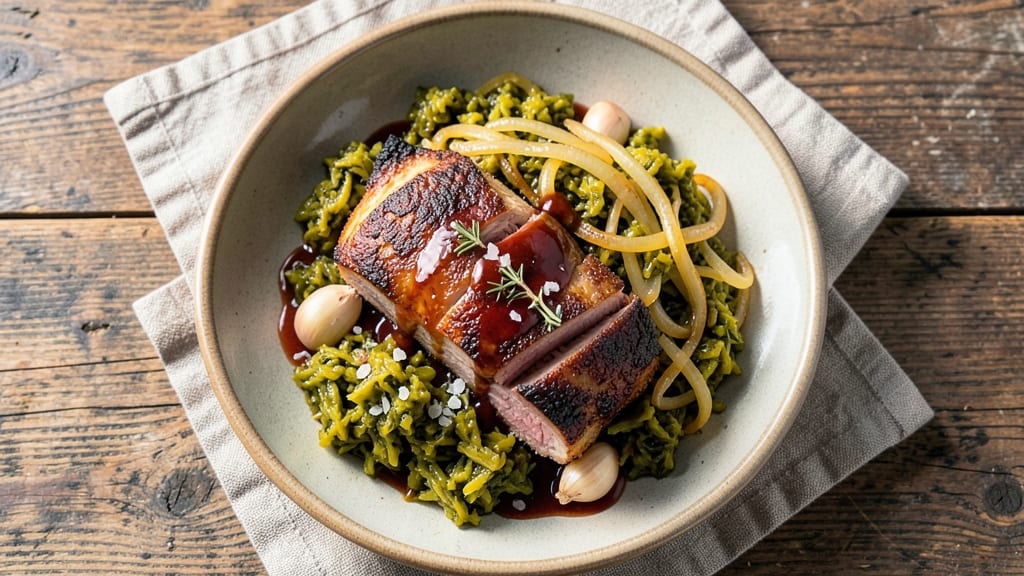
This pork butt and sauerkraut recipe transforms tough cuts into melt-in-your-mouth perfection with tangy crunch—exactly what I serve at The Smoky Pig when I want to showcase how slow cooking and fermentation work together.
The key lies in balancing the pork's rich, smoky depth with sauerkraut's bright acidity, creating a dish that's both hearty and complex. I've perfected this method over years of judging BBQ contests, where the right combination of time and technique turns simple ingredients into something unforgettable.
The process begins with a low-and-slow cook—whether in a smoker or oven—that renders the pork butt until it practically falls apart. Meanwhile, the sauerkraut gets gently sautéed to soften its texture while preserving its signature tang.
This isn't just about flavor; it's about texture contrast: tender, shredded pork meets crisp-tender sauerkraut in every bite. The result is a dish that feels rustic yet refined, with enough depth to stand alone or pair with crusty bread and a sharp mustard glaze.
What makes this recipe work is the precision in timing—pork needs patience, sauerkraut needs care. Too much heat ruins the sauerkraut; too little time leaves the pork chewy.
But when done right, you get a plate that's smoky, tangy, and deeply satisfying, with layers of flavor that keep coming back. This is the kind of meal that turns weeknights into special occasions, and it's exactly what I bring to the table when I want to impress without fuss.
The beauty of this dish is its versatility—serve it on buns for sandwiches, over mashed potatoes for comfort food, or alongside roasted vegetables for a heartier plate.
The sauerkraut can be adjusted for heat preference, and the pork's richness pairs well with everything from caramelized onions to a drizzle of apple cider vinegar. Once you master this technique, you'll see pork butt and sauerkraut in a whole new light—no more boring leftovers, just restaurant-quality results at home.
Ingredients for pork butt and sauerkraut
A few key ingredients transform tough pork butt into melt-in-your-mouth perfection with tangy sauerkraut crunch.
| Ingredient | Amount | Notes |
|---|---|---|
| Pork Butt Roast 🥩 | 4 lb | Bone-in, well-marbled preferred |
| Sauerkraut 🥬 | 2 cups | Raw, not pasteurized for tang |
| Yellow Onions 🧅 | 2 whole | Medium, sliced into wedges |
| Garlic Cloves 🧄 | 6 cloves | Peeled, smashed for aroma |
| Apple Cider Vinegar 🍏 | ¼ cup | For balancing flavors |
| Brown Sugar 🍯 | ½ cup | Light or dark preferred |
| Smoked Paprika 🌶️ | 2 tbsp | For deep smoky flavor |
| Ground Black Pepper 🌶️ | 1 ½ tsp | Freshly cracked for heat |
| Kosher Salt 🧂 | 1 ½ tsp | Diamond Crystal preferred |
| Mustard Seeds 🌿 | 1 tbsp | Yellow or brown preferred |
| Fresh Thyme 🌿 | ¼ cup | Leaves only, chopped finely |
| Apple Juice 🍎 | 1 cup | Unsweetened for balance |
| Beef Broth 💧 | 1 cup | Low-sodium preferred |
| Olive Oil 🫒 | 2 tbsp | Extra-virgin for sautéing |
The pork butt is non-negotiable—look for bone-in, well-marbled cuts at Whole Foods or your butcher. A 4-pound roast gives you plenty of leftovers, and the bone adds incredible depth of flavor. If you can't find bone-in, go for chuck roast as a backup. Sauerkraut? Raw, unpasteurized is a must—it's the tang that makes this dish sing. I grab mine from the refrigerated section at Trader Joe's or the bulk bins at natural markets. Freshness matters here: if the sauerkraut smells off or looks slimy, skip it. The onions and garlic? Sweet yellow onions work best, and Costco sells them in bulk for a steal. Toast the mustard seeds in a dry pan for 30 seconds before adding them to the sauerkraut—this releases their nutty aroma and makes all the difference.
No smoked paprika? Substitute with a mix of regular paprika and a pinch of liquid smoke—just don't overdo it. Running low on apple cider vinegar? White vinegar or lemon juice works in a pinch, but the apple flavor is worth tracking down. The sauerkraut can be spicier or milder depending on the brand—check the label or taste a spoonful first. If your sauerkraut is too harsh, add a splash of apple juice to mellow it out. The beef broth can be swapped for chicken broth, but I recommend sticking with beef for that deeper umami punch. Fresh thyme is ideal, but dried thyme at one-third the amount will do if you're in a bind. And if you're feeling adventurous, swap half the sauerkraut for kimchi for a Korean-inspired twist.
This dish tastes even better the next day—plan ahead. The pork butt can be cooked up to 3 days ahead and reheated gently in its juices. Store it in the fridge in an airtight container with the juices to keep it moist. The sauerkraut mixture stays fresh for 5 days in the fridge, but I usually make a double batch because it disappears fast. For longer storage, freeze the pork in portions—it keeps for up to 3 months. When reheating, low and slow is key: cover with foil and warm in a 300°F oven or on the stove over low heat. Never microwave, or you'll dry it out. Leftovers make amazing sandwiches or tacos—just pile them high and enjoy.
Why You'll Love This Recipe
- I’ll be real: I took three tries to get the timing right, but now it’s foolproof. Once the pork hits 203°F, it’s done—no guesswork. The slow cooker version is my lazy Sunday hack, while the oven method gives that extra caramelized crust. Either way, the sauerkraut mixture keeps for five days, so I can make it once and enjoy it all week. My daughter picks out the fresh thyme, but she still steals the last slice of pork every time.
- One-Pot Masterpiece: Honestly, the fact that this entire meal lives in one Dutch oven? Game-changer. No scrubbing pots or juggling pans—just sear, slow, and serve. That crispy bark from the sear? It happens right in the same pot where the sauerkraut gets caramelized into a sticky-sweet glaze. My kitchen stays clean while my table stays full.
- Tangy-Sweet Harmony: That raw sauerkraut isn’t just an afterthought—it’s the star’s foil. The vinegar and brown sugar glaze I whisk up? It’s like a sweet-tart hug for the pork, cutting through the richness while the mustard seeds add a little nutty crunch. My picky eater (yes, even on a Tuesday night) always asks for seconds because the flavors just work—smoky, tangy, and just a touch caramelized.
- Feeds a Crowd (and Your Wallet): A 4-pound pork butt isn’t just for holidays—it’s my secret weapon for game days, potlucks, or when my roommates show up unannounced. And budget-wise? This is the kind of meal where you pay for the pork butt and get everything else for pennies. The bone? Don’t skip it—it’s what gives the broth that deep, savory backbone. Leftovers? I’ll be real: I make a double batch of sauerkraut just so I have it on hand for sandwiches or to toss into eggs.
Step-by-step instructions for slow-cooked pork butt with sauerkraut
Here's how to transform tough pork butt into melt-in-your-mouth perfection with a tangy, crunchy sauerkraut topping.
Prepare the Pork Butt and Seasoning Rub
Pat the 4 lb pork butt roast completely dry with paper towels—this is crucial for developing that crispy bark. In a small bowl, combine 2 tbsp smoked paprika, 1½ tsp kosher salt, 1½ tsp ground black pepper, 1 tbsp mustard seeds, and ¼ cup chopped fresh thyme. Rub this mixture all over the pork, pressing firmly so it adheres. Let the seasoned pork rest uncovered on a wire rack in the refrigerator for 1 hour—this allows the rub to penetrate deeply and the meat to come closer to room temperature for even cooking.
While the pork rests, slice the 2 yellow onions into wedges and smash the 6 garlic cloves with the side of a knife to release their aroma. In a small bowl, whisk together ½ cup brown sugar, ¼ cup apple cider vinegar, and 1 cup apple juice to create a sweet-tangy glaze. This mixture will caramelize beautifully during cooking, adding depth to the dish.
Sear the Pork and Sauté Aromatics
Heat a Dutch oven over medium-high heat and add 2 tbsp olive oil. Once the oil shimmers, place the pork butt fat-side down and sear for 5 minutes until deeply browned. Flip and sear the other side for another 5 minutes. Remove the pork and set it aside on a plate. The goal here is to create a flavorful crust that will lock in moisture during the long cook.
In the same Dutch oven, add the sliced yellow onions and cook for 5 minutes until softened. Add the smashed garlic cloves and cook for 30 seconds until fragrant—don't let them burn. Stir in the 2 cups sauerkraut, breaking it up with a wooden spoon. Pour in the 1 cup beef broth and scrape up any browned bits from the bottom of the pot. This step builds the foundation for your tangy, savory sauce.
Slow-Cook Until Fall-Apart Tender
Return the pork butt to the Dutch oven, fat-side up, and place it in a 275°F oven (or use a slow cooker on low for 8-10 hours). Cover the pot with a lid or foil, leaving a small vent for steam to escape. The pork needs 6-8 hours to become fork-tender, with the internal temperature reaching 203°F—this is when collagen breaks down into gelatin, creating that signature pull-apart texture. Check the temperature with a meat thermometer inserted into the thickest part of the meat.
About 1 hour before the pork is done, brush it with the brown sugar-apple juice glaze you prepared earlier. This creates a caramelized crust that balances the tangy sauerkraut. If using an oven, increase the temperature to 325°F for the last 30 minutes to help the glaze set. The pork should be glistening and deeply caramelized when finished.
Rest and Serve with Sauerkraut Topping
Remove the pork from the oven and transfer it to a cutting board. Tent loosely with foil and let it rest for 30 minutes—this allows the juices to redistribute throughout the meat. While it rests, spoon the sauerkraut mixture from the Dutch oven over the top of the pork, creating a tangy, crunchy contrast to the tender meat.
Slice the pork against the grain into ½-inch thick slices. Each piece should be juicy, smoky, and perfectly tender, with the sauerkraut adding a bright, tangy crunch. Serve immediately with extra sauerkraut on the side for those who love it. The combination of slow-cooked pork and fermented cabbage creates a dish that's rich, complex, and deeply satisfying.
Pro Tips For Making Pork Butt And Sauerkraut
- Sear Until It’s Golden: I used to think 5 minutes per side was overkill, but that’s the magic window—any less and your crust stays pale, any more and you risk steaming instead of browning. High heat. Seriously, crank it up until the fat sizzles like a good fight.
- Smash That Garlic: Peeled garlic cloves need to be smashed, not chopped, for this recipe. A quick knife tap releases their oils and aroma without turning to ash—30 seconds of fragrant steam is all you need before the sauerkraut takes over.
- Glaze Early, Not Late: That brown sugar-apple juice mix isn’t just for show—brush it on an hour before the pork finishes, not right at the end. The oven’s residual heat caramelizes it into a sticky, glossy crust, not a sad, half-cooked glaze.
- Vent the Lid Properly: Cover the Dutch oven but leave a small gap—foil crimped back or a loose lid. Too tight and your pork steams like a sad soup; too open and it dries out. I learned this the hard way when my first batch turned out like boiled rubber.
Flavor customization for this dish
Sweet Heat Twist
Add 1 tbsp honey to your apple cider vinegar mixture before whisking it with brown sugar and apple juice. The honey balances the tang while caramelizing beautifully over the pork.
I also sprinkle ½ tsp cayenne pepper into the sauerkraut mixture for subtle heat—just enough to wake up your taste buds. This Southern-inspired variation became a favorite at The Smoky Pig when we wanted to add a little kick without overwhelming the dish. 🌶️
German-Inspired Classic
For an authentic German touch, serve the pork and sauerkraut separately with potato dumplings (knödel) on the side. I make my own by combining 2 cups mashed potatoes, 1 cup flour, 1 egg, and ½ cup milk, then boiling them into soft, pillowy balls.
The contrast of tender pork, tangy sauerkraut, and fluffy dumplings creates a complete meal. This version is perfect for holiday gatherings.
Spicy Kimchi Fusion
Swap half the sauerkraut for 1 cup kimchi (drained well) to create a Korean-inspired twist. The fermented cabbage and radish add bright acidity and spicy heat that pairs beautifully with the pork's smokiness. I like to add 1 tbsp gochujang to the pork glaze for extra depth.
This fusion became a hit at our Atlanta restaurant when we wanted to showcase global flavors while keeping the dish approachable. 🔥
Herb-Infused Glaze
Boost the glaze by adding 2 tbsp fresh rosemary and 1 tbsp fresh sage chopped finely, along with the thyme. The herbal notes complement the pork's richness while cutting through the sauerkraut's tang.
I also reduce the glaze by 5 minutes in a small saucepan before brushing it on the pork—this intensifies the flavors. This herb-forward approach feels fresh and seasonal, especially in spring.
Smoky BBQ Glaze
Replace the brown sugar-apple juice glaze with 1 cup store-bought BBQ sauce (I prefer Sweet Baby Ray's) mixed with 1 tbsp apple cider vinegar and 1 tsp liquid smoke. Brush it on the pork during the last hour of cooking for a smoky, tangy finish.
Serve with pickles and extra sauerkraut on the side for a true BBQ experience. This version is perfect for backyard cookouts and football Sundays. 🍖
Nutrition facts
Frequently asked questions
Why does the pork butt need to rest after cooking?
The 30-minute rest is critical—it lets juices redistribute throughout the meat after the long cook. Skipping this step means dry, flavorless slices instead of tender, juicy perfection. Tent loosely with foil so steam escapes but moisture stays trapped. This simple pause makes all the difference!
Can I use bone-less pork butt instead of bone-in?
Bone-in pork butt delivers unmatched flavor, but bone-less works in a pinch. Just expect slightly less depth—those bones add collagen that breaks down into gelatin during cooking. For the best results, stick with bone-in if possible, but bone-less still yields delicious results with the right seasoning rub.
How do I adjust the recipe for a slow cooker vs. oven?
For a slow cooker: Use low heat for 8-10 hours after searing. For oven: Cook at 275°F for 6-8 hours, then increase to 325°F for 30 minutes before glazing. Both methods work, but oven gives you more control over browning. The key is patience—both require 203°F internal temp for perfect tenderness.
What if my sauerkraut is too sour?
Balance the tang by adding 1-2 tbsp apple juice to the mixture while cooking. This mellows the acidity while keeping the fermented crunch. You can also reduce the apple cider vinegar in the glaze by half if the sauerkraut is particularly sharp. Taste as you go—this is where small adjustments make the biggest difference!