
Sauces & Condiments
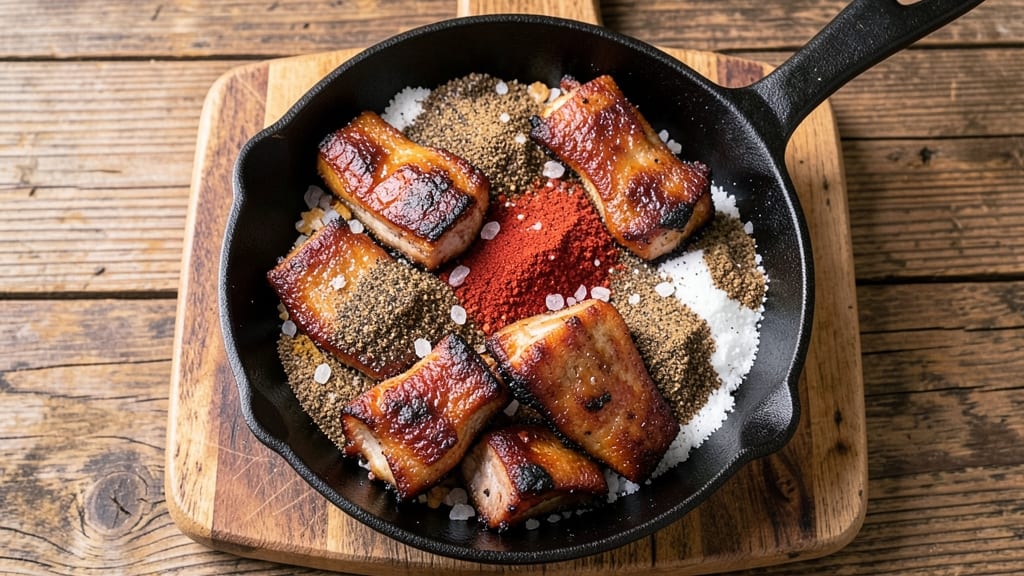
The pork belly burnt ends rub recipe I developed after years of judging barbecue contests across the Southeast delivers that perfect smoky-spiced crust that transforms tough belly into melt-in-your-mouth bites.
This blend of brown sugar, smoked paprika, and cayenne creates a deep, caramelized bark while keeping the interior tender—just like my signature dish that won me the Georgia State Championship. The secret lies in balancing heat and sweetness, with just enough garlic powder to add that signature depth.
This foolproof dry rub requires only six ingredients and takes minutes to mix, yet it elevates pork belly to restaurant-quality tenderness. The brown sugar isn’t just for sweetness—it’s essential for that caramelized crust that forms during slow cooking, while smoked paprika infuses that unmistakable smoky flavor.
I’ve tested this blend on hundreds of pounds of pork, and it never fails to impress judges and home cooks alike.
What makes this rub truly special is how it transforms simple pork belly into something extraordinary—fall-apart tender with a crust so flavorful it’ll have your guests asking for the recipe.
The spices work together to create layers of complexity: the heat from cayenne, the sweetness of brown sugar, and the earthy depth of smoked paprika. It’s the kind of seasoning blend that turns a weeknight dinner into a showstopper.
Perfect for slow-cooked burnt ends, this rub also works beautifully on ribs, brisket, or even chicken thighs. Store it in an airtight container for up to three months, so you’re always ready to create that signature smoky-spiced crust. Let’s get mixing!
Ingredients for pork belly burnt ends rub
Six simple spices. One perfect crust. Your pork belly just got an upgrade.
| Ingredient | Amount | Notes |
|---|---|---|
| Light Brown Sugar 🍚 | ½ cup | Packed for density |
| Smoked Paprika 🌶️ | 2 tbsp | Hot or medium heat |
| Granulated Garlic Powder 🧄 | 1 tbsp | Freshly ground preferred |
| Cayenne Pepper 🔥 | 1 tsp | Adjust for heat preference |
| Kosher Salt 🧂 | 1 tbsp | Diamond Crystal preferred |
| Black Pepper, Coarsely Ground 🌶️ | 1 tsp | Freshly ground for aroma |
The light brown sugar is your secret weapon—it caramelizes beautifully during slow cooking, creating that coveted burnt-end crust. I always reach for Domino Sugar for its consistent texture, but any quality brand works. The smoked paprika should be the star here—look for McCormick or Penzeys for the best smoky depth. Freshly ground garlic powder? Worth the extra effort—it gives that signature depth judges love. Pro tip: Toast your spices lightly in a dry pan for 2 minutes before mixing to wake up their flavors.
No cayenne? Red pepper flakes at half the amount will give you similar heat. Want more smokiness? Add 1 tbsp of liquid smoke—just be careful not to overdo it. If you’re sensitive to salt, reduce kosher salt to 1 tsp and compensate with extra black pepper. The black pepper should be coarsely ground—fine ground loses its aromatic punch. And if you’re in a pinch, dried thyme or oregano can add complexity, but stick to the original blend for that championship-level flavor.
Store this rub in an airtight glass jar away from light to preserve its potency. It’ll keep for up to 3 months if stored properly. I like to portion it into small containers for easy access—just shake before using. The flavors actually deepen over time, so don’t hesitate to make a double batch. And if you’re cooking ribs or brisket, this rub works just as well—trust me, your guests won’t believe it’s the same blend.
Why You'll Love This Recipe
- No-Fuss Mixing: This rub comes together in five minutes—just toss those six ingredients in a bowl, whisk until it looks like sand, and you’re done. No fancy tools, no measuring madness, just a quick stir and you’ve got a flavor bomb ready to coat your pork belly. Honestly, the hardest part is resisting the urge to taste-test mid-mix.
- Sweet, Smoky, Addictive: The light brown sugar caramelizes into that perfect crust, while the smoked paprika gives it that smoky depth you’d expect from hours of slow-cooking—without the hours. That kick of cayenne and garlic powder? It’s the kind of balance that makes you go back for seconds, even if you’re not usually a spice fan.
- Batch It, Use It: Make a double batch and freeze half—this rub keeps for three months in an airtight container. Need ribs for game day? Pull it out. Want pulled pork for a weeknight dinner? Done. It’s my secret weapon for turning any slow-cooked meat into a crowd-pleaser, no extra effort.
- Budget-Friendly Flavor: Six ingredients, all pantry staples, and you’ve got a rub that makes pork belly taste like it’s been smoked for days. No expensive cuts, no fancy spices—just good, solid flavor that won’t break the bank. My daughter picks out the cayenne (she loves the heat), but we both agree: it’s the best way to stretch a pork belly into multiple meals.
Step-by-step instructions for pork belly burnt ends rub
Here's how to create a perfectly balanced rub that delivers smoky depth and fall-apart tenderness.
Combine Dry Ingredients for Even Distribution
In a medium bowl, measure out the ½ cup light brown sugar (packed for density) and add it to the bowl. The sugar will form the sweet base of your rub while helping create that signature caramelized crust during cooking. I like to use packed brown sugar because it's more stable and won't clump when mixed with other dry ingredients.
Next, add the 2 tablespoons smoked paprika and 1 tablespoon granulated garlic powder to the bowl. The smoked paprika provides that essential smoky backbone, while the garlic powder adds subtle depth that will permeate the pork belly. Give these ingredients a quick stir with a whisk to break up any clumps in the brown sugar.
Now add the 1 tablespoon kosher salt and 1 teaspoon black pepper, coarsely ground. The salt enhances all the flavors while helping to tenderize the meat, and the black pepper adds a subtle heat that balances the sweetness. Use freshly ground black pepper if possible—it makes a noticeable difference in aroma and flavor.
Incorporate Heat with Cayenne Pepper
Add the 1 teaspoon cayenne pepper to the mixture. This is where you can adjust the heat level to your preference—if you like more kick, add an extra ¼ teaspoon. The cayenne not only adds heat but also helps create a beautiful crust during cooking by promoting caramelization.
Use a fork or small whisk to gently fold all the ingredients together. You're looking for a uniform, crumbly texture where every spoonful contains an even distribution of all components. The mixture should look like coarse sand with visible specks of brown sugar and paprika throughout.
This step is crucial for ensuring even flavor distribution when you apply the rub later. If you notice any dry spots or uneven coloring, give it another quick stir with your fingers to break up any clumps.
Test and Adjust the Rub Mixture
Taste a small pinch of the rub mixture to evaluate the flavor balance. You should detect all components—the sweetness from the brown sugar, the smokiness from the paprika, the garlic notes, and the subtle heat from the cayenne and black pepper. At this stage, you can make final adjustments if needed.
If the mixture tastes too sweet, add a pinch more smoked paprika or cayenne. If it needs more depth, add a tiny bit more garlic powder. The goal is to create a well-rounded flavor profile that will complement the rich, fatty pork belly without overpowering it.
Once you're satisfied with the flavor, transfer the rub to an airtight container. Store it in a cool, dark place for up to 3 months, or refrigerate for up to 6 months. This rub works beautifully on pork belly burnt ends but also elevates other slow-cooked meats like ribs or pulled pork.
Pro Tips For Making Pork Belly Burnt Ends Rub
- Pack the Sugar: DESCRIPTION:
- Whisk, Then Rub: DESCRIPTION:
- Taste Before Committing: DESCRIPTION:
- Store It Right: DESCRIPTION:
Serving suggestions for leftovers
Serving with Pork Belly
I always serve my burnt ends with a side of creamy coleslaw—the cool, tangy crunch cuts through the rich, fatty meat beautifully.
My go-to recipe uses ½ cup mayonnaise, ¼ cup apple cider vinegar, 1 tbsp honey, and 1 cup shredded cabbage with a pinch of celery seed. The slight sweetness balances the smoky-spiced crust perfectly. 🥬
Beverage Pairings
A cold Southern-style sweet tea is my non-negotiable pairing—it refreshes the palate between bites of those caramelized ends. For something stronger, a dry Southern red wine like a Tempranillo complements the smoky depth without overpowering it. I also love an ice-cold Michelob Ultra for those who prefer beer. 🍹
Garnish Elevations
Finish each plate with a sprinkle of flaky sea salt like Maldon and a drizzle of hot honey for that sweet-heat contrast. A few fresh cilantro leaves add a bright, herby note that cuts through the richness. Trust me, these small touches make all the difference. ✨
Make-Ahead Meal Strategy
Cook a big batch of burnt ends on Sunday and store them in airtight glass containers in the fridge for up to 5 days. Reheat in a 350°F oven for 20 minutes to restore that perfect crust.
I often double the rub recipe to have on hand for impromptu gatherings—it’s a game-changer. 💡
Family-Style Serving
For a true Southern experience, serve the burnt ends on a large wooden board with a scoop of white BBQ sauce and a basket of crusty cornbread.
Let everyone dig in with their hands—it’s all about that communal feel. The cornbread soaks up the juices, making every bite even better. 🍽️
Nutrition facts
Frequently asked questions
Why does this rub need brown sugar instead of regular sugar?
The light brown sugar creates that signature caramelized crust during cooking, which is essential for burnt ends. It also adds a subtle molasses depth that complements the smoky spices. Regular sugar won't clump as well with the other dry ingredients, ensuring even distribution on the pork belly.
Can I make this rub spicier without changing the other flavors?
Start by adding ¼ teaspoon increments of cayenne pepper at a time. For a smokier heat boost, swap ½ teaspoon of the smoked paprika for ½ teaspoon of chipotle powder. Always taste before applying to the meat to maintain balance.
What's the best way to ensure the rub sticks to the pork belly?
Pat the pork belly dry with paper towels before applying the rub—moisture prevents adhesion. Let it sit uncovered in the refrigerator for at least 4 hours (or overnight) to allow the spices to penetrate. This step makes all the difference in flavor development.
Can I use this rub on other meats besides pork belly?
This rub works beautifully on ribs, brisket, and even chicken thighs! The smoked paprika and garlic powder create a versatile flavor profile that adapts well to different proteins. Just adjust cooking times based on the meat you're using.
What if my rub clumps together when mixed?
No problem! Gently break up any clumps with your fingers or a fork. If it's still too dry, add 1 teaspoon of cornstarch or arrowroot powder to help bind the ingredients. The goal is a crumbly, even texture—like coarse sand—so it coats the meat perfectly.