
Sauces & Condiments
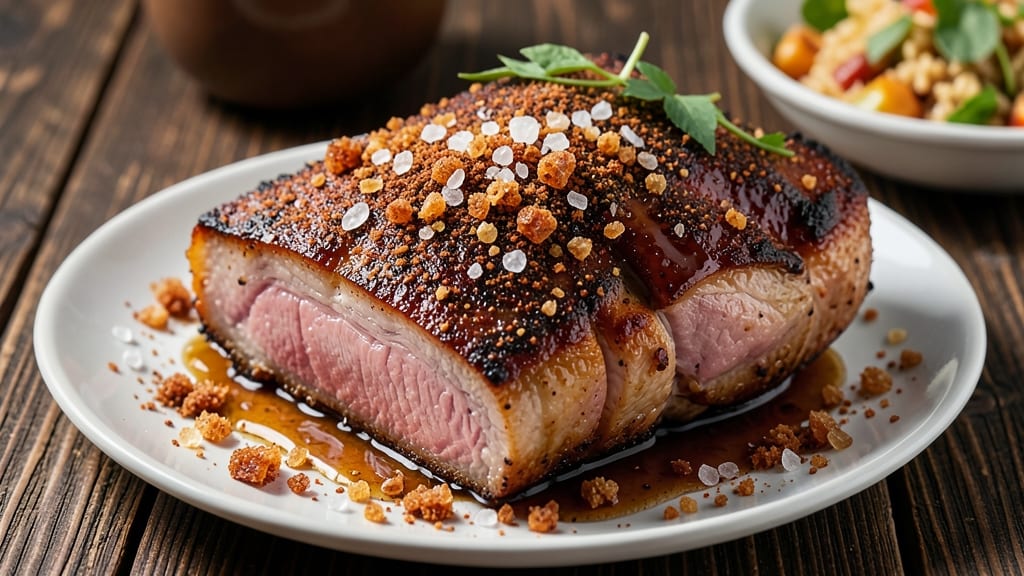
This Carolina pork rub recipe transforms ordinary pork into smoky, sweet perfection with just a few simple ingredients. 🔥 I developed this blend after years of perfecting the balance between bark and tenderness—what makes great BBQ isn't just the meat, but the seasoning that turns it into something unforgettable.
The key lies in the precise ratio of brown sugar to spices, creating that signature crispy crust while keeping the meat juicy inside.
The foundation of this rub starts with 1 tablespoon each of coarse brown sugar, smoked paprika, and kosher salt, creating the perfect balance of sweetness and smokiness.
I add ½ teaspoon each of black pepper, garlic powder, and onion powder for depth, then finish with ¼ teaspoon cayenne—adjust this for heat if needed.
What makes this blend special is how it develops flavor over time, especially when stored in an airtight container for up to 6 months.
What you'll end up with is a dry, coarse mix that clings perfectly to pork, creating that coveted crispy bark while ensuring juicy, tender meat underneath. The blend works equally well on ribs, shoulders, or even chicken, making it a versatile staple for any smoker or grill.
The sugar caramelizes beautifully, while the spices penetrate deeply during cooking.
For extra versatility, I keep small batches of variations on hand—one with a touch more cayenne for heat lovers, another with a hint of mustard powder for tang.
Store it in a cool, dark place, and you'll always have the perfect seasoning ready for your next BBQ adventure. Let's get started!
Ingredients for carolina pork rub
Nine simple spices and sugar that transform pork into smoky-sweet perfection—your BBQ game will never be the same.
| Ingredient | Amount | Notes |
|---|---|---|
| Coarse Brown Sugar 🍚 | 1 tbsp | Lightly packed for best adhesion |
| Smoked Paprika 🌶️ | 1 tbsp | High-quality for deep smokiness |
| Kosher Salt 🧂 | 1 tbsp | Diamond Crystal preferred |
| Black Pepper 🌶️ | ½ tsp | Freshly ground for sharpness |
| Garlic Powder 🧄 | ½ tsp | Non-iodized preferred |
| Onion Powder 🧅 | ½ tsp | Freshly ground for depth |
| Cayenne Pepper 🔥 | ¼ tsp | Adjust for heat preference |
| Mustard Powder 🌿 | ¼ tsp | Optional for tangy depth |
| Ground Coriander 🌿 | ¼ tsp | Adds citrusy brightness |
The smoked paprika is the heart of this blend—Penzeys or McCormick are my go-tos for that authentic Carolina flavor. Grab the coarse brown sugar (not powdered) for better bark adhesion, and Diamond Crystal kosher salt if you want that perfect crystal texture. Mustard powder might seem optional, but trust me—it adds that subtle tang that takes this from good to unforgettable. For extra smokiness, swap half the paprika for chipotle powder. Store your spices in airtight containers away from light, and you'll keep their punch for months.
No smoked paprika? Substitute half with regular paprika plus a pinch of liquid smoke—it won't be identical, but it'll get you close. Running low on coriander? Dried thyme at half the amount adds earthiness without overpowering. The cayenne is where heat happens—start with ¼ teaspoon and adjust to taste. For a sweeter profile, bump the brown sugar to 1.5 tablespoons. And if you're using this on chicken, cut the cayenne in half—it's more sensitive to heat. Mix everything in a bowl, then pulse in a food processor for a finer texture if you prefer.
This rub keeps forever—up to 6 months in an airtight container in a cool, dark place. I like to portion mine into small jars so I always have some ready. For extra crispiness, let the rub sit on the meat for 15-20 minutes before cooking. It's worth the wait—your bark will be next-level. And if you make a big batch, freeze half for later. Just thaw it in the fridge overnight before using.
Why You'll Love This Recipe
- Five-Ingredient Magic: This rub is basically pantry alchemy—just brown sugar, smoked paprika, salt, pepper, and garlic powder. No fancy ingredients, no last-minute grocery runs. I keep a jar of this mixed up all the time for when I’m too tired to measure spices.
- Sweet-Smoky Crave: That coarse brown sugar caramelizes into a sticky, addictive crust while the smoked paprika adds this deep, woodsy warmth. Honestly, it’s the kind of flavor that makes you reach for seconds without even thinking.
- Tailgate or Tuesday: Works on a slathered pork shoulder for a crowd, or on quick pork chops when I’m feeding just myself. Between us, I’ve used it on chicken thighs too—no judgment. It’s the kind of rub that doesn’t care what you throw at it.
- Leftovers That Don’t Suck: The rub keeps well for weeks, and the flavor only gets better as it sits. I’ll pull out a jar months later, slap it on some pork, and it’s like the first time all over again. Plus, it’s cheaper than buying pre-made rubs.
Step-by-step instructions for Carolina pork rub
Here's how to blend this smoky-sweet magic into a perfect crust for tender, bark-covered pork.
👨🍳 Step 1: Combine the Dry Ingredients
In a medium bowl, add the 1 tablespoon coarse brown sugar and 1 tablespoon smoked paprika. I like to use my fingers to break up any sugar clumps first—this ensures even distribution later. The coarse texture of the brown sugar is key for that perfect bark adhesion.
Next, add the 1 tablespoon kosher salt, 0.5 teaspoon black pepper, 0.5 teaspoon garlic powder, and 0.5 teaspoon onion powder. These form the flavor foundation that balances the sweetness. I always measure spices by the "dip and level" method for accuracy—no guessing here.
👨🍳 Step 2: Add the Heat and Depth
Now for the finishing touches: sprinkle in the 0.25 teaspoon cayenne pepper, 0.25 teaspoon mustard powder, and 0.25 teaspoon ground coriander. The cayenne brings just enough heat to complement the smokiness, while the mustard powder adds a subtle tang that prevents the rub from tasting one-note. The coriander rounds everything out with its citrusy brightness.
Here's the thing—don't skip the coriander. It might seem minor, but it's what elevates this from good to "I'll make this every weekend" good. Mix everything together with a fork or your fingers until completely homogeneous. You should see the spices evenly distributed with no visible streaks of brown sugar or paprika.
🔪 Step 3: Test the Rub on Your Protein
Before applying to your final cut, I always test the rub on a small piece of pork—like a pork tenderloin slice or even just a few chunks. Pat the meat dry (this is crucial for adhesion) and press the rub firmly into all sides. The reason we test first is to check the balance: you want the sweetness from the brown sugar to sing without overpowering the smoky depth.
Let it sit for 10-15 minutes before cooking. This resting period allows the rub to penetrate slightly and develop those initial Maillard reactions that create that irresistible aroma. When you're ready to cook, you'll know it's perfect when the rub forms a thick, even coating that sticks to the meat without falling off immediately.
🔥 Step 4: Apply to Your Pork for Maximum Crisp
When you're ready to season your main cut, pat it completely dry again—any moisture will prevent that coveted crispy bark. Press the rub firmly into all surfaces, including the fat cap if present. I like to use my fingers to really work it into the meat, especially in crevices and seams. This ensures even flavor distribution and maximum surface area for that beautiful bark formation.
Let the seasoned pork rest at room temperature for 30 minutes before cooking. This step is non-negotiable for juicy results. The rub will develop a slightly sticky texture from the brown sugar, which helps it cling better during the cooking process. When you're ready to cook, you'll be rewarded with that perfect balance of crispy exterior and juicy interior that Carolina-style pork is famous for.
Pro Tips For Making Carolina Pork Rub
- TOAST THE SPICES: Heat your smoked paprika and garlic powder in a dry skillet for 30 seconds before mixing—it deepens their flavor and cuts through the sweetness of the brown sugar. I used to skip this, and the rub always tasted flat until I tried it.
- PAT DRY THE PORK: Use paper towels to dry the meat thoroughly before applying the rub. Moisture keeps the sugar from caramelizing into that sticky, flavorful crust you want—especially with pork shoulder or ribs.
- BALANCE THE SALT: Taste the rub before applying it—too much kosher salt can overpower the smoky notes. Start with 1:1 sugar-to-salt ratio and adjust; I’ve ruined batches by eyeballing it.
- APPLY IN TWO LAYERS: Rub the meat once, let it sit for 30 minutes, then add a second layer. The sugar needs time to start clinging to the pork, not just sitting on top—this guarantees a flavor bomb, not a dusting.
Storing and reheating your carolina pork rub
Storage Essentials
Store your Carolina pork rub in an airtight container—I prefer amber glass jars to block light, which preserves the spices' potency. Keep it in a cool, dark pantry where temperatures stay below 75°F.
The sugar in the blend can draw moisture, so add a silica gel packet to prevent clumping. This rub stays fresh for up to 6 months—longer than most commercial blends! 🌿
Portioning for Convenience
Divide the rub into small 2-ounce portions before storing. I use mini mason jars—they’re perfect for single-use applications and keep the spices fresh longer. Label each jar with the date and heat level (like "Mild" or "Spicy") so you can grab exactly what you need without measuring.
Freeze extras in ice cube trays for long-term storage—just thaw overnight in the fridge. ❄️
Reviving Stale Rub
If your rub loses its punch, revive it by adding ½ teaspoon of fresh smoked paprika and ¼ teaspoon of cayenne per 2 tablespoons of stale rub. Pulse everything in a spice grinder for 10 seconds to redistribute flavors.
For extra crispiness, mix in 1 teaspoon of cornstarch—it helps the sugar caramelize faster during cooking. Trust me, this trick works like magic! 🔥
Reheating Rubbed Pork
Never reheat pork with a dry rub in the microwave—it’ll turn soggy. Instead, use the stovetop method: Place the pork in a cast-iron skillet over medium heat with 2 tablespoons of apple cider vinegar (it mimics the tang of fresh bark).
Cover and heat for 5-7 minutes, basting occasionally. For oven reheating, wrap the pork in foil and bake at 275°F for 15-20 minutes to keep it moist. 🍖
Preserving Flavor After Cooking
Leftover rubbed pork keeps well in the fridge for 3-4 days if stored in an airtight container. For longer storage, freeze it in portioned vacuum-sealed bags—this preserves moisture and flavor for up to 3 months.
When reheating, thaw overnight in the fridge, then use the stovetop method above. The bark might not be as crispy, but the meat stays juicy and flavorful. 💫
Spice Shelf Life
Most spices in this rub last 1-2 years if stored properly, but smoked paprika and ground coriander degrade faster—replace them every 6 months. Check for dull flavors or musty smells as signs to refresh.
I keep a small jar of fresh spices on hand for quick rub adjustments. The secret? Buy spices in small quantities and rotate them regularly. Your BBQ will thank you! 🌶️
Nutrition facts
Frequently asked questions
Can I use this rub on chicken or turkey instead of pork?
This Carolina-style blend works beautifully on poultry, but you'll want to adjust the heat. Reduce the cayenne to ⅛ teaspoon for chicken or turkey—these meats are more sensitive to spice. The sweet-smoky profile still shines, especially on thighs or drumsticks. For extra crispiness, pat the skin dry first and press the rub firmly into the meat before roasting.
How do I make this rub extra smoky without liquid smoke?
For deeper smokiness, swap ½ teaspoon of the smoked paprika with ½ teaspoon chipotle powder or add ¼ teaspoon of ground coffee to the mix. The coffee enhances the smoky notes naturally. Another trick: toast the spices in a dry skillet over low heat for 1-2 minutes before mixing to intensify their flavors. Just be careful not to burn them!
Why does my rub fall off the meat when cooking?
This usually happens when the meat isn't dry enough or the rub lacks adhesion. Pat the pork completely dry with paper towels before applying, and let it sit at room temperature for 30 minutes before cooking. For extra grip, mix 1 teaspoon of cornstarch into the rub—it helps the sugar caramelize better and stick to the meat. Also, avoid overcrowding on the grill!
Can I make this rub without smoked paprika?
Yes, but the flavor will be different. Replace the smoked paprika with 1 tablespoon regular paprika plus ¼ teaspoon liquid smoke. For a smokier alternative, use ½ teaspoon chipotle powder instead. The blend will still taste great, though it won't have that authentic Carolina smokiness. Store-bought smoked paprika is worth the investment for the best results!
How much rub should I use for different pork cuts?
For ribs or shoulders, use about 1-2 tablespoons per pound of meat. For chops or tenderloin, ½-1 teaspoon per side is plenty. The key is to press it firmly into crevices and fat caps. Too much rub can create an overly sweet bark, while too little may leave flavor gaps. Start with the lower end of the range and adjust to taste!