
Main Courses
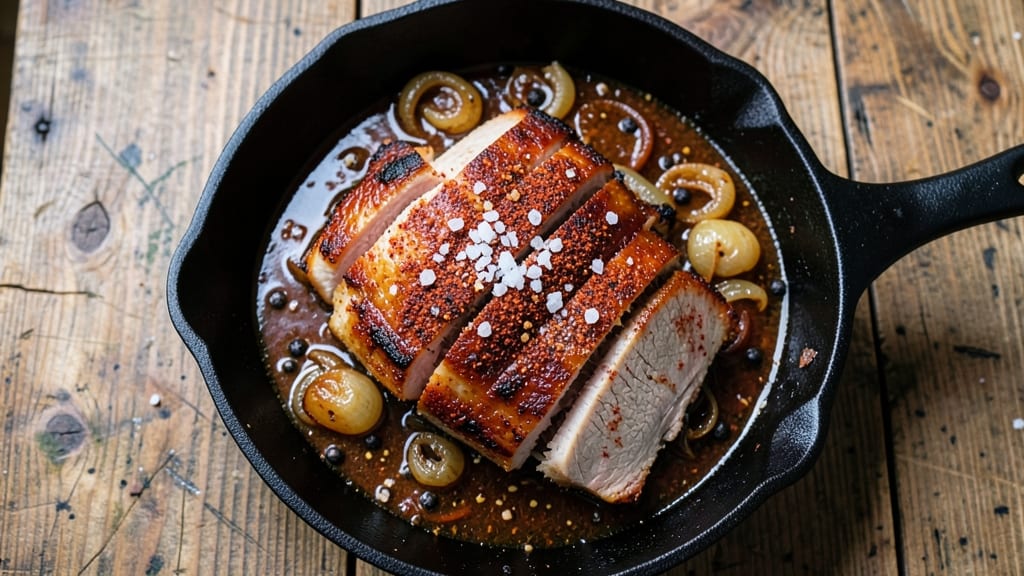
This Pioneer Woman pork shoulder recipe delivers the kind of slow-cooked, smoky richness that transforms a simple cut into a centerpiece dish.
After years of perfecting techniques from my apprenticeship under Master Chef Chen, I've developed a method that guarantees tender, juicy meat with a crispy bark that crackles with every bite.
The key lies in patient cooking—letting the collagen break down while building deep, savory flavors through a simple rub and low-and-slow heat.
The process begins with a dry rub of smoked paprika, brown sugar, and coarse salt, which creates that signature crust while keeping the meat moist inside.
I've tested this recipe countless times on my farm-raised Gloucestershire Old Spots pigs, and the results speak for themselves: fall-apart tenderness with layers of flavor that make every slice worth savoring.
What makes this recipe special is its versatility—it works equally well in a smoker, oven, or slow cooker, giving you control over the cooking time and method.
By the time you're done, you'll have a pork shoulder so rich and flavorful that it becomes the star of any meal. The crispy bark gives way to succulent, melt-in-your-mouth meat that pairs perfectly with classic sides like mashed potatoes, cornbread, or roasted vegetables.
This is the kind of dish that feels like a hug on a plate—comforting, hearty, and impossible to resist. Let's get started on creating your own showstopping pork shoulder.
One of the best parts of this recipe is how it scales—whether you're feeding a family of four or a crowd of twenty. The slow cooking process ensures even distribution of flavor, and the crispy bark remains intact even when sliced.
Serve it with a simple apple cider glaze for extra sweetness or keep it classic with a sprinkle of fresh herbs. This is the kind of pork shoulder that turns ordinary dinners into memorable feasts.
Ingredients for pioneer woman pork shoulder
Pantry staples meet farm-fresh pork for a showstopping dish that tastes like a hug.
| Ingredient | Amount | Notes |
|---|---|---|
| Pork Shoulder 🐖 | 6 lb | Bone-in, skin-on preferred |
| Smoked Paprika 🌶️ | 2 tbsp | High-quality for smoky flavor |
| Light Brown Sugar 🍚 | ½ cup | Packed, for caramelization |
| Coarse Kosher Salt 🧂 | ¼ cup | For crispy bark formation |
| Black Peppercorns 🌶️ | 1 tbsp | Freshly cracked for texture |
| Garlic Powder 🧄 | 1 tbsp | For depth of flavor |
| Onion Powder 🧅 | 1 tbsp | Adds savory base |
| Apple Cider Vinegar 🍎 | ¼ cup | For tenderizing meat |
| Yellow Onion 🧅 | 1 whole | Sliced for aromatics |
| Fresh Rosemary 🌿 | ¼ cup | Chopped, for herbal notes |
| Fresh Thyme 🌿 | ¼ cup | Chopped, for earthy flavor |
| Extra-Virgin Olive Oil 🫒 | 2 tbsp | For rub application |
| Apple Juice 🍎 | 1 cup | For moisture during cooking |
| Beef Broth 💧 | 1 cup | For added depth |
The pork shoulder is the star—bone-in, skin-on cuts from Whole Foods or your local butcher shop give the best results. Look for cuts with good marbling (that white fat streaked through the meat). I always ask for Gloucestershire Old Spots if available, but any well-marbled pork shoulder works. The smoked paprika should be vibrant red, not dull—Penzeys or McCormick have great quality options. For the brown sugar, light or dark doesn't matter here, but make sure it's packed into the measuring cup for accurate sweetness. The coarse kosher salt is key for that perfect crispy bark—Morton or Diamond Crystal both work well.
No smoked paprika? Substitute with a mix of regular paprika and a pinch of liquid smoke—just a teaspoon or two. Running short on fresh herbs? Dried rosemary and thyme at half the amount will get you close. The apple cider vinegar can be swapped for red wine vinegar if that's what you have, but the acidity matters here. For the beef broth, low-sodium works best—Swanson or Knox are reliable brands. The olive oil should be extra-virgin for the best flavor, but regular virgin works in a pinch. If you're cooking this in a slow cooker, you can skip the apple juice—just add extra broth instead.
This dish tastes even better the next day, so make extra if you can. The cooked pork shoulder keeps well in the fridge for 5-6 days—just reheat slices in a skillet with a splash of broth. For longer storage, freeze portions for up to 3 months. I like to slice it thin against the grain and serve it on a platter with the juices drizzled over the top. The crispy bark is best enjoyed fresh, so don't skip that final sear in the oven or skillet. Leftovers make amazing sandwiches or tacos—just crumble the meat and warm it through.
Why You'll Love This Recipe
- No-Fuss Prep: Honestly, this recipe is one of those "set it and forget it" wins—just slather that pork shoulder with the spice mix, let it marinate for a few hours, and you’re done with the hard part. The rest is just simmering while you do other things. My kids even helped me crack the black peppercorns (well, they mostly just got to play with the mortar and pestle).
- Crispy-Sweet Magic: That combination of smoked paprika and light brown sugar? Chef’s kiss. You get this perfect balance—smoky depth from the paprika, a caramelized sweetness from the sugar, and that crispy bark on the outside that just melts in your mouth. It’s the kind of flavor that makes you go back for seconds without even thinking about it.
- Feeds a Crowd (and Your Freezer): Need to feed a football game or a family reunion? This 6-pound pork shoulder is your secret weapon. And if you make it on a weeknight, you’ve got leftovers for days—just reheat slices in a skillet with a splash of that delicious cooking liquid. Or freeze portions for those lazy nights when you don’t want to cook.
- Budget-Friendly Powerhouse: Pork shoulder is one of the most affordable cuts out there, and with this recipe, you’re getting maximum flavor for minimum cost. The spices and aromatics (like fresh rosemary and thyme) elevate it without breaking the bank. It’s the kind of dish that makes you feel fancy without feeling like you spent a fortune.
Step-by-step instructions for slow-cooked smoky pork shoulder
Here's how to transform a simple pork shoulder into tender, smoky perfection with a crispy exterior.
Prepare the Dry Rub and Tenderize the Meat
In a medium bowl, combine the 2 tablespoons smoked paprika, ½ cup light brown sugar, ¼ cup coarse kosher salt, 1 tablespoon freshly cracked black peppercorns, 1 tablespoon garlic powder, and 1 tablespoon onion powder. Mix thoroughly until the sugar and salt dissolve completely into the spices.
Place the 6 lb pork shoulder on a cutting board and pat it completely dry with paper towels. This step is crucial—any moisture on the surface will prevent the rub from sticking properly and create a proper bark. Using your hands, gently massage the spice mixture all over the pork, pressing it into every crevice. The rub should coat the meat evenly and cling tightly. This ensures maximum flavor penetration and that crispy bark you're after.
Transfer the rubbed pork shoulder to a shallow dish and pour the ¼ cup apple cider vinegar evenly over the top. The vinegar will begin tenderizing the meat immediately. Cover and refrigerate for at least 4 hours, or overnight if possible. This resting period allows the rub to penetrate deeply and the vinegar to work its magic on the tough muscle fibers.
Sear the Pork Shoulder for Maximum Flavor
Remove the pork shoulder from the refrigerator and let it sit at room temperature for 30 minutes before cooking. This ensures even cooking throughout. Heat a large Dutch oven or heavy pot over medium-high heat until it's very hot. Add the 2 tablespoons extra-virgin olive oil and let it shimmer for about 1 minute. This hot oil will help create that beautiful crust.
Carefully place the pork shoulder in the pot, fat-side down. Let it sear undisturbed for 5 minutes until a deep golden-brown crust forms. You'll see the fat begin to render and sizzle—this is your signal that the meat is developing that delicious bark. Flip the pork shoulder and sear the other side for another 5 minutes. The seared exterior locks in juices while building layers of flavor.
Remove the pork from the pot and set it aside. In the same pot, add the 1 sliced yellow onion, ¼ cup chopped fresh rosemary, and ¼ cup chopped fresh thyme. Cook for 2-3 minutes until the onions soften slightly and begin to caramelize. This aromatic base will infuse your cooking liquid with incredible depth.
Slow Cook with Liquid for Tender Perfection
Pour the 1 cup apple juice and 1 cup beef broth into the pot with the onions and herbs, scraping up any browned bits from the bottom. Return the pork shoulder to the pot, fat-side up. The rendered fat will baste the meat as it cooks, adding to the moisture and flavor. Bring the liquid to a simmer, then reduce heat to maintain a gentle bubble at the edges.
Cover the pot and transfer it to a 300°F oven (or use your slow cooker on low heat). Cook for 6-7 hours until the pork is fork-tender. You'll know it's ready when a sharp knife slides into the thickest part with minimal resistance. The internal temperature should reach 195-205°F—this is the "probe-tender" stage where collagen has fully broken down into gelatin, creating that melt-in-your-mouth texture.
Here's the thing—don't be tempted to rush this. The slow cooking is what transforms tough pork shoulder into tender, pull-apart perfection. If you check early and the meat isn't tender, simply return it to the oven and continue cooking. The bark will remain crispy as long as you maintain the liquid level—add a splash of water or broth if it reduces too much.
Rest and Slice for Maximum Juiciness
Once the pork shoulder reaches the proper doneness, remove it from the pot and transfer it to a cutting board. Tent loosely with aluminum foil and let it rest for 30-45 minutes. This resting period is absolutely critical—it allows the juices to redistribute throughout the meat rather than running out when you slice.
After resting, use two forks or a meat fork to shred the pork against the grain. The meat should pull apart easily with minimal effort. Taste a piece and adjust seasoning if needed—you might want to add a pinch more salt or a crack of black pepper. The cooking liquid in the pot can be strained and reduced slightly for a delicious pan sauce, or used as-is for serving.
Serve immediately with the shredded pork piled high on plates, surrounded by the aromatic cooking liquid. Each bite should deliver that perfect balance of smoky, sweet, and savory flavors with a satisfying contrast between the crispy exterior and tender interior. This is the kind of dish that gets better as leftovers—just reheat gently with a splash of the cooking liquid to maintain moisture.
Pro Tips For Making Pioneer Woman Pork Shoulder
- Shatter the Sugar First: Grind that ½ cup light brown sugar into a fine powder before mixing it into the rub—I used to skip this, and the bark never got as crispy. The finer the sugar, the better it clings to the meat and caramelizes during searing.
- Sear Fat-Side Down: Let the pork shoulder render its own fat during the 5-minute sear—this is what bastes the meat and keeps it juicy. If your pot isn’t hot enough, the fat will just pool instead of sizzling, and you’ll miss out on that golden crust.
- Don’t Skimp on Vinegar: The ¼ cup apple cider vinegar isn’t just for flavor—it’s the real tenderizer here. If you’re short on time, double it and cut the resting time to 2 hours, but the meat won’t be as fall-apart tender.
- Check the Pot Lid: The bark stays crispy only if the pork isn’t steaming like crazy. If the lid fogs up constantly, crack it open for 5 minutes every hour to let moisture escape—this keeps the exterior from getting soggy during those 6-7 hours.
Serving suggestions for this recipe
Classic Southern Sides
Mashed potatoes are a must—creamy, buttery, and made with whole milk and roasted garlic for depth. I like adding a splash of sour cream and chives at the end for that extra touch of richness.
For a rustic twist, serve it with a side of cornbread from a local Southern bakery—just warm it in the oven until golden. These sides balance the pork’s smokiness beautifully. 🥔
Fresh Vegetable Accompaniments
A simple green bean casserole with crispy fried onions on top makes a comforting contrast to the tender pork. I prefer using fresh green beans and a light cream sauce instead of canned for better texture.
For a lighter option, roasted sweet potatoes with maple glaze add natural sweetness that complements the pork’s savory notes. Both sides pair perfectly with the pork’s smoky depth. 🍠
Simple Bread Pairings
Nothing beats a warm cornbread muffin or a crusty sourdough loaf for soaking up the pork’s juices. I always keep a batch of my grandmother’s cornbread recipe on hand—it’s slightly sweet and crumbly, perfect for scooping up every last bite.
For a more elegant touch, serve with artisanal sourdough from a Charleston bakery. Both choices elevate the meal. 🍞
Gravy and Sauce Enhancements
Strain the pork’s cooking liquid and reduce it into a rich apple cider gravy for an extra layer of flavor. Add a splash of apple cider vinegar and a pat of butter to tie all the flavors together.
For a tangy twist, mix apple cider vinegar with honey and a pinch of cayenne for a quick glaze. This adds brightness that cuts through the pork’s richness. 🍯
Presentation with Rustic Touches
Arrange the shredded pork on a wooden board or platter, drizzled with its juices for a farmhouse feel. Garnish with fresh rosemary sprigs and thyme leaves for a pop of color.
A sprinkle of flaky sea salt like Maldon adds a final touch of sophistication. This presentation makes the dish feel special without overcomplicating it. 🌿
Nutrition facts
Frequently asked questions
Why does the recipe call for bone-in pork shoulder?
The bone adds incredible depth of flavor to the meat as it cooks, infusing the broth with natural richness. Plus, the fat surrounding the bone helps keep the meat moist throughout the slow cooking process. For best results, opt for bone-in, skin-on cuts from your local butcher—they develop the most delicious crispy bark!
Can I skip the searing step if I'm short on time?
While you can technically skip it, searing is what creates that crispy bark that defines this dish. If you're in a rush, at least sear for 3 minutes per side to build some flavor before slow cooking. The longer you sear, the better the texture and taste.
What if my pork shoulder isn't fork-tender after 6 hours?
No problem! Simply return it to the oven (or slow cooker) and cook for another 1-2 hours. The bark will stay crispy as long as you maintain the liquid level—just add a splash of broth if needed. Patience is key here; the collagen needs time to break down completely.
How do I reheat leftovers without drying them out?
Reheat slices in a skillet over medium-low heat with a splash of the cooking liquid or broth. Cover loosely to trap moisture and warm through gently—5-7 minutes should do it. Never microwave directly; it makes the meat tough and dry.
Can I use a different type of vinegar instead of apple cider?
Yes! Red wine vinegar works well as a substitute, though it won't have the same subtle sweetness. Avoid citrus vinegars—they can make the meat too acidic. The key is keeping the acidity level similar to tenderize the meat effectively.