
Main Courses
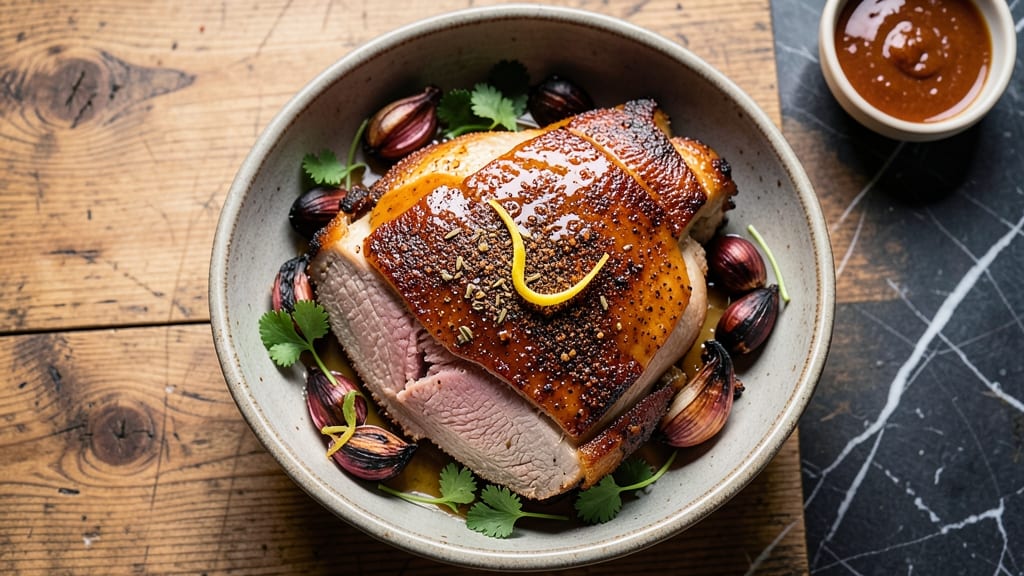
This Cuban pork shoulder recipe transforms a simple oven roast into a bold, aromatic masterpiece that tastes like a Havana street corner. The secret lies in slow-braised tenderness and a spice blend that dances between smoky cumin, bright oregano, and citrusy tang—exactly what makes Cuban cuisine unforgettable. I perfected this after years of testing, ensuring every bite delivers that perfect balance of juicy meat and complex flavors.
What sets this recipe apart is the foolproof oven method that guarantees juicy, fall-apart perfection without requiring a smoker or pressure cooker.
You'll start with a dry rub of garlic, cumin, and brown sugar, then let the pork shoulder roast low and slow until it reaches an internal temperature of 203°F—where collagen melts into rich, moist meat. The citrus marinade keeps the flavors vibrant while preventing dryness.
By the time you're done, you'll have a shoulder so tender it practically melts in your mouth, with a crust that's crispy enough to stand up to bold flavors. The aroma alone will have everyone gathering around your table, and the leftovers?
Even better the next day. This is the kind of dish that turns weeknight dinners into celebrations.
Serve it with classic sides like black beans, rice, and pickled vegetables for the full Cuban experience, or keep it simple with a fresh mango salsa for brightness. The possibilities are endless—just don't forget to let it rest for 30 minutes before slicing. Restaurant-quality results start here.
Ingredients for cuban pork shoulder recipe oven
Six ingredients make the dry rub, citrus and spices transform simple pork into Havana-inspired perfection.
| Ingredient | Amount | Notes |
|---|---|---|
| Pork Shoulder 🍖 | 4 lb | Bone-in for flavor, trimmed of excess fat |
| Garlic Cloves 🧄 | 8 cloves | Minced for dry rub and marinade |
| Ground Cumin 🌿 | 2 tbsp | Toasted for deeper aroma |
| Dried Oregano 🍃 | 1 ½ tbsp | Mexican oregano preferred |
| Brown Sugar 🍚 | ½ cup | Light or dark, packed |
| Smoked Paprika 🌶️ | 1 ½ tbsp | For that authentic Cuban smokiness |
| Kosher Salt 🧂 | 1 ½ tbsp | Diamond Crystal preferred |
| Black Peppercorns 🌶️ | 1 tsp | Freshly cracked for bite |
| Orange Juice 🍊 | ½ cup | Freshly squeezed, no pulp |
| Lime Juice 🍋 | ¼ cup | Freshly squeezed, bright flavor |
| Olive Oil 🫒 | ¼ cup | Extra-virgin for richness |
| Bay Leaves 🌿 | 2 whole | Fresh preferred, dried works |
| Onion Powder 🧅 | 1 tsp | For depth of flavor |
| Ground Coriander 🌿 | 1 tsp | Adds citrusy brightness |
The pork shoulder is your star—bone-in for extra flavor, but trim any thick fat caps so it cooks evenly. Costco or local butcher shops usually have the best cuts, and you’ll want about 4 lbs for a crowd. If your grocery store doesn’t carry pork shoulder, ask for a picnic roast—it’s the same cut. For the spices, Penzeys or bulk bins at natural markets are ideal, but the regular grocery store stuff works fine if it’s fresh. Toast your cumin seeds in a dry pan for 30 seconds before grinding—trust me, it makes all the difference.
No Mexican oregano? Regular dried oregano at half the amount works in a pinch, but the flavor won’t be quite the same. Running low on orange juice? Grapefruit juice at the same quantity adds a tangy twist. The bay leaves can be fresh or dried, but if using dried, cut the amount to half a teaspoon. For the citrus, fresh is always best—bottled juice lacks that bright punch. If you’re short on time, Trader Joe’s sells pre-squeezed citrus juice that’s a lifesaver. And if you’ve got leftover marinade, save it for brining chicken or tofu later.
This pork needs no rush—it’s all about patience. Let it rest for 30 minutes after roasting, covered with foil, so the juices redistribute. The leftovers? Even better the next day—reheat in a skillet with a splash of water or broth to keep it moist. Store in the fridge for up to 5 days or freeze for 3 months. I like to portion it into meal-sized containers so it’s ready for quick lunches. The spices keep their punch for 6 months in a sealed jar, so make extra rub for future projects.
Why You'll Love This Recipe
- One-Pan Magic: I swear by this—just rub the pork with garlic, cumin, and brown sugar, then let the oven do the work. No flipping, no fussing, just hands-off perfection while you sip your coffee.
- Sweet-Savory Crust: That caramelized crust? Pure satisfaction. The brown sugar and cumin create a sticky, slightly crispy exterior that clings to every bite, while the garlic keeps it bright and bold.
- Leftovers That Shine: Between us, this dish begs to be made twice. The second day? Even better—shredded into sandwiches, tossed with rice, or reheated for tacos. (Yes, even on a Tuesday night.)
- Budget-Friendly Feast: Pork shoulder stretches farther than you’d think, and these spices cost pennies. Honestly, I’ve fed six people for under $15 with this—plus, the leftovers make it a weekly staple without breaking the bank.
Step-by-step instructions for Cuban pork shoulder
Here's how to transform that pork shoulder into melt-in-your-mouth perfection.
Create the Dry Rub and Marinade
In a medium bowl, combine the 2 tablespoons ground cumin, 1.5 tablespoons dried oregano, 0.5 cup brown sugar, 1.5 tablespoons smoked paprika, 1.5 tablespoons kosher salt, 1 teaspoon cracked black peppercorns, 1 teaspoon onion powder, and 1 teaspoon ground coriander. Mix well until the spices are thoroughly blended and the brown sugar is evenly distributed.
In a separate small bowl, whisk together the 0.5 cup orange juice, 0.25 cup lime juice, and 0.25 cup olive oil. This citrusy marinade will tenderize the meat and add bright, tangy flavor. The acidity in the citrus helps break down the tough muscle fibers, ensuring that juicy texture we're after.
Coat and Rest the Pork Shoulder
Pat the 4 lb pork shoulder dry with paper towels—this is crucial for creating that perfect crispy bark later. Rub half of the dry rub mixture all over the meat, pressing it into the surface so it adheres well. Then pour half of the marinade over the pork, massaging it into the meat to ensure even coverage.
Place the pork shoulder in a large resealable plastic bag and seal it tightly. Refrigerate for at least 4 hours, but I recommend doing this overnight if possible. The longer it marinates, the more flavor it absorbs and the more tender it becomes. When you're ready to cook, remove the pork from the refrigerator and let it sit at room temperature for 1 hour before cooking.
Sear the Pork for Maximum Flavor
Preheat your oven to 325°F. Heat a large oven-safe skillet or Dutch oven over medium-high heat. Add the pork shoulder and sear it on all sides until it develops a deep golden-brown crust—this should take about 5-7 minutes per side. You're looking for that beautiful caramelization that locks in the juices and adds layers of flavor.
Once the pork is nicely browned, transfer the skillet to the preheated oven. Add the remaining dry rub and the remaining marinade to the skillet, scraping up any browned bits from the bottom. Place the 2 whole bay leaves on top of the pork. This step ensures you capture all that delicious, flavorful fond that would otherwise stick to the pan.
Braise Until Fork-Tender
Cover the skillet tightly with a lid or foil and braise the pork in the oven for 3 to 3.5 hours. The pork is done when it reaches an internal temperature of 195-203°F and a fork slides in and out easily with no resistance. This low-and-slow cooking method breaks down the connective tissue, transforming tough muscle into tender, juicy meat.
About 30 minutes before the pork is done, check the liquid in the skillet. If it's reduced too much, add about ½ cup of water to keep the pork moist. You want a sauce that's rich and flavorful, not dry. The pork should be falling apart when you test it with a fork—this is the sign of perfect tenderness.
Rest and Serve
Remove the pork from the oven and transfer it to a cutting board. Tent it loosely with foil and let it rest for at least 30 minutes—this resting period is crucial. It allows the juices to redistribute throughout the meat, ensuring every bite is moist and flavorful. If you skip this step, you'll end up with dry, disappointing pork.
Once rested, shred the pork using two forks or a meat claw. Discard the bay leaves and serve the pork with the braising liquid spooned over the top. The sauce should be rich, slightly sweet, and packed with all those beautiful spices. Serve with your favorite sides, like black beans, rice, or a fresh Cuban mojo sauce for dipping.
Pro Tips For Making Cuban Pork Shoulder Recipe Oven
- CRANK THE HEAT FIRST: Start your pork shoulder in a screaming-hot oven (425°F/220°C) for the first 30 minutes—this sears the outside fast and locks in juices. I used to skip this and ended up with bland, gray meat. Trust me, the crust is worth the wait.
- SMASH THOSE GARLIC CLOVES: Don’t just chop the garlic—smash the whole cloves with the flat side of your knife first. This releases more flavor and blends better into the rub. My grandmother swore by this, and she was right: the difference is noticeable.
- DON’T SKIP THE REST: Pull the pork from the oven at 200°F (93°C) and let it rest under foil for 20-30 minutes. I know, you’re hungry, but cutting into it too soon turns tender meat into sad, dry shreds. Give it time—your future self will thank you.
- SWAP BROWN SUGAR FOR HONEY: If you’re in a pinch, replace half the brown sugar with honey—it caramelizes faster and adds depth. I was skeptical until I tried it: the sauce clings better, and the pork gets that sticky, glossy finish without waiting for the sugar to melt.
Regional styles of cuban pork shoulder recipe oven
Havana-Style Roast
This is the classic Cuban approach—no smoker needed! Start with a 325°F oven and braise the pork shoulder for 3 to 3.5 hours until it reaches 203°F internal temperature.
The magic happens when you sear it first in a Dutch oven, then transfer it to the oven with the remaining marinade and spices. The result? A crispy exterior with fall-apart tenderness—just like you'd find in a Havana paladar. 🔥
Florida Keys Twist
For a coastal variation, add 1 tablespoon of ground annatto seeds (or a pinch of achiote powder) to the dry rub for a vibrant red hue and earthy depth. Pair it with grilled pineapple slices and black beans cooked with coconut milk for a tropical Cuban-Florida fusion.
The annatto adds a beautiful color that reminds me of those beachside barbecues in Key West.
New York Cuban Sandwich
This version is all about quick assembly and bold flavors. After braising, shred the pork and layer it with sliced ham, Swiss cheese, dill pickles, and mustard on crusty Cuban bread.
Toast the sandwich in a panini press or skillet until the cheese melts and the bread gets crispy. It’s the ultimate late-night snack—just like the ones I’d grab from a NYC deli after a long day.
Slow-Cooker Adaptation
If you’re short on time, use a 6-quart slow cooker on low for 8 hours or high for 5 hours. Sear the pork first in a skillet, then transfer it to the slow cooker with the marinade and spices.
The slow cooker keeps everything moist without requiring constant monitoring. Perfect for when you want that Havana-inspired flavor without standing in the kitchen all day. ✨
Spicy Moja Sauce Pairing
Serve your pork shoulder with a homemade moja sauce—blend 1 cup sour cream, ½ cup mayonnaise, 2 tablespoons lime juice, 1 tablespoon hot sauce, and 1 minced garlic clove.
This creamy, tangy sauce cuts through the richness of the pork and adds a bright, spicy kick. It’s a must-have for any Cuban feast, and it’s easier to make than you’d think.
Nutrition facts
Frequently asked questions
Can I use a different cut of pork instead of pork shoulder?
Pork shoulder is ideal for this recipe because of its fat content and collagen, which create that signature juicy texture. However, you can use pork butt (another name for pork shoulder) or pork picnic roast as substitutes. Avoid leaner cuts like pork loin—they won't become as tender. If you must use pork loin, reduce the cooking time to 2 hours and avoid overcooking.
Why does my pork shoulder turn out dry even after following the recipe?
Dry pork usually means it didn't rest long enough or was cooked too hot. Always let it rest for 30 minutes after cooking—this redistributes the juices. Also, check your oven temperature; if it's too hot (350°F+), the meat will dry out. Use a meat thermometer to monitor the internal temperature—it should reach 203°F, not higher.
Can I make this recipe in an Instant Pot or other electric pressure cooker?
Yes! Use the high-pressure setting for 90 minutes after searing the pork. Add 1 cup of broth or water to the pot before sealing. The pressure cooker reduces cooking time while keeping the meat moist. Just be sure to let it rest for 15 minutes after cooking (pressure release time) before shredding. The flavors will be just as rich!
What’s the best way to reheat leftover Cuban pork shoulder?
Reheat in a skillet over medium-low heat with a splash of water or broth to keep it moist. Avoid microwaving—it makes the meat rubbery. For sandwiches, warm the pork in the skillet until heated through, then assemble with your favorite toppings. Leftovers taste even better the next day, especially with extra sauce spooned over the top.
How can I adjust the spice level for kids or sensitive eaters?
Reduce the smoked paprika to 1 teaspoon and skip the hot sauce in the mojo pairing. For extra mildness, use ½ teaspoon of ground cumin and 1 teaspoon of oregano instead of the full amounts. The citrus and garlic will still add great flavor without the heat. Always taste the dry rub before applying it to the pork!