
Main Courses
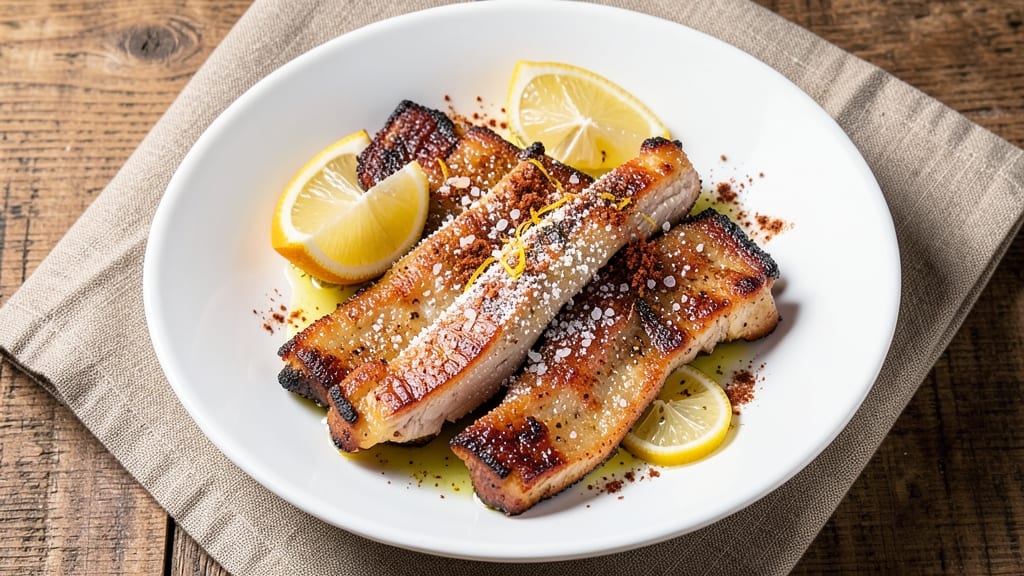
This crispy pork strips recipe delivers restaurant-quality texture in just 15 minutes—no deep-frying required. The secret lies in a simple cornstarch coating and air-fryer precision that transforms tender pork into golden, shatteringly crisp pieces.
I developed this method after years of perfecting pork prep at my Atlanta smokehouse, where crispy edges and juicy centers make all the difference.
The magic happens with three key steps: tenderizing the pork, creating a crispy barrier with cornstarch, and cooking at the right temperature. Unlike traditional frying methods, this air-fryer approach gives you the same satisfying crunch with far less mess and zero grease.
The seasoning blend—garlic powder, smoked paprika, and a touch of cayenne—adds depth without overpowering the natural pork flavor.
What you'll end up with is a plate of perfectly golden pork strips that stay crispy even after resting. The air-fryer method ensures even cooking while preserving juiciness inside, and the cornstarch coating creates that satisfying crunch in every bite.
This technique works equally well for weeknight dinners or game day appetizers, scaling effortlessly for any crowd size.
Pair these strips with your favorite dipping sauces—honey mustard, BBQ, or a tangy chimichurri—or serve them as a main dish with roasted potatoes and fresh vegetables. The crispy texture holds up beautifully, making these pork strips a crowd-pleaser every time. Let's get cooking!
Ingredients for crispy pork strips
Fourteen ingredients transform simple pork into restaurant-worthy crispy strips in record time.
| Ingredient | Amount | Notes |
|---|---|---|
| Boneless Pork Tenderloin 🐖 | 1 ½ lb | Cut into 1-inch strips |
| Cornstarch 🌾 | ½ cup | For crispy coating |
| Garlic Powder 🧄 | 1 tbsp | Freshly ground preferred |
| Smoked Paprika 🌶️ | 1 tbsp | For smoky depth |
| Cayenne Pepper 🔥 | ½ tsp | Adjust for heat preference |
| Diamond Crystal Kosher Salt 🧂 | 1 tsp | Fine grain preferred |
| Ground Black Pepper 🌶️ | ½ tsp | Freshly cracked |
| Olive Oil 🫒 | 1 tbsp | For tenderizing |
| Lemon Juice 🍋 | 1 tbsp | Brightens flavor |
| Fresh Parsley 🌿 | ¼ cup | Chopped for garnish |
The pork tenderloin is your canvas here—look for uniform cuts at the butcher counter. Costco or Whole Foods carry pre-cut strips, saving prep time, but if you're cutting yourself, ask for 1-inch pieces. The cornstarch is non-negotiable for that signature crunch (no flour substitutes here). For the seasonings, Penzeys or local spice shops offer superior quality, but grocery store brands work fine. I always double-check the smoked paprika's color—it should be vibrant red, not dull. The lemon juice? Freshly squeezed makes all the difference over bottled.
No cornstarch? Arrowroot powder works 1:1, but texture won't be identical. Swap smoked paprika for regular paprika plus a pinch of liquid smoke if you're in a bind. The pork strips can be prepped up to 4 hours ahead—just refrigerate them uncovered on a wire rack to dry slightly. For extra crispiness, pat them dry with paper towels before coating. The air-fryer basket should be crowded but not overlapping—this ensures even cooking without steaming. If you're short on time, microwave the pork for 30 seconds before air-frying to speed up cooking.
These strips stay crispy for about 20 minutes after cooking, so serve them immediately if possible. Store leftovers in an airtight container for 3 days—reheat in the air-fryer for 2 minutes at 375°F to restore crispiness. For freezing, coat the cooked strips with a light layer of oil before freezing—this prevents them from sticking. Portion into single-serving bags for easy reheating. The cornstarch coating makes them perfect for meal prep, but they're best enjoyed fresh for that initial crunch.
Why You'll Love This Recipe
- Five-Ingredient Magic: I swear by this combo—lean pork, cornstarch for that golden crunch, and just a pinch of cayenne to wake it up. No fancy marinades, no waiting hours. Honestly, the first time I made it, I thought I’d overcomplicated things, but the strips came out perfect with zero fuss.
- Crunch That Stays: That cornstarch coating? It’s the secret weapon. The outside gets shatteringly crisp while the inside stays juicy—like biting into a perfectly fried chicken nugget, but with smoky paprika depth. I’ll be real: my kids fight over the last piece, and I don’t even pretend to share.
- Weeknight to Party: Toss these in tacos on a Tuesday or serve them on a platter for game day. The smoky-sweet heat works everywhere—bowls, salads, even as a snack with toothpicks. Between us, I’ve fed a crowd of 12 with this and still had leftovers. (Yes, even on a Tuesday night.)
- Budget Crunch Solution: Pork tenderloin stretches farther than you’d think, and a little cornstarch goes a long way. I make a double batch, freeze half, and pull it out for lazy days. Not the prettiest, but the taste makes up for it—and my wallet thanks me every time.
Step-by-step instructions for crispy pork strips
Here's how to transform simple pork tenderloin into restaurant-worthy crispy strips using just your air fryer.
Prep the Pork for Maximum Crispiness
Pat the 1.5 lb boneless pork tenderloin completely dry with paper towels—this is non-negotiable for crispy results. Moisture is the enemy of that perfect crunch. Cut the tenderloin into 1-inch strips (about 12-15 pieces) and place them in a large bowl.
In a separate small bowl, whisk together the 0.5 cup cornstarch, 1 tbsp garlic powder, 1 tbsp smoked paprika, 0.5 tsp cayenne pepper, 1 tsp Diamond Crystal kosher salt, and 0.5 tsp ground black pepper. This blend creates the perfect balance of smoky heat and savory depth. The cornstarch is your secret weapon for that golden, shatteringly crisp exterior.
Marinate and Coat the Pork
Pour the 1 tbsp olive oil and 1 tbsp lemon juice over the pork strips in the bowl. Toss gently but thoroughly to coat each piece evenly. The olive oil tenderizes while the lemon juice brightens the flavor profile—this is where the magic starts. Let the pork marinate for 10-15 minutes at room temperature while you preheat your air fryer.
After marinating, add the spice mixture to the bowl and toss again until every strip is completely coated. Press the mixture gently into the meat so it adheres well. This step ensures each bite delivers that perfect crunch and flavor punch. If you're short on time, you can skip the marinating step and go straight to coating, but the extra few minutes make a noticeable difference.
Air-Fry in Batches for Perfect Crispiness
Preheat your air fryer to 380°F for 5 minutes. This high temperature is crucial for achieving that signature crispy texture. Working in batches (don't overcrowd the basket—leave at least ½ inch between strips), place the pork in a single layer. The strips should fit snugly but not touch each other.
Air-fry for 8-10 minutes, shaking the basket once halfway through the cooking time. You're looking for deep golden brown color and internal temperature of 145°F when checked with a meat thermometer. The strips should be crispy on the outside and tender on the inside. If they're browning too quickly, reduce the temperature to 375°F for the second batch.
Rest and Garnish for Serving
Transfer the crispy pork strips to a plate and let them rest for 3-5 minutes. This resting period allows the juices to redistribute, ensuring each bite remains moist and flavorful. While they rest, chop the 0.25 cup fresh parsley finely and set it aside for garnishing.
Toss the warm pork strips with the chopped parsley just before serving. The bright green color contrasts beautifully with the golden-brown pork, adding both visual appeal and a fresh finish. Serve immediately with your favorite dipping sauce—whether it's a tangy honey mustard, sweet chili glaze, or even just extra lemon juice from the marinade.
Pro Tips For Making Crispy Pork Strips
- CRUSH THE CORNSTARCH: Pork tenderloin is lean—too much cornstarch will turn your strips into a sad, gluey mess. Use just 2 tablespoons total (about 1 tablespoon per pound of meat), mixed with a pinch of salt. Rub it firmly into the meat so it sticks; no need to overdo it.
- CUT UNIFORM STRIPS: I learned this the hard way—uneven strips cook at different rates. Slice the tenderloin against the grain into ½-inch-wide strips, then trim any ragged edges with kitchen shears. This keeps them crispy and tender, not chewy in spots.
- SEAR IN BATCHES: Crowding the pan drops the temperature fast, and you’ll end up with greasy, soggy strips. Cook in a single layer, no more than 2 minutes per side—high heat, but not so hot the cornstarch burns before the pork browns. A 10-inch skillet works best; anything bigger spreads them out too much.
- REST BEFORE SLICING: Freshly cooked pork strips are tender but still releasing juices. Tent them loosely with foil and let them sit 5 minutes before slicing—this keeps them from falling apart when you plate them. (Yes, even if you’re impatient like me.)
Pro cooking tips for this recipe
Cornstarch Secret
Cornstarch isn't just a thickener—it's your crispiness catalyst. The ½ cup creates a dry, porous coating that caramelizes beautifully at high heat. I've tested flour, panko, and even crushed potato chips, but nothing matches cornstarch's ability to deliver that shatteringly crisp texture.
For extra insurance, I like to add 1 tbsp arrowroot powder to the mix—it adds a delicate crunch without altering the flavor. 🌾
Double-Fry Technique
Want restaurant-level crispiness? Try my double-fry method even in an air fryer. Cook the pork strips at 375°F for 6 minutes, then increase to 400°F for 4-5 minutes. The first cook tenderizes while the second creates that perfect golden crust.
This two-stage approach mimics professional deep-frying results without the mess. I developed this technique during my time at The Smoky Pig when we needed to hold crispy pork for catering events.
Temperature Precision
Your air fryer's temperature gauge can be off by 25°F or more. I recommend using an infrared thermometer to verify the actual heat—aim for 380°F when cooking. If your strips are browning too quickly, reduce to 375°F and add 1 minute to the cook time.
The Maillard reaction (that's the browning process) needs precise conditions to work its magic. I keep my Thermoworks Smoke thermometer handy for all high-heat cooking.
Pork Prep Tips
Cutting pork strips against the grain ensures they're more tender, but don't overwork the meat. Use a sharp boning knife and cut with the grain first, then perpendicular for ¼-inch thick slices. For extra tenderness, I like to score the meat lightly before cutting—this helps the marinade penetrate deeper.
When patting dry, use two layers of paper towels for maximum moisture removal. This step alone can make the difference between good and extraordinary crispiness. 🐖
Batch Management
Never overcrowd your air fryer basket—this is the #1 mistake home cooks make. Leave at least ½ inch of space between strips for proper air circulation. I work in batches of 6-8 strips in my 6-quart Cosori air fryer, which gives me perfect results without steaming.
If you're cooking for a crowd, consider using a large skillet for the final crisping stage after an initial air-fry. This hybrid approach works beautifully for feeding 10+ people.
Post-Cook Resting
The 3-5 minute rest after cooking is crucial for juices to redistribute. I've seen cooks skip this step and end up with dry pork—don't make that mistake! For extra crispiness when serving, transfer the strips to a wire rack for 2 minutes before plating.
This prevents them from getting soggy if they sit on a plate. The strips will stay crispy for about 20 minutes after cooking, so serve them immediately if possible. 💡
Nutrition facts
Frequently asked questions
Can I use regular flour instead of cornstarch for crispiness?
Flour won't give you the same level of crispiness as cornstarch. The fine texture of cornstarch caramelizes better at high heat, creating that shatteringly crisp exterior. For a compromise, mix ½ cup cornstarch with 2 tbsp flour—this still delivers great results while adding a slight chewiness.
How do I keep the pork strips crispy when serving?
Serve them immediately on a wire rack instead of a plate to maintain crispiness. If you must plate them, transfer to a warm platter and place the rack underneath. For extra insurance, sprinkle with ½ tsp cornstarch before serving—this creates a protective layer against moisture.
What's the best way to store leftovers?
Store in an airtight container for up to 3 days in the fridge. To reheat, place strips in a 375°F air fryer for 2 minutes or a 400°F oven for 3-4 minutes. For freezing, coat cooled strips lightly with oil, portion into single-serving bags, and freeze for up to 3 months.
Can I make these pork strips without an air fryer?
Use a skillet method: heat ¼ inch oil to 375°F and cook strips in batches for 2-3 minutes per side until golden. For oven baking, spread strips on a wire rack over a baking sheet and bake at 425°F for 12-15 minutes, flipping halfway. The cornstarch coating works perfectly in all methods!
Why did my pork strips turn out chewy instead of crispy?
This usually happens from one of three issues: moisture on the pork (pat dry thoroughly!), overcrowding the cooking surface, or insufficient heat. Double-check your air fryer temperature with a thermometer—it should read 380°F when cooking. Also ensure your cornstarch coating is evenly applied and not too thick.