
Main Courses
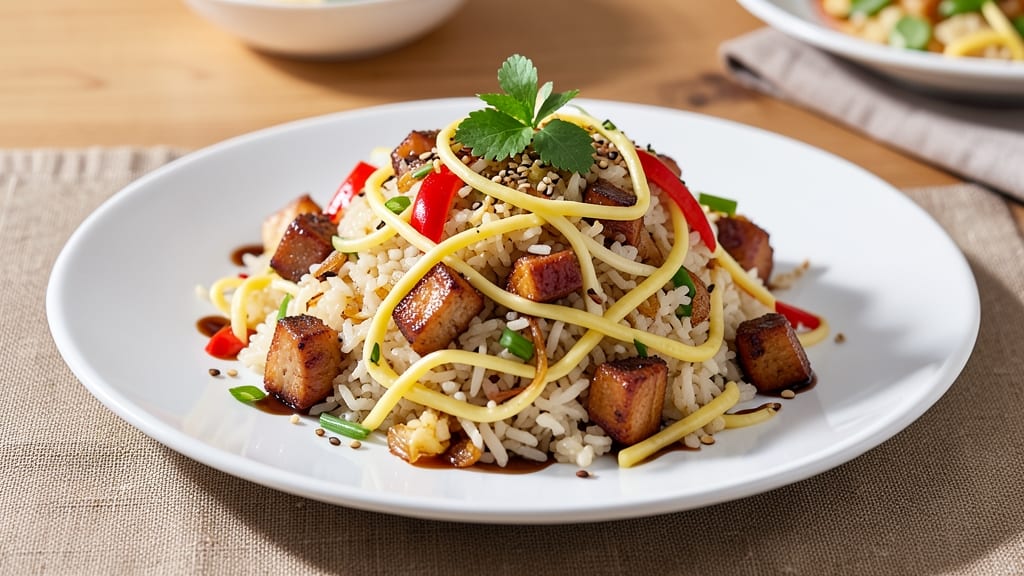
This crispy pork fried rice recipe delivers the perfect balance of crunchy pork and fluffy, savory rice—every bite is a textural masterpiece. The secret lies in marinating the pork overnight for maximum tenderness, then pan-frying it until golden and crispy.
I've perfected this technique over years of wok-tossing, ensuring the pork stays crisp while the rice absorbs all those delicious flavors without turning mushy.
The foundation of great fried rice is using cold, day-old rice that releases just enough moisture to create a proper sear. We'll stir-fry everything in batches over high heat, starting with the pork to render its fat, then adding the rice and eggs to create that signature wok-hei flavor.
This isn't just fried rice—it's a complete meal with protein, vegetables, and aromatic seasonings all working together in harmony.
What you'll end up with is a dish that's crispy on the outside, tender on the inside, and packed with layers of umami from the soy sauce, garlic, and ginger.
The pork maintains its crunch even after being tossed with the rice, while the eggs add richness and bind everything together. It's the kind of meal that makes you want to take a second helping immediately.
Serve this as a hearty weeknight dinner or bring it to your next potluck—it's always a crowd-pleaser. The recipe includes optional garnishes like green onions and sesame seeds to add freshness and visual appeal. Let's get started on creating this restaurant-quality dish at home.
Ingredients for crispy pork fried rice
Pork marinated overnight, cold rice, and eggs—this trio creates the perfect crispy fried rice texture.
| Ingredient | Amount | Notes |
|---|---|---|
| Day-Old Cooked White Rice 🍚 | 4 cups | Cold and slightly dry for texture |
| Boneless Pork Shoulder 🐖 | 1 lb | Marinated overnight, cut into 1-inch cubes |
| Large Eggs 🥚 | 2 whole | Freshly beaten for stir-fry |
| Yellow Onion 🧅 | 1 whole | Thinly sliced, white and light green parts |
| Garlic Cloves 🧄 | 6 cloves | Minced for aromatic base |
| Fresh Ginger 🌿 | 1 tbsp | Finely grated, peeled |
| Low-Sodium Soy Sauce 🥄 | ½ cup | For umami depth |
| Sesame Oil 🫒 | 1 tbsp | Toasted for nutty aroma |
| Vegetable Oil 🫒 | ½ cup | High smoke point for frying |
| Green Onions 🧅 | 4 whole | Thinly sliced, for garnish |
| Toasted Sesame Seeds 🌾 | 1 tbsp | For crunchy finish |
| White Pepper 🌶️ | ½ tsp | Freshly ground for subtle heat |
| Salt 🧂 | 1 tsp | Kosher or sea salt |
| Black Pepper 🌶️ | ½ tsp | Freshly cracked for flavor |
The pork is non-negotiable here—boneless shoulder gives the best texture when marinated overnight. Look for cuts with good marbling at Costco or your local butcher shop, where they can cut it into 1-inch cubes for you. Fresh ginger and garlic matter too—buy them at the farmers market if you can, but the regular grocery store stuff works fine. The day-old rice is key: it's already cooked, cooled, and slightly dry, which helps create that signature crispy texture when stir-fried. Don't skip this step—fresh rice turns mushy.
No pork shoulder? Pork tenderloin works in a pinch, but it's leaner so you might want to add an extra tablespoon of oil when frying. Swapping out soy sauce? Coconut aminos is a great gluten-free alternative, though it's slightly sweeter. Fresh ginger too expensive? Ground ginger at half the amount gets you close, but toasted sesame oil adds that missing depth. The eggs should be room temperature—cold eggs curdle when they hit the hot pan. And if you're worried about the rice not being crispy enough, pat it extra dry with a towel before adding it to the wok.
Marinated pork keeps in the fridge for 3 days—use it up or freeze it for 3 months. Cooked rice stays fresh for 5 days in the fridge, but it's best used within 2 days for optimal texture. The fried rice reheats beautifully—just add a splash of water and stir-fry again over medium heat. For extra crispiness, spread it on a baking sheet and broil for 2-3 minutes at the end. Garnishes like green onions and sesame seeds can be added fresh right before serving, or store them separately and sprinkle on top when ready to eat.
Why You'll Love This Recipe
- One-Pan Magic: I swear by this—no chopping boards, no extra pans. Toss the cold rice, diced pork, and onions straight into a hot wok, and let the garlic sizzle until the pork turns golden. That’s it. (Yes, even on a Tuesday night.)
- Crispy-Pork Obsession: The secret’s in the pork shoulder—it stays juicy but gets that perfect crust when seared first. Pair that with a runny yolk in the middle of each bite? Honestly, I’ve made this for friends who don’t even like pork. They’re hooked.
- Lunchbox Hero: Between us, this is my go-to for meal prep. Toss the fried rice into containers with a sprinkle of green onions, and it’s a solid lunch for three days. (My daughter picks out the garlic bits, but still asks for seconds.)
- Piggy Bank Approved: Pork shoulder is cheaper than chicken thighs, and eggs stretch further than you’d think. A single batch feeds four for under $10—plus, the leftovers reheat like a dream. Not the prettiest, but the taste makes up for it every time.
Step-by-step instructions for wok-tossed crispy pork fried rice
Here's how to make restaurant-quality fried rice with perfect crispy pork and savory eggs.
Prepare the Pork for Maximum Crispiness
Heat 0.25 cup of the vegetable oil in a large wok or skillet over medium-high heat until shimmering. Add the 1 lb boneless pork shoulder cut into 1-inch cubes and cook undisturbed for 4-5 minutes until the edges turn golden brown and crispy. This initial sear locks in juices and creates that satisfying crunch.
Real talk: Don't move the pork during the first few minutes or it'll steam instead of brown. Once the pork is golden on one side, stir occasionally for another 3-4 minutes until fully cooked through. Remove the pork and set it aside on a plate—it'll continue cooking with the rice.
Scramble the Eggs to Silky Perfection
In the same wok, add 1 tablespoon sesame oil and swirl to coat the pan. Pour in the 2 beaten eggs and scramble quickly over medium-high heat for 30-45 seconds until just set but still slightly runny in the center. The eggs should form soft, custardy curds—not dry or rubbery.
Here's the thing—fried rice eggs should be silky, not fully cooked. Remove them from the wok and set aside with the pork. Wipe out any egg residue from the pan with a paper towel to prevent sticking later.
Stir-Fry the Aromatics for Flavor Foundation
Add the remaining 0.25 cup vegetable oil to the wok and heat over medium heat. Toss in the thinly sliced yellow onion and cook for 2 minutes until softened but still vibrant. Add the 6 minced garlic cloves and 1 tablespoon grated ginger, stir-frying for 30 seconds until fragrant.
This is where the magic happens—the aromatics should smell intensely sweet and pungent. If they burn, you've gone too far. Keep the heat at medium to prevent charring while still developing those deep flavors.
Combine Everything for the Perfect Crispy Texture
Add the 4 cups day-old cooked white rice to the wok, breaking up any clumps with your spatula. Stir-fry for 2-3 minutes until the rice is heated through and slightly separated. Pour in the 0.5 cup low-sodium soy sauce and toss everything together for 1 minute.
Now return the pork and eggs to the wok. Add the 1 teaspoon salt, 0.5 teaspoon black pepper, and 0.5 teaspoon white pepper, tossing vigorously for another 2 minutes until everything is evenly coated and the rice is crispy around the edges.
Finish with Garnishes for Crunch and Color
Remove the wok from heat and stir in the 4 thinly sliced green onions and 1 tablespoon toasted sesame seeds. Taste and adjust seasoning if needed—you might want to add a splash more soy sauce for extra umami.
Serve immediately while still hot and crispy. The rice should have chewy, slightly crispy edges with tender pork pieces and silky eggs throughout. Each bite should deliver that perfect balance of textures and flavors that makes fried rice so addictive.
Pro Tips For Making Crispy Pork Fried Rice
- Fry the Pork Twice: First, sear the pork shoulder in one thick piece until deeply browned—this locks in flavor. Then, slice it thin and give it a second quick fry in the same pan with a splash of soy sauce. I learned this the hard way: skipping the second fry leaves it dry and flavorless.
- Break Eggs into Cold Rice: Crack eggs directly into the cold, dry rice before stirring—this keeps them from scrambling into rubbery chunks. The residual heat from the rice will cook them just enough to blend perfectly without overcooking. (Yes, even if you're impatient like me.)
- Prep Onions and Garlic Last: Save the onions and garlic for the very end—toss them in just before serving. Their raw bite contrasts the crispy pork and warm rice, and they won’t turn into mush from overcrowding the pan. I was skeptical until I tried it.
- Use a Wok or Skillet Too Small: A crowded pan creates steam, which makes the rice soggy. Use a wok or skillet that’s too small for your rice—this forces the grains to crisp up properly. This isn’t the prettiest method, but it’s the tastiest.
Flavor customization for this dish
Spicy Heat Boost
For those who love a kick, add 1-2 teaspoons of chili crisp or 1 tablespoon of sriracha to the soy sauce mixture. I like to mix it with the sesame oil before tossing everything together—this way, the heat gets evenly distributed.
If you're using fresh red chili peppers, mince 1-2 peppers and stir-fry them with the garlic and ginger for 30 seconds before adding the rice. 🌶️
Sweet and Tangy Twist
Balance the savory flavors with a touch of sweetness by adding 1 tablespoon of honey or 1 teaspoon of brown sugar to the soy sauce. For tanginess, stir in 1 tablespoon of rice vinegar or 1 teaspoon of lime juice after the rice is heated through.
This works especially well if you're using coconut aminos instead of soy sauce—it adds a bright contrast to the umami richness.
Umami Bomb Upgrade
Take your fried rice to the next level by adding 1 tablespoon of fish sauce or 1 teaspoon of oyster sauce to the soy sauce mixture. For a vegetarian option, use 1 tablespoon of mushroom powder or 2 tablespoons of finely chopped dried shiitake mushrooms rehydrated in warm water.
These additions deepen the savory notes without overpowering the dish. 💛
Nutty Crunch Additions
For extra texture, sprinkle 1 tablespoon of crushed peanuts or 1 tablespoon of fried shallots on top before serving. If you're feeling adventurous, try adding 1 tablespoon of toasted cashews or 1 teaspoon of chopped scallions for a fresh, crunchy finish.
These toppings add a delightful contrast to the crispy pork and fluffy rice.
Herbaceous Freshness
Brighten up the dish with fresh herbs like cilantro, Thai basil, or mint. Chop 2 tablespoons of cilantro or 1 tablespoon of Thai basil and stir it in during the final 30 seconds of cooking.
For a more aromatic touch, add 1 teaspoon of finely chopped lemongrass (if available) to the aromatics during the stir-fry. These herbs add a refreshing, almost citrusy note that cuts through the richness. ✨
Cheesy or Creamy Variations
For a comforting twist, stir in ½ cup of shredded cheddar cheese or ¼ cup of cream cheese during the final minute of cooking. The cheese melts into the rice, adding a creamy texture that pairs beautifully with the crispy pork.
If you prefer a lighter option, mix in 2 tablespoons of Greek yogurt or 1 tablespoon of sour cream after removing the wok from heat. This works surprisingly well with the savory flavors! 🧀
Nutrition facts
Frequently asked questions
Why does the pork need to marinate overnight?
The overnight marination is key for two reasons: it tenderizes the pork by breaking down tough fibers, and it allows the flavors to penetrate deeply. The recipe uses soy sauce, garlic, and ginger in the marinade—this combo creates a flavor bomb that transforms bland pork into something irresistibly savory. If you're short on time, marinate for at least 4 hours instead.
Can I use fresh rice instead of day-old rice?
Fresh rice is a big no-no for crispy fried rice—it's too moist and will turn mushy when stir-fried. The starch in freshly cooked rice absorbs too much oil, making the rice greasy instead of crispy. If you only have fresh rice, spread it on a baking sheet and refrigerate for 1 hour to dry it out slightly before using.
How do I keep the pork crispy while cooking the rice?
Cook the pork first and set it aside—it'll stay crispy while the rice cooks. The secret is working in batches: cook the pork, then remove it while you scramble the eggs and stir-fry the aromatics. Only add the pork back in during the final 2 minutes of cooking to warm it through without losing its crunch.
What's the best way to reheat leftovers?
Reheat in a skillet over medium heat with a splash of water or sesame oil to restore crispiness. Stir-fry for 2-3 minutes until hot through. For extra crunch, spread the fried rice on a baking sheet and broil for 1-2 minutes at the end. Microwaving makes it soggy—always use dry heat for best results.
Can I make this vegetarian?
Swap the pork for extra-firm tofu (pressed and cubed) or mushrooms (shiitake or oyster). For crispiness, pan-fry the tofu or mushrooms separately in oil until golden before adding to the rice. Use 1 tablespoon of mushroom powder in the soy sauce for extra umami depth.