
Main Courses
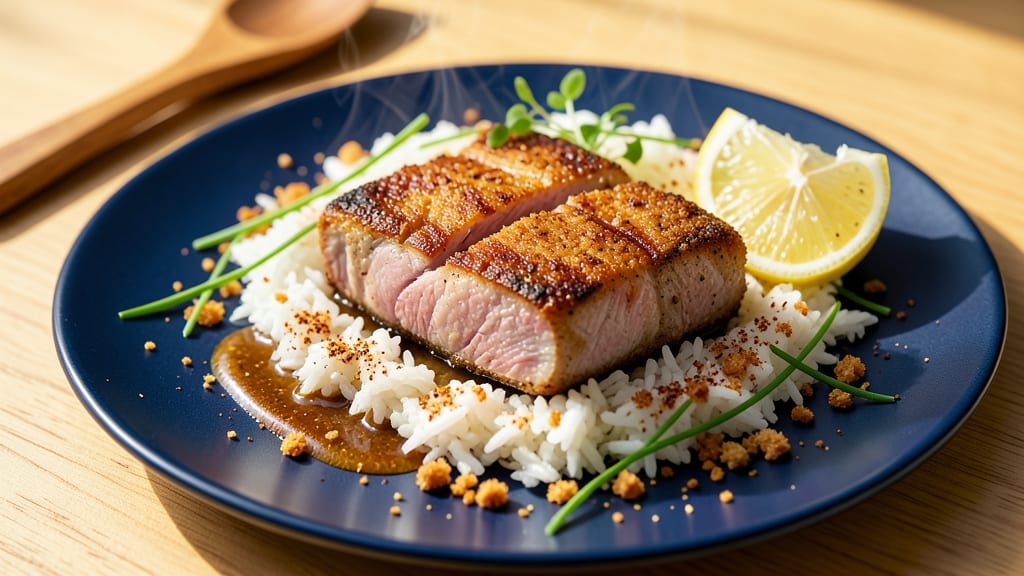
This breaded pork shoulder steak delivers the perfect balance of crispy golden crust and juicy pink centers—just like my grandma used to make back in Georgia. 🔥 The secret lies in a simple three-step breading process that locks in moisture while creating that irresistible crunch.
I've perfected this technique over years of cooking pork for crowds at The Smoky Pig, and it never fails to impress.
What sets this recipe apart is the one-pan method that keeps everything simple without sacrificing flavor. We start with a dry flour coating to create texture, then dip in beaten eggs for adhesion, and finish with seasoned breadcrumbs that form that signature crispy shell.
The key is cooking it just right—hot enough for that golden crust but not so fast that the inside stays cold.
By the time you're done, you'll have a steak that's crispy on the outside with a juicy, tender interior that practically melts in your mouth. The aroma alone will have everyone gathering around the table, and the first bite delivers that perfect contrast of textures.
This is the kind of dish that transforms a simple weeknight dinner into something special.
Serve with classic sides like mashed potatoes or a fresh green salad to let the star of the show shine. The beauty of this recipe is its versatility—it works equally well for family dinners or special occasions, and the leftovers reheat beautifully for sandwiches the next day. Let's get cooking!
Ingredients for breaded pork shoulder steak
Pantry staples plus a few special touches—this is how you get that signature Southern crunch and juiciness.
| Ingredient | Amount | Notes |
|---|---|---|
| Pork Shoulder Steak 🍖 | 1 ½ lb | 1-inch thick cut, bone-in preferred |
| All-Purpose Flour 🌾 | ½ cup | For dry coating, sifted |
| Large Eggs 🥚 | 2 whole | Room temperature for even coating |
| Panko Breadcrumbs 🍞 | 1 ½ cups | Japanese-style for extra crunch |
| Paprika 🌶️ | 1 tbsp | Smoked variety for depth |
| Garlic Powder 🧄 | 1 tsp | Freshly ground preferred |
| Onion Powder 🧅 | 1 tsp | For savory base |
| Salt 🧂 | 1 tsp | Diamond Crystal preferred |
| Black Pepper 🌶️ | ½ tsp | Freshly cracked |
| Vegetable Oil 🫒 | ½ cup | High smoke point for frying |
| Butter 🧈 | 2 tbsp | Unsalted, for basting |
| Fresh Parsley 🌿 | ¼ cup | Chopped, for garnish |
The pork shoulder steak is everything here. Look for bone-in cuts at your local butcher—they stay juicier, and the bone adds flavor. Costco or Whole Foods usually carry pre-cut steaks, but if you're buying whole, ask for a 1-inch thick slice. The thicker the cut, the more tender it stays. Pat it dry before breading—this step can't be skipped—or the coating won't stick. I always buy extra because it's so versatile for sandwiches later. For the breadcrumbs, Panko is a game-changer—it's lighter than regular breadcrumbs and gives that perfect crispy texture.
No panko? Toast regular breadcrumbs in a dry pan for 2 minutes—they'll crisp up just as well. Out of eggs? Use 3 tbsp aquafaba (chickpea brine) per egg, but whisk it extra well. The smoked paprika is non-negotiable for that authentic Southern flavor, but if you only have regular paprika, add a pinch of liquid smoke for depth. Fresh parsley isn't essential, but it adds a bright pop of color. If you're short on time, dried parsley works—just use half the amount. The vegetable oil should have a high smoke point—Avocado or canola oil are my go-tos, but any neutral oil will do.
This steak reheats like a dream—wrap it in foil and warm in the oven for 10 minutes at 350°F. Store leftovers in the fridge for up to 4 days, but honestly, they won't last that long. For sandwiches, slice it thin and pile on your favorite fixings. The breading stays crispy if you reheat it in a skillet for 1-2 minutes. Freeze portions by wrapping them tightly in parchment paper—they keep for 3 months and taste just as good thawed and reheated.
Why You'll Love This Recipe
- Five-Ingredient Magic: I swear by this combo—flour, egg, panko, paprika, and pork. That’s it. No fancy marinades or hours of prep; just slap it together while dinner burns on the stove.
- Crispy-Creamy Payoff: The panko gives you that addictive crunch, but the pork stays juicy inside. Honestly, the first bite makes me forget I’m not at a restaurant.
- Tailgate or Tuesday: Serve it with fries at a game or toss it in a sandwich for lunch. My kids beg for it after soccer practice—no one cares if it’s "fancy."
- Leftovers That Don’t Suck: Cold slices reheat beautifully for breakfast tacos or a quick lunch. Between us, this recipe saves my wallet and my sanity when I’m too tired to cook.
Step-by-step instructions for breaded pork shoulder steak
Here's how to create that perfect golden crust while keeping the meat tender and juicy inside.
👨🍳 Step 1: Prep the Pork and Seasoning Mix
Pat the 1.5 lb pork shoulder steak completely dry with paper towels—this is crucial for that crispy crust. I like to press down firmly to remove any moisture that could prevent the breading from sticking. Place the steak on a cutting board and trim any excess fat if needed.
In a shallow bowl, mix together the 0.5 cup all-purpose flour, 1 tbsp paprika, 1 tsp garlic powder, 1 tsp onion powder, 1 tsp salt, and 0.5 tsp black pepper. Sift the flour first to prevent clumping—this ensures an even coating. Give it a quick stir with a fork until everything is evenly distributed. Here's the thing—this dry rub will infuse flavor deep into the meat while helping the breading adhere perfectly.
🥘 Step 2: Create the Breading Station
Set up three shallow bowls for your breading station. In the first bowl, crack the 2 whole large eggs and whisk them lightly with a fork until just combined—no need to make them frothy, just enough to coat the steak evenly. In the second bowl, place the 1.5 cups panko breadcrumbs. The third bowl will hold the flour mixture you just prepared.
I always arrange them in this order: flour first, then eggs, then breadcrumbs. This sequence creates the strongest adhesion and prevents the breading from falling off during frying. Here's a pro tip: dip the steak into the flour first to create a better bond between the egg and breadcrumbs. Don't skip this step—it makes all the difference for that perfect golden crust.
🔥 Step 3: Bread the Steak and Rest
Dip the steak into the flour mixture, pressing gently to adhere. Shake off any excess, then dip into the beaten eggs, letting any excess drip off. Finally, press the steak into the panko breadcrumbs, covering all sides completely. I use my hands for this—it gives me better control to ensure even coverage. Place the breaded steak on a wire rack set over a baking sheet and let it rest for 10 minutes. This resting period helps the breading set and prevents it from falling off when you fry.
While it rests, heat 0.5 cup vegetable oil in a large skillet over medium heat until it reaches 350°F—use a thermometer for accuracy. The oil should be hot enough to sizzle when you add the steak but not smoking. Here's where it gets exciting: if you see smoke, reduce the heat slightly. You want that perfect sear without burning the breading.
🍳 Step 4: Fry to Golden Perfection
Carefully place the breaded steak in the hot oil. You'll hear a satisfying sizzle—the sound of crispy magic happening. Fry for 4-5 minutes per side, turning only once, until the breading is deep golden brown and crispy. Don't press down on the steak—this will make the breading soggy. Instead, let it cook undisturbed so it develops that beautiful crunch.
About 1 minute before the steak is done, reduce the heat to medium-low and add the 2 tbsp butter to the pan. The butter will baste the steak, adding richness and helping create a glossy finish. Watch for the internal temperature to reach 145°F—this ensures juicy meat without overcooking. Transfer the steak to a paper towel-lined plate to drain excess oil.
🍽️ Step 5: Rest and Serve with Fresh Parsley
Let the steak rest for 5 minutes before slicing. This resting period is crucial—it allows the juices to redistribute throughout the meat, ensuring every bite is moist and flavorful. While it rests, chop the 0.25 cup fresh parsley finely. The bright green color and fresh flavor will complement the rich, savory steak beautifully.
Slice the steak against the grain into ½-inch thick pieces. The breading should be crispy on the outside while the meat inside remains tender and juicy. Serve immediately with the chopped parsley sprinkled on top. Each bite should deliver that perfect combination of crunchy breading and succulent pork—a true one-pan masterpiece that's sure to impress.
Pro Tips For Making Breaded Pork Shoulder Steak
- Pat the steak dry: I learned this the hard way—wet pork shoulder means soggy breading. Grab paper towels and press hard on both sides before dredging. No half-measures here; you want it bone-dry, or your crust will turn to mush when frying.
- Use cold eggs: Room-temperature eggs coat unevenly and make the breading clump. Crack them straight from the fridge into a shallow dish, then whisk vigorously. The cold helps the panko stick better and keeps the coating crispier longer.
- Don’t overcrowd the pan: I used to toss in all the steaks at once, thinking it’d save time. Bad move. Overcrowding drops the oil temperature, leading to greasy, uneven cooking. Fry in batches—two at most—with at least 1 inch between pieces. Patience here means a golden crust, not a sad, greasy mess.
- Toast the panko first: Skip the raw panko—it’s boring. Lightly toast it in a dry pan over medium heat for 2-3 minutes until it smells nutty. Mix in the paprika right after, then let it cool before breading. The extra flavor and texture make a real difference, and it’s just 5 minutes of work.
Best sauces and condiments for this recipe
Classic BBQ Sauce
My go-to for this steak is a tangy, smoky BBQ sauce that cuts through the richness. I use Sweet Baby Ray's Original BBQ Sauce—it's got that perfect balance of sweetness and heat.
Drizzle about 2 tablespoons over the steak right before serving, or brush it on lightly during the last 30 seconds of frying for extra caramelization.
For a homemade version, mix ½ cup ketchup, 2 tablespoons apple cider vinegar, 1 tablespoon brown sugar, 1 teaspoon smoked paprika, and ½ teaspoon garlic powder. Simmer for 5 minutes until thickened. 🌶️
Honey Mustard Glaze
This sweet-and-tangy glaze adds a bright contrast to the crispy breading. Whisk together 3 tablespoons honey, 2 tablespoons Dijon mustard, 1 tablespoon apple cider vinegar, and ½ teaspoon garlic powder.
Brush this glaze over the steak during the last 2 minutes of frying, or drizzle it on top after serving. The honey caramelizes beautifully, creating a sticky, glossy finish that pairs perfectly with the savory pork. I love this glaze for a more elegant presentation.
Garlic-Herb Butter
For a rich, aromatic finish, melt 2 tablespoons unsalted butter with 1 minced garlic clove, ½ teaspoon dried thyme, and a pinch of salt. Once the steak is fried, spoon this butter over the top and let it melt into the breading.
The garlic and herbs infuse into the crispy crust, adding layers of flavor without overpowering the pork. This is my secret weapon for restaurant-quality results at home. 🧈
Spicy Sriracha Mayo
If you love heat, this condiment is a game-changer. Mix 3 tablespoons mayonnaise with 1 teaspoon sriracha, ½ teaspoon lime juice, and a pinch of salt. Spread a thin layer on the steak slices before serving, or serve it on the side for dipping.
The creamy mayo balances the crispy breading, while the sriracha adds a kick. For extra flavor, add ½ teaspoon honey to mellow out the heat slightly.
Classic Horseradish Cream
A Southern favorite, this creamy condiment adds a sharp, tangy bite. Mix 3 tablespoons sour cream with 1 tablespoon prepared horseradish, ½ teaspoon lemon juice, and a pinch of salt. Spoon this alongside the steak or dollop it on top.
The horseradish cuts through the richness of the pork, cleansing your palate with every bite. It’s especially good if you’re serving this steak with mashed potatoes or a fresh salad.
Nutrition facts
Frequently asked questions
Can I use pork loin instead of pork shoulder steak?
While pork loin is leaner and works in some recipes, it's not ideal here. Pork shoulder steak stays juicier during frying due to its higher fat content. If you must substitute, choose a bone-in cut and reduce cooking time by 1 minute per side to prevent drying out. The breading will still adhere, but the texture will be slightly less tender.
Why is my breading falling off during frying?
This usually happens when the steak isn't dry enough or the breading isn't properly adhered. Always pat the meat thoroughly with paper towels before breading, and follow the flour-egg-breadcrumb sequence. For extra adhesion, dip the steak in ice water for 30 seconds before breading—this helps the coating set faster. Also ensure your oil isn't too hot (350°F max) or the breading will burn before sticking.
How do I make this recipe air fryer-friendly?
Preheat your air fryer to 375°F and spray the basket lightly with oil. Arrange the breaded steak in a single layer (no overlapping) and cook for 12-15 minutes, flipping halfway. The breading may not be as crispy as deep-frying, but it'll still be delicious. For extra crunch, broil for 1-2 minutes at the end. This method uses 80% less oil while keeping the meat juicy.
What's the best way to reheat leftovers?
For maximum crispiness, reheat in a skillet over medium heat for 2-3 minutes per side until golden. If using the oven, wrap in foil and bake at 350°F for 10 minutes. For sandwiches, toast the breading in a dry pan for 30 seconds—this restores the crunch perfectly. Never microwave, as it makes the breading soggy. Leftovers keep well for 4 days in the fridge.
Can I marinate the pork before breading?
While not traditional, a 30-minute marinade can add extra flavor. Try ½ cup buttermilk with 1 tbsp hot sauce and 1 tsp garlic powder. Pat dry completely before breading—any moisture will prevent the coating from sticking. For best results, marinate for no longer than 1 hour, as pork absorbs flavors quickly and can become mushy.