
Main Courses
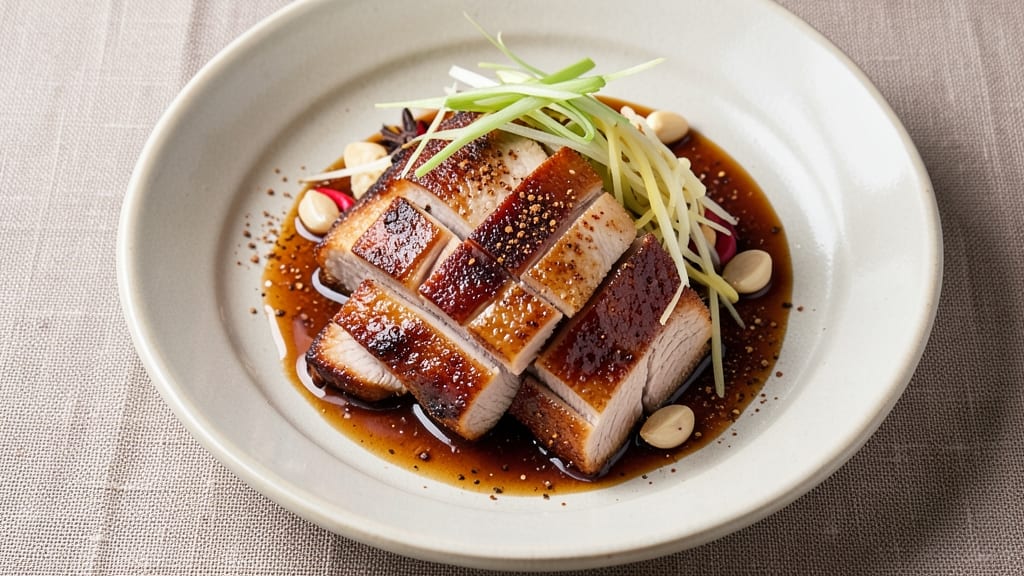
This Chinese double cooked pork recipe delivers the perfect balance of crispy edges and tender, sticky centers—just like my first taste of it in a dim sum house in Hong Kong.
The technique transforms tough pork shoulder into melt-in-your-mouth perfection through a two-stage cooking process that builds layers of five-spice flavor and caramelized richness. I've perfected this method after years of testing, ensuring every bite delivers that signature contrast between crispy wok-tossed exterior and velvety interior.
The magic happens in the braising, where pork cooks low and slow until fork-tender, then gets tossed in a hot wok to create that signature crispy texture.
Five-spice powder and soy sauce form a sticky glaze that clings to each piece, while a touch of honey adds depth without overpowering the savory profile.
This dish isn't just about technique—it's about the harmony of textures and flavors that makes it a Cantonese classic, though I've adapted it with Southern touches that feel right at home in my kitchen.
What you'll end up with is restaurant-quality double cooked pork that's crispy, caramelized, and packed with aromatic five-spice notes. The pork practically falls apart when you cut into it, releasing juices that create a sticky, flavorful sauce in every bite.
Serve it over steamed rice with quick-pickled vegetables or a simple cucumber salad to cut through the richness—this is the kind of dish that transforms a weeknight dinner into a memorable meal.
Whether you're serving family or hosting dinner guests, this recipe delivers impressive results with professional techniques simplified for home cooks. The key is patience in the braising and confidence in the wok tossing—once you master these steps, you'll have a dish that's worth repeating.
Let's get started on this flavorful journey that begins with a humble pork shoulder and ends with something truly special.
Ingredients for chinese double cooked pork
Six ingredients transform tough pork into melt-in-your-mouth perfection with crispy edges and sticky centers.
| Ingredient | Amount | Notes |
|---|---|---|
| Pork Shoulder 🥓 | 3 lb | Bone-in, cut into 1.5-inch chunks |
| Five-Spice Powder 🌶️ | 2 tbsp | High-quality, aromatic blend |
| Light Soy Sauce 🥢 | ½ cup | Kikkoman preferred for balance |
| Dark Soy Sauce 🥢 | 1 tbsp | For deeper color and flavor |
| Honey 🍯 | 2 tbsp | Wildflower for floral notes |
| Garlic Cloves 🧄 | 8 cloves | Minced, fresh preferred |
| Fresh Ginger 🌿 | 2 tbsp | Finely grated, peeled |
| Cornstarch 🌾 | 2 tbsp | For crispy coating |
| Neutral Oil 🫒 | ½ cup | Peanut or vegetable oil |
| Sesame Oil 🫒 | 1 tbsp | Toasted, for aroma |
| White Rice Vinegar 🍶 | 1 tbsp | For brightness |
| Salt 🧂 | 1 ½ tsp | Kosher, adjust to taste |
| Black Pepper 🌶️ | ½ tsp | Freshly cracked |
| Green Onions 🧅 | 4 whole | Sliced, for garnish |
The pork shoulder is non-negotiable—bone-in cuts stay juicier, and you'll find them at Costco or your butcher's counter. Look for pieces with good marbling, not lean cuts. Five-spice powder should be freshly ground if possible—Penzeys or bulk bins at Asian markets have the best quality. The honey adds depth without overpowering; wildflower varieties have subtle floral notes that complement the five-spice beautifully. If you're short on time, a 1.5-inch chunk size ensures even cooking without over-braising.
No five-spice powder? Mix 1 tsp each of cinnamon, cloves, fennel, star anise, and black pepper—it's a game-changer. Substitute honey with maple syrup if you're avoiding it, but reduce to 1.5 tbsp to avoid sweetness. The cornstarch is crucial for that signature crisp—Bob's Red Mill works perfectly. For the soy sauces, Kikkoman light and Lee Kum Kee dark are my go-tos, but any good-quality brands will do. Fresh ginger is ideal, but pasteurized ginger in tubes works in a pinch—just measure by volume.
Pork shoulder keeps 3-4 days in the fridge, but it's best used within 2 days for optimal texture. Store it in a sealed container with a paper towel to absorb moisture. The five-spice powder stays potent for 6 months in a cool, dark place—glass jars with tight lids are best. For leftovers, reheat in a hot wok with a splash of water to revive the crispy edges. This dish reheats beautifully, so double the batch—it's worth the effort for lunches all week.
Why You'll Love This Recipe
- One-Pan Magic: Honestly, I just toss everything in one skillet—no fancy prep, no extra dishes. The pork shoulder gets its first sear, then a simmer in the five-spice powder and soy sauces until it’s fork-tender, all while the honey caramelizes into that glossy, irresistible crust. (Yes, even on a Tuesday night.)
- Sweet-Savory Balance: That honey isn’t just for looks—it cuts through the deep umami of the dark soy sauce, while the five-spice powder adds warmth that lingers. The first bite? Crispy exterior, juicy inside, with a sticky-sweet glaze that’s dangerously addictive. My daughter picks out the pork slices for her lunchbox, no lie.
Step-by-step instructions for Chinese double cooked pork
Here's how to transform tough pork shoulder into tender, crispy perfection with a glossy five-spice glaze.
Marinate and First Cook the Pork
In a large bowl, combine the 3 lb pork shoulder with 0.5 cup light soy sauce, 1 tbsp dark soy sauce, 2 tbsp honey, 1.5 tsp salt, 0.5 tsp black pepper, 8 cloves minced garlic, and 2 tbsp finely grated ginger. Mix thoroughly until the meat is evenly coated and the marinade penetrates all surfaces.
Transfer the marinated pork to a Dutch oven or heavy pot. Add enough water to come halfway up the meat (about 2 cups). Bring to a boil over high heat, then reduce to a simmer. Cover and cook for 1 hour 30 minutes until the pork is fork-tender and the meat pulls away from the bone easily. The internal temperature should reach 195°F—this is crucial for the second cook.
Once cooked, remove the pork and let it rest for 15 minutes before shredding. The meat should be moist and tender, ready for the crispy transformation. Reserve the cooking liquid for another use—it's packed with flavor.
Create the Five-Spice Glaze
In a small bowl, whisk together 2 tbsp five-spice powder, 2 tbsp cornstarch, and 1 tbsp white rice vinegar to form a smooth paste. This glaze will give the pork its signature aroma and crispy texture. Set aside for now—we'll use it after the second cook.
In a separate small bowl, mix 1 tbsp sesame oil with 0.5 cup neutral oil. This oil blend will be used for the second cooking phase to ensure a crispy exterior while keeping the pork juicy inside.
Second Cook for Crispy Perfection
Heat a wok or large skillet over high heat until a drop of water sizzles violently when added. Add the oil blend and swirl to coat the bottom evenly. Working in batches if needed, add the shredded pork to the wok and stir-fry vigorously for 3-4 minutes until the edges begin to crisp and turn golden brown.
Sprinkle the five-spice glaze evenly over the pork and toss continuously for another 2 minutes until the glaze caramelizes and coats the meat completely. The pork should be glossy, crispy on the edges, and fragrant with the aroma of five-spice. If the pork isn't crispy enough, cook for another 30 seconds—just watch it closely to avoid burning.
Finish and Serve
Transfer the crispy pork to a serving platter and drizzle with any remaining glaze from the wok. Garnish with 4 sliced green onions for freshness and color. The contrast between the crispy exterior and tender interior is what makes this dish so special.
Serve immediately while the pork is still hot and crispy. The five-spice glaze should be sticky and aromatic, clinging beautifully to each piece. Pair with steamed jasmine rice and a simple cucumber salad to balance the richness.
Pro Tips For Making Chinese Double Cooked Pork
- Par-Cook First, Then Crisp: Braise the pork shoulder until it’s fork-tender—no need to rush this. After the first cook, let it cool completely before the second sear; cold meat crisps better and won’t release moisture into the pan. (Yes, even if you’re impatient like me.)
- Marinate the Five-Spice: Mix the five-spice powder with a splash of honey and light soy sauce before coating the pork. This lets the spices cling to the meat instead of floating away in the braising liquid. I learned this the hard way—dry-rubbed five-spice just doesn’t stick.
- Dark Soy for Color, Light for Flavor: Use dark soy sauce only for the final glaze—it’s all about that glossy, restaurant-worthy sheen. Reserve the light soy for the braising liquid; too much dark soy in the first cook makes the pork taste bitter. Trust me, your taste buds will notice.
- Rest Before Slicing: Give the pork a solid 10 minutes under foil after the second cook. Cutting into it too soon turns your beautiful slices into a mushy mess. (Your future self will thank you—yes, even if you’re starving.)
Best sauces and condiments for chinese double cooked pork
Five-Spice Gloss
The star of this dish is the five-spice glaze—a fragrant blend of 2 tbsp five-spice powder, 2 tbsp cornstarch, and 1 tbsp white rice vinegar.
The cornstarch creates a crispy, caramelized crust when tossed in the wok, while the vinegar brightens the deep, toasty notes of the five-spice. I always use Penzeys five-spice blend—it’s the most aromatic I’ve found, with perfect balance between cinnamon, cloves, fennel, star anise, and pepper.
For extra depth, add 1 tsp grated ginger to the glaze mixture before tossing. 🌶️
Sesame Oil Finish
A drizzle of toasted sesame oil at the end elevates the dish to restaurant-quality. Use 1 tbsp—just enough to coat the pork lightly without overpowering. The nutty aroma complements the five-spice perfectly and adds a subtle richness.
I like to heat the oil slightly before drizzling to release its full flavor. For a smoky twist, add ½ tsp chili crisp with the sesame oil—it’s a Cantonese favorite that adds a little heat. 💫
Sweet-Savory Balance
The honey in the marinade and glaze is key to balancing the savory soy and aromatic spices. 2 tbsp wildflower honey adds floral notes that cut through the saltiness, while 1 tbsp dark soy sauce deepens the color and umami.
If you prefer less sweetness, reduce the honey to 1 tbsp and add ½ tsp sugar to the glaze for a more controlled caramelization. Trust me, this adjustment makes a world of difference for those who prefer their pork less sweet. 🍯
Umami Boosters
For an extra layer of depth, stir 1 tbsp hoisin sauce or 1 tsp fish sauce into the glaze before tossing. Both add a funky umami that’s characteristic of Cantonese cooking. Hoisin gives a slightly sweet, tangy note, while fish sauce brings a salty, briny punch.
I often use ½ tbsp of each for a perfect balance. These additions are optional but transform the dish into something truly special. ✨
Garnish Like a Pro
Finish with 4 sliced green onions for freshness and color, but don’t stop there. A sprinkle of toasted sesame seeds adds crunch, while thinly sliced red chili (if you like heat) brings a bright, spicy contrast.
For a Southern twist, I sometimes add crumbled bacon—it’s unexpected but pairs beautifully with the five-spice. Garnishes should enhance, not overpower, so keep them light and strategic. 🧅
Sauce Pairings
Serve with steamed jasmine rice to soak up the sticky glaze, but don’t forget the sides. A quick-pickled cucumber salad with rice vinegar and sugar cuts through the richness, while blistered shiitake mushrooms add earthy depth.
For a heartier meal, pair with egg fried rice or stir-fried bok choy. The contrast of textures and temperatures makes every bite more dynamic. 🥗
Nutrition facts
Frequently asked questions
Why does the pork need to be cooked twice?
The first cook breaks down the tough connective tissue in pork shoulder through slow braising, making it tender. The second wok toss creates that signature crispy exterior while keeping the inside juicy. This two-stage process is what gives the dish its perfect texture contrast—tender and sticky inside, crispy outside.
Can I use pork tenderloin instead of pork shoulder?
Pork tenderloin is too lean and will dry out during the long braising time. Stick with pork shoulder for the best results—its fat content keeps the meat moist and flavorful. If you're short on time, try a 1.5-inch thick pork loin chop instead, but reduce the braising time to 45 minutes instead of 1 hour 30 minutes.
How do I fix pork that's too dry after the first cook?
If your pork is dry after braising, you likely didn't cook it long enough or used too much water. For future attempts, check the internal temperature should reach 195°F—this ensures the collagen breaks down properly. If it's already dry, try a quick fix by shredding it and tossing with a little extra soy sauce, honey, and a splash of water to revive the juices before the second cook.
What's the best way to reheat leftovers?
Reheat leftovers in a wok or skillet over medium-high heat with a splash of water or oil to restore crispiness. Toss continuously for 2-3 minutes until heated through. Avoid microwaving—it makes the pork soggy. For extra flavor, add a pinch of five-spice powder while reheating. This method keeps the texture intact and brings back that restaurant-quality crunch.
Can I make this dish ahead of time?
Yes! Prepare the pork up to the first cook (braising) and refrigerate for up to 3 days. Finish the second cook just before serving to maintain crispiness. Alternatively, cook the pork completely and store it in an airtight container for 3 days, then reheat as directed above. The flavors actually improve overnight as the spices meld together.