
Main Courses
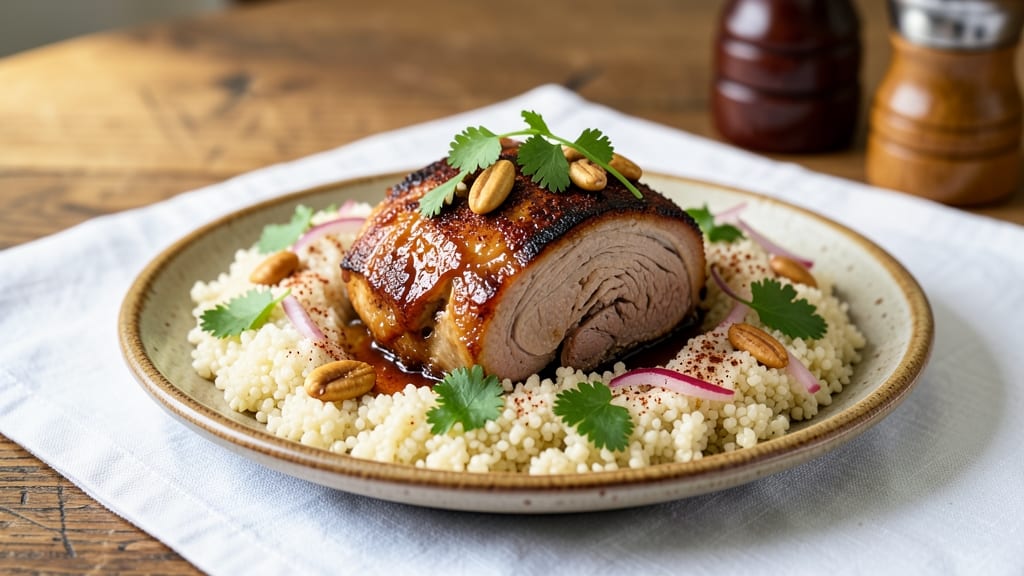
This Moroccan spice-infused couscous pork recipe transforms a simple weeknight meal into a restaurant-worthy experience—all in one pot. 🌟 I developed this dish after years of perfecting North African flavors, where tender pork shoulder meets fragrant couscous in a symphony of spices.
The secret lies in slow-cooking the pork until it practically melts, then absorbing its rich juices into fluffy, toasted couscous. What sets this recipe apart is the balance of traditional techniques and modern convenience.
You’ll start with a foolproof marinade of cumin, coriander, and paprika that infuses the pork, followed by a one-pot cooking method that minimizes cleanup. The couscous isn’t just boiled—it’s toasted in the pot with the pork’s rendered fat, creating a nutty, aromatic base that elevates every bite.
By the time you serve this dish, you’ll have juicy, fall-apart pork paired with perfectly fluffy couscous, all infused with warm North African spices. The dish is hearty enough for a family dinner but elegant enough for guests, and it’s packed with flavor without requiring complicated steps.
For extra depth, I’ll share my go-to garnishes—fresh cilantro, toasted almonds, and a drizzle of harissa—to take it from delicious to unforgettable. Let’s get cooking!
Ingredients for couscous pork
Fourteen ingredients, one pot, Moroccan magic—this dish is all about bold flavors and effortless elegance.
| Ingredient | Amount | Notes |
|---|---|---|
| Boneless Pork Shoulder 🐖 | 2 lb | Cut into 1.5-inch cubes, marbled for juiciness |
| Instant Couscous 🌾 | 1 ½ cups | Pearl or whole wheat variety preferred |
| Ground Cumin 🌿 | 1 ½ tbsp | Toasted for deeper aroma |
| Ground Coriander 🍃 | 1 tbsp | Freshly ground preferred |
| Smoked Paprika 🌶️ | 1 ½ tbsp | Sweet or hot variety |
| Ground Turmeric 🌿 | ½ tsp | For vibrant color and earthy flavor |
| Garlic Cloves 🧄 | 6 cloves | Minced for marinade |
| Fresh Ginger 🌿 | 1 tbsp | Grated, for zesty kick |
| Extra-Virgin Olive Oil 🫒 | ½ cup | For marinade and toasting |
| Dried Apricots 🍑 | ½ cup | Chopped, for sweet contrast |
| Chicken or Vegetable Broth 💧 | 1 ½ cups | Low-sodium preferred |
| Fresh Cilantro 🌿 | ¼ cup | Chopped, for garnish |
| Toasted Sliced Almonds 🥜 | ¼ cup | For crunchy texture |
| Harissa Paste 🌶️ | 1 tbsp | Adjust for heat preference |
| Salt 🧂 | 1 ½ tsp | Diamond Crystal preferred |
| Black Pepper 🌶️ | ½ tsp | Freshly cracked |
The pork shoulder is non-negotiable here—it needs that fat marbling for juicy, fall-apart texture. Look for well-marbled cuts at your butcher or the meat department, and ask for it cut into 1.5-inch cubes for even cooking. If you're short on time, Costco or Whole Foods often have pre-cubed pork shoulder. For the spices, Penzeys or Spicewalla are my go-tos for authentic North African blends, but the bulk bins at Trader Joe's work in a pinch. Toast your whole spices (cumin, coriander) in a dry pan for 30 seconds before grinding—they'll sing with flavor. Skip the pre-ground stuff if you can.
No smoked paprika? Substitute regular paprika plus a pinch of liquid smoke, but it won't be quite the same. Fresh cilantro hating you? Dried parsley at half the amount saves the day. The couscous can be instant or traditional—just note that traditional takes longer to toast. For the broth, low-sodium is key so you can control the saltiness. The dried apricots add sweetness, but raisins or chopped dates work if that's what you've got. Pro move: Soak the apricots in warm water for 10 minutes before chopping—they'll be easier to blend into the marinade.
This dish tastes even better the next day—plan ahead! Store leftovers in an airtight container for up to 4 days in the fridge, or freeze for 3 months. The couscous reheats beautifully with a splash of broth. For serving, I like to toast the almonds in a dry pan for 2 minutes until golden, then drizzle with harissa straight from the jar. Save the leftover harissa in the fridge for up to 6 months—it only gets better with age. Double the recipe if you're feeding a crowd; it scales perfectly.
Why You'll Love This Recipe
- Here’s what sold me: this reheats like a dream. Pack the leftovers for lunch, and it’s still warm, flavorful, and way better than sad takeout. (Yes, even on a Tuesday.) The couscous stays fluffy, and the pork? Still melts in your mouth.
- One-Pot Magic: I swear by this recipe because it’s actually one-pan—no fussing with multiple dishes. The pork shoulder gets tender right alongside the couscous, and honestly? The spices (that smoky paprika and cumin) infuse everything at once. My weeknights thank me.
- Spice Bomb Flavor: Between us, this combo of coriander and smoked paprika is ridiculously good—earthy, slightly sweet, with just enough heat to linger. The couscous soaks up all the pork juices, turning it into this creamy, savory bite. My picky eaters don’t even complain.
- Lunchbox Hero: Here’s what sold me: this reheats like a dream. Pack the leftovers for lunch, and it’s still warm, flavorful, and way better than sad takeout. (Yes, even on a Tuesday.) The couscous stays fluffy, and the pork? Still melts in your mouth.
Step-by-step instructions for Moroccan spiced couscous pork
This one-pot wonder delivers tender pork infused with warm Moroccan spices and fluffy couscous.
🍳 Step 1: Sear the Pork for Deep Flavor
Heat the 0.5 cup extra-virgin olive oil in a large, heavy pot over medium-high heat until shimmering. Working in batches to avoid crowding, add the 2 lb boneless pork shoulder cut into 1.5-inch cubes and sear for 3-4 minutes per side until golden brown and slightly crispy. You want that beautiful Maillard reaction happening—this builds the foundation for all that Moroccan flavor.
As you sear, I like to press down gently on the pork cubes during the first minute—this prevents them from curling and ensures even contact with the pan. Once all pork is browned, transfer it to a plate and set aside. Don't drain the oil; those flavorful bits are about to become the base of our sauce.
👨🍳 Step 2: Build the Moroccan Spice Base
In the same pot, reduce heat to medium and add the 6 cloves minced garlic and 1 tbsp grated fresh ginger. Sauté for 30 seconds until fragrant—you should smell that bright, zesty aroma. Then add the 1.5 tbsp ground cumin, 1 tbsp ground coriander, 1.5 tbsp smoked paprika, 0.5 tsp ground turmeric, 1 tbsp harissa paste, 1.5 tsp salt, and 0.5 tsp black pepper.
Stir the spices into the oil for 1-2 minutes until they're toasted and aromatic. Here's where the magic happens—the spices release their oils and create that complex Moroccan flavor profile. If you smell anything burning, reduce the heat immediately. The goal is toasted spices, not charred ones.
🥘 Step 3: Deglaze and Simmer the Pork
Pour in the 1.5 cups chicken or vegetable broth and scrape up all those delicious browned bits from the bottom of the pot with a wooden spoon. This deglazing step captures all that concentrated flavor. Bring the mixture to a gentle simmer, then return the pork to the pot. Add the 0.5 cup chopped dried apricots and stir to combine.
Cover the pot and simmer on low heat for 1 hour and 15 minutes, stirring occasionally. The pork should be fork-tender and falling apart slightly. If the liquid reduces too much before the pork is done, add 2-3 tablespoons of water to maintain moisture. The apricots will soften and release their sweetness, balancing the spices beautifully.
🍳 Step 4: Toast the Couscous and Finish
While the pork simmers, toast the 1.5 cups instant couscous in a dry skillet over medium heat for 2-3 minutes, stirring constantly, until it's fragrant and slightly golden. This toasting step adds depth of flavor to the couscous—don't skip it! Transfer the toasted couscous to the pot with the pork mixture.
Stir everything together and bring to a gentle boil. Then reduce heat to low and simmer for 5 minutes, stirring occasionally. The couscous will absorb the liquid and become fluffy. Taste and adjust seasoning if needed—you might want to add a pinch more salt or a splash more broth for the perfect consistency.
🍽️ Step 5: Garnish and Serve
Remove from heat and let the mixture sit covered for 5 minutes to allow the flavors to meld. Stir in the 0.25 cup chopped fresh cilantro and 0.25 cup toasted sliced almonds. The almonds add a delightful crunch that contrasts with the tender pork and fluffy couscous.
Serve immediately in deep bowls, garnished with additional cilantro and almonds if desired. Each bite delivers perfectly tender pork infused with Moroccan spices, sweet apricots, and fluffy couscous. The dish is hearty enough to stand alone or pair beautifully with a simple green salad and warm flatbread.
Pro Tips For Making Couscous Pork
- BROWN THE PORK FIRST: Don’t skip the sear—cut the pork shoulder into 1-inch chunks and cook them in a hot pan with 1 tablespoon of oil until deeply browned on all sides. I learned this the hard way: skipping this step means your dish will taste more like stew than crispy, flavorful pork. The Maillard reaction is your friend here.
- TOAST YOUR SPICES: Dry-toast the cumin, coriander, and smoked paprika in the same pan you browned the pork for 30 seconds—just until fragrant. Sounds weird, but it works: the spices lose their raw, bitter edge and meld into the pork’s fat. (Yes, even if you’re impatient like me.)
- DON’T OVERCOOK THE COUSCOUS: Instant couscous expands fast—measure the water precisely (1:1 ratio) and cover the pot immediately. After 5 minutes, remove from heat and let it sit, covered, for another 5. I’ve ruined batches by checking too early; the texture goes from fluffy to gluey in seconds.
- SWEAT THE AROMATICS: Before adding the pork, cook finely chopped onion and garlic in the pork fat until soft and translucent—about 5 minutes. This step builds flavor without burning, and it’s the thing that matters most when balancing the spices. (Skip it, and your dish will taste like seasoning on top of pork, not a cohesive meal.)
Common mistakes when making perfect results
Overcrowding the Pot
I’ve seen too many cooks try to rush this recipe by dumping all the pork cubes into the pot at once. The result? Pork that steams instead of sears, leading to bland, watery meat.
Always work in batches—2-3 minutes per side over medium-high heat—until you see that golden crust form. Trust me, that Maillard reaction is non-negotiable for flavor. 🔥
Skipping the Spice Toast
One of the biggest mistakes I see is adding spices directly to the broth without toasting them first. Those whole spices—cumin, coriander, paprika—need 1-2 minutes in the hot oil to release their oils and aroma.
If you skip this step, your dish will taste flat and one-dimensional. Toast them until fragrant, then stir into the broth.
Undercooking the Pork
Pork shoulder needs patience—don’t rush the 1 hour and 15 minutes simmer time. I’ve had cooks pull it out at 1 hour thinking it’s done, only to find it tough and chewy.
Use a meat thermometer to check for 203°F internal temperature—that’s when it’ll be fork-tender and falling apart. If the liquid reduces too quickly, add 2-3 tbsp water to keep it moist.
Ignoring the Couscous Toast
Many people just dump couscous into the pot with broth and expect it to be perfect. Big mistake! Toasting the couscous in a dry skillet for 2-3 minutes adds a nutty depth that transforms it from bland to amazing.
Skip this, and you’ll miss out on that essential flavor layer. Pro tip: Stir constantly to avoid burning.
Overlooking the Resting Time
After cooking, let the dish sit covered for 5 minutes before serving. This resting time lets the flavors meld and the couscous absorb any remaining juices. I’ve seen cooks rush this step, and the result is a dish that’s less cohesive.
Patience here makes all the difference—your taste buds will thank you. ✨
Using the Wrong Couscous
Instant couscous is convenient, but it’s not the only option—and using the wrong type can ruin your dish. Traditional couscous (like Moroccan or Algerian) has a coarser texture and needs more time to toast.
If you’re short on time, instant works, but for the best results, use whole wheat or pearl couscous—they hold up better to the one-pot method and add extra texture.
Nutrition facts
Frequently asked questions
Can I use ground pork instead of pork shoulder for this recipe?
Ground pork won't work here because it lacks the fat marbling and connective tissue that makes pork shoulder so tender when slow-cooked. The shoulder's collagen breaks down during the 1 hour and 15 minutes simmer, creating that melt-in-your-mouth texture. If you're set on ground pork, try a different recipe like Moroccan meatballs with couscous instead.
How do I make this recipe gluten-free?
Replace the couscous with certified gluten-free quinoa or millet—both toast beautifully and absorb flavors well. Use a 1:1 ratio and increase the broth by ¼ cup since quinoa needs more liquid. For extra texture, add ½ cup cooked chickpeas to the pot during the final simmer. Always check labels on spices and broth for hidden gluten.
Can I prepare this dish in an Instant Pot?
Sear the pork cubes first, then add all ingredients except the couscous. Cook on high pressure for 25 minutes, then quick-release. Toast the couscous separately in a dry skillet, then stir it into the pot with the pork. The Instant Pot cuts cooking time to 30 minutes total, but the flavors will still develop beautifully. Just be sure to check the internal temperature—it should reach 203°F.
What's the best way to reheat leftovers?
Reheat gently in a skillet with 1-2 tablespoons of broth over low heat for 5-7 minutes, stirring occasionally. The couscous absorbs liquid quickly, so add broth gradually to prevent drying. For extra flavor, sprinkle a pinch of smoked paprika and cumin while reheating. Leftovers keep well for 4 days in the fridge or 3 months frozen—just thaw overnight in the fridge.
Why does my couscous turn out gummy?
Gummy couscous usually means either too much liquid was added or the couscous wasn't toasted properly. Always toast the couscous in a dry skillet first—this creates a barrier that prevents it from absorbing too much moisture. If using instant couscous, measure the broth carefully: 1.5 cups broth for 1.5 cups couscous is the perfect ratio. For traditional couscous, reduce broth by ¼ cup since it absorbs less.