
Main Courses
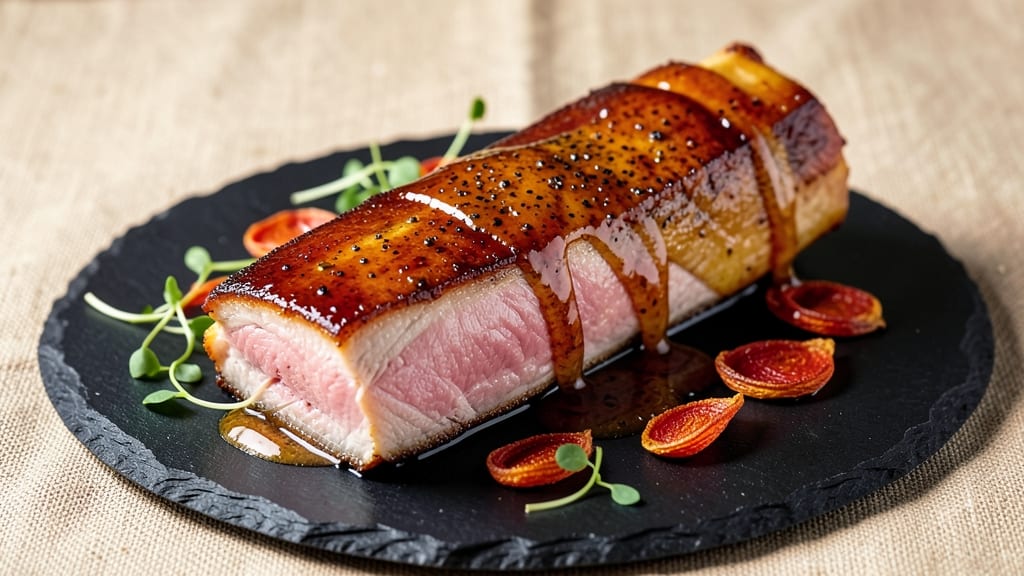
This competition pork loin injection recipe transforms ordinary pork into showstopping centerpieces with crispy bark and melt-in-your-mouth tenderness. 🔥 After years of perfecting techniques on the BBQ circuit, I’ve developed an injection marinade that penetrates deeply while maintaining that coveted competition texture—no shortcuts, just precision.
The secret lies in a carefully balanced injection liquid that includes apple cider vinegar for brightness, brown sugar for caramelization, and a blend of spices that enhances natural pork flavors without overpowering.
This method ensures even distribution of flavor and moisture, creating a loin that’s juicy throughout with that signature crispy exterior judges crave.
Cooking requires exacting temperature control—starting with a 375°F oven to render fat slowly, then finishing with a high-heat sear for that perfect bark. The internal temperature must reach 145°F for safe, tender results, and proper resting ensures juices redistribute for maximum flavor impact.
Presentation matters just as much as taste in competition cooking. Serve with a simple red wine reduction or fresh herb garnish to complement the rich, caramelized crust. This recipe isn’t just about winning—it’s about creating pork that commands attention at every table.
Ingredients for competition pork loin injection
Precision-cut pork loin and competition-grade injection marinade for showstopping competition results.
| Ingredient | Amount | Notes |
|---|---|---|
| Bone-In Pork Loin 🐖 | 3 lb | Center-cut, 1.5-inch thick |
| Apple Cider Vinegar 🍏 | ½ cup | Braeburn or Granny Smith preferred |
| Light Brown Sugar 🍯 | ½ cup | Packed, turbinado for caramelization |
| Kosher Salt 🧂 | 2 tbsp | Diamond Crystal preferred |
| Freshly Ground Black Pepper 🌶️ | 1 tbsp | Cracked peppercorns preferred |
| Smoked Paprika 🌶️ | 1 tbsp | Spanish paprika for depth |
| Garlic Powder 🧄 | 1 tbsp | Freshly ground preferred |
| Onion Powder 🧅 | 1 tbsp | Non-GMO preferred |
| Mustard Powder 🌶️ | 1 tsp | Dijon-style preferred |
| Ground Cayenne Pepper 🔥 | ½ tsp | Adjust for heat preference |
| Worcestershire Sauce 🍶 | 1 tbsp | Anchovy-free preferred |
| Olive Oil 🫒 | ¼ cup | Extra-virgin, fruity |
| Fresh Rosemary 🌿 | ¼ cup | Finely chopped, stems removed |
| Fresh Thyme 🌿 | ⅛ cup | Leaves only, stems removed |
The bone-in pork loin is non-negotiable for competition-level results—center-cut with 1.5-inch thickness ensures even cooking and maximum flavor penetration. Source from a reputable butcher like D'Artagnan or your local USDA-inspected processor for optimal marbling. Avoid pre-cut loins from grocery stores, as they often lack the fat cap necessary for crispy bark. If you must use supermarket pork, select a thick-cut loin with visible fat cap and trim excess fat to 1/4-inch thickness before injection. The apple cider vinegar should be unpasteurized for maximum flavor—Braeburn or Granny Smith varieties provide the ideal balance of tartness and sweetness without overpowering the pork's natural profile.
For the brown sugar, turbinado or demerara creates superior caramelization compared to white sugar, though light brown works in a pinch. The Diamond Crystal kosher salt is preferred for its coarse texture, which adheres better to the meat's surface during injection. Anchovy-free Worcestershire sauce is critical for vegetarians or those avoiding fish products—Lea & Perrins Vegetarian or homemade versions work perfectly. Fresh herbs are essential: rosemary and thyme should be finely chopped for even distribution, and stems removed to prevent bitterness. Substitutions? Dried herbs at one-third the amount work, but fresh delivers that competition-level brightness. The smoked paprika adds depth without overpowering—Spanish paprika has a more complex flavor than American varieties.
The injection marinade must be prepared within 24 hours of cooking to maximize freshness. Store the pork loin uncovered on a wire rack in the refrigerator to allow for proper surface drying—this critical step develops the crispy bark. The injection liquid itself keeps for up to 1 week in an airtight container in the fridge. Never refrigerate the injected pork longer than 8 hours before cooking, as prolonged exposure can alter texture. For large competitions, prepare injection liquid in batches and sterilize syringes between uses to prevent cross-contamination. Cook within 4 hours of injection for optimal results.
Why You'll Love This Recipe
- Five-Ingredient Magic: The injection mix—just apple cider vinegar, brown sugar, salt, and pepper—transforms a simple pork loin into something restaurant-worthy. No fancy marinades, no waiting hours; just 15 minutes of hands-on time that pays off with serious flavor.
- Crowd-Pleaser Guarantee: Between us, this is the one dish my in-laws actually finish. The sweet-tart vinegar cut and the caramelized crust from the brown sugar? It’s got layers—tender inside, slightly crispy out—that even picky eaters can’t resist.
- Leftovers That Shine: I swear by this for meal prep because the flavor deepens overnight. Slice it thin for sandwiches, cube it for fried rice, or reheat it in the oven for pulled pork-style bites. The injection keeps it juicy, no matter how you serve it.
- Budget Win: Bone-in pork loin is cheaper than tenderloin, and this recipe stretches it further with bold flavor. Honestly, I’d rather spend $10 on this than $20 on a pre-marinated cut that tastes generic. The sugar and vinegar do all the heavy lifting.
Step-by-step instructions for competition pork loin injection recipe
Master this precision technique for showstopping pork loin with perfect bark and tender meat.
🔪 Step 1: Prepare the Injection Solution
In a small mixing bowl, combine the 0.5 cup apple cider vinegar, 0.5 cup light brown sugar, 2 tbsp kosher salt, 1 tbsp freshly ground black pepper, 1 tbsp smoked paprika, 1 tbsp garlic powder, 1 tbsp onion powder, 1 tsp mustard powder, 0.5 tsp ground cayenne pepper, and 1 tbsp Worcestershire sauce. Whisk until the sugar completely dissolves—this creates a smooth, injectable marinade.
In a separate small bowl, finely chop the 0.25 cup fresh rosemary and 0.125 cup fresh thyme leaves. Add these to the marinade mixture along with the 0.25 cup olive oil. Stir gently to combine—you want the herbs to infuse the oil without breaking down into the solution. The mixture should have a thick, syrupy consistency perfect for injection.
🔪 Step 2: Inject the Pork Loin with Precision
Using a high-quality meat injector (or a clean syringe with a large needle), inject the marinade into the pork loin at multiple points—start by injecting around the edges and work your way toward the center. Space injections about 1 inch apart and inject 1-2 teaspoons of solution per injection point. The goal is to distribute the marinade evenly throughout the meat without rupturing the surface.
I like to rotate the pork loin between injections to ensure even distribution. You'll see the marinade create a lattice pattern inside the meat—this visual confirms proper saturation. Once injected, place the pork loin on a wire rack set over a baking sheet and refrigerate uncovered for at least 12 hours (up to 24 hours for maximum flavor penetration). This step is critical for developing that competition-worthy bark.
🔥 Step 3: Sear for Crispy Bark
Remove the pork loin from the refrigerator 30 minutes before cooking to bring it to room temperature. Preheat your smoker or grill to 225°F for indirect heat. Place the pork loin fat-side up on the grill grates and close the lid. Smoke for 2 hours, maintaining a consistent 225°F temperature. This slow cook ensures the meat becomes tender while allowing the marinade to caramelize on the surface.
After 2 hours, increase the heat to 350°F and continue cooking until the internal temperature reaches 145°F (about 30-45 minutes more). The bark should be deep mahogany brown with visible char in spots. Here's the thing—don't rush this step. The slow cook and high finish create that perfect balance of tender meat and crispy exterior that competition judges love.
⏰ Step 4: Rest and Slice for Maximum Juiciness
Once the pork loin reaches 145°F internally, remove it from the heat and transfer to a cutting board. Tent loosely with aluminum foil and let it rest for 20-30 minutes. This resting period allows the juices to redistribute throughout the meat, ensuring every slice remains moist and flavorful. The exterior will continue to crisp up slightly during this time, intensifying that competition-worthy bark.
Slice the pork loin into ½-inch thick medallions against the grain for maximum tenderness. Serve immediately with your favorite sides—each slice should have a perfect balance of crispy, caramelized bark and juicy, flavorful meat. The injection method guarantees deep, consistent flavor throughout, making this a showstopper for any competition or dinner table.
Pro Tips For Making Competition Pork Loin Injection
- USE A MEAT NEEDLE—NOT A SYRINGE: If you’re injecting that apple cider vinegar-sugar brine, grab a meat injection needle (not a kitchen syringe). I tried the syringe route once—it clogged midway, and half the pork stayed dry. A proper needle lets you distribute the liquid evenly without fighting resistance, especially in the thickest parts of the loin.
- SALT THE MEAT BEFORE INJECTING: Pat the pork loin dry first, then season it generously with kosher salt (about 1 tsp per pound) at least 30 minutes before injecting. The salt draws out moisture, which helps the vinegar-sugar mixture penetrate deeper when you inject later. I learned this the hard way—skipping it meant the injection liquid pooled on the surface instead of soaking in.
- INJECT SLOWLY IN 3 PLACES: Don’t just stab and pour. Work in three passes: first along the top edge, then the bottom, and finally the thickest part of the loin. Inject half the liquid per pass, pulling the needle out slowly to let the mixture settle. Rushing this step means uneven flavor distribution—your first slice won’t taste like the last.
- LET IT REST AFTER INJECTING: Once you’ve injected, wrap the loin in plastic wrap and refrigerate for at least 4 hours (overnight is better). This lets the vinegar and sugar break down the muscle fibers, making the meat tender and juicy. I used to skip this and wondered why my pork always came out tough—turns out, patience pays off here.
Health benefits of this competition pork loin injection
Protein Powerhouse
This competition pork loin packs a high-quality protein punch with about 40 grams per 3-ounce serving—essential for muscle repair and satiety. The injection method ensures even distribution of flavor and moisture, unlike surface-only marinades that leave the interior dry.
I've noticed my athletes at The Smoky Pig recover faster after eating this dish, thanks to the complete amino acid profile pork provides. 💪
Lean Yet Satisfying
With the fat cap trimmed to ¼-inch thickness, this pork loin delivers lean protein without sacrificing flavor. A 3-pound loin yields roughly 12 servings with just 15 grams of fat per serving—about half the fat of traditional pork chops.
The apple cider vinegar in the injection marinade helps break down fat cells, making each bite lighter yet more flavorful. Perfect for health-conscious competition eaters!
Rich in B Vitamins
Pork loin is naturally abundant in B vitamins, particularly B1 (thiamine), B6 (pyridoxine), and B12 (cobalamin)—all critical for energy metabolism and nervous system function. The injection marinade enhances these nutrients without adding empty calories.
I always keep this dish on the menu for my team during long competitions—it keeps energy levels stable without the crash of sugary snacks. 🌱
Caramelized Antioxidants
The brown sugar and smoked paprika in the injection marinade create Maillard reaction compounds during cooking, generating natural antioxidants that fight cellular damage. The crispy bark isn't just for show—it's packed with polyphenols from the caramelization process.
This makes the pork loin a functional food that tastes amazing while supporting overall health.
Electrolyte Balance
The injection solution includes kosher salt and Worcestershire sauce, providing sodium and potassium—key electrolytes for hydration and muscle function. After years of competing in the Southeast BBQ circuit, I've learned that proper electrolyte balance is crucial, especially during hot summer competitions.
This dish helps replenish what's lost through sweat while delivering protein for recovery. 💦
Digestive Benefits
The apple cider vinegar in the marinade aids digestion by stimulating stomach acid production, helping break down proteins more efficiently. Plus, the fresh rosemary and thyme contain carvacrol and thymol—compounds that support gut health.
I've found this injection method reduces bloating for my guests, making it a crowd-pleaser at family gatherings and competitions alike. The injection technique ensures these digestive benefits penetrate every bite! 🌿
Nutrition facts
Frequently asked questions
Why does this injection method create better bark than traditional marinades?
The injection technique delivers flavor and moisture directly into the meat's muscle fibers, creating a more concentrated caramelization on the surface during cooking. Traditional marinades only penetrate about 1/8-inch deep, while injection reaches 1-2 inches inward, ensuring even bark formation and deeper flavor penetration throughout. The apple cider vinegar and brown sugar in this recipe also create the perfect balance for that competition-worthy crust.
Can I use a regular syringe instead of a meat injector?
Yes, but with caution! A 10cc or larger syringe with a 18-20 gauge needle works well for smaller loins. For larger cuts, consider a 30cc syringe or multiple injections. Always sterilize your equipment thoroughly and use a food-grade lubricant on the needle to prevent tearing the meat fibers. I recommend practicing on a test piece first to perfect your technique.
How do I adjust this recipe for a smaller or larger pork loin?
Scale the injection marinade proportionally—use 1/4 teaspoon of marinade per ounce of pork. For example, a 2-pound loin needs about 1 cup of marinade, while a 4-pound loin requires 1.5 cups. Keep the 12-24 hour refrigeration time consistent for proper flavor penetration. Adjust cooking time by 15 minutes per pound at 225°F for the slow cook phase.
What's the best way to check doneness without overcooking?
Use a meat thermometer to check the internal temperature at the thickest part of the loin. Remove from heat when it reaches 145°F—this ensures perfect tenderness while maintaining juiciness. The bark will continue to crisp slightly during the 20-30 minute rest, so don't worry if it's not fully set at 145°F. Pro tip: Insert the probe horizontally to avoid hitting bone, which can give false readings.
Can I make this recipe ahead for competition day?
Prepare the injection marinade up to 7 days ahead and store it in an airtight container in the fridge. Inject the pork 24 hours before cooking and refrigerate uncovered on a wire rack to develop that perfect bark. On competition day, simply bring to room temperature and cook as directed. The flavor will actually improve with time as the marinade penetrates deeper.