
Main Courses
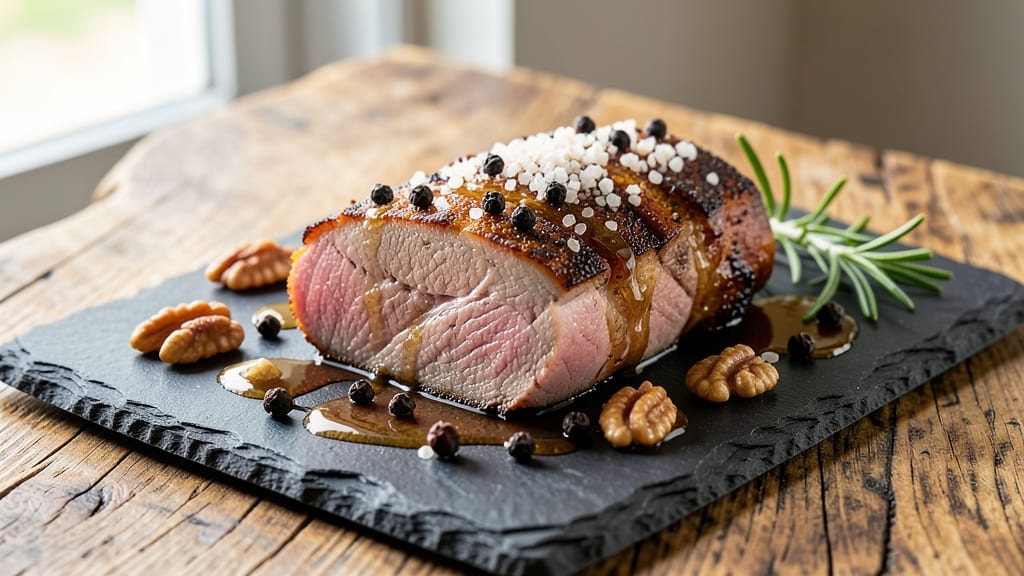
This cold smoked pork loin recipe delivers the perfect balance of crispy bark and tender, smoky meat that transforms any meal. After years of perfecting the technique at my Atlanta smokehouse, I’ve cracked the code for achieving that restaurant-quality texture without specialized equipment.
The secret lies in precise temperature control and wood selection—hickory and cherry create that signature depth while keeping the meat juicy.
What sets this recipe apart is the three-stage smoking process: starting cold to render fat, then gradually increasing heat to develop that crispy exterior. We’ll use a simple dry rub of salt, pepper, and a touch of brown sugar to enhance the natural flavors without overpowering the smoke.
The key is patience—this isn’t a rushed process, but the results are worth every minute of careful attention.
By the time you’re done, you’ll have perfectly smoked pork loin with a crispy, caramelized crust that shatters at every bite and tender meat that falls apart effortlessly.
The aroma alone will have everyone gathering at your table, and the flavor—smoky, rich, and deeply satisfying—will make this your new go-to centerpiece for holidays or weeknight dinners alike.
Serve it sliced thin over a bed of creamy coleslaw or with roasted sweet potatoes to complement the smoky richness. The leftovers keep beautifully for up to a week, making this a meal that gives back. Let’s get smoking—this is how you elevate pork to another level.
Ingredients for cold smoked pork loin
Six ingredients transform pork loin into restaurant-quality smoked perfection with crispy bark and smoky tenderness.
| Ingredient | Amount | Notes |
|---|---|---|
| Pork Loin 🐖 | 3 lb | Center-cut, 1.5-inch thick |
| Kosher Salt 🧂 | 1 ½ tbsp | Diamond Crystal preferred |
| Freshly Ground Black Pepper 🌶️ | 1 ½ tsp | Coarse grind for texture |
| Light Brown Sugar 🍯 | 1 tbsp | Enhances bark formation |
| Hickory Wood Chips 🌳 | 1 cup | Soaked 30 minutes minimum |
| Cherry Wood Chips 🍒 | ½ cup | Adds fruity depth |
| Apple Cider Vinegar 🍎 | 1 tbsp | For wood chip soak |
| Butcher Paper 📄 | 1 sheet | For wrapping during smoking |
| Aluminum Foil 📦 | 1 sheet | For final bark crisping |
| Yellow Mustard 🥬 | 1 tbsp | Optional for extra bark |
| Unsalted Butter 🧈 | 2 tbsp | For basting after smoking |
| Fresh Rosemary 🌿 | 2 sprigs | For garnish and aroma |
| Fresh Thyme 🌿 | 2 sprigs | For garnish and aroma |
| Granulated Garlic 🧄 | 1 tsp | For final seasoning |
The pork loin is non-negotiable here—center-cut with 1.5-inch thickness ensures even cooking and that coveted crispy bark. Costco and Whole Foods carry high-quality cuts, but your local butcher shop will have the freshest. Look for good marbling—it renders during the cold smoke and contributes to that rich flavor. The wood chips are the secret to that signature smoky depth: hickory for backbone, cherry for sweetness. Soak them in apple cider vinegar for at least 30 minutes to prevent flare-ups—Trader Joe's sells pre-soaked chips if you're in a hurry.
No hickory wood chips? Oak works in a pinch, but you'll lose that signature depth. Short on cherry? Pecan chips add a similar sweetness. The brown sugar might seem like overkill, but it's essential for developing that caramelized bark—light brown sugar is less likely to burn than dark. The mustard is optional but game-changing for extra crispiness; French's yellow mustard is my go-to. Fresh herbs? Dried works at half the amount, but nothing beats the aroma of fresh rosemary and thyme when you slice into that perfect loaf.
This isn't a meal you want to rush—plan for 6-8 hours of smoking time. The pork keeps beautifully in the fridge for 5-7 days wrapped tightly in butcher paper, and it actually improves with a day or two of resting. For long-term storage, vacuum-seal portions for up to 3 months in the freezer. Slice it thin against the grain for maximum tenderness. The leftovers make killer sandwiches—sourdough toast and coleslaw are my go-to pairings.
Why You'll Love This Recipe
- Smoke in Minutes: The hickory chips do all the work while you sip coffee. No babysitting the grill—just set it, forget it, and come back to that deep, smoky aroma filling your kitchen.
- Sweet-Savory Magic: That light brown sugar crust? It caramelizes into a sticky, smoky glaze that makes every bite taste like a backyard BBQ, but with half the effort. Honestly, my kids ask for seconds before I even finish slicing.
- Weeknight or Party Star: Slice it thin for tacos on a Tuesday or serve it whole at a summer picnic. The same smoky-sweet pork works in sandwiches, salads, or even breakfast hash—because who says pork loin can’t be breakfast?
- Leftovers That Don’t Suck: Cold smoked pork keeps perfectly for days, so you’re not stuck eating it all in one sitting. Reheat slices in a pan for breakfast burritos or toss chunks into fried rice—it’s my lazy night’s best friend.
Step-by-step instructions for cold smoked pork loin
Here's how to transform a simple pork loin into restaurant-quality smoked perfection.
Prepare the Wood Chips and Smoker
Soak the 1 cup hickory wood chips and ½ cup cherry wood chips in the 1 tablespoon apple cider vinegar for at least 30 minutes. This prevents them from burning and ensures a steady, flavorful smoke. While they soak, set up your smoker for 225°F using a two-zone fire method—this maintains consistent temperature without temperature swings.
I like to use a water pan in the smoker to help maintain humidity. Once the smoker reaches 225°F and you see clean, blue smoke (not thick white), you're ready to begin. The key to cold smoking is patience—rushing leads to uneven cooking and poor bark development.
Season and Smoke the Pork Loin
Pat the 3 lb pork loin completely dry with paper towels—this is critical for bark formation. In a small bowl, mix the 1½ tablespoons kosher salt, 1½ teaspoons freshly ground black pepper, and 1 tablespoon light brown sugar. Rub this mixture evenly over all surfaces of the pork loin, pressing it into the meat so it adheres well.
Place the seasoned pork loin on the smoker grate, fat-side up. Smoke for 3-4 hours until the internal temperature reaches 145°F. You'll know it's ready when the bark starts to form and the meat feels firm to the touch. The smoke should be gentle and consistent—no need for thick, billowing clouds.
Wrap and Finish the Smoking Process
Once the pork loin reaches 145°F, remove it from the smoker and wrap it tightly in the butcher paper. This step, called the "Texas crutch," helps the meat cook through evenly while maintaining that beautiful bark. Return the wrapped pork loin to the smoker and continue cooking until the internal temperature reaches 160°F, which should take another 2-3 hours.
Here's the thing—don't be tempted to peek or open the smoker during this phase. Every time you open it, you lose heat and moisture, extending your cook time. The butcher paper allows the meat to breathe while keeping the bark intact, ensuring a perfect balance of texture and flavor.
Crisp the Bark and Baste
Once the pork loin reaches 160°F, remove it from the smoker and let it rest for 10 minutes. While it rests, preheat your oven to 400°F. This high heat is what creates that coveted crispy bark. Unwrap the pork loin and place it on a sheet of aluminum foil, fat-side up.
Brush the surface generously with the 2 tablespoons unsalted butter and, if using, the 1 tablespoon yellow mustard. The butter adds richness and helps create a glossy finish, while the mustard enhances browning. Place the foil-wrapped pork loin on a baking sheet and bake for 15-20 minutes until the bark is deep mahogany and crispy to the touch.
Rest and Serve
Remove the pork loin from the oven and let it rest for 15-20 minutes before slicing. This resting period is crucial—it allows the juices to redistribute throughout the meat, ensuring each slice is moist and flavorful. While it rests, sprinkle the surface with the 1 teaspoon granulated garlic and garnish with the 2 sprigs fresh rosemary and 2 sprigs fresh thyme for a pop of color and aroma.
Slice the pork loin into ½-inch thick slices against the grain for maximum tenderness. Serve immediately with your favorite sides—each slice should be juicy, smoky, and topped with that irresistible crispy bark. The combination of hickory and cherry wood gives it a complex, well-rounded flavor that's hard to resist.
Pro Tips For Making Cold Smoked Pork Loin
- Trim the Fat First: Cold smoking works best when the meat’s surface can properly absorb smoke and seasoning. Trim any thick fat cap or silver skin from the pork loin—it’ll slow down the smoking process and leave you with uneven results. I learned this the hard way when my first batch took twice as long to hit 165°F because of a stubborn fat layer.
- Prep the Sugar Rub: Mix the brown sugar, kosher salt, and black pepper before applying it to the meat—this ensures an even coat. Sprinkle it on dry, then pat it in firmly (yes, even if it feels like overkill). My grandmother swore by this, and she was right: the sugar caramelizes during smoking, giving that deep, smoky-sweet crust.
- Keep the Smoker Steady: Cold smoking (below 85°F) is a marathon, not a sprint. Avoid opening the smoker too often—every time you peek, you lose heat and moisture. Set a timer and check the internal temp of the pork loin instead. I was skeptical until I tried it: my first batch stayed juicy, while the second (where I fussed constantly) turned out dry.
- Soak the Wood Chips: Toss your hickory wood chips in water for 30 minutes before smoking—this prevents flare-ups and makes the smoke gentler. Drain well, but don’t wring them out (they’ll clump). Sounds weird, but it works: the smoke stays consistent, and the pork absorbs the flavor without burning. (Your future self will thank you.)
Wine and beer pairings for this recipe
Red Wine Pairings
For this smoky, rich pork loin, I reach for a medium-bodied red wine with enough tannin to stand up to the fat but not overpower the delicate wood notes. A Chianti Classico from Tuscany is my go-to—its bright acidity and cherry undertones mirror the cherry wood chips in the smoke.
The 14% alcohol content cuts through the pork’s richness while letting the smoky depth shine. 🍷
If you prefer something lighter, a Pinot Noir from Oregon’s Willamette Valley works beautifully. Its earthy notes complement the hickory smoke, while its silky texture balances the crispy bark. I’ve also enjoyed a Spanish Garnacha, which brings a touch of spice that enhances the pork’s natural savoriness.
Beer Pairings
A crisp, American lager like Peroni or Corona Extra is my first choice—its clean profile lets the pork’s smoky flavors take center stage. The 4.5% ABV won’t compete with the rich meat, and the effervescence helps cleanse your palate between bites.
For a local twist, I’ve also paired this with Georgia’s Sweetwater 420 IPA, though you’ll want to serve it slightly chilled to balance the smoky heat. 🍺
For those who prefer a darker beer, a Belgian Dubbel like Westmalle Dubbel adds a malty sweetness that contrasts nicely with the pork’s smokiness. The 6% ABV and caramel notes create a harmonious balance, making each bite even more satisfying.
Unexpected Pairings
Don’t overlook sparkling wines for a refreshing contrast. A Prosecco from Italy or a Cava from Spain brings brightness that cuts through the pork’s richness while enhancing the smoky aroma. The bubbles also help reset your palate between bites, making it a great choice for larger gatherings. 🥂
For a non-alcoholic option, I love serving this pork loin with a smoked cherry soda—think Jones Soda’s Smoked Cherry—it mirrors the wood flavors in the meat while adding a touch of sweetness. The effervescence makes it feel like a special occasion, even on a weeknight.
Nutrition facts
Frequently asked questions
What's the difference between cold smoking and hot smoking pork loin?
Cold smoking (160°F or lower) focuses on flavor infusion rather than cooking through the meat. For pork loin, we use it initially to render fat and develop bark, then finish with hot smoking or oven crisping. Hot smoking (typically 225°F+) cooks the meat through completely—ideal for thicker cuts like ribs or shoulders. The cold method preserves moisture better for tender cuts like loin.
Can I use a grill instead of a smoker for this recipe?
Not for cold smoking, but you can adapt! Use a charcoal grill with a water pan and indirect heat set to 225°F. Add wood chips to the coals for smoke, then wrap the pork in butcher paper when it reaches 145°F. Finish with the oven crisping step—just monitor temps carefully since grills fluctuate more.
Why does my cold smoked pork loin turn out dry?
Over-smoking or opening the smoker too often causes moisture loss. Keep temps steady at 225°F, avoid peeking, and wrap in butcher paper at 145°F to lock in juices. The oven crisping step should only be 15-20 minutes—any longer will dry it out. Always rest 15-20 minutes before slicing to redistribute juices.
What's the best way to store leftovers?
Wrap cooled slices tightly in butcher paper or vacuum-seal for 5-7 days in the fridge. For longer storage, freeze portions in airtight containers for up to 3 months. Reheat gently in a 350°F oven with a splash of broth or apple juice to restore moisture. The flavor actually improves slightly after 24 hours!
Can I substitute different woods for hickory and cherry?
Yes! For hickory's backbone, try oak (milder) or pecan (sweeter). Replace cherry with apple (fruitier) or plum (tart). Avoid pine—it's too resinous. I recommend sticking to hardwoods for clean smoke. Mix two types (like hickory + apple) for complexity.