
Main Courses
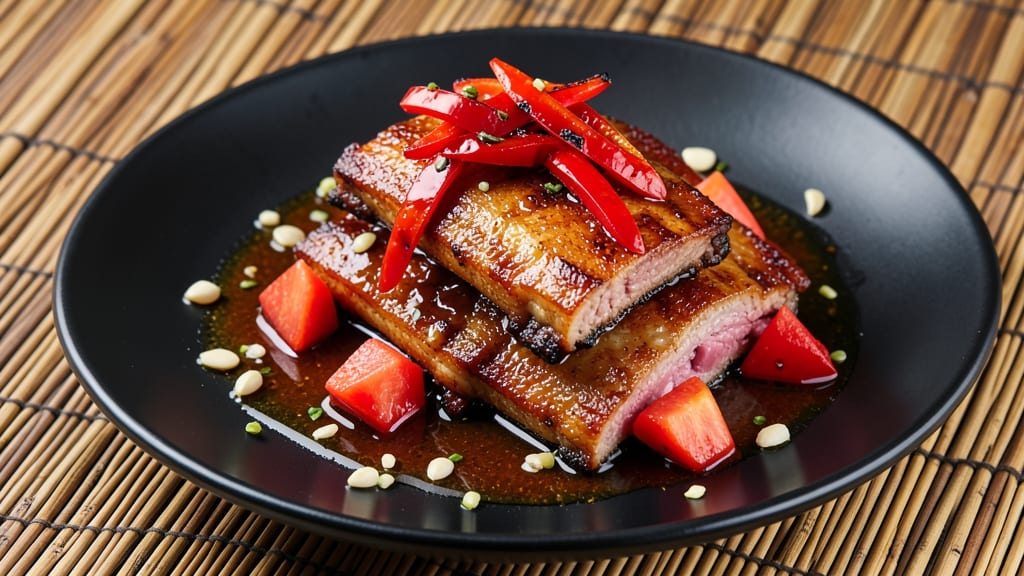
This Chinese sweet and sour pork spare ribs recipe delivers the perfect balance of crispy-fried edges and tangy-sweet gloss that makes every bite unforgettable. 🔥 After years of perfecting wok hei techniques, I've developed a method that transforms tough spare ribs into tender, flavor-packed pieces with a caramelized crust that shatters like glass.
The secret lies in marinating the ribs overnight and achieving that signature crispy texture through a two-stage frying process.
The process begins with a marinade that tenderizes the ribs while infusing them with aromatic flavors, followed by a quick braise to ensure they're perfectly cooked before hitting the hot wok.
The sweet and sour sauce—made with a balance of pineapple juice, vinegar, and a touch of honey—is reduced to a glossy, sticky consistency that clings to every rib, delivering that signature tangy-sweet contrast.
This isn't just a recipe; it's a celebration of texture and flavor that brings authentic Chinese restaurant quality to your home kitchen.
By the time you plate these ribs, you'll have crispy, caramelized edges that give way to tender meat, all coated in that glossy, tangy-sweet sauce that's impossible to resist.
The aroma alone will have everyone gathered around the table, and the first bite delivers that perfect harmony of textures and flavors that defines this classic dish. Serve with steamed jasmine rice and stir-fried bok choy for a complete meal that's as impressive as it is delicious.
What makes this recipe truly special is the attention to detail—from the marinating process to the precise timing of the frying and sauce reduction. It's the kind of dish that feels like a restaurant experience but is entirely achievable at home with the right technique. Let's get cooking!
Ingredients for chinese sweet and sour pork spare ribs
Transform tough spare ribs into restaurant-quality crispy-fried masterpieces with this authentic Chinese recipe.
| Ingredient | Amount | Notes |
|---|---|---|
| Pork Spare Ribs 🍖 | 3 lb | Bone-in, meaty sections preferred |
| Soy Sauce 🥢 | ½ cup | High-quality, dark soy preferred |
| Honey 🍯 | ¼ cup | Wildflower or clover variety |
| Rice Vinegar 🍶 | ¼ cup | White or seasoned preferred |
| Pineapple Juice 🍍 | ½ cup | Freshly squeezed for best flavor |
| Garlic Cloves 🧄 | 6 cloves | Minced, for marinade and sauce |
| Ginger Root 🌿 | 1 tbsp | Freshly grated, peeled |
| Sesame Oil 🫒 | 1 tbsp | Toasted, for aroma |
| Cornstarch 🌾 | ¼ cup | For crispy coating |
| Vegetable Oil 🫒 | 2 cups | High smoke point, for frying |
| Red Bell Pepper 🌶️ | 1 whole | Sliced into strips |
| Green Onion 🧅 | 3 whole | White and green parts separated |
| Salt 🧂 | 1 ½ tsp | Diamond Crystal preferred |
| Black Pepper 🌶️ | ½ tsp | Freshly ground |
The ribs are the foundation—look for meaty, bone-in spare ribs with good marbling. Costco or Asian markets often carry the best cuts, but any butcher can trim them to your preference. Fresh ginger and garlic are non-negotiable here; pre-minced jars lack the aromatic punch. For the soy sauce, Lee Kum Kee or Kikkoman deliver that authentic umami depth without overpowering. The pineapple juice should be freshly squeezed—canned juice often tastes artificial and won't caramelize properly during reduction. If you can't find fresh, Dole brand is a solid backup.
No fresh ginger? Powdered ginger at half the amount works in a pinch, but the texture won't be the same. Running short on cornstarch? Arrowroot powder creates an equally crispy coating. For the red bell pepper, mild varieties like Roma hold up better to frying than sweet varieties. The green onions can be substituted with scallions, but white parts only for sauce—green parts are purely for garnish. If you're making this ahead, marinate the ribs for up to 24 hours—the longer they soak, the more tender they become, but don't exceed 36 hours or they'll turn mushy.
Store leftover sauce in an airtight container for up to 5 days—it reheats beautifully and works wonders on rice or noodles. The ribs themselves reheat best in a 350°F oven for 15 minutes wrapped in foil to retain moisture. For maximum crispiness, re-crisp in a hot skillet for 2-3 minutes per side before serving. Freeze cooked ribs for up to 3 months—thaw overnight in the fridge before reheating. The sauce freezes well too, but add a splash of water when reheating to restore its glossy consistency.
Why You'll Love This Recipe
- One-Pan Magic: I swear by this recipe when I’m too tired to wash dishes—just ribs, sauce, and a sheet pan. The honey and rice vinegar caramelize right there while you stir, no fancy equipment needed.
- Sweet-Sour Balance: That tangy punch from the pineapple juice and vinegar cuts through the richness of the ribs just enough—like a perfect contrast in every bite. Honestly, the soy sauce ties it all together without overpowering.
- Leftover Hero: These ribs reheat like a dream, whether tossed in a salad the next day or served cold in lettuce wraps. (Yes, even on a Tuesday night.) The sauce clings to everything, so no dry, sad leftovers here.
- Budget Crowd-Pleaser: Pork ribs are cheaper than you think, and this recipe stretches easily for four or six. Between us, my kids fight over the last piece—proof it’s a winner without breaking the bank.
Step-by-step instructions for Chinese sweet and sour pork spare ribs
Master the balance of crispy edges and tangy-sweet sauce with this precise method.
🔪 Step 1: Prep and Marinate the Ribs
Trim any excess fat from the 3 lb pork spare ribs, leaving the meaty sections intact. Cut the ribs into 2-inch sections for even cooking. In a large bowl, combine the ribs with 0.5 cup soy sauce, 0.25 cup honey, 0.5 cup pineapple juice, 6 cloves minced garlic, 1 tbsp grated ginger, and 1 tbsp sesame oil. Mix gently to coat evenly.
Cover the bowl and refrigerate for at least 4 hours (overnight works best). This marinade tenderizes the meat and infuses it with deep, sweet-savory flavors. The pineapple juice breaks down collagen, while the soy sauce and honey create a sticky glaze that ensures crispy edges during frying.
🍳 Step 2: Create the Sweet and Sour Sauce
In a medium saucepan, combine 0.25 cup rice vinegar, 0.25 cup honey, 0.5 cup pineapple juice, and 1.5 tsp salt. Bring to a simmer over medium heat and cook for 5-7 minutes until slightly thickened. Remove from heat and stir in 0.5 tsp black pepper. Set aside—this sauce will be your final glaze.
For the vegetables, slice the whole red bell pepper into ¼-inch strips and separate the 3 whole green onions into white and green parts. Set aside for frying later. The sauce should have a bright, tangy-sweet balance—if it tastes too sharp, add a touch more honey; if too flat, a splash of rice vinegar.
🔥 Step 3: Fry the Ribs to Crispy Perfection
Heat 2 cups vegetable oil in a deep skillet or wok to 350°F. Working in batches (don't overcrowd), fry the marinated ribs for 3-4 minutes per side until golden brown and crispy. Drain on a wire rack or paper towels—this prevents soggy ribs. The oil should sizzle steadily; if it smokes excessively, reduce heat slightly.
While the ribs fry, toss the red bell pepper strips and green onion whites in 0.25 cup cornstarch until lightly coated. Fry these for 1-2 minutes until crispy, then set aside with the ribs. The cornstarch creates a light, crunchy texture that contrasts beautifully with the tender pork.
🥘 Step 4: Combine and Glaze
Return the fried ribs to the skillet (no need to add more oil). Pour the prepared sauce over the ribs and toss gently to coat. Add the fried red bell pepper and green onion whites, then increase heat to medium-high. Cook for 2-3 minutes until the sauce thickens slightly and clings to the ribs.
Garnish with the green onion greens and drizzle with any remaining sauce. Serve immediately over steamed rice or noodles—each bite should deliver crispy edges, tender meat, and a perfect balance of sweet, sour, and umami flavors.
Pro Tips For Making Chinese Sweet And Sour Pork Spare Ribs
- Cut Ribs in Half: Spare ribs are thick—halve them lengthwise before cooking. I learned this the hard way after struggling with uneven doneness; halved ribs cook faster and soak up the sauce better without turning rubbery.
- Marinate in Soy First: Toss raw ribs in soy sauce for 30 minutes before cooking. This jumpstarts flavor and prevents the meat from drying out when it hits the vinegar-pineapple punch later.
- Simmer Sauce Separately: Don’t toss ribs straight into the sweet-and-sour sauce—reduce honey, vinegar, and pineapple juice first until syrupy. Dumping raw ribs into thin sauce means soggy, flavorless meat.
- Use Cornstarch Slurry: Thicken the sauce with a cornstarch-water mix (1 tbsp cornstarch + 2 tbsp water) at the end. Stirring it in while the sauce bubbles guarantees glossy, clingy coating instead of a watery mess.
Creative variations of these flavors
Cantonese Restaurant Style
This version stays true to the classic Chinese restaurant take, where the ribs are cut into smaller, bite-sized pieces for easy eating. I like to add 1 tbsp light soy sauce to the marinade and reduce the honey to 0.2 cup to keep the sauce brighter.
After frying, toss the ribs with 1 tbsp ketchup (yes, really!) and 1 tsp sugar—this was a secret ingredient I picked up from a Cantonese chef in Atlanta. The ketchup adds depth that balances the sweetness. 🍴
Hawaiian Fusion Twist
For a tropical twist, swap ½ cup pineapple juice for fresh pineapple chunks and add 1 tbsp grated carrot and 1 tbsp grated daikon radish to the marinade. After frying, toss the ribs with 2 tbsp teriyaki sauce and garnish with toasted coconut flakes.
The pineapple chunks caramelize beautifully during frying, adding natural sweetness. Serve with steamed jasmine rice and a side of macaroni salad for a full Hawaiian-Chinese fusion experience.
Spicy Sichuan Kick
Transform this dish into a fiery Sichuan classic by adding 1 tbsp Sichuan peppercorns (toasted and ground) and 1 tbsp chili bean paste to the marinade. For the sauce, replace ½ cup pineapple juice with ½ cup chili oil> and add 1 tbsp doubanjiang> (fermented chili bean paste).
After frying, toss the ribs with the spicy sauce and garnish with sliced Thai bird's eye chilies and chopped cilantro. The numbing heat from the Sichuan peppercorns makes this version unforgettable. 🌶️
Slow-Cooked BBQ Style
For a smoky, slow-cooked alternative, braise the ribs in the marinade for 3 hours at 275°F> before frying. After braising, coat the ribs in 0.25 cup cornstarch> and pan-fry until crispy.
Toss with a reduced BBQ sauce made from ½ cup ketchup, ¼ cup molasses, and 1 tbsp apple cider vinegar. This version has a deeper, smokier flavor that pairs perfectly with coleslaw. It's a great way to satisfy BBQ lovers while keeping the sweet and sour essence.
Vegetarian Adaptation
Swap the pork ribs for firm tofu> or king oyster mushrooms> cut into rib-like shapes. Marinate them in the same sauce for 2 hours> (tofu absorbs flavors quickly). For extra crispiness, press the tofu between paper towels for 30 minutes> before coating with cornstarch.
Fry until golden and toss with the sauce. Garnish with extra green onions and sesame seeds. This version keeps all the tangy-sweet flavors while being completely plant-based. 🌱
Nutrition facts
Frequently asked questions
Can I use pork shoulder instead of spare ribs?
While pork shoulder will work, the texture won't be the same. Spare ribs have more connective tissue that breaks down beautifully during marinating, creating that signature tender yet crispy result. If you must use shoulder, cut it into 1-inch cubes and marinate for 8-12 hours instead of 4. The sauce will still cling, but you'll lose that classic rib texture.
Why does my sauce taste too sweet or sour?
The balance is key! If it's too sweet, add 1 tsp rice vinegar and a pinch of salt. Too sour? Stir in ½ tsp honey and let it simmer for 1 extra minute to mellow the acidity. Taste as you go—this sauce should make your mouth water, not pucker! The pineapple juice should be freshly squeezed for the best natural balance.
How do I get the ribs extra crispy?
Double-fry for maximum crispiness! After the initial 3-4 minute fry, let the ribs cool for 5 minutes, then give them a second quick fry for 1-2 minutes until golden again. Use a wire rack instead of paper towels between fries to prevent steam from making them soggy. The cornstarch coating should be lightly dusted—don't overdo it or it'll burn.
Can I make this recipe ahead of time?
Marinate the ribs for up to 24 hours (no longer or they'll get mushy). For the sauce, make it 1 day ahead and store it in an airtight container. Reheat gently before using. The ribs themselves reheat best in a 350°F oven for 15 minutes wrapped in foil, then crisp again in a hot skillet for 2 minutes per side before serving.
What's the best way to serve these ribs?
Pair them with steamed jasmine rice and stir-fried bok choy for an authentic Chinese meal. For extra presentation, arrange the ribs on a platter with the sauce drizzled artistically around them. Garnish with extra green onions and sesame seeds. The crispy edges and glossy sauce make this dish perfect for family gatherings or special occasions—it's always a crowd-pleaser!