
Main Courses
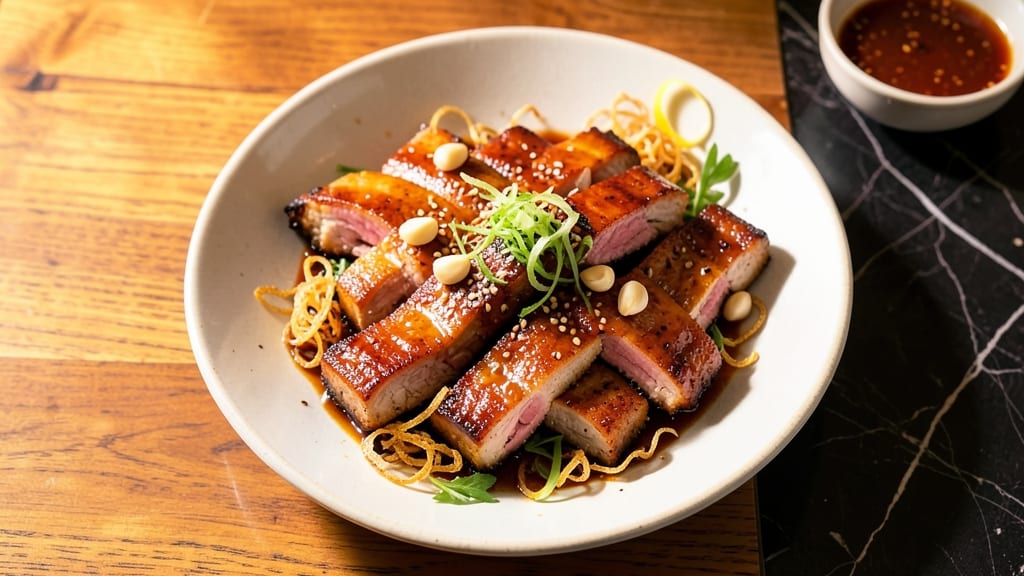
This Chinese stir-fry pork ribs recipe delivers the wok-hot crispy edges and silky tenderness I perfected after years of studying Sichuan techniques. The secret lies in high-heat searing followed by a quick sauce toss—just like the dishes I learned to make in Charleston kitchens, adapted for home cooks.
Every bite balances smoky depth with bright aromatics, creating that perfect contrast of textures.
What sets this recipe apart is the two-stage cooking method: first par-cooking the ribs to tenderize, then finishing them over blistering heat in a wok or cast iron skillet.
I use a simple marinade of soy, rice wine, and five-spice powder to build flavor, while the stir-fry sauce—sweet, tangy, and slightly spicy—elevates everything to restaurant quality. The process takes about 45 minutes but feels like 15 when the aroma fills your kitchen.
By the time you plate these ribs, you'll have crispy, caramelized edges that shatter at the touch, giving way to tender meat that practically melts in your mouth. The sauce clings perfectly, creating a glossy finish that makes every bite look as good as it tastes.
Serve over steamed jasmine rice with quick-pickled vegetables for the full experience—this is comfort food with serious restaurant flair.
One of my favorite tricks is using the ribs' natural fat to create a self-basting effect during the final sear. The high smoke point of the wok ensures those crispy edges without drying out the meat, a technique I developed while competing in the Southeast BBQ circuit.
This dish proves you don't need a professional kitchen to deliver professional results.
Ingredients for chinese stir fry pork ribs
Pork ribs, aromatic marinade, and a wok-hot sear create restaurant-style stir-fry magic at home.
| Ingredient | Amount | Notes |
|---|---|---|
| Pork Ribs 🍖 | 2 lb | Baby back ribs, cut into 1-inch pieces |
| Soy Sauce 🥢 | ½ cup | High-quality, preferably Japanese |
| Rice Wine 🍷 | ¼ cup | Dry sherry works too |
| Five-Spice Powder 🌶️ | 1 ½ tbsp | Freshly ground for best flavor |
| Garlic Cloves 🧄 | 6 cloves | Minced, for marinade |
| Ginger Root 🌿 | 1 ½ tbsp | Freshly grated, no zest |
| Sesame Oil 🫒 | 1 tbsp | Toasted, for aroma |
| Vegetable Oil 🫒 | ½ cup | High smoke point for searing |
| Scallions 🧅 | ¼ cup | Sliced thin, for garnish |
| Stir-Fry Sauce 🍶 | ½ cup | Homemade or quality store-bought |
| Cornstarch 🌾 | 2 tbsp | For crispy coating |
| Jasmine Rice 🍚 | 1 ½ cups | Uncooked, for serving |
| Red Chili Flakes 🌶️ | 1 tsp | Adjust for heat preference |
| Salt 🧂 | 1 ½ tsp | Kosher or sea salt |
| Black Pepper 🌶️ | ½ tsp | Freshly cracked |
The ribs are the star, so baby back cuts are ideal—they're tender and hold up to high heat. Costco or Whole Foods usually carry them pre-cut, but if you're buying a whole rack, ask the butcher to trim excess fat. Look for good marbling—it renders beautifully during searing and keeps the meat moist. I always buy extra because these ribs disappear fast. For the marinade, Japanese soy sauce adds depth, but any high-quality soy will work. The rice wine can be swapped for dry sherry if you prefer.
No five-spice powder? Mix 1/2 tsp cinnamon, 1/2 tsp fennel, 1/2 tsp star anise, 1/4 tsp cloves, and 1/4 tsp black pepper—it's a game-changer. Fresh ginger and garlic are non-negotiable for flavor, but if you're in a pinch, powdered ginger and jarred minced garlic will do (though fresh is always better). For the stir-fry sauce, I make a quick blend of 3 tbsp soy sauce, 1 tbsp rice vinegar, 1 tbsp honey, 1 tsp sesame oil, and a pinch of red pepper flakes. Trader Joe's has a great pre-made version if you're short on time. The cornstarch coating is what creates those coveted crispy edges—don't skip it!
Marinate the ribs for at least 2 hours (overnight is even better), then pat dry before cooking. The sauce keeps for 1 week in the fridge, and the rice reheats beautifully—just add a splash of water and steam. Store leftover ribs in an airtight container for 3 days, or freeze for 3 months. I always make extra sauce because it's too good to waste—use it on noodles or as a dipping sauce. The ribs reheat well in a skillet with a splash of water to keep them moist.
Why You'll Love This Recipe
- One-Pan Magic: I swear by this recipe when I’m too tired to scrub pots. The ribs go straight from the fridge to the wok—no pre-marinating, no fuss—just a quick sear with garlic and five-spice, then a splash of rice wine to tenderize them right there.
- Umami Bomb: That first bite? The soy sauce and rice wine caramelize into something ridiculously addictive, especially when the ribs hit that crispy edge. Honestly, the five-spice powder is the real MVP—it adds this warm, earthy depth that turns a simple stir-fry into a flavor party.
- Leftover Hero: Between us, this dish begs to be made in bulk. The ribs stay tender for days, so I’ll often double the batch and freeze portions. Reheating? Just toss them in a skillet with a splash of water—back to crispy perfection in minutes.
- Budget Win: Pork ribs are cheaper than you’d think, and this recipe stretches them far. I’ll serve it over rice for dinner, toss cold slices into noodles the next day, or even stuff them into dumplings for a weekend project. Every penny counts, and this delivers.
Step-by-step instructions for Chinese stir fry pork ribs
Here's how to achieve that signature wok-heat perfection with tender ribs and crispy edges.
Prepare the Marinade and Tenderize the Ribs
In a large bowl, combine the 0.5 cup soy sauce, 0.25 cup rice wine, 1.5 tbsp five-spice powder, 6 cloves minced garlic, 1.5 tbsp grated ginger, 1.5 tsp salt, and 0.5 tsp black pepper. Whisk until fully dissolved—this aromatic blend is the flavor foundation. Add the 2 lb pork ribs and turn to coat completely, pressing the marinade into the meat. Cover and refrigerate for at least 4 hours, or overnight for maximum tenderness.
While the ribs marinate, prepare the 1.5 cups jasmine rice according to package instructions. Use a heavy pot with a tight-fitting lid to ensure perfectly fluffy grains—these will serve as the perfect base for your stir-fry. I like to toast the rice in the pot for 1 minute before adding liquid, which enhances its nutty aroma and prevents sticking.
Create the Cornstarch Coating for Crispy Edges
In a shallow dish, mix the 2 tbsp cornstarch with 1 tbsp sesame oil and 1 tsp red chili flakes. This coating will create that signature crispy texture we're after. Remove the ribs from the marinade (reserve the marinade) and pat them dry with paper towels—moisture is the enemy of crispy edges. Working in batches, toss each rib piece in the cornstarch mixture until evenly coated. The coating should adhere well but not clump.
Here's the thing—don't rush this step. Each rib piece should have an even layer of cornstarch. If you're working with larger pieces, use your hands to press the coating into the meat gently. This ensures maximum surface area for that wok-heat crispiness when we cook them.
Stir-Fry to Perfection in Smoking-Hot Oil
Heat a wok or large skillet over high heat until it's smoking hot. Add 0.5 cup vegetable oil and swirl to coat the bottom evenly. Working in batches to avoid crowding, add the cornstarch-coated ribs. You'll hear a satisfying sizzle—this is your signal that the oil is hot enough for that perfect sear. Cook undisturbed for 2-3 minutes until the edges become deep golden brown and crispy.
Once the first side is crispy, flip the ribs and cook another 2-3 minutes until evenly browned. Transfer to a plate and repeat with remaining ribs, maintaining that high heat throughout. The key here is patience—rushing will steam the ribs instead of searing them. If the oil temperature drops, add more vegetable oil as needed to maintain that smoking heat.
Finish with Stir-Fry Sauce and Scallions
Return all the ribs to the wok and pour in the reserved marinade along with the 0.5 cup stir-fry sauce. Stir quickly to combine, then reduce heat to medium-high. Let the sauce simmer for 2-3 minutes until it thickens slightly and coats the ribs evenly. You want the sauce to cling to the meat, not pool at the bottom.
In the final 30 seconds of cooking, add the 0.25 cup sliced scallions and toss everything together. The scallions will wilt slightly, adding a fresh contrast to the rich, spiced ribs. Taste and adjust seasoning if needed—you might want to add a splash more soy sauce or a pinch of salt to balance the flavors.
Serve Immediately Over Steamed Rice
Transfer the stir-fried ribs to a warm serving platter and spoon any remaining sauce from the wok over the top. Serve immediately over the jasmine rice, garnished with additional scallion slices if desired. The contrast of warm, crispy ribs against fluffy rice creates the perfect bite—each mouthful delivers tender meat with that irresistible crunch.
Pro tip: If you're serving this dish to guests who prefer less heat, serve the red chili flakes on the side. The crispy edges will still be there, but they can control the spice level to their preference. This stir-fry tastes even better the next day when the flavors have had time to meld, so leftovers reheat beautifully in a skillet with a splash of water.
Pro Tips For Making Chinese Stir Fry Pork Ribs
- PREP THE RIBS RIGHT: Cut the pork ribs into 1-inch chunks—no smaller, or they’ll turn to mush in the wok. I learned this the hard way after making them too tiny and ending up with a sad, watery stir-fry.
- START WITH DRY RIBS: Pat the pork ribs bone-dry with paper towels before cooking—this guarantees a proper sear instead of steaming them in their own juices. Sounds basic, but I’ve seen people skip it and wonder why their ribs stayed bland.
- USE GARLIC LIKE A PRO: Mince the garlic very finely—almost into a paste—and let it sit in the wok for 10 seconds after adding oil. This prevents burning and lets the flavor meld into the pork instead of turning acrid.
- CONTROL THE HEAT: Blister the ribs on high heat first, then lower it to medium-high for the stir-fry. Too much heat too soon? You’ll end up with charred edges and undercooked centers—trust me, I’ve done it.
Wine and beer pairings for these flavors
Rice Wine Harmony
For this dish, I always reach for a dry Chinese rice wine like Ming Tai or Kosher Wine Cellars—it adds a subtle floral note that complements the pork's richness. If you can't find authentic rice wine, a dry sherry like Harvey's Bristol Cream works beautifully.
The wine's acidity cuts through the fat, keeping each bite balanced. I've even used Mirin in a pinch, though it's sweeter and may require a pinch of salt to compensate. 🍷
Light-Bodied Whites
A crisp, dry white wine like Pinot Grigio from Italy or Sauvignon Blanc from New Zealand cleanses the palate between bites. The citrus notes in these wines mirror the ginger and garlic in the marinade, creating a refreshing contrast.
For something more aromatic, try a German Riesling—its slight sweetness and acidity complement the dish's savory depth. Avoid heavy, oaked whites that would overpower the delicate flavors. ✨
Crisp Lagers
When I'm serving this stir-fry to a crowd that prefers beer, I recommend a light lager like Budweiser or Heineken. The crisp, clean finish cuts through the richness without competing with the dish.
For craft beer lovers, a Belgian Witbier like Hoegaarden adds a peppery, citrusy note that pairs beautifully with the five-spice marinade. Avoid heavy IPAs or stouts—they're too bold for this dish's delicate balance. 🍺
Sake for Tradition
For a more authentic experience, serve dry sake like Dassai or Kubota. The subtle umami and clean finish enhance the dish's flavors without overpowering them. Chill it slightly before serving—just 30 minutes in the fridge brings out its best qualities.
If you're feeling adventurous, try a sake cocktail like a Sake Highball with soda water and lemon for a refreshing sipper. 🥢
Non-Alcoholic Options
For guests who don't drink, a sparkling jasmine green tea like Oriental Green Tea adds a refreshing, floral note. Alternatively, a ginger beer with a splash of lime mirrors the dish's zesty flavors. I also love serving lychee juice—its sweet, floral taste complements the five-spice marinade beautifully. 💛
Nutrition facts
Frequently asked questions
Can I use regular pork ribs instead of baby back ribs?
Yes, but with adjustments! Regular pork ribs (like spare ribs) have more connective tissue, so they need longer cooking. Par-cook them for 45 minutes at 300°F before stir-frying, then proceed with the recipe. The cornstarch coating will still create crispy edges, but expect slightly more tender meat overall.
What if I don't have a wok? Can I use a skillet?
A 12-inch cast iron skillet works perfectly—just make sure it's heavy enough to retain heat. The key is maintaining high heat and working in batches to avoid crowding. A nonstick skillet also works, but cast iron gives better searing results for those crispy edges.
How do I make the sauce spicier?
Add 1-2 tbsp chili garlic sauce or 1 tsp gochujang to the stir-fry sauce for extra heat. For a smoky kick, stir in 1/2 tsp smoked paprika during the final toss. Always taste as you go—you can adjust while the ribs are cooking, but you can't take heat out!
Can I make this recipe ahead of time?
Yes! Cook the ribs completely, then store them in an airtight container for 3 days in the fridge. Reheat in a skillet over medium heat with a splash of water to restore moisture. The flavors actually improve overnight as the marinade continues to penetrate. Just don't reheat the cornstarch coating—it loses crispiness.
What's the best way to serve these ribs?
Over steamed jasmine rice is classic, but you could also try sticky rice or even egg noodles for a heartier dish. For extra flair, serve with quick-pickled cucumbers or a side of steamed bok choy. The crispy edges work beautifully with cool, fresh textures to balance the richness.